
Japanese Strategy in the Pacific War of World War II
Remembering Japan's World War II Strategy
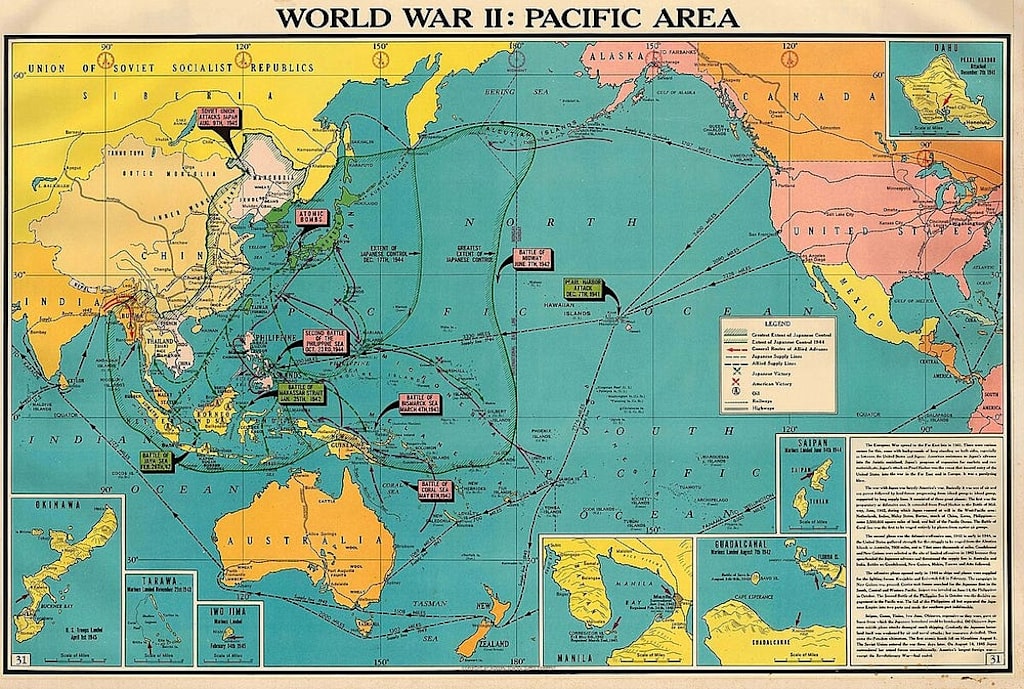
As the American economic embargo on Japan began to have a greater impact, the possibility of war between Japan and the USA became increasingly likely. As such, Japanese military planners began to outline plans and a strategy for any potential war in the Pacific with the USA and their potential allies. Japanese strategy in the Pacific War outlined two potential plans for a war in the Pacific.
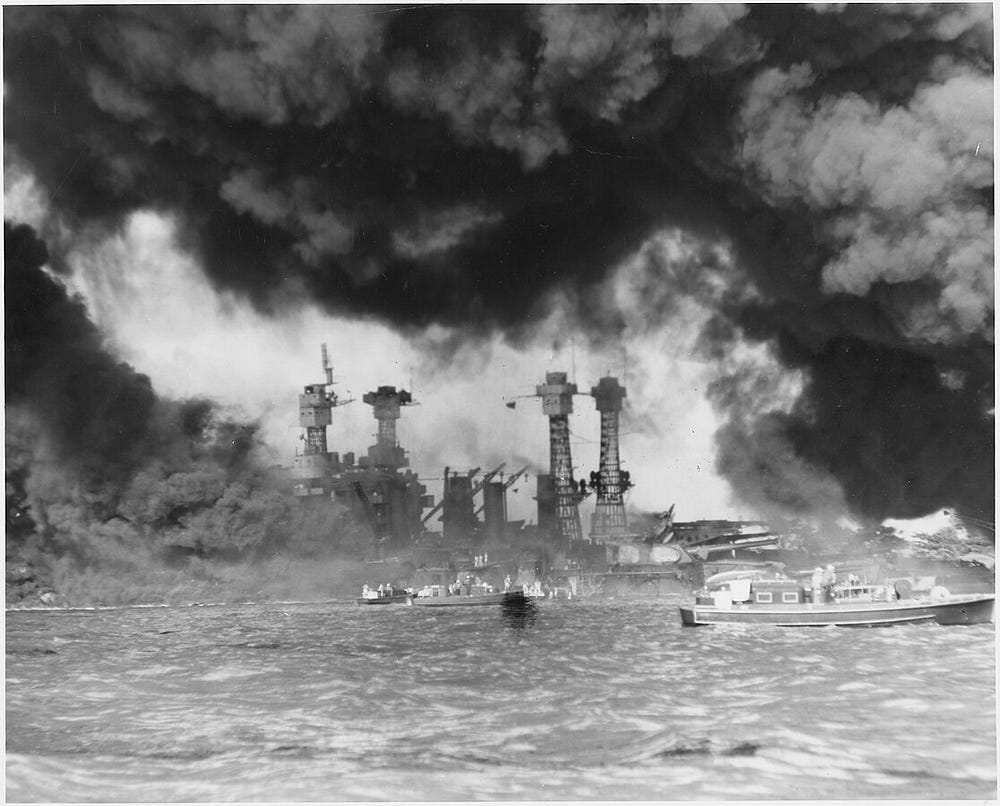
Their main objective in the Pacific War was to establish an empire in Asia. With this, they would gain substantial economic resources and raw materials. Hereafter, they sought potential peace negotiations with the West. Given the potential for war with the USA, the Japanese pinned their hopes on a decisive strike on Pearl Harbor that would eliminate the US Pacific fleet.
This fleet-based carrier strike at Pearl Harbor was only partly successful. While many battleships were sunk during the raid and hundreds of aircraft were destroyed, the Pacific fleet was not entirely eliminated. The US aircraft carriers remained untouched, along with the oil depots stationed at Pearl Harbor. Overall, the IJN gained only a short-term advantage from Pearl Harbor, which was not exactly 'decisive'.
In 1942, Japan put its strategy into action and targeted weakly defended European colonies. The European colonies fell to the Japanese, which allowed them to seize numerous territories in the region. With this, the Japanese aimed to set up a perimeter defense.
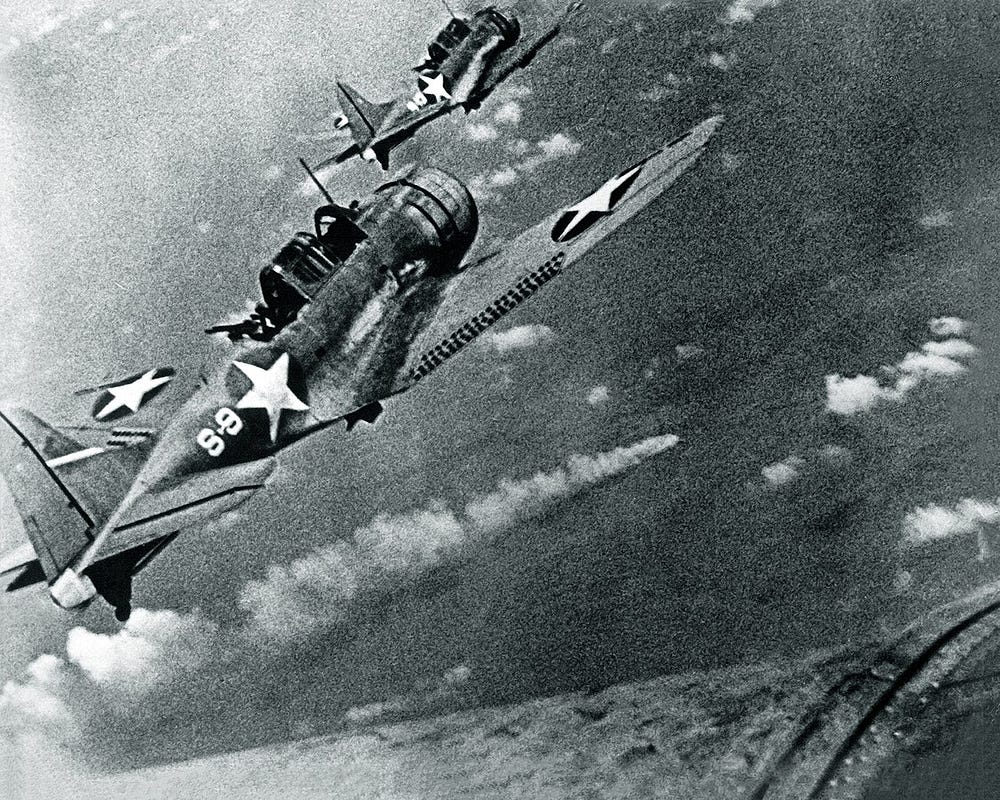
However, the perimeter defense proved unrealistic as the Japanese Combined Fleet lacked the military resources required. Further advances made at the Battle of the Coral Sea and the Battle of Midway in 1942 were decisive reversals for the Imperial Japanese Navy and the whole Pacific War. The US aircraft carriers were decisive in these Pacific battles, which saw the Japanese lose four carriers and hundreds of aircraft.
Japanese strategy in the Pacific War was beginning to fall apart. Having met most objectives, Japan could not establish the proposed perimeter defense. Equally, the USA was still not prepared to negotiate with the Japanese, particularly as the Battle of Midway victory enabled them to counterattack.
As the USA began to advance on Japanese positions, Japanese strategy became more attritional. With this, they hoped to wear down the USA's army by defending their territory. This, they hoped, would prompt the USA to enter peace negotiations. Negotiation, as opposed to the Allied calls for unconditional surrender, which became ever louder from 1943 onwards.
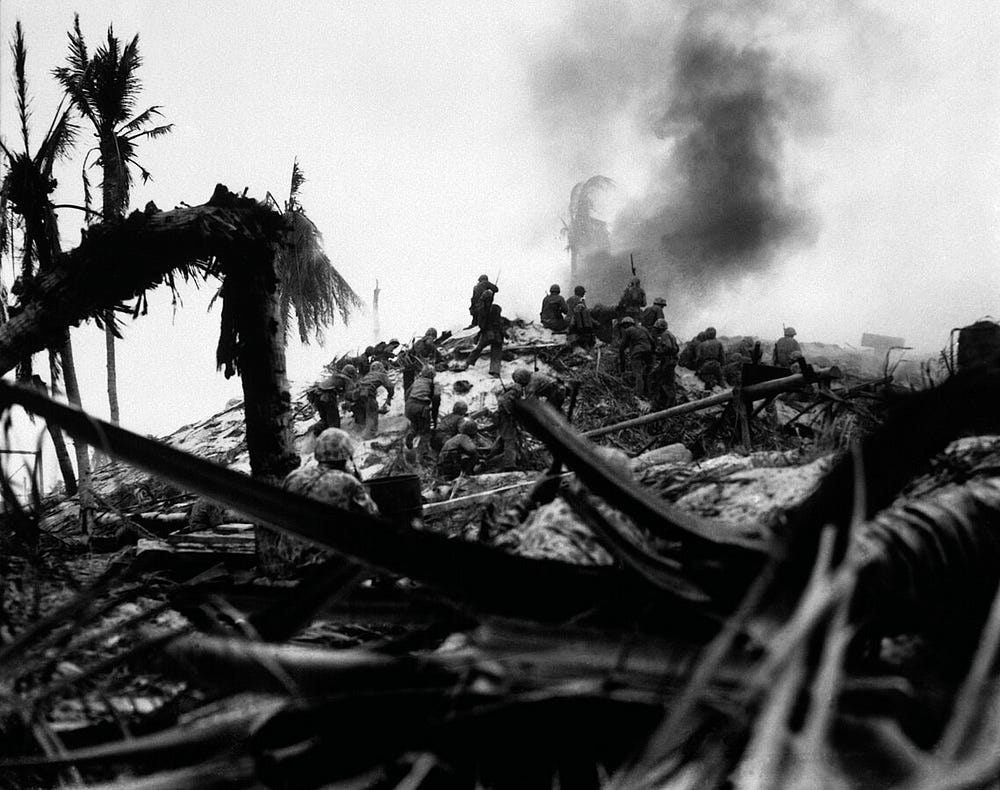
The strategy of attrition did have some impact. For example, as the US Marines began to advance on positions such as Tarawa and Iwo Jima, the US public was surprised by the American casualties during such Pacific battles. The Japanese set up strong defenses on their territory, and their armies were not inclined to surrender even when it became clear they could not hold their positions. During such battles, few Japanese troops surrendered to the US Marines.
'No surrender' made it harder for US troops to advance, but at any rate, they did. By 1945, Japan had lost the war, as its armies became increasingly outnumbered by Allied soldiers in the region. Japanese military doctrine was now more suicidal, as the Allies called for unconditional surrender. Negotiated peace became very unlikely, and the Japanese later surrendered in 1945.
Overall, the Japanese strategy in the Pacific War was a series of blunders and miscalculations. Despite Japan meeting most of its objectives in 1942, the USA did not consider any negotiated peace settlement with Japan. This was particularly the case as Pearl Harbor left its carrier fleet untouched, which became the Americans' most potent weapon against the IJN in 1942 at the Battle of Midway.
Japan also lacked the military resources to establish an effective perimeter defence of the territory it held in the Pacific. From then on, attrition became a more desperate strategy for Japan as the Allies gained increasing military superiority in the conflict. Perhaps unsurprisingly, such a strategy could not pay off, and the only real surprise was that it took until 1945 for the war to end.
This article of mine was originally submitted to Medium, where you can read it here.
Read more of my World War II articles on Vocal:
Remembering the Famous Air Battles of World War II
Remembering the Battle of Taranto in November 1940
The Pacific Theater Ends in Surrender
Remembering the Events That Led to the Darwin Raid in February 1942
About the Creator
Matthew A
Matthew is the author of Battles of the Pacific War 1941-1945. Battles of the Pacific War is available on Amazon and Lulu in e-book and paperback formats. Check out the book’s blog at battlesofthepacificwar.blogspot.co.uk.
Enjoyed the story? Support the Creator.
Subscribe for free to receive all their stories in your feed.
Comments
There are no comments for this story
Be the first to respond and start the conversation.