
A Brief Military History of Britain in World War II's Pacific War
Remembering the British Battles in the Pacific
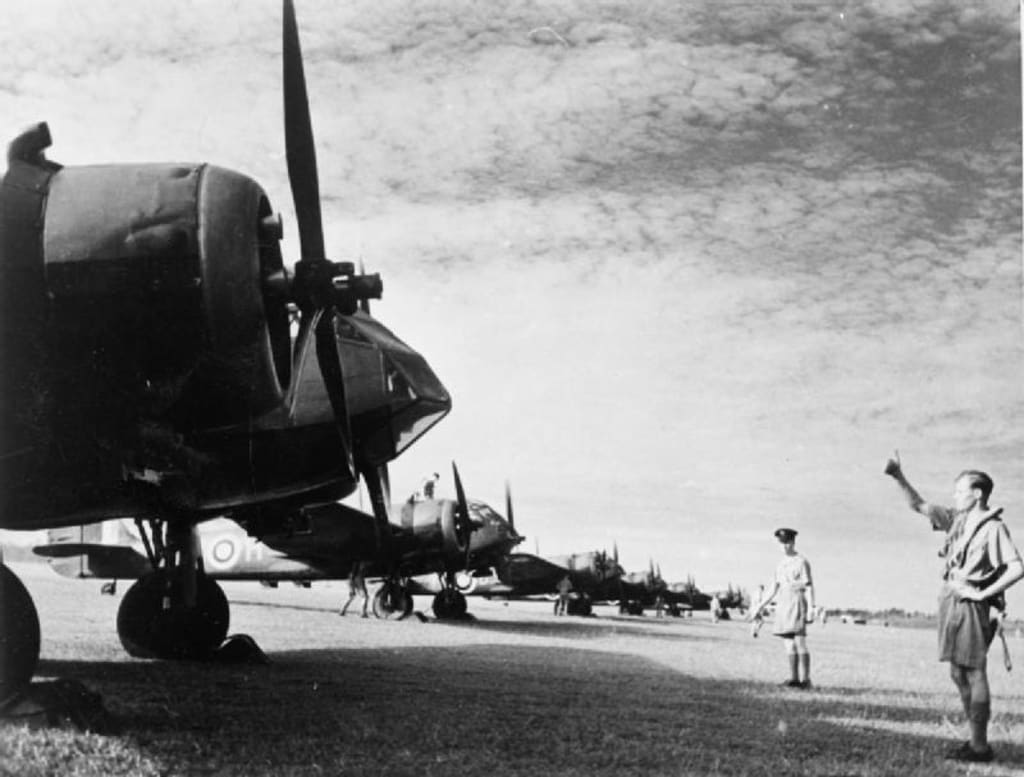
Britain's colonies in Asia were among the foremost targets for the Japanese Empire alongside the Dutch East Indies and the Philippines. The British Empire included Malaya, Hong Kong, Burma, and Singapore, which was supposed to be a fortress. As such, after Japanese aircraft ravaged Pearl Harbor, the war with the British Empire began in December 1941.
After the Pearl Harbor airstrike, the first Japanese troops began landing in Malaya. To counter the Imperial Japanese Navy in the Pacific, the Royal Navy had bolstered its naval presence with Force Z. Force Z included the HMS Prince of Wales, a new addition to the Royal Navy.
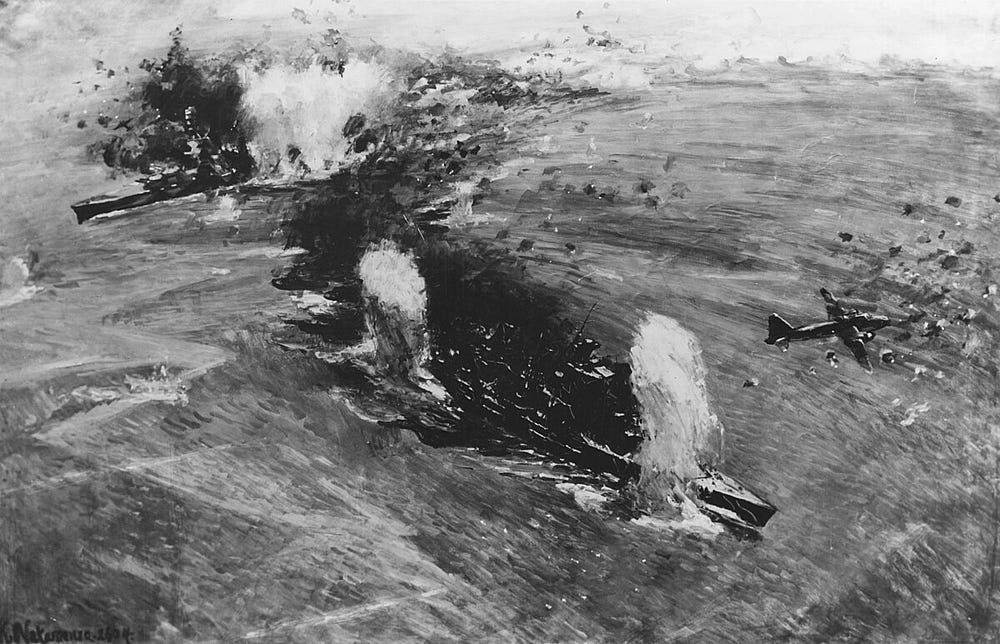
Force Z sailed to intercept the Japanese landings in Malaya during December. They left port without any air cover provided, and this left the skies clear for Japanese aircraft. Once they had located the position of Force Z, Japanese planes bombarded the HMS Prince of Wales and other ships. During the raid, Force Z was wiped out, and the Prince of Wales was the first battleship sunk on the high seas by aircraft.
That left the British short on naval support for the rest of the Malaya Campaign. During the campaign, Japanese troops swept through the region with bicycle infantry. Whilst they had fewer troops than the British and Commonwealth divisions, they had better tank support and had general air superiority. By the end of January, the remaining Allied forces retreated from Malaya across the Johor Strait.
They arrived in Singapore, at the tip of Malaya. Here, they still possessed a good number of divisions, but they were scattered across the region. The RAF had lost many aircraft in Malaya and could provide scant air support for the British and Commonwealth troops in Singapore. The Japanese army was also running short on supplies, and so they quickly invaded Singapore after an aerial and artillery bombardment during early February.
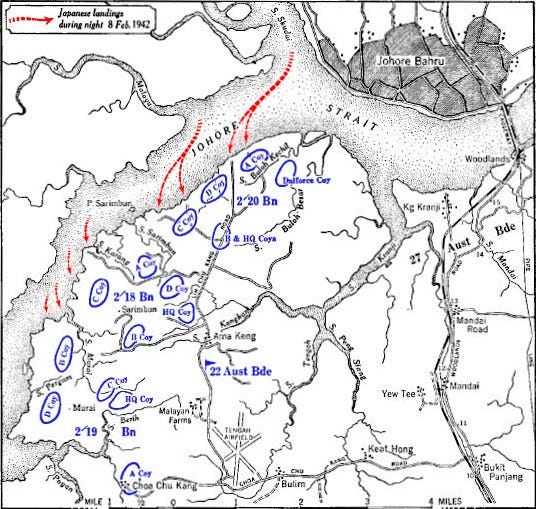
Several days later, the battle was all but over. Most Japanese troops landed on the northwestern coastline of the island, where they consolidated after the withdrawal of Australian troops. Bukit Timah fell soon after, leaving the Allied primary water supplies within reach of the Japanese army. Once the causeway linking Singapore with Malaya was repaired, Japanese tanks began rolling into Singapore. The British had no tanks of their own with which to take them out. As the Japanese advanced, the British and Commonwealth troops retreated to Singapore City. There, they surrendered to the Japanese army.
In the Dutch East Indies, the Royal Navy provided further naval support for the ABDA naval fleets. However, their outmoded cruisers and destroyers were not a match for Japan's, which were equipped with more effective torpedoes. That became more evident at the Battle of the Java Sea, in which IJN ships wiped out most of the ABDA fleet. The battle left the sea clear for the Japanese landings in Java, where most of the Allied troops were located. Outnumbered, they surrendered to the Japanese army, which then occupied most of the Dutch East Indies.
Another notable front for the British was that of Burma. The British and Commonwealth troops, which were primarily Indian divisions, were pushed back by the Japanese army throughout 1942 and 1943. The northward retreat continued until the British defeated the Japanese siege around Imphal during the Battle of Imphal in 1944. Their supplies were airlifted to their troops in the city, and when reinforcements arrived, the siege was broken. The Japanese army withdrew to new positions and was pushed back into Burma.
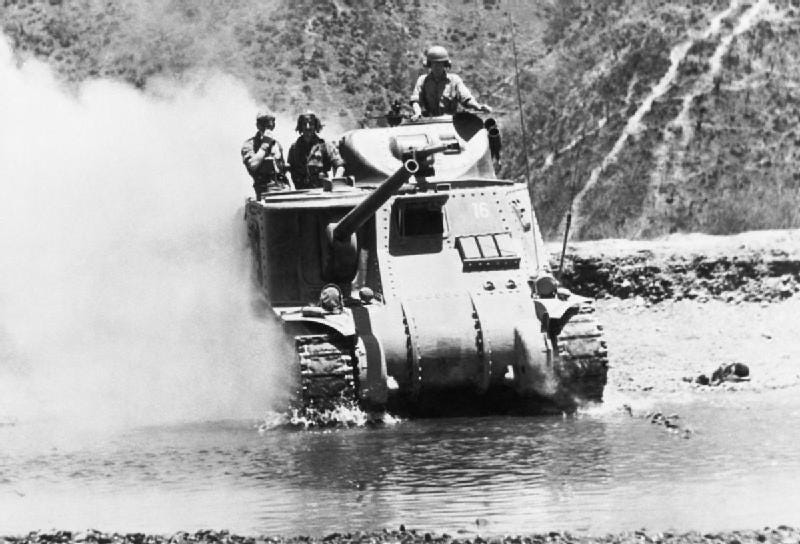
That was Britain's most notable victory in the Pacific. Thereafter, they made steady advances during the Burma Campaign. By 1945, they had recaptured much of the territory that had been previously lost before the Japanese surrendered.
At the Battle of Okinawa, the Royal Navy provided further naval support with its aircraft carriers. During the battle, they wiped out Japanese airfields located within the Sakishima Islands. Airfields in Formosa were also targeted by their carrier planes.
By then, the Allies had won the Pacific War. After the Battle of Okinawa, the Japanese surrendered. Colonies such as Singapore and Malaya returned to the British Empire. However, their defeats in 1941 and 1942 had highlighted that their military could not effectively hold the empire together.
This article of mine was originally submitted to Medium, where you can read it here.
Read more of my World War II articles on Vocal:
Italy's Victories and Defeats in World War II
Four Famous Axis Battleships of World War II
Remembering the Arctic Convoy Naval Battles of World War 2
About the Creator
Matthew A
Matthew is the author of Battles of the Pacific War 1941-1945. Battles of the Pacific War is available on Amazon and Lulu in e-book and paperback formats. Check out the book’s blog at battlesofthepacificwar.blogspot.co.uk.
Enjoyed the story? Support the Creator.
Subscribe for free to receive all their stories in your feed.
Comments
There are no comments for this story
Be the first to respond and start the conversation.