
Remembering the Arctic Convoy Naval Battles of World War 2
World War II's Arctic Naval Battles
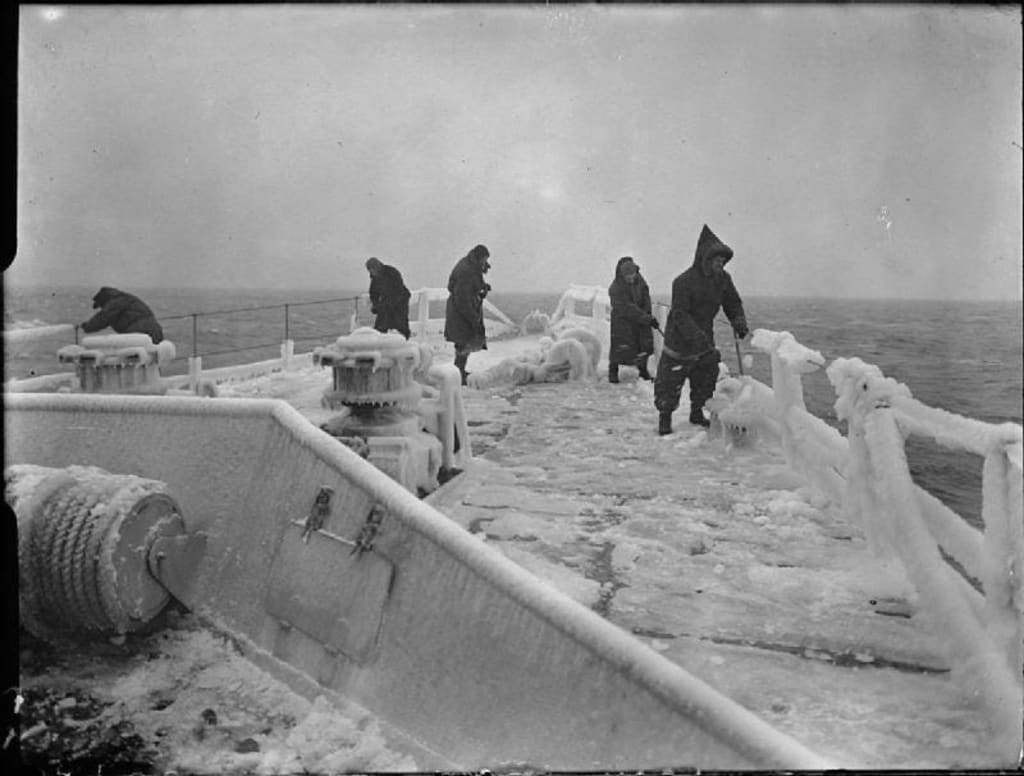
Once the USSR was an ally of Britain, the first Arctic convoy supply routes were established. These supply routes sailed to unoccupied Russian ports via the Arctic. They transported armament and munitions, such as tanks, aircraft, fuel, etc. These convoys became a target for the German Navy and Luftwaffe on trips to Russia.
U-Boats and Aircraft Wipe Out PQ-17
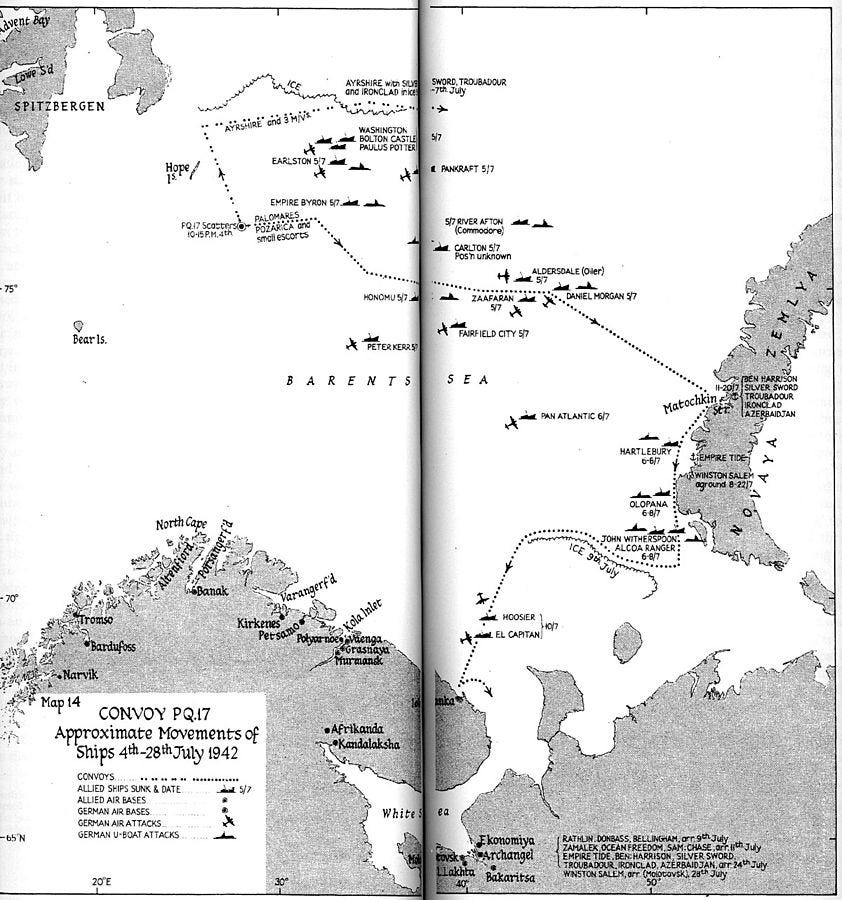
In 1942, the convoys were stepped up with a greater quantity of supplies delivered to the Russians. Among them was that of PQ-17, which sailed from Iceland in June. However, German U-boats intercepted this convoy.
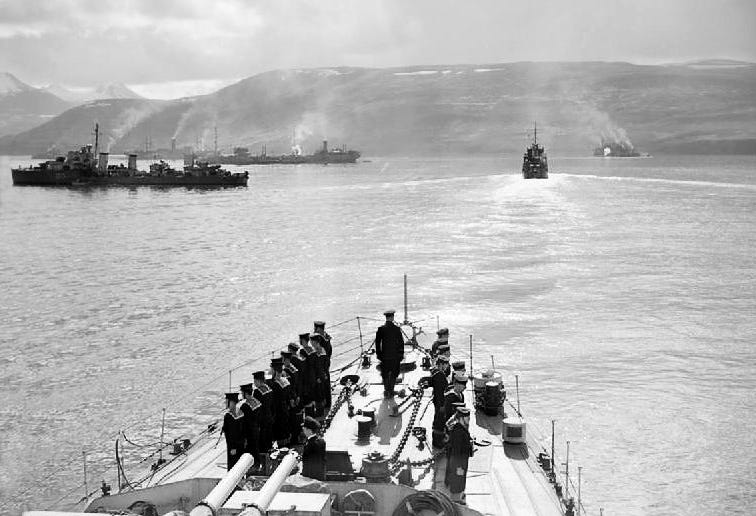
The PQ-17 Convoy. The orders had been given for the convoy to scatter shortly before to avoid German surface ships. This left the merchant ships spread over a wider area with little cover. Escorts withdrew to intercept the expected German surface ships. In June, German U-boats began attacking Allied merchant ships. Luftwaffe aircraft supported the submarines, which further bombarded the ships.
After hundreds of aerial sorties and torpedo strikes from U-boats, 24 of the 35 merchant ships were lost at sea. A few made it to Russian ports to deliver a minority of the supplies. Overall, they had heavy losses, and the German raid further highlighted to the Allies how essential adequate convoy escorts were in the Arctic.
Battle of the Barents Sea
Later on, in 1942, another Allied convoy sailed for the USSR. Royal Navy cruisers, destroyers, and corvettes escorted this convoy. They sailed into a storm that scattered the convoy, and when it regrouped, it was near a German naval base. Having been spotted by a U-boat, a fleet of German ships was sent to intercept the convoy.
The German fleet intercepted them on December 31. The overcast weather limited visibility, and both fleets could not easily spot the other warships. During the Battle of the Barents Sea, two British destroyers took a pounding and were lost at sea. The Germans also lost one destroyer.
With the British escort ships preoccupied, the merchant ships lacked cover. However, the convoy escaped almost entirely intact. The overcast weather had provided a degree of camouflage for the merchant ships, and after the German fleet had withdrawn, they sailed on to deliver the required supplies to the USSR.
Battle of North Cape
In late 1943, the Allied convoy JW 55B sailed for Murmansk. It was sent with a large escort fleet that included freighters, destroyers, and smaller warships. When German aircraft spotted the convoy, the Royal Navy sent another fleet of ships, which included the battleship HMS Duke of York, destroyers, and cruisers, to intercept any German naval units that might close in on the convoy.
The Royal Navy expected the German battlecruiser Scharnhorst, and that ship sailed from Altenfjord to eliminate the convoy. British cruisers were among the first to find the Scharnhorst, and their shells wiped out its radar. Later, the Duke of York and the other warship located it. When they closed in, the Scharnhorst was outnumbered and began to make a hasty withdrawal.
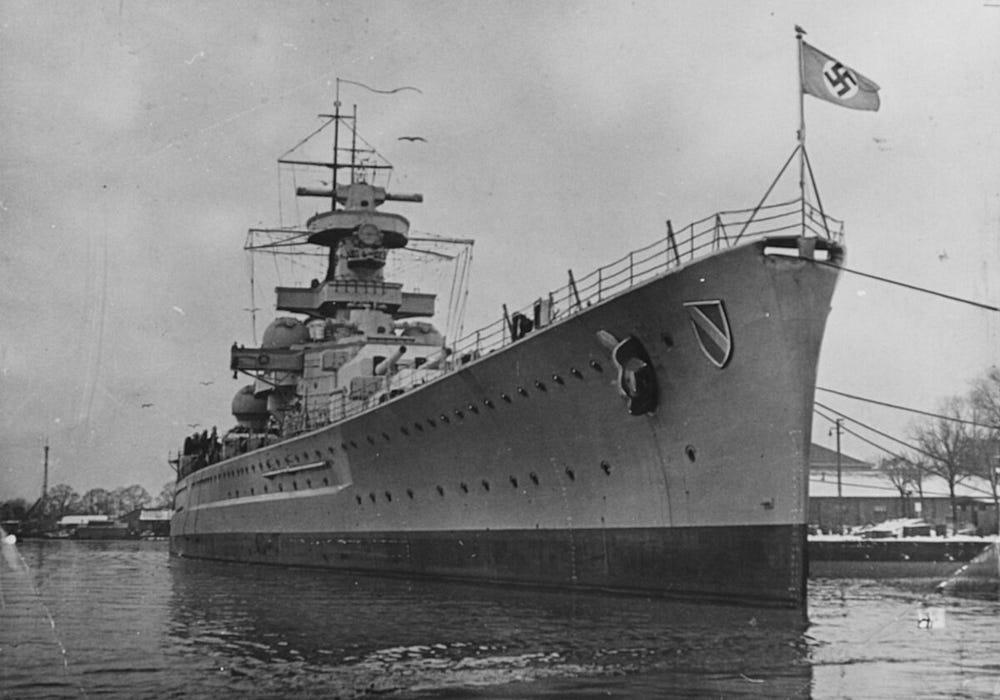
As the Scharnhorst withdrew, further shells from Royal Navy ships ravaged one of its boiler rooms. The battlecruiser then dropped to a pedestrian 10 knots, allowing the Allied destroyers and the Duke of York to catch up and close in. Multiple torpedo strikes and shelling reduced the Scharnhorst to something of a wreck, and as it flooded with water, it slipped beneath the sea.
The Scharnhorst had initially sailed with destroyers that remained at sea. However, they could not locate the merchant ship convoy. With the sinking of the Scharnhorst, the Royal Navy had won another notable victory, and the convoy sailed on to its destination. With German naval units lost in increasing numbers, as well as planes, further Arctic convoy raids could not be maintained. As such, the flood of supplies to the USSR increased after the Battle of North Cape.
This article of mine was originally submitted to Medium, where you can read it here.
About the Creator
Matthew A
Matthew is the author of Battles of the Pacific War 1941-1945. Battles of the Pacific War is available on Amazon and Lulu in e-book and paperback formats. Check out the book’s blog at battlesofthepacificwar.blogspot.co.uk.
Enjoyed the story? Support the Creator.
Subscribe for free to receive all their stories in your feed.
Comments
There are no comments for this story
Be the first to respond and start the conversation.