
A Timeline of the Battle of Leyte Gulf in 1944
Remembering the Largest Naval Battle of World War II
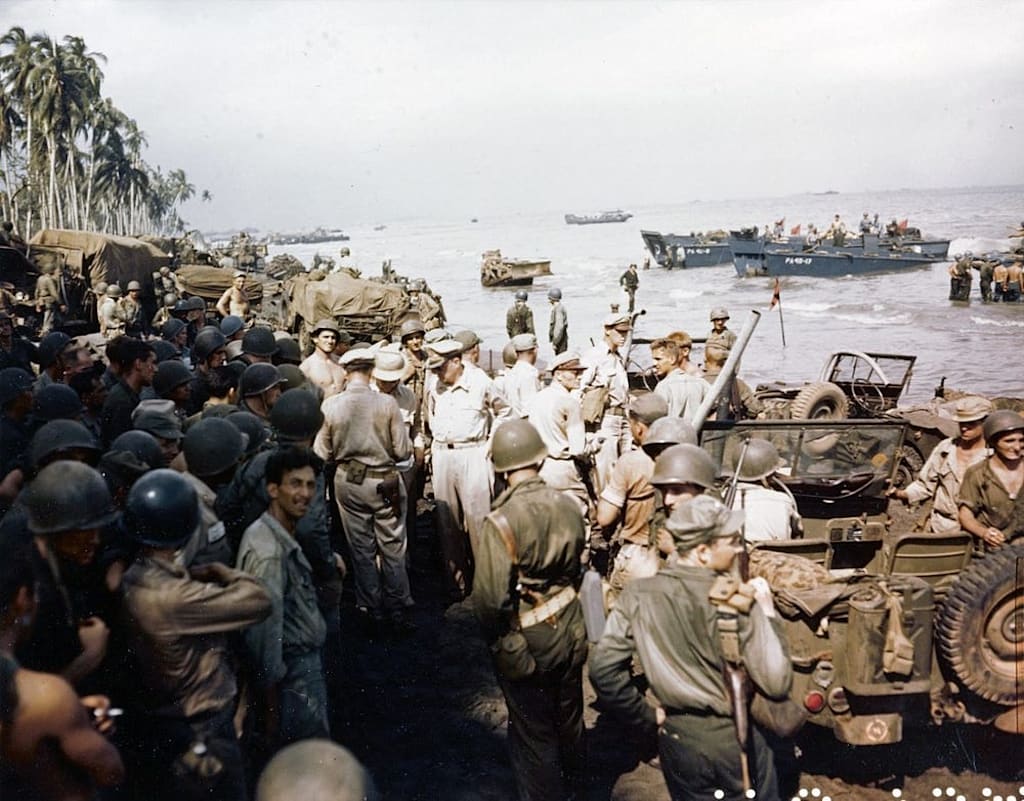
The Battle of Leyte Gulf in 1944, in the Philippines, was the largest naval battle in the war. The Imperial Japanese Navy had already had substantial losses, with the battles of Midway and the Philippine Sea wiping out their carrier fleets. As the Americans targeted Leyte, the Japanese mobilized much of their navy to defend Leyte, which, if lost, would cut Japanese supply lines to the oil-rich Dutch East Indies.
October 20 - October 22
The first Americans landed at Leyte Gulf on October 20, 1944. That marked the beginning of the Battle of Leyte. A couple of days later, on 22 October, two Japanese battleship fleets would depart from Borneo to defend Leyte.
October 23
On October 23, the Japanese and American fleets would first meet at the Palawan Passage. U.S. submarines effectively ambushed the Japanese fleets. Two submarines torpedoed the Japanese fleet, which ensured the loss of the Maya and Atago heavy cruisers.
October 24
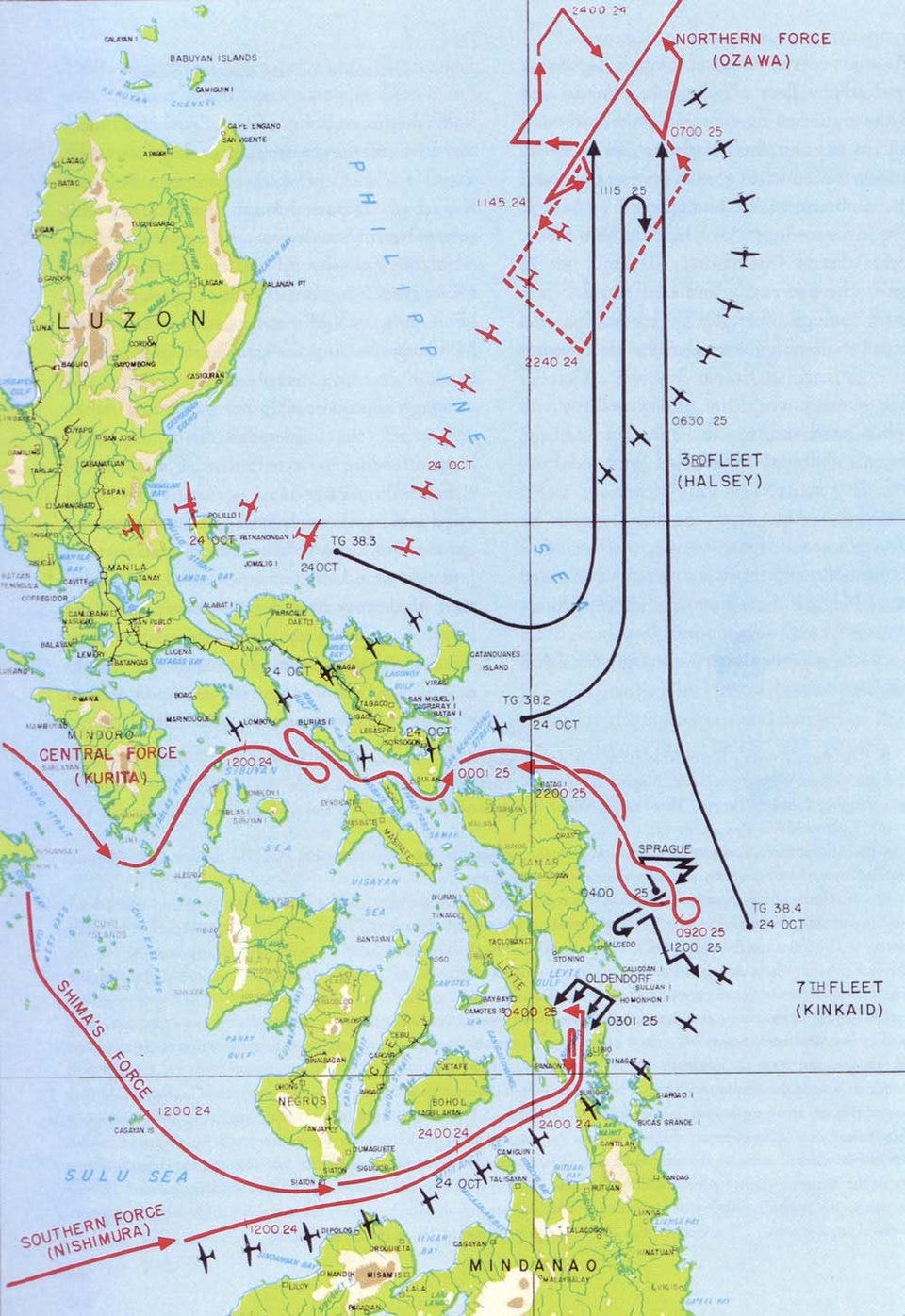
However, these losses were light in relation to what would follow. As one Japanese fleet made it to the Sibuyan Sea, they were bombed by hundreds of U.S. aircraft from American aircraft carriers. During the sorties, one Japanese battleship was sunk, and numerous others were hit.
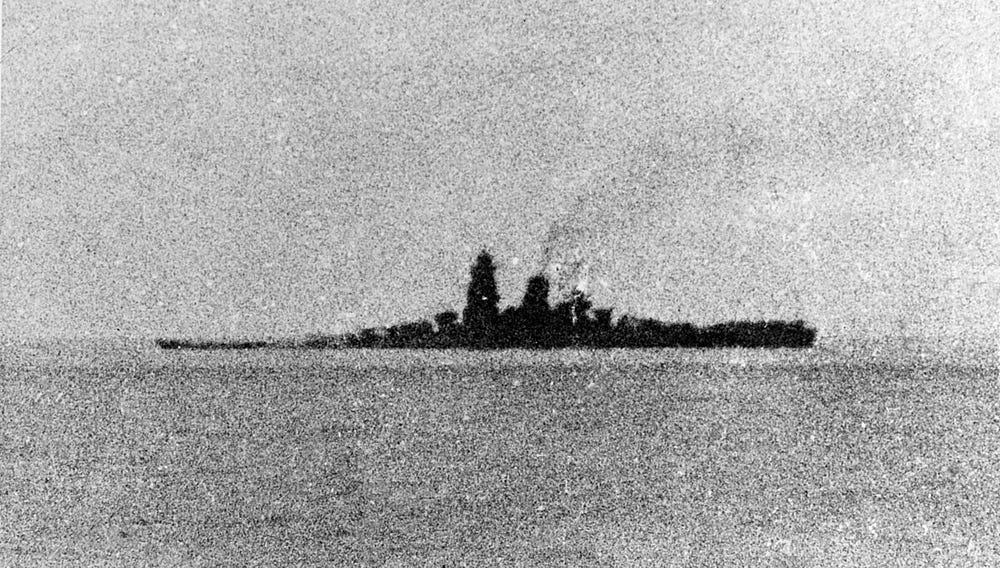
Later, the second Japanese fleet was intercepted by U.S. aircraft off the Surigao Strait. They too were bombed by aircraft before they met the first American task force that included older battleships, which outnumbered the Japanese fleet. During the skirmishes, the Imperial Japanese Navy lost two further battleships, a heavy cruiser, and a couple of destroyers.
October 25
By October 25, the battle had therefore been dominated by the American Navy. The Japanese had lost numerous battleships, heavy cruisers, and destroyers. Numerous other ships had come under fire, but somehow remained afloat during the Allied onslaught. The Americans had lost little more than a submarine, which ran aground after the first skirmishes.
On October 25, the situation was less one-sided as the Imperial Japanese Navy spotted a handful of U.S. carriers off Samar. As such, Japanese battleships closed in on the American Task Group and sank two destroyers, a couple of destroyer escorts, and an escort carrier. Approximately 500 aircraft aided the Americans from their carriers, which sank three Japanese heavy cruisers. Under such circumstances, the Japanese fleet turned away and withdrew from the battle.
The final stages of the Battle of Leyte Gulf would emerge off Cape Engaño. That involved the remaining Japanese fleet and Halsey's Task Force. Both had their own aircraft carriers and launched sorties with them. However, the Americans had far more aircraft than the Japanese, and their thousands of bombers sank one of the few remaining Japanese carriers. A Japanese aircraft carrier and a couple of destroyers were also lost before the Imperial Japanese Navy pulled out of the battle.
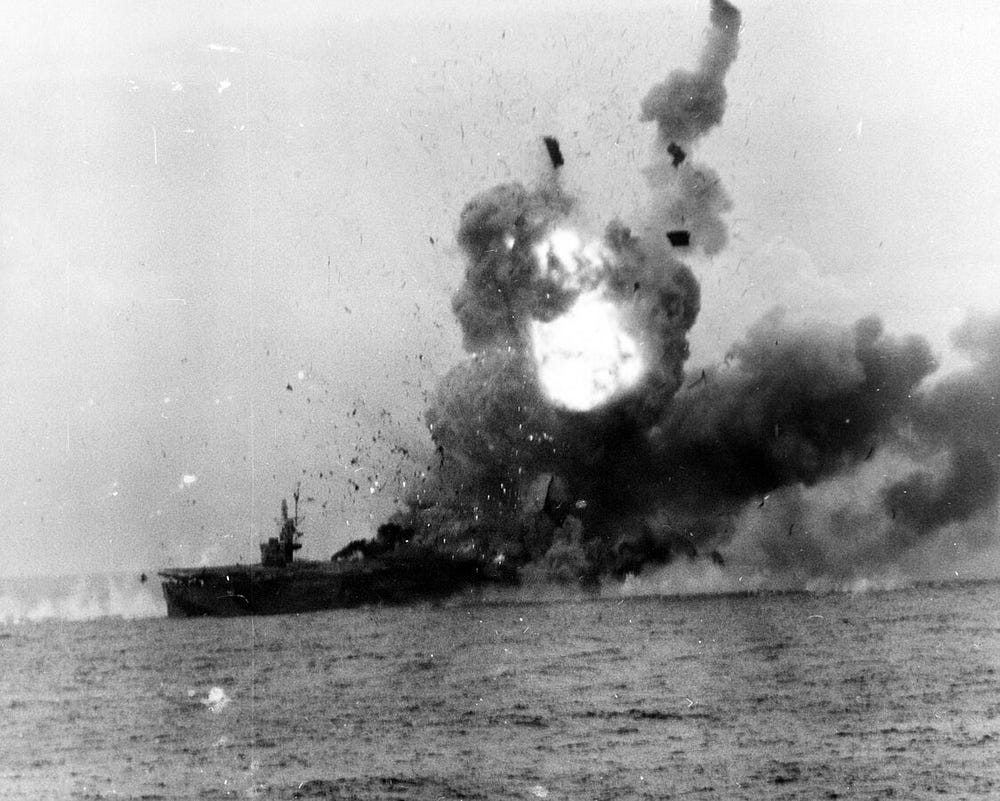
By October 26, the Battle of Leyte Gulf was all but over as the remaining Japanese ships retreated from Leyte. They had lost battleships, an aircraft carrier, destroyers, and heavy cruisers. There was little left of either fleet, or indeed the Imperial Japanese Navy, which ensured little to no naval support for the Japanese home islands, such as Iwo Jima and Okinawa, in 1945. Allied naval superiority in the Pacific was assured after the battle, and Leyte was occupied by Allied soldiers.
Why is the Battle of Leyte Gulf Significant Today?
Today, the MacArthur Leyte Landing Memorial National Park in Palo commemorates MacArthur and the Americans' landing in the Philippines. Many tourists visit that park to see the MacArthur landing statue there. There, historic markers explain the significance of the scene the statues depict.
That park remembers the Leyte landings with regular commemoration rites on October 20. The year 2025 marks the 81st anniversary of the Leyte landings on October 20, which led to the naval battle that followed. However, the Battle of Leyte Gulf naval encounter started on October 23, 1944.
In terms of tonnage and units involved, the Battle of Leyte Gulf was the largest naval encounter in history. It provided some invaluable lessons for joint service cooperation and unified command within the U.S. military. The Americans were fortunate that the Japanese did not capitalize on the encounter off Samar and emerged victorious in a battle that finished off much of what remained of the IJN.
This article of mine was originally submitted to Medium, where you can read it here.
About the Creator
Matthew A
Matthew is the author of Battles of the Pacific War 1941-1945. Battles of the Pacific War is available on Amazon and Lulu in e-book and paperback formats. Check out the book’s blog at battlesofthepacificwar.blogspot.co.uk.
Enjoyed the story? Support the Creator.
Subscribe for free to receive all their stories in your feed.
Comments
There are no comments for this story
Be the first to respond and start the conversation.