
Can Sex Cause Diarrhea? What to Know About Sexually Transmitted Gut Infections
Learn which infections can spread during sex, what symptoms to watch for and when to seek medical care.

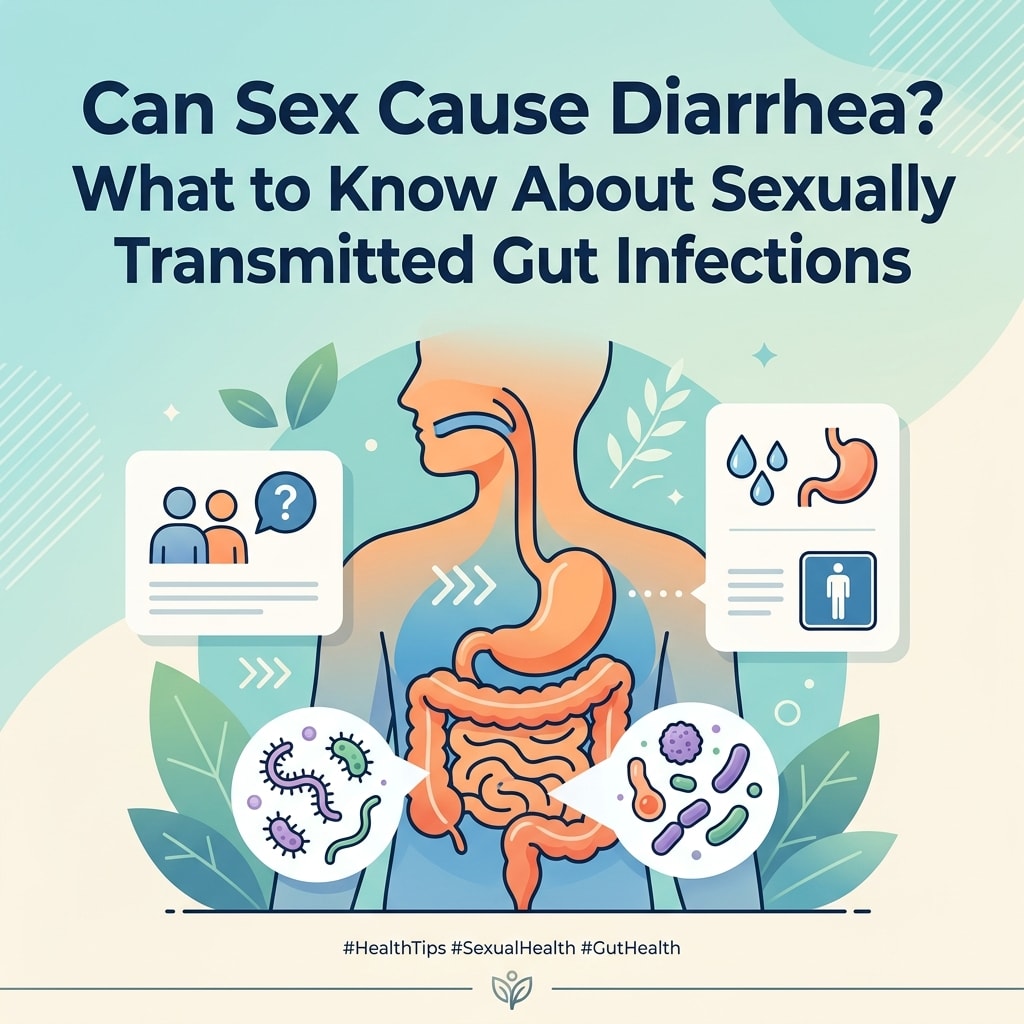
Diarrhea is not a sexually transmitted infection by itself. But some gut infections can spread during sexual activity, especially when germs from stool reach another person’s mouth. Some infections that affect the rectum can also cause cramps, discharge or diarrhea.
Diarrhea after sex does not prove that you have an STI. Food, water, medicines and common stomach bugs can also cause it. A healthcare professional can help find the cause and choose the right tests.
What is a sexually transmitted gut infection?
A sexually transmitted gut infection is an infection that can pass between people during sexual contact and affect the gut or rectum. Some medical sources call these sexually transmitted enteric infections. “Enteric” means related to the intestines.
Shigella is one example. It is a bacterium that causes diarrhea and can spread when tiny traces of stool reach another person’s mouth. This can happen during oral contact with the anus, through unwashed hands or through shared sex toys that have not been cleaned. Giardia and some types of E. coli can also spread through oral contact with the anus. CDC guidance on oral sex and infection risk
Other infections can affect the rectum. Gonorrhea, chlamydia, herpes and syphilis may cause rectal symptoms after sexual exposure. In some cases, inflammation can affect the rectum and nearby bowel. This is called proctocolitis and can cause diarrhea or stomach cramps. CDC STI Treatment Guidelines
Which infections can cause diarrhea after sex?
Shigella is a common example of a gut infection that can spread during sex. It may cause sudden diarrhea, stomach cramps and fever. Some people have bloody diarrhea. A person can pass the bacteria while sick and for a short time after symptoms end.
Giardia is a parasite that can cause loose stools, gas and stomach cramps. It may spread through contact with stool during oral and anal sex. E. coli is a group of bacteria. Some types cause diarrhea and may spread in the same way.
Gonorrhea and chlamydia more often cause infection in the rectum than diarrhea alone. Rectal symptoms can include pain, discharge, bleeding or a feeling of needing to pass stool. When inflammation affects a wider area, diarrhea and cramps may occur too.
These symptoms can overlap with many other illnesses. You cannot identify the cause from symptoms alone, and a gut infection is not always sexually transmitted.
How to tell whether diarrhea may be related to sex
Think about when symptoms began, what kind of contact took place and whether you also have fever, blood in stool, rectal pain or discharge. A healthcare professional can decide which tests are needed.
Note when the diarrhea started and how long it has lasted. Think about recent travel, food, water, antibiotics and contact with anyone who was ill. Also tell your healthcare professional about oral, anal or genital contact that could have exposed you to infection. This helps them choose the right test. It is a normal part of care.
A stool test may help find gut bacteria or parasites. Depending on your symptoms and the type of contact, a clinician may also recommend a rectal swab or tests for other STIs. A urine or genital test may not detect an infection at another site, so explain where the exposure occurred.
Do not use an old prescription or take antibiotics without medical advice. Different infections need different treatment, and some Shigella infections are resistant to certain antibiotics.
How to lower the risk of a sexually transmitted gut infection
Use barriers during oral and anal contact, wash hands and toys, and avoid sex while you or a partner has diarrhea.
Wash your hands before and after sexual activity, especially after touching the anus or a used toy. Clean sex toys after each use and before sharing them. Use a new condom or barrier for each person and each activity. Barriers can lower the chance of contact with stool, but they do not remove every risk.
If you or a partner has diarrhea, pause sexual activity until you know what is causing it. For Shigella, the CDC advises waiting at least two weeks after diarrhea ends before having sex, because germs may still be passed in stool. CDC advice on preventing Shigella during sex
When should you seek medical care?
Contact a healthcare professional if diarrhea lasts more than a few days, keeps returning or follows a possible sexual exposure. Seek care promptly if you have blood in your stool, a high fever, severe stomach pain, rectal pain or discharge.
Get urgent medical help for signs of dehydration, such as very little urine, dizziness, a dry mouth or unusual weakness. Children, older adults and people with a weakened immune system may become unwell more quickly.
Wherever you live, contact a licensed healthcare provider and describe your symptoms and possible exposure. Ask whether you need a stool test, an STI test or both. The right test can help prevent delays and guide treatment.
Is “sexually transmitted diarrhea disease” a medical diagnosis?
No. “Sexually transmitted diarrhea disease” is not the name of one specific illness. Diarrhea is a symptom. It can come from a gut infection that spreads during sex, an STI affecting the rectum or many causes that have nothing to do with sex.
The useful next step is not to guess from a search result. Share your symptoms and recent exposures with a healthcare professional. They can recommend tests based on your situation and explain how to reduce the chance of passing an infection to someone else.
Key takeaway
Sexual contact can spread some infections that cause diarrhea, especially when stool germs reach the mouth. But diarrhea alone does not confirm an STI. Testing is the best way to find the cause. Until you know more, avoid sex while symptoms are present, wash hands and toys well, and seek care for severe or ongoing symptoms.
About the Creator
Salman Ashraf
Social Media Strategist & Content Writer
Enjoyed the story? Support the Creator.
Subscribe for free to receive all their stories in your feed. You could also become a paid subscriber, letting them know you appreciate their work.
Comments
There are no comments for this story
Be the first to respond and start the conversation.