science
Your digital Food Lab; Feast explores the science of food, food production technology, the origin and future of the foods we eat.
How bacteria move from land to sea is revealed by an unexpected discovery.
A new species of bacteria has been identified by Hawaiian scientists from saltwater off the island of Oahu. The discovery suggests a secret pathway that transports terrestrial microorganisms into the ocean.
By Francis Dami12 months ago in Feast
America’s Nuclear Safety on Pause: What the NNSA Furloughs Reveal About the Shutdown’s Hidden Dangers. AI-Generated.
America’s Nuclear Safety on Pause: What the NNSA Furloughs Reveal About the Shutdown’s Hidden Dangers When people think of a government shutdown, they picture closed parks, unpaid workers, and delayed checks. What they don’t picture is nuclear security being put on hold.
By khalid Ali Shahabout a year ago in Feast
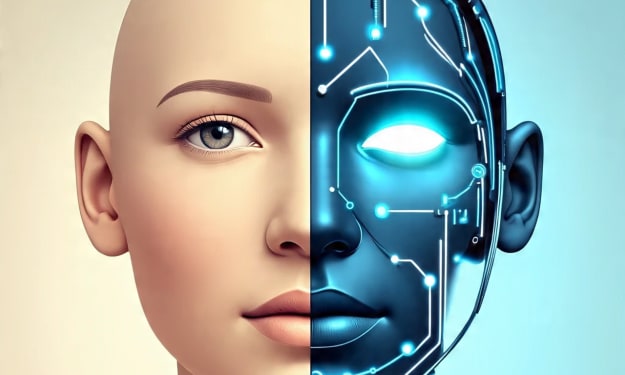
When Your Therapist Is an Algorithm. AI-Generated.
Five years ago, the idea of talking to an app about your feelings sounded strange. Now it’s becoming normal. Artificial intelligence has moved far beyond tech and business—it’s entering one of the most personal parts of our lives: mental health. From chatbots that listen when you can’t sleep to apps that track your stress through your voice, AI is quietly transforming the way we care for our minds. It’s not replacing human therapists, but it’s definitely reshaping what “support” can look like in 2025. AI Is Joining the Conversation Traditional therapy is built on human connection. You sit across from someone, talk through what’s wrong, and slowly unpack your thoughts. But today, not everyone has access to that kind of care. Therapy can be expensive, waiting lists are long, and in many places, mental health is still taboo. AI tools are trying to fill that gap. You can now open an app that checks your mood, offers coping exercises, and even notices patterns in how you type or talk. Some examples: Chat-based therapy bots that guide you through mindfulness or breathing exercises. Early detection apps that analyze your sleep, messages, or tone of voice for signs of anxiety or depression. Personalized wellness plans that adjust recommendations based on your habits and emotional history. It’s not science fiction anymore—it’s everyday life. Why People Are Turning to AI for Mental Health The biggest reason is accessibility. A chatbot doesn’t charge $100 an hour, doesn’t need an appointment, and never gets tired. For many people, that’s life-changing. Then there’s privacy. Some find it easier to open up to an app than to another person. There’s no fear of judgment or awkward silences. And while it might sound strange, AI can sometimes provide structure that humans can’t. It reminds you to take breaks, drink water, or check in on your emotions every day. Those little nudges can build powerful habits over time. But It’s Not All Perfect Let’s be honest—AI isn’t a therapist. It doesn’t understand tone the way humans do. It doesn’t feel empathy. And it can sometimes make wrong assumptions about what you’re going through. There are also privacy concerns. Your emotional data is valuable, and not every company treats it responsibly. It’s worth reading privacy policies carefully before trusting any app with sensitive information. Another risk is over-reliance. AI can support you, but it can’t replace real human care. When you’re deeply struggling—grief, trauma, suicidal thoughts—what you need most is a trained, compassionate person, not a programmed response. The Middle Ground: Humans and AI Working Together
By kashif khanabout a year ago in Feast
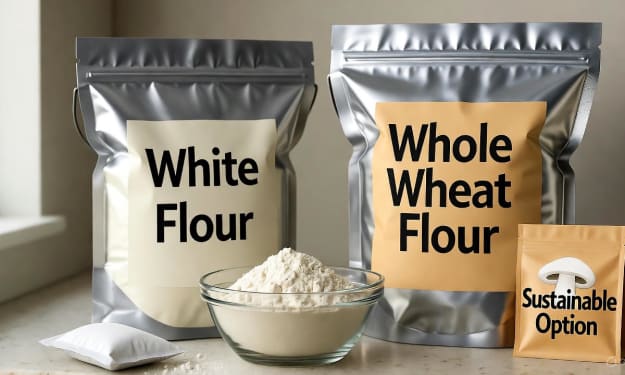
How Long Does Flour Last in Mylar Bags – Safety First
Flour is one of the most essential ingredients in every kitchen, but it doesn’t stay fresh forever. When stored improperly, it can spoil quickly due to moisture, pests, or exposure to air. That’s where Mylar bags come in — a reliable solution for long-term flour storage. These specialized bags block out air, light, and insects, dramatically extending the shelf life of flour compared to regular packaging.
By Cristina Bakerabout a year ago in Feast
Berry Good Living: Why Berries Are the Ultimate Healthy Food in 2025
Berries are nature’s candy—sweet, colorful, and packed with nutrients that support a wide range of health goals. Whether sprinkled over yogurt, blended into smoothies, or eaten fresh by the handful, these little jewels offer a delicious and versatile way to nourish the body. Their appeal goes far beyond taste: they are a nutritional powerhouse, rich in antioxidants, fiber, and essential vitamins. In 2025, as wellness trends continue to emphasize whole foods and plant-based nutrition, berries remain a top-tier healthy food for everyday vitality.
By Total Apex Entertainment & Sportsabout a year ago in Feast
Researchers In 1984 Consumed A 50,000-Year-Old Bison In Stew, And It Had A "Strong Pleistocene Aroma."
Rachael is an expert in animal behaviour, evolution, palaeontology, and the environment. She received her degree in Zoology from the University of Southampton.
By Francis Damiabout a year ago in Feast
Nutrition and Inflammation
Everybody experiences inflammation even when they don't label it as such. It's the puffiness after a weekend of ordering in, the soreness after pulling all-nighters, or the drag of eating more for convenience than for sustenance. It isn't necessarily one major meal that derails many people, but the sum of the smaller decisions made consistently over time.
By Revolution Healthabout a year ago in Feast
The Science of Taste. AI-Generated.
[written by shopaora] There’s something magical about biting into a warm, flaky croissant in a little Parisian café or sipping spicy pho at a street stall in Hanoi. Many travelers share the same sentiment: food just tastes better when you’re abroad. But is it simply wanderlust playing tricks on us, or is there actual science behind this phenomenon? The answer is both fascinating and complex.
By shop a oraabout a year ago in Feast
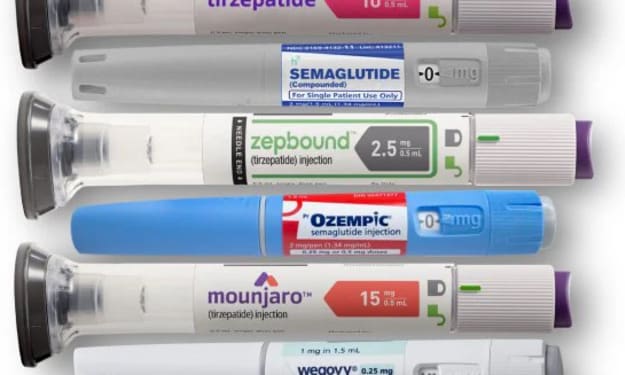
My Favorite "Power" Foods To Eat & Recipe Changes I've Made While On A GLP-1
In late June, I decided to take the plunge and try a GLP-1 medication. It was something I had debated and talked with my doctor about for quite a while, but I was always a bit nervous to give it a shot – no pun intended. I’ve always struggled with my weight and as I started getting older, I noticed that I was experiencing a lot more pain and inflammation than I was comfortable with. I also have Polycystic Ovary Syndrome (PCOS), which my doctor thought was likely contributing to the symptoms I was experiencing, along with consistently gaining weight year after year. It seemed like nothing I tried or did ever made a difference in my pain levels or helped me drop any pounds. After initially having a rather negative experience with Metformin, I made the decision to give it a try.
By Jenika Enochabout a year ago in Feast