how to
Learn how to do anything in the Feast, food, and recipe scope.
Feast or Famine: Understanding the History of Feasting
Feasting is a cultural practice that has been a part of human history for millennia. From ancient civilizations to modern societies, the act of coming together to share food and celebrate has played a significant role in shaping our social structures, traditions, and even our evolution. In this article, we will delve into the history of feasting, exploring its origins, evolution, and cultural significance
By BLESSING COOL 3 years ago in Feast
Around the world in 50 states.
As you’ve probably come to realise us at ViM are over sharers! Community is in our collective hearts and what better way to connect and learn more about the world we inhabit that through food. Sharing cuisine is at the heart of family occasions, traditional celebrations feature in our memories as we grow into our lives and create new ones. A fondness for a grandmother’s dish. A moment of realisation. Love. Food represents us all in one way or another. Across cultures, the power of chicken soup to soothe the soul sums up the concept of togetherness for us; a metaphorical ladle of hope in a world that can be both confusing and chaotic.
By River and Celia in Underland3 years ago in Feast
Around the world in 50 states
Dalle Generated As you’ve probably come to realize us at ViM are over sharers! Community is in our collective hearts and what better way to connect and learn more about the world we inhabit that through food. Sharing cuisine is at the heart of family occasions, traditional celebrations feature in our memories as we grow into our lives and create new ones. A fondness for a grandmother’s dish. A moment of realisation. Love. Food represents us. Across cultures, the power of chicken soup to soothe the soul sums up the concept of togetherness for us. A metaphorical ladle of hope in a world that can be both confusing and chaotic.
By River and Celia in Underland3 years ago in Feast
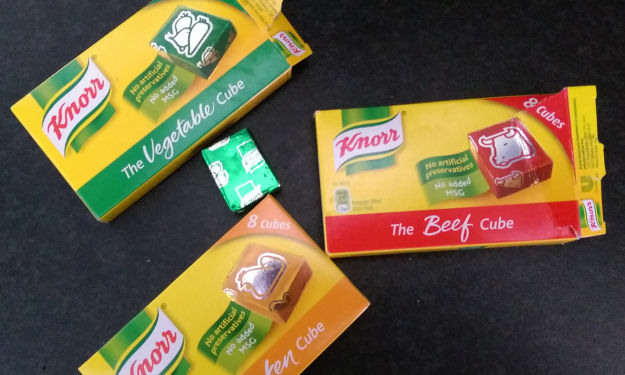
Don't keep stock cubes in your cabinets anymore. Here's what you should use instead.
Over the years, stock cubes have become very common in our kitchens. But this little piece of taste hides a scary truth! On the surface, stock cubes seem to be an excellent spice that may be ideal for improving the flavour of the foods that you prepare. They are used very often. However, there are situations when their makeup is cause for concern. Some of the food additives that they contain include glutamate, and they are sold in supermarkets. Additionally referred to as a "synthetic flavour enhancer," it imparts a characteristic salty flavour to food and is associated with the phenomenon that is often referred to as the "Chinese restaurant syndrome."
By Jacob Damian3 years ago in Feast
Cooking Up Love with These Romantic Dinner Recipes
This article provides a comprehensive guide on cooking romantic dinners for your partner, including recipes, cooking instructions, tips for setting the atmosphere, wine pairing suggestions, dessert ideas, and successful cooking date tips.
By Timothy A Rowland3 years ago in Feast
Living Without a Microwave
If you're reading this, you've probably considered ditching your microwave and you may be a bit intimidated by the thought of losing that convenience. Health concerns are the main reason I've heard other people trying to use microwaves less, but you don't have to be afraid of your food becoming radioactive to enjoy other methods of reheating your food. Are microwaves bad for us? Probably. Was that enough to make me stop using them? Absolutely not. I'm just that picky, I guess.
By UglyYummies3 years ago in Feast
Exploring the Diverse Flavors of Indian Cuisine
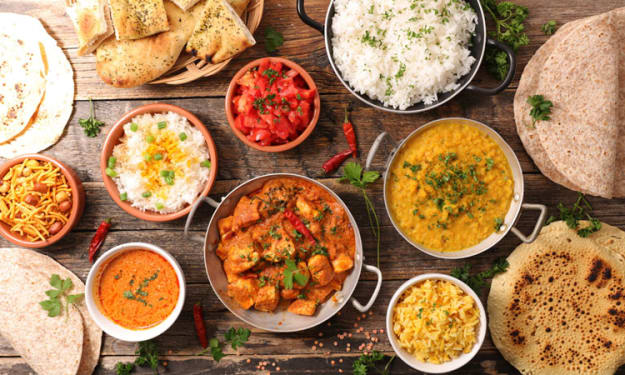
Indian food culture is a vibrant tapestry woven from a myriad of flavors, ingredients, and cooking techniques. It is a reflection of India's rich history, diverse geography, and cultural heritage. From the snowy peaks of the Himalayas to the sun-kissed shores of Kerala, each region boasts its own distinctive culinary traditions, offering a tantalizing array of dishes that delight the senses and nourish the soul. North Indian Delights Let's embark on a culinary journey through the heartland of North India, where the aroma of spices fills the air and hearty meals are a way of life. In Kashmir, nestled amidst majestic mountains, rice reigns supreme, accompanied by flavorful dishes like the iconic Saag made from Hak, a nutritious green leafy vegetable. The cuisine of Kashmir reflects strong Central Asian influences, with dishes like Rogan Josh and Yakhni showcasing the region's rich culinary heritage. Moving further south, the states of Punjab, Haryana, and Uttar Pradesh embrace the humble chapati, a versatile bread made from various flours such as wheat, rice, and besan. Influenced by the opulent Mughal era, these regions boast a rich culinary heritage characterized by succulent kebabs, aromatic biryanis, and creamy gravies. Tandoori delicacies like Chicken Tikka and Seekh Kebabs are popular across North India, tantalizing taste buds with their smoky flavors. Westward Bound Venturing westward, we discover the desert cuisines of Rajasthan and Gujarat, where ingenuity and resourcefulness shine through in every dish. Despite the scarcity of fresh vegetables, these regions boast a vibrant culinary scene, featuring an array of dals (lentil dishes) and achars (pickles) that add zest to every meal. Rajasthan, known for its royal heritage, offers a mouthwatering array of dishes like Dal Baati Churma, Gatte ki Sabzi, and Laal Maas, each bursting with bold flavors and aromatic spices. In Maharashtra, the land of diverse cultures, culinary traditions from both North and South India converge, offering a tantalizing fusion of flavors. Along the bustling coastline of Mumbai, seafood takes center stage, with delectable dishes like Bombay Prawn and Pompfret tantalizing taste buds with their fresh flavors. The street food of Mumbai, including favorites like Vada Pav, Pav Bhaji, and Pani Puri, showcases the city's vibrant culinary culture, attracting food enthusiasts from far and wide. Eastern Charms Heading eastward, we encounter the culinary delights of Bengal and Assam, where rice and fish form the cornerstone of every meal. Bengali cuisine, renowned for its delicate balance of flavors, showcases an array of fish preparations, including the iconic Hilsa cooked in pumpkin leaves for a unique twist. Bamboo shoot, a common ingredient in Assamese cooking, adds a delightful crunch to traditional dishes like Maasor Tenga and Aloo Pitika. No meal in the East is complete without indulging in a selection of sweet treats like Roshogollas and Sandesh, made with love and care using creamy milk as the primary ingredient. The Bengali Rasgulla, soft and spongy, is a perennial favorite, while the Assamese Pitha, made from rice flour and jaggery, is a delightful indulgence during festivals and special occasions. Southern Sensations Our culinary odyssey concludes in the sun-drenched lands of South India, where spices, coconuts, and seafood reign supreme. In Tamil Nadu, the tangy flavor of tamarind infuses dishes with a distinctive sourness, setting them apart from other regional cuisines. The Chettinad region of Tamil Nadu is renowned for its fiery curries and aromatic spices, with dishes like Chicken Chettinad and Prawn Masala tantalizing taste buds with their bold flavors. Andhra Pradesh, known for its fiery cuisine, employs liberal doses of chilies to elevate the taste of its dishes to new heights. The iconic Hyderabadi Biryani, a fragrant rice dish layered with tender meat and aromatic spices, is a testament to the culinary prowess of the region. Andhra cuisine also boasts a rich array of vegetarian dishes, including Gutti Vankaya Kura and Bendakaya Pulusu, each bursting with flavor and nutritional goodness. In Kerala, known as "God's Own Country," the aroma of coconut-infused curries fills the air, while dishes like Idlis, Dosas, and appams showcase the region's rich culinary heritage. The traditional Sadhya, a lavish feast served on banana leaves during special occasions, features a dazzling array of vegetarian dishes like Avial, Thoran, and Erissery. Sweetened coconut milk and rice puttu add a touch of indulgence to every meal, leaving taste buds craving for more. Conclusion In conclusion, Indian food culture is a celebration of diversity, a testament to the country's rich heritage and culinary prowess. From the aromatic biryanis of the North to the fiery curries of the South, each dish tells a story, reflecting the unique flavors and traditions of its region. Whether you're savoring a steaming bowl of dal in Rajasthan or indulging in a plate of spicy seafood in Kerala, every bite is a culinary adventure, inviting you to experience the rich tapestry of flavors that make Indian cuisine truly unforgettable. So, grab a seat at the table and embark on a gastronomic journey through the flavors of India – you won't be disappointed.
By Avhishek Agarwal3 years ago in Feast
Making Sweet Treats
February is designated by the Home Baking Association as Bake For Family Fun Month. Home baking is a booming 78.3 billion dollar industry. 31% of Americans bake once a week, while 24% bake once a month. Home baking is a creative way to gain control over what your family eats. It can also be a way to introduce your family to new flavor combinations without spending big money on pre-made goods. Baking is a proven bonding activity creating many fond memories for your children. Getting into baking may seem like a lot to take in, but it’s simpler than you realize. Baking is a basic science, and here’s how to get started.
By M.L. Lewis3 years ago in Feast