healthy
Living a healthy lifestyle with your food choices. Healthy living is a Feast Media must!
A Guide to Champagne and Dessert Pairings: From Light to Decadent
Pairing champagne with dessert is a delicate dance of sweetness, acidity, and texture—a chance to elevate both the drink and the dish to new heights. From light, airy confections to decadent, rich treats, the right champagne can accentuate flavors, bringing a refined touch to any occasion. Brands like California Champagne Sabers offer a way to add a touch of drama to each toast, with beautifully crafted champagne sabers that turn a simple pour into a striking visual moment.
By CEO A&S Developersabout a year ago in Feast
*"The Hidden Treasure in Every Banana"*
Satar momand art --- Fruits have long been celebrated for their essential vitamins, minerals, and refreshing taste, but there are a few humble heroes among them that often go unnoticed. One such fruit, found in many homes, markets, and lunchboxes across the world, carries within it an impressive list of health benefits that go far beyond its simplicity. Whether eaten raw, blended in a smoothie, or added to your favorite recipes, this fruit can truly transform your health. Let’s explore the wonders of the banana — a simple fruit with thousands of benefits. 1. *Natural Energy Booster* Bananas are rich in carbohydrates, especially natural sugars like glucose, fructose, and sucrose. These sugars provide an instant and sustained energy boost, making bananas a perfect pre- or post-workout snack. Athletes often rely on bananas for this very reason. They're not only easily digestible but also supply quick energy without processed ingredients. 2. *Rich in Essential Nutrients* Bananas are loaded with important nutrients such *Potassium*: This essential mineral helps maintain heart function and blood pressure. One medium banana provides about 12% of your daily potassium needs. - *Vitamin C*: Boosts immunity and fights free radicals. - *Vitamin B6*: Supports brain health and metabolism. - *Magnesium and Manganese*: Important for bone health and enzyme function. These nutrients support overall body functions and contribute to maintaining good health. 3. *Supports Heart Health* Potassium plays a critical role in heart health. A diet rich in potassium and low in sodium helps maintain normal blood pressure and reduces the risk of cardiovascular diseases. Bananas, being naturally high in potassium and low in sodium, support this balance effortlessly. 4. *Aids Digestion* Bananas are a natural source of dietary fiber. One banana contains around 3 grams of fiber. Fiber aids digestion, prevents constipation, and helps regulate blood sugar levels. Bananas also contain a type of fiber called pectin, which improves digestive health and provides a sense of fullness. 5. *Mood and Mental Health Bananas contain tryptophan, an amino acid that the body converts into serotonin — the “feel-good” chemical in the brain. This helps enhance mood, reduce stress, and even combat symptoms of depression. Alongside this, vitamin B6 supports the production of neurotransmitters, aiding in overall mental well-being. 6. *Weight Management* Though naturally sweet, bananas are low in fat and relatively low in calories. The fiber content helps you feel full, reducing the chances of overeating. They make for a perfect snack that satisfies sugar cravings without the negative impact of processed sweets. 7. *Good for Kidney Health* Regular consumption of bananas, especially when eaten in moderation, supports kidney health. Studies show that potassium-rich foods like bananas can help maintain healthy kidney function, especially in people who have normal blood pressure levels. 8. *Improves Skin Health* Bananas are rich in antioxidants and vitamin C, which help reduce skin damage, aging, and inflammation. Many people also use banana peels as a natural remedy for acne and skin hydration. It’s a cost-effective and natural skincare option. 9. *Supports Gut Health* Bananas contain resistant starch, especially when slightly green. This acts as a prebiotic, feeding the beneficial bacteria in the gut. A healthy gut microbiome is essential for digestion, immunity, and overall health. 10. *Helps with Anemia* Bananas contain iron and folate, which support red blood cell production and may help prevent anemia, particularly in women and children. While they may not be a sole solution, they certainly contribute to a well-rounded diet for fighting fatigue and weakness. --- Final Thoughts This ordinary fruit, often overlooked because of its simplicity, proves that nature hides powerful benefits in plain sight. Whether you’re aiming to boost energy, support heart health, improve digestion, or lift your mood — bananas have something to offer. Incorporate one banana into your daily routine and see the difference it makes in your energy, wellness, and overall lifestyle. Sometimes, the most powerful solutions come not in fancy packages, but in the simple gifts from nature we often take for granted---هو، دا ده د هغې جملې اوږده بڼه: *"Bananas are not only a delicious and convenient snack that can be enjoyed by people of all ages, but they are also an excellent source of essential nutrients such as potassium, vitamin B6, vitamin C, fiber, and natural sugars, which contribute to improved digestion, enhanced energy levels, better heart health, and even mood regulation, making bananas one of the most versatile and beneficial fruits available in nature."*
By Satar Momandabout a year ago in Feast
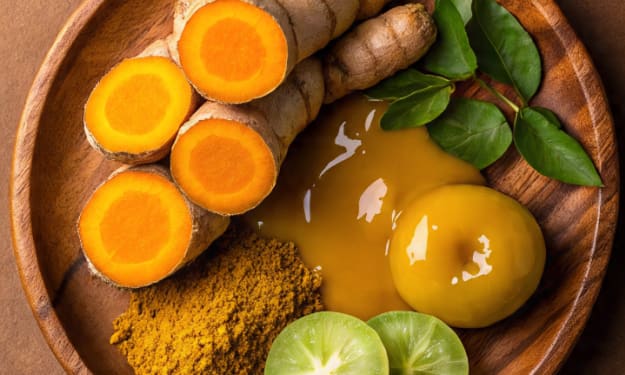
5 Desi Superfoods Your Grandmother Was Right About
In a time when kale, quinoa, and chia seeds dominate health food conversations, we often forget that our grandmothers had already discovered nature’s original superfoods — long before "organic" or "clean eating" became trends. These traditional desi ingredients, deeply rooted in South Asian kitchens, were not only delicious but also packed with medicinal properties.
By Muhib Ullah about a year ago in Feast
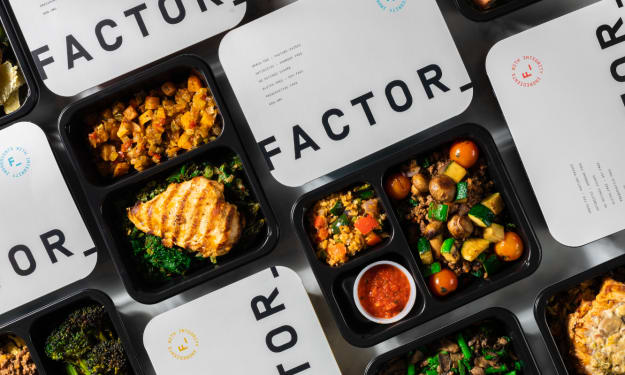
Is It Worth It? An Honest Review of Factor Meals
In the post-COVID era, a lot of people have adjusted to a new normal of home delivery. While delivery used to just be takeout Chinese food and pizza, home delivery now can be any fast or restaurant food, groceries, and even meal kits. I must admit, I have fallen victim to the delivery services and they do bring a lot of convenience. One convenience I recently tried was Factor75 prepared meals.
By Jenika Enochabout a year ago in Feast
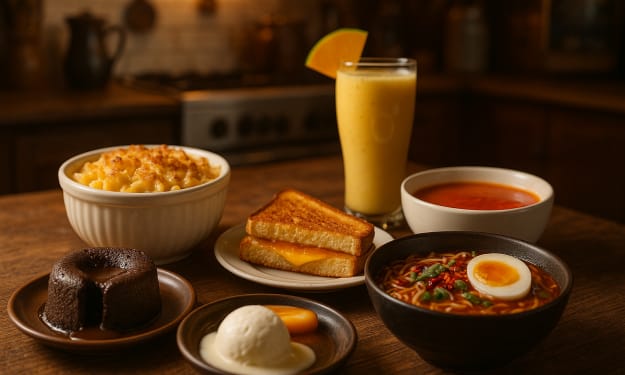
Thriving in the Foody Era: A Practical Guide to Maintaining Health. AI-Generated.
Introduction In today’s "foody era," where food is everywhere from social media to doorstep deliveries maintaining good health can feel like swimming against the current. While food culture has become more diverse and exciting, it also comes with challenges: overconsumption, unhealthy ingredients, and sedentary habits. However, with conscious choices and sustainable routines, you can maintain your health without sacrificing your love for food. 1. Balance Over Restriction According to a 2016 study published in the journal 'Appetite', people who follow restrictive diets often end up binge-eating and have higher levels of food-related guilt. Being too strict with your food intake can actually backfire. A more effective approach is balance: allow yourself occasional treats while maintaining a nutritious overall diet. If you enjoy a high-calorie meal, offset it with lighter meals or more physical activity the next day. This approach promotes long-term success rather than short-term frustration. 2. Mindful Eating Research from Harvard Health and the Journal of Obesity Reviews suggests that mindful eating is linked to reduced overeating, improved digestion, and better weight management. Mindful eating means being fully present during meals no distractions, slower bites, and full awareness of taste and hunger cues. This practice helps prevent overeating and encourages a healthy relationship with food. Before eating, ask yourself if you're truly hungry or just reacting to stress, boredom, or social cues. 3. Cook at Home When You Can A study published in 'Public Health Nutrition' found that people who frequently cook at home consume fewer calories, sugar, and fat compared to those who often eat out. Preparing meals at home gives you control over what goes on your plate. You can reduce oil, salt, and sugar, and choose fresh ingredients. Even basic meals cooked at home are usually healthier than fast food or restaurant dishes. Plus, cooking can become a relaxing and rewarding part of your daily routine. 4. Get Moving According to the World Health Organization (WHO), physical inactivity is the fourth leading risk factor for global mortality. Regular movement reduces the risk of chronic diseases. Exercise doesn’t have to mean going to the gym. Walking, dancing, cycling, and even household chores all count. Regular movement supports digestion, boosts energy, and helps maintain a healthy weight. Aim for at least 30 minutes of moderate activity most days of the week. 5. Hydrate Often A 2016 study in the 'Annals of Family Medicine' concluded that staying hydrated is associated with better body weight regulation and reduced calorie consumption. Drinking water is one of the simplest and most overlooked health habits. It supports digestion, flushes out toxins, and can even help prevent overeating since thirst is often mistaken for hunger. Aim for 6–8 glasses daily, and opt for water over sugary drinks whenever possible. 6. Portion Control The American Journal of Clinical Nutrition highlights that larger portion sizes directly contribute to increased calorie intake, often unknowingly. Restaurants often serve portions far larger than necessary. At home, it’s easy to keep adding “just one more spoon.” Try using smaller plates, reading food labels, and serving appropriate portions. Listening to your body's fullness signals can help prevent accidental overeating. 7. Sleep and Stress Matter Studies from the "Journal of Clinical Endocrinology & Metabolism" show that poor sleep and high stress levels are linked to increased appetite and cravings for unhealthy foods. Lack of sleep and chronic stress disrupt hormones that regulate hunger. You might find yourself craving high-sugar or high-fat foods when you're tired or anxious. Prioritize 7–8 hours of sleep per night and manage stress through breathing exercises, nature walks, or simple hobbies. 8. Stay Informed Without Obsessing A 2020 review in "Nutrients" warns that fad diets and misinformation can lead to nutritional imbalances and long-term health issues. The internet is full of contradictory advice. While staying informed is good, it's important not to fall for unrealistic promises. Focus on creating long-term, sustainable eating habits. Choose whole foods most of the time, and enjoy treats occasionally without guilt or obsession. Conclusion Health in the foody era isn’t about denial it’s about balance, awareness, and smart choices. With mindful eating, regular movement, proper hydration, enough rest, and a relaxed approach to food, you can enjoy all that the food world has to offer without compromising your well-being. Food is a joy, and health is the foundation that lets you enjoy it for life.
By Shehzad Ahmadabout a year ago in Feast
Want Better Workout Results? Match Your Exercise to Your Personality, Study Suggests
Struggling to stick with your fitness routine? According to a new study, the problem might not be your lack of discipline—it could be that you’re doing the wrong kind of workout for your personality.
By Ramsha Riazabout a year ago in Feast
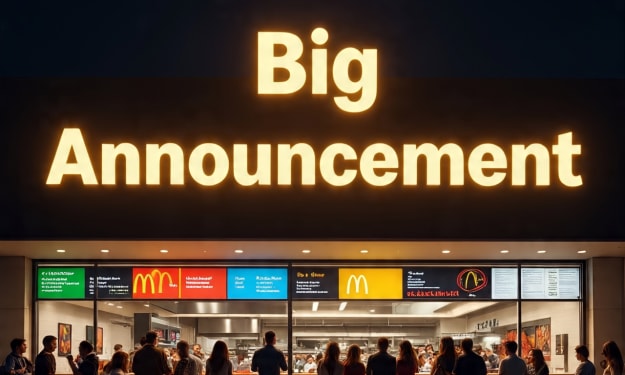
🍔 McDonald’s Big Surprise: What’s Really Behind the Viral Announcement?
🍟 McDonald’s Big Announcement: What’s Really Going On? For over eight decades, McDonald’s has been more than just a fast-food giant—it’s been a cultural icon. But when the company announced a “game-changing” update to its global menu and branding strategy, the internet went into a frenzy. From Twitter to TikTok, users speculated everything from secret sauces to robot chefs. So what’s really happening behind this viral announcement? Let’s break it down—and explore why this could reshape the future of fast food. --- 🛑 What Exactly Did McDonald's Announce? On July 8, McDonald’s released a teaser video across its global social media accounts with just one phrase: > “Something BIG is coming. July 15th.” That’s it. The cryptic nature of the message sparked massive speculation—especially after insiders hinted at: A global menu revamp The launch of AI-powered drive-thrus A limited-time secret menu collaboration with a major celebrity (rumors say it could be Taylor Swift or BTS) Some franchisees in the U.S. and UK have already begun soft-launching a few of the rumored menu items, which include spicy McNuggets 2.0, plant-based McChickens, and new sauces exclusive to global regions. --- 📈 Why Is This So Viral? There are a few key reasons why this announcement hit viral status: 1. McDonald’s Is a Global Brand With over 40,000 restaurants in more than 100 countries, any change—even a small one—gets global attention. 2. The Timing This comes just ahead of the Summer Olympics 2025, which McDonald's is sponsoring. It’s likely a strategic attempt to dominate the global food conversation during one of the biggest sporting events in the world. 3. Mystery Marketing Works Much like Apple’s “one more thing…” marketing trick, McDonald’s built hype by saying less, not more. --- 🔍 What Could It Mean for Fast Food? If the rumors are true, this could set new standards in the fast food industry: ✅ AI Drive-Thrus Using ChatGPT-like AI to personalize orders, speed up service, and even suggest upsells based on your order history. ✅ Sustainable Menu Options An expansion of Beyond Meat or McPlant offerings globally could reshape the burger wars—especially with Gen Z favoring plant-based diets. ✅ Celebrity Collaborations As seen with Travis Scott’s meal or BTS collaborations, these can drive massive revenue. Expect new names and new packaging. --- 🌍 Global vs. Local Menus What’s fascinating is how McDonald's uses localization. In India, for example, you’ll find the McAloo Tikki, while in Japan, the Teriyaki Burger is king. This announcement might bring global limited-edition fusions, like: Mexican-style McNuggets with chipotle ranch Italian truffle fries Korean spicy chicken burgers This kind of fusion could turn a regular burger stop into a cultural tasting experience. --- 💬 Reactions from the Public People are divided: > “They better not mess with the classics.” — @BurgerDad99 on Twitter > “If McDonald’s starts using AI, that’s it—I’m going every day just to see how it works.” — @TechieEats > “McDonald’s just posted a teaser and I already know I’ll be spending $25 next week.” — TikTok user @mcfanatic --- 💡 What Should You Watch For? If you’re a fan (or even if you’re not), keep an eye out for: App updates or new in-app rewards Limited-time menu rollouts in your country Regional collaborations or exclusive launches PR interviews on July 15th, which might include executive statements about the future --- 📢 Final Thoughts: Is This a PR Stunt or a Real Game Changer? Whether it’s a brilliant marketing move or a real operational overhaul, one thing is certain: > McDonald’s still knows how to dominate the conversation. 🧠 The Psychology Behind McDonald's Hype McDonald's isn't just selling burgers—it's selling anticipation. This latest announcement is a masterclass in emotional marketing. By revealing very little, they allow the public to fill in the blanks with their own hopes, expectations, and wild theories. That engagement, that curiosity, is what makes a campaign go viral in the modern digital age. Brands today must compete not just for attention, but for mental real estate. McDonald's, with its minimalist teaser, dominated social media timelines across the globe—without even revealing the product yet. People tweeted, posted TikToks, and speculated on Reddit threads. They made free content for McDonald's just by being curious. Even competitors like Wendy’s and Burger King subtly referenced the announcement, which only added to its visibility. It’s no longer about who makes the best burger—it’s about who tells the most irresistible story. So whether you love or hate McDonald's, their viral playbook is worth studying—for entrepreneurs, marketers, and trend-watchers alike. By mixing nostalgia, innovation, and secrecy, they’ve created one of the most talked-about announcements of 2025. And whatever is coming next—we’re all watching (and maybe already salivating).
By Abid Ali Khanabout a year ago in Feast
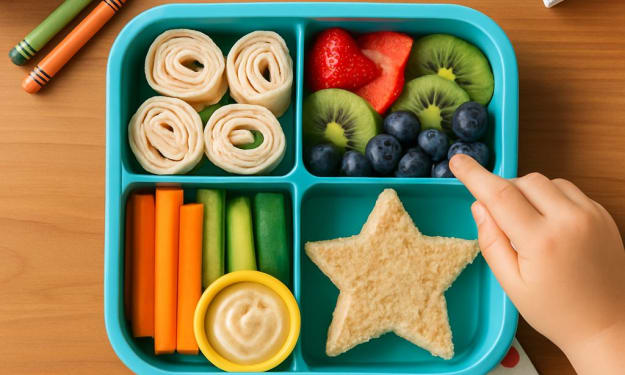
Lunchbox Magic: A Parent’s Ultimate Guide to Healthy & Fun Packed Meals for Kids
Packing your child’s lunch every day can feel like a routine chore—but it doesn't have to be! A well-balanced, colorful lunchbox not only fuels your child’s body and mind but also teaches healthy habits that can last a lifetime. With a bit of planning and creativity, you can turn lunchtime into one of the best parts of your child's day.
By Dorking Wavesabout a year ago in Feast
30+ Coupon-free Ways to Save on Grocery Delivery
If you dread grocery shopping every week, it's easier than ever to skip the chain stores and order healthy, discounted food from online retailers. Here, I've compiled all the ongoing deals and freebies that I could find for Hungryroot, Misfits Market, Imperfect Foods, Thrive Market, Girl & Dug Farm and Martie.
By Kaitlin Shanksabout a year ago in Feast
The Hidden Dangers of Plastic Lunch Boxes for Children
The Hidden Dangers of Plastic Lunch Boxes for Children: A Call for Healthier Alternatives In recent years, the use of plastic lunch boxes, aluminum foil, and plastic wrap has become a common practice among parents preparing meals for their school-going children. Mothers often pack food items, such as parathas, in plastic containers or wrap them in aluminum foil or plastic wrap for convenience. However, experts are raising serious concerns about the potential health risks associated with these materials. While they may seem practical, plastic lunch boxes and similar packaging can pose significant threats to children’s health, potentially disrupting their hormonal balance and depriving their bodies of essential nutrients. This article explores the dangers of plastic and aluminum in food storage and highlights why switching to safer alternatives, such as stainless steel, is critical for safeguarding children’s health.
By Muhib Ullah about a year ago in Feast