healthy
Living a healthy lifestyle with your food choices. Healthy living is a Feast Media must!
Long John Silver's crumbs: The pros and cons of the free side dish
Crumbs, crumblies, crispies, fish pops At Long John Silver’s, the “crumbs” (sometimes called crumblies or crispies) are the small, crunchy, fried batter bits that break off the fish, chicken, or shrimp while they’re cooking in the fryer. According to Reddit, some people call them fish pops. Over time, crumbs became so popular that the seafood chain began giving them away free as a side item or garnish, by request.
By Cheryl E Prestonabout a year ago in Feast
Understanding Blood Sugar: What It Is and Why It Matters
Blood sugar, also known as blood glucose, is one of the most important elements of human health. It refers to the amount of glucose present in the bloodstream. Glucose is a type of sugar that serves as the body’s main source of energy. It comes from the food we eat—particularly carbohydrates—and is essential for fueling the brain, muscles, and other vital organs. How Blood Sugar Works When we eat food containing carbohydrates, such as bread, rice, fruit, or sweets, our digestive system breaks it down into glucose. This glucose is then absorbed into the bloodstream, where it can be transported to cells throughout the body. However, for glucose to enter cells and be used as energy, the body needs a hormone called insulin, which is produced by the pancreas. Insulin acts like a key that "unlocks" cells so that glucose can enter. After a meal, blood sugar levels rise, signaling the pancreas to release insulin. Once glucose enters the cells and is either used for energy or stored for later use, blood sugar levels gradually decrease to a normal range. Normal Blood Sugar Levels Blood sugar levels fluctuate throughout the day depending on what and when you eat, how much you exercise, and even how much stress you're under. However, there are standard measurements for what is considered a normal blood sugar range: Fasting blood sugar (before eating): 70 to 99 mg/dL After eating (postprandial): Less than 140 mg/dL (1–2 hours after meals) Hemoglobin A1c (average over 3 months): Below 5.7% When blood sugar levels fall outside of these ranges—either too high or too low—it can lead to health issues. High Blood Sugar: Hyperglycemia High blood sugar, or hyperglycemia, occurs when there is too much glucose in the blood. This can happen if the body doesn’t produce enough insulin (as in type 1 diabetes) or if the body becomes resistant to insulin (as in type 2 diabetes). Other causes can include stress, illness, medications, or poor dietary choices. Common symptoms of high blood sugar include: Frequent urination Increased thirst Fatigue Blurred vision Headaches If high blood sugar persists for a long time, it can damage organs and lead to complications such as heart disease, nerve damage, kidney failure, and vision loss. Low Blood Sugar: Hypoglycemia Low blood sugar, or hypoglycemia, happens when glucose levels drop too low—generally below 70 mg/dL. This can be dangerous, especially for people with diabetes who are taking insulin or certain medications. Symptoms of low blood sugar include: Shakiness Sweating Rapid heartbeat Dizziness Irritability Confusion Fainting in severe cases To quickly raise blood sugar, a person can consume fast-acting carbohydrates like juice, glucose tablets, or candy. Managing Blood Sugar Maintaining stable blood sugar levels is important for everyone, not just people with diabetes. Stable levels support sustained energy, mood stability, and long-term health. Here are some key strategies for managing blood sugar: 1. Healthy Eating Choosing foods with a low glycemic index (GI) can help prevent spikes in blood sugar. These include whole grains, legumes, leafy vegetables, and most fruits. Avoiding sugary drinks, processed foods, and refined carbs is also important. 2. Regular Exercise Physical activity helps the body use glucose more effectively. It improves insulin sensitivity and helps lower blood sugar levels naturally. Even a 30-minute walk can make a difference. 3. Monitoring Blood Sugar People with diabetes often use a glucometer or continuous glucose monitor (CGM) to track their levels throughout the day. Even those without diabetes may benefit from understanding how their body responds to different foods and activities. 4. Medication and Insulin For those with diabetes, medications or insulin therapy may be necessary to manage blood sugar. These should be taken exactly as prescribed by a healthcare provider. 5. Stress Management Chronic stress can raise blood sugar levels due to the release of stress hormones like cortisol. Techniques like meditation, deep breathing, and regular sleep can help maintain hormonal balance. The Bottom Line Blood sugar plays a central role in health and energy production. While our bodies are designed to regulate it automatically, lifestyle factors can have a significant impact. Understanding how blood sugar works and taking steps to manage it—through diet, exercise, and healthy habits—can prevent serious health problems and promote long-term well-being. If you have concerns about your blood sugar or symptoms of diabetes, it's important to consult with a healthcare professional for proper testing and guidance.
By Israr khanabout a year ago in Feast
Why Carrots Are Different Colors & Fun Facts
Most people know that the carrot is a root vegetable that is usually orange in grocery stores and at farmers' markets. What some people might not know is that carrots can be other colors, as well. They can be white, yellow, red, magenta, and purple.
By Margaret Minnicksabout a year ago in Feast
A Taste of London…simply fantastic!
HA Taste of London…simply fantastic! There is a show on Recipe.TV called “A Taste of London” hosted by Chef Edward Delling- Williams. It is as the title of the show says the food of London and culture. Being a native of London Edward Delling-Williams on the subject of London and the food. I love to watch a taste of London anytime it’s on. I would even watch reruns of it even if I’ve seen the episode before because it’s so enjoyable. I also like Edward Delling- Williams. He’s a personal host of the show one of my favorite cooking show personalities.
By Rikki La Rouge about a year ago in Feast
6 Tips to Pick the Right Indian Food Catering Services in New York City
In the Empire City, New Yorkers are obsessed with Indian food. Due to the diverse population of NYC and growing appetite for Indian cuisines, people and businesses are hiring Indian food catering services for their events. Whether it's a birthday party, wedding anniversary, corporate event, fundraiser, or social gathering, you can see stalls of Indian food (like Samosas, Masala Dosas, Pav Bhaji, Tikki, Chole Bhature, Dhokala, Medu Vada, Idli, Plain Uttappam, Paneer Tikka, Navratan Korma etc..) everywhere. If you are also thinking of using Indian food catering services for yourself in New York, then don’t worry. Read the following tips to find the right caterer and make your celebration special.
By Falgun Shahabout a year ago in Feast
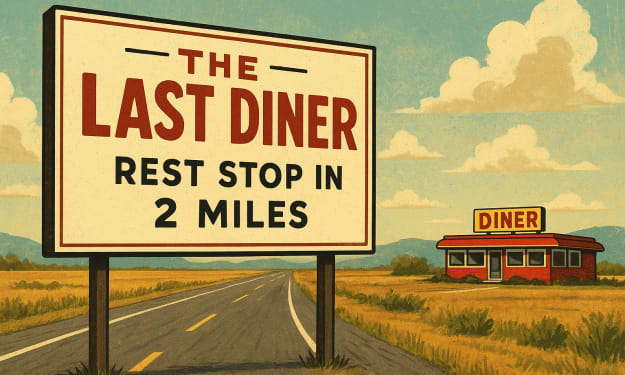
The Last Diner
I glanced at my phone's navigation, grateful for the heads-up. I'd been driving for six hours straight, and my back was screaming for a break. The coffee I'd grabbed at that truck stop near Denver had long since worn off, leaving me with that familiar highway hypnosis that comes from staring at endless asphalt.
By Javid khanabout a year ago in Feast