
Mik
Nutrition, Controversy, and the Future of Dairy

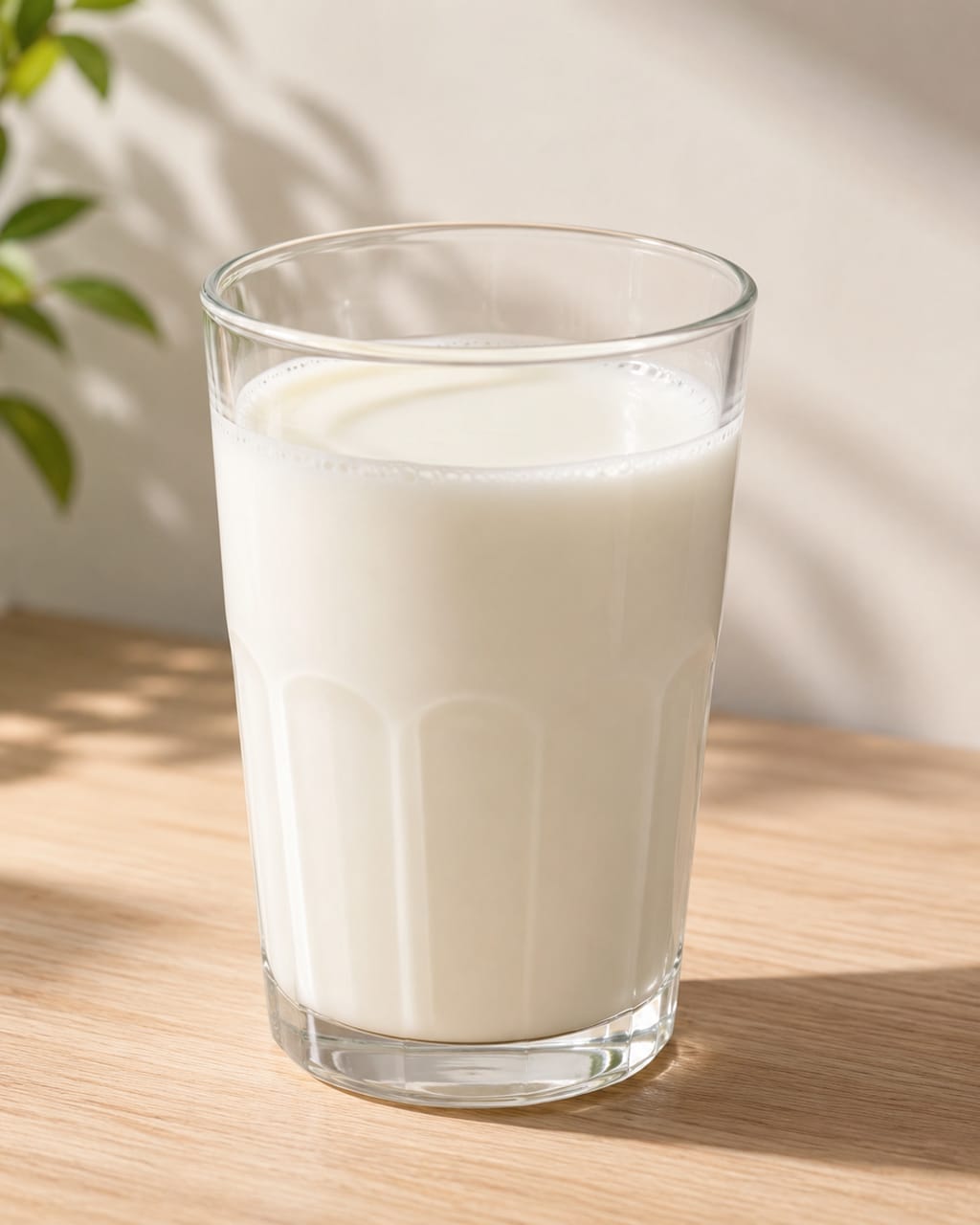
Over the past decade, milk has become one of the most debated foods in modern nutrition. Some people consider it an essential part of a healthy diet, praising its high calcium content and its role in supporting strong bones and growth. Others argue that milk may contribute to cancer, heart disease, digestive problems, or even a shorter lifespan. With such conflicting opinions, an important question remains: is milk actually healthy, and why do humans continue drinking it long after childhood?
From a biological perspective, milk is one of nature’s most complete foods. Every mammal begins life by consuming milk because newborn digestive systems are still immature and unable to process complex foods. Milk provides an ideal combination of fat, sugar, vitamins, minerals, and proteins necessary for rapid growth and development. Human breast milk, for example, also contains antibodies and immune-supporting compounds that help protect infants from infections during the earliest stages of life.
However, in nature, mammals eventually stop drinking milk. As they grow older, they transition to solid food and lose the need for milk as a primary source of nutrition. For most of human history, this was also true for people. That changed around 11,000 years ago during the agricultural revolution.
As humans began settling into farming communities, they domesticated animals such as cows, goats, and sheep. These animals could transform grass and plants — materials humans could not digest — into nutrient-rich food. In difficult times, milk became an important survival resource. Communities that had access to dairy products often had a nutritional advantage over those that did not.
Over generations, this created evolutionary pressure that changed human biology. The key factor involved an enzyme called lactase, which helps digest lactose, the natural sugar found in milk. Babies naturally produce large amounts of lactase to digest breast milk, but in most people, lactase production decreases after childhood. Today, approximately 65% of the global population is lactose intolerant to some degree, meaning they struggle to digest large amounts of milk.
Interestingly, lactose intolerance is not evenly distributed across the world. In many East Asian populations, lactose intolerance rates can reach 90%, while Northern European populations have some of the lowest rates globally. Scientists believe this pattern developed through natural selection. In regions where dairy farming became common, people who could digest milk had better access to calories and nutrients, increasing their chances of survival and reproduction. Over time, the ability to tolerate lactose spread through those populations.
Despite milk’s long history as a valuable food source, controversy surrounding its health effects continues today.
One of the biggest concerns involves cancer risk. Some older studies suggested a connection between high milk consumption and cancers such as breast, colon, or prostate cancer. However, more recent large-scale meta-analyses have found little evidence that moderate milk consumption significantly increases cancer risk. In fact, calcium intake may even help reduce the risk of colorectal cancer, although it is unclear whether milk itself is directly responsible for this protective effect.
The only area where some concern remains is prostate cancer. A few studies have observed a slightly increased risk among people consuming very high amounts of milk — often more than one liter per day. Still, results remain inconsistent, and many studies fail to find a strong association.
Overall, current research suggests that moderate milk consumption — roughly one to two glasses per day — is unlikely to pose major cancer risks for most healthy individuals.
Similar conclusions apply to cardiovascular disease. Large studies have not found convincing evidence that milk or dairy products increase the risk of heart disease, stroke, or overall mortality. Some research even suggests dairy consumption may be linked to lower blood pressure, although the evidence is not yet strong enough to make definitive claims.
The relationship between milk and bone health is more complicated. Milk contains calcium, phosphorus, and protein, all important nutrients for bone development, especially in children. However, studies on adults have produced mixed results. While milk certainly contributes to nutrient intake, researchers have not consistently found that drinking more milk significantly reduces fractures or osteoporosis later in life.
Another common concern involves hormones, antibiotics, and pesticides found in dairy products. In reality, the hormone levels naturally present in milk are extremely low. To consume the equivalent hormone content of a single birth control pill, a person would need to drink thousands of liters of milk. In addition, most hormones are broken down during digestion before they can affect the body.
As for antibiotics and pesticides, strict food safety regulations in many countries ensure that milk sold to consumers remains within safe limits. Products exceeding these standards are not allowed onto the market.
That said, milk can still cause genuine problems for some individuals. Lactose intolerance remains extremely common worldwide, often leading to bloating, stomach discomfort, or digestive issues after consuming dairy products. Milk allergies, particularly among children, are also relatively widespread, although many children outgrow them with age.
Acne is another frequently discussed issue. Some studies suggest that skim milk consumption may slightly increase acne rates, especially among teenagers. While the exact mechanisms are not fully understood, the connection appears real enough to warrant further research.
Nutritionally, milk remains a highly dense source of important nutrients. It contains high-quality protein, calcium, vitamin B12, potassium, and several essential B vitamins. In regions where malnutrition is still a major problem, milk can play a critical role in improving public health and reducing child mortality.
At the same time, it is important to recognize that milk is not biologically necessary for a healthy diet. People can obtain the same nutrients from other foods if their diet is carefully balanced. Milk is a useful food, not a mandatory one.
Another important factor is calorie intake. Milk is often perceived as a simple beverage, but nutritionally, it functions more like a calorie-rich food. Regularly consuming large amounts of milk — especially flavored or sweetened products such as chocolate milk — can contribute to weight gain and obesity.
Beyond human health, the dairy industry also raises significant environmental and ethical concerns. Dairy farming requires enormous amounts of land, water, and feed. Livestock agriculture contributes heavily to greenhouse gas emissions, making dairy production a major factor in climate change.
Animal welfare is another controversial issue. In industrial farming systems, dairy cows are repeatedly impregnated, separated from their calves shortly after birth, and eventually slaughtered once milk production declines. For many people, these practices raise serious ethical questions about the true cost of dairy consumption.
As a result, plant-based milk alternatives have grown rapidly in popularity. Among them, soy milk comes closest to cow’s milk in terms of protein content and nutritional value. Other alternatives, such as oat, almond, or rice milk, often require fortification with calcium and vitamins to match dairy’s nutritional profile.
Meanwhile, food technology companies are developing laboratory-produced milk using genetically modified microorganisms through fermentation. These products aim to recreate the proteins found in traditional dairy without relying on animal farming. Unlike many plant-based options, this technology may even allow the production of cheese and other dairy products with nearly identical taste and texture to conventional milk.
In the end, milk is neither a miracle food nor a poison. For most people, moderate milk consumption is safe and nutritionally beneficial. At the same time, the environmental impact and ethical concerns surrounding industrial dairy production cannot be ignored.
The real issue is not whether milk is entirely “good” or “bad,” but how society chooses to balance nutrition, sustainability, animal welfare, and personal health. Like many complex topics in modern life, the answer lies not in extremes, but in informed and thoughtful choices.
About the Creator
NGUYEN NGOC TRUNG
Daily Thoughts & Stories
Enjoyed the story? Support the Creator.
Subscribe for free to receive all their stories in your feed.
Comments
There are no comments for this story
Be the first to respond and start the conversation.