
Is Almond Butter Good for Health? Benefits, Nutrition, and How to Use It Right
Wondering if almond is right for your health? Read this till the end!
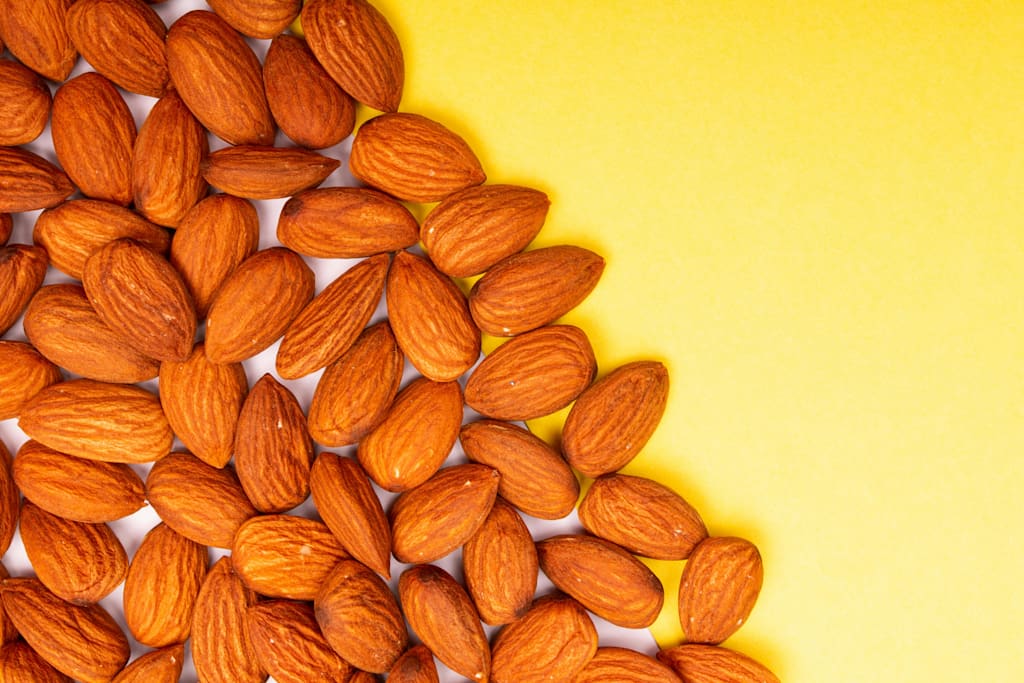
Almond butter has become a popular alternative to traditional spreads, especially among people looking for healthier, plant-based options. The real question, though, is whether almond butter is healthy. The short answer is yes. When consumed in moderation, almond butter can be a highly nutritious addition to your diet.
Let’s take a closer look at what makes almond butter a smart choice and how you can include it in your daily routine.
What Is Almond Butter?
Almond butter is a creamy spread made from ground almonds. It has a rich, slightly sweet taste and a smooth or crunchy texture depending on how it’s prepared.
When compared to many processed spreads, natural almond butter has fewer ingredients, usually just almonds, so it is a healthier choice.
Nutritional Value of Almond Butter
Almond butter is packed with essential nutrients that support overall health. A typical serving (about 1–2 tablespoons) contains:
- Healthy monounsaturated fats
- Plant-based protein
- Dietary fiber
- Vitamin E (a powerful antioxidant)
- Magnesium for muscle and nerve function
- Calcium for bone health
This combination makes almond butter a nutrient-dense food that delivers both energy and long-term health benefits.
Health Benefits of Almond Butter
Here are some of the health benefits of almond butter:
1. Supports Heart Health
Almond butter is rich in healthy fats that help reduce bad cholesterol (LDL) while maintaining good cholesterol (HDL). This balance is important for reducing the risk of heart disease.
Vitamin E and magnesium further support cardiovascular health by improving blood circulation and reducing inflammation.
2. Helps with Weight Management
Despite being calorie-dense, almond butter can actually support weight management. The combination of protein, fiber, and healthy fats helps you feel full for longer, reducing unnecessary snacking.
When eaten in controlled portions, it can be a satisfying addition to a balanced diet.
3. Boosts Energy Levels
Almond butter provides a steady source of energy thanks to its healthy fat and protein content. Unlike sugary snacks that cause energy crashes, it releases energy slowly, helping you stay active throughout the day.
It’s a great option for pre-workout or mid-day snacks.
4. Improves Skin Health
One of the standout nutrients in almond butter is vitamin E, which is known for its skin benefits. It helps protect the skin from damage, supports hydration, and may reduce signs of aging.
Regular consumption can contribute to healthier, glowing skin over time.
5. Supports Muscle Growth and Recovery
For people who exercise regularly, almond butter can be a valuable addition. The protein content helps repair muscle tissue, while magnesium supports muscle function and reduces cramps.
It’s especially useful when paired with other protein sources in post-workout meals.
6. Helps Regulate Blood Sugar Levels
Almond butter has a low glycemic impact, meaning it does not cause rapid spikes in blood sugar levels. The healthy fats and fiber slow down sugar absorption, making it a good option for people managing blood sugar.
Almond Butter vs Peanut Butter: Which Is Better?
Both almond butter and peanut butter have their benefits, but almond butter has a slight nutritional edge.
Almond butter typically contains more vitamin E, magnesium, and calcium
It often has fewer additives when bought in natural form
Peanut butter, however, is usually more affordable and slightly higher in protein
Ultimately, the better choice depends on your dietary goals, but almond butter is often considered the more nutrient-rich option.
How to Eat Almond Butter
Adding almond butter to your diet is easy and versatile. Here are some simple ways:
- Spread it on whole-grain toast
- Add it to smoothies for a creamy texture
- Mix it into oatmeal or yogurt
- Use it as a dip for fruits like apples or bananas
- Include it in healthy desserts or energy bars
It works well in both sweet and savory dishes, making it a convenient pantry staple.
Are There Any Side Effects?
While almond butter is healthy, there are a few things to keep in mind:
- It is calorie-dense, so overeating can lead to weight gain
- Some store-bought versions may contain added sugar, salt, or oils
- People with nut allergies should avoid it
- Choosing natural, unsweetened almond butter is always the better option.
Who Should Include Almond Butter in Their Diet?
Almond butter is beneficial for:
- Fitness enthusiasts looking for healthy fats and protein
- People aiming to improve heart health
- Individuals seeking better skin and overall nutrition
- Anyone looking for a clean, energy-boosting snack
- However, portion control remains important for everyone.
Conclusion
Almond butter is more than just a tasty spread. It’s a nutrient-dense food that can support overall health when used wisely. From promoting heart health and steady energy levels to improving skin and aiding muscle recovery, it offers a well-rounded set of benefits. The key is to choose natural, minimally processed options and keep portion sizes in check.
If you’re looking to make smarter dietary choices without overcomplicating your routine, almond butter is an easy and effective addition. When paired with a balanced diet and healthy lifestyle, it can contribute to long-term wellness in a simple, sustainable way.
About the Creator
Enjoyed the story? Support the Creator.
Subscribe for free to receive all their stories in your feed.
Comments
There are no comments for this story
Be the first to respond and start the conversation.