courses
Tackle that seemingly endless selection of course offerings; a roundup of helpful resources and sound advice for selecting the best courses and acing them.
Understanding the Dawn Phenomenon and Blood Sugar Levels During Fasting
Introduction: In this article, we will explore the phenomenon known as the "dawn phenomenon" and its effect on blood sugar levels during fasting. Contrary to expectations, blood sugar levels can sometimes rise instead of falling during periods of fasting. We will delve into the reasons behind this occurrence and shed light on the dawn phenomenon.
By Benjamin Laban3 years ago in Education
Digital Marketing Course in Chennai
Promoting your company across multiple digital platforms is known as digital marketing. Digital marketing aims to generate traffic, brand awareness, and leads by identifying our target audience based on their habits, interests, and demographics. When compared to traditional marketing, digital marketing has the highest ROI and is the most cost-effective marketing strategy. Our Digital Marketing program aims to educate you on digital marketing strategies. Digital technologies are used for measurable, targeted, and interactive marketing of services or products to convert viewers into customers and keep them coming back. The customer can also inquire about the business’s products and services. Through a variety of online channels, it reaches the goal of business marketing. It is in charge of a variety of digital marketing strategies, including keyword analysis, sales conversion, campaign marketing, search engine optimization, content marketing, performance monitoring, eCommerce marketing, display advertising, and making use of social media platforms to boost potential website traffic.
By Shivanya Kannan3 years ago in Education
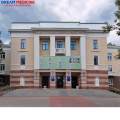
Bashkir State Medical University
Bashkir State Medical University Russia|Research Study MBBS in Russia " Bashkir State Medical University is the oldest prominent clinical university in Russia Bashkir State Medical University is placed among the 10 ideal Russian Medical Universities. For its affordable tuition charge framework as well as simple admission procedure Bashkir State Medical College ended up being prominent amongst global trainees for medical research studies".
By simon riley3 years ago in Education
The Power of Knowledge:
Once upon a time, in the bustling city of Progressville, there lived a young girl named Lily. Lily came from a modest family with big dreams. Her parents, John and Sarah, understood the power of education and instilled in Lily the belief that knowledge was the key to unlocking a better future. In Progressville, education was highly valued and seen as the pathway to success. The city had numerous schools, colleges, and universities that catered to a diverse range of interests and abilities. From a young age, Lily was encouraged to explore her passions and develop a thirst for learning. Lily's parents made sacrifices to ensure she received a quality education. They believed that it would equip her with the necessary skills to navigate the rapidly changing world and open doors to opportunities that they themselves had never had. They knew that education was not just about memorizing facts and figures, but about fostering critical thinking, problem-solving abilities, and a lifelong love for learning. Lily attended the local public school, where she was exposed to a diverse group of students from various backgrounds. The school provided a nurturing environment that celebrated differences and encouraged collaboration. Lily's teachers were passionate about their subjects and inspired their students to think creatively and explore new ideas. As Lily progressed through her education, she discovered her love for science and technology. The city's advanced infrastructure allowed her to experiment in well-equipped laboratories and engage in hands-on projects. Lily realized that her education was empowering her to make a positive impact on the world. Outside of the classroom, Progressville offered a plethora of extracurricular activities and clubs. Lily joined the robotics club, where she honed her skills in engineering and teamwork. She participated in local and national competitions, expanding her network and gaining real-world experience. These activities enhanced her education, teaching her the value of discipline, perseverance, and collaboration. Lily's dedication to her education did not go unnoticed. She was awarded a scholarship to one of the city's prestigious universities. This opportunity opened doors to a world of knowledge and expanded her horizons even further. Lily was exposed to diverse perspectives and engaged in intellectual debates that challenged her preconceived notions. As Lily graduated from university, she realized the profound impact her education had on her life. It provided her with a solid foundation of knowledge, critical thinking abilities, and a network of like-minded individuals. Armed with her education, Lily secured a job at a renowned tech company in Progressville. In her role, Lily contributed to groundbreaking research and innovation. She used her knowledge to develop solutions to pressing global issues, such as sustainable energy and climate change. Lily's education had not only transformed her life but also empowered her to be a change agent in her community and beyond. Through her journey, Lily recognized the importance of education in today's world. It was not just a means to secure a job or financial stability but a tool to create positive change, foster empathy, and address the pressing challenges of our time. She became an advocate for educational equity, working to ensure that every child had access to quality education, regardless of their background or circumstances. Lily's story resonated with countless individuals in Progressville and beyond. It served as a reminder that education was the cornerstone of progress and the pathway to a brighter future. The city embraced the importance of education, investing in resources, infrastructure, and passionate educators to nurture the potential of every child. As Lily continued her journey, she carried the lessons of her education and the belief that knowledge was indeed power. She knew that the transformative impact of education would continue to shape her life and the world around her. With every step she took, she was guided by the belief that education was not just important, but essential in today's rapidly changing and interconnected world.
By CLAIRE ANNE VELASCO3 years ago in Education
What is Tree Shaking in Flutter
Tree shaking is a technique used in the Flutter framework, which is an open-source UI toolkit for building natively compiled applications across multiple platforms. In the context of Flutter, tree shaking refers to the process of eliminating unused code or dependencies from the final compiled bundle of an application.
By Safali Chawala3 years ago in Education
How news impact in a bad way
Start writing...News has always been an important source of information for people all around the world. From local news to international news, it keeps us informed about what is happening in our communities and beyond. However, the impact of news on our mental health and well-being is something that is often overlooked. In fact, news can have a negative impact on our mental and emotional health, and can lead to anxiety, depression, and even trauma. One of the main ways that news impacts people in a bad way is through sensationalism and fear-mongering. News outlets are often incentivized to create stories that will grab our attention, and one way they do this is by sensationalizing events. They may use dramatic language, emphasize certain aspects of a story over others, or play on our fears and anxieties in order to drive up views and clicks. While this may be good for the news outlet's bottom line, it can have a negative effect on our mental health. When we are constantly bombarded with stories that make us feel anxious or fearful, it can lead to chronic stress and anxiety. Another way that news can impact us negatively is through its focus on negative events. Research shows that humans have a tendency to pay more attention to negative events than positive ones, a phenomenon known as "negativity bias". News outlets know this, and often focus on stories that are tragic or sensational, rather than those that are uplifting or inspiring. While it's important to be informed about current events, having a constant stream of negative news can lead to feelings of hopelessness and despair. Finally, news can impact us in a bad way by perpetuating stereotypes and reinforcing biases. Given that news is often created by individuals from a certain demographic or cultural background, their perspectives can be limited and biased. This can lead to stories that are not representative of the diverse world we live in and can reinforce negative stereotypes or biases about certain groups of people. This can have a negative impact on our mental health, particularly those who belong to marginalized communities. In conclusion, while news can be an important source of information, it is important to recognize the potential negative impact it can have on our mental health. Sensationalism, negativity bias, and biased reporting can all contribute to feelings of anxiety, hopelessness, and despair. It's important to strike a balance between staying informed and taking steps to protect our mental and emotional well-being. This can include limiting our exposure to news, seeking out positive news sources and information, and taking time to engage in self-care activities that promote relaxation and stress relief. 1. Constant exposure to negative news can make people feel anxious and stressed, leading to an increase in cortisol levels and triggering feelings of worry and fear. 2. : Exposure to everyday, negative news can desensitize people to real-world problems and issues, making them less empathetic and compassionate towards those who are suffering. 3. Negative news can influence people's moods, triggering feelings of sadness, anger, or frustration. 4. Negative news can contribute to the polarization of society, as stories that amplify conflict and disagreement can fuel anger and division among different groups. 5. Overexposure to negative news can make people feel helpless and overwhelmed, leading to difficulty in coping with everyday challenges and problems. News can have a negative impact on people in several ways: 1. Overexposure to negative news can lead to a sense of helplessness and anxiety, which can affect people's mental health and well-being. 2. News can exacerbate feelings of fear and insecurity, leading people to become more cautious and risk-averse in their daily lives. 3. News can create a sense of division and polarization in society, as stories that emphasize conflict and disagreement can fuel anger and suspicion among different groups. 4. News can be biased or inaccurate, leading people to form incorrect judgments or make decisions based on incomplete or incorrect information. 5. News can be emotionally manipulative, using sensationalistic or graphic images and stories to grab attention and amplify emotions, which can lead to stress, anxiety, or depression.nb
By Sakshi Verma3 years ago in Education
In defense of Duolingo
I have been loving foreign languages since I was a child. It all started when I began learning basic English in elementary school, then I added French in middle school (it was more of an obligation than a choice, but I’m still grateful for the opportunity). In high school, I started German, my favorite language. When I graduated, I had reached C1 level in English, B2/C1 level in French and B1 level in German.
By Simona Rosso3 years ago in Education
How media pay
Start writing...Introduction: Media reward, also known as media incentives, is a term used to describe the various rewards provided by media outlets to their audiences as a form of motivation. These rewards are primarily given to encourage the consumption of media content, for instance in the form of vouchers, discounts, or loyalty points. The concept of media reward has been prevalent in the media industry for many years now, especially for entertainment and news platforms. In recent years, many media companies have started to adopt reward programs to boost audience engagement and keep up with the competition. Types of Media Rewards: 1. Discounts and Vouchers: Media companies may offer discounts or vouchers as incentives to encourage customers to purchase their products or services. Discounts may be offered on subscriptions or particular products, while vouchers can be redeemed in exchange for goods and services at partner businesses. 2. Loyalty Programs: Loyalty programs are a popular media reward method that allows frequent customers of media companies to earn points or rewards based on the frequency and amount of their purchases or consumption of media content. These rewards can then be redeemed for additional content, merchandise, discounts, or exclusive access to content. 3. Sweepstakes and Contests: Media rewards may also come in the form of sweepstakes and contests. Fans or audiences may be encouraged to participate in contests or sweepstakes to win prizes such as free merchandise, tickets to events, or even a chance to meet their favorite celebrities. 4. Free Access: Media companies may offer customers free access to premium content or specific services for a limited time. This may be done as a way to attract potential customers or encourage them to sign up for a subscription. 5. Early Access to Content: Some media companies may offer early access to content to incentivize their audience to continue consuming their content. This may be in the form of early releases of new episodes, the latest music, or early access to limited-edition merchandise. Advantages of Media Rewards: 1. Audience Engagement: Media rewards can help increase audience engagement and build loyalty towards media companies. This is because customers tend to be more loyal and engaged with brands when they feel valued and appreciated. 2. Customer Acquisition: Media rewards can be used as a tool for customer acquisition as well. Free trials or access to premium content may be used to attract new customers, who may then choose to subscribe to the media company's services or products. 3. Differentiation: In a highly competitive media industry, media rewards can be used to differentiate a brand from its competitors. This can help media companies stand out from the competition and build a strong brand reputation. 4. Increased Revenue: By providing media rewards, media companies may be able to increase revenue from existing customers. Customers are often willing to spend more to earn rewards, and this can help media companies increase their revenue streams. 5. Valuable Customer Data: Media rewards often require customers to sign up for a loyalty program or provide personal information. This data is valuable to media companies as it can be used for targeted advertising and customization of content, further increasing customer engagement and loyalty. Disadvantages of Media Rewards: 1. Cost: Media rewards can be expensive to implement, and media companies may incur significant costs to offer rewards programs or incentives. This can be a significant deterrent for smaller media companies with limited financial resources. 2. Complexity: Media rewards can be complex to implement and manage, especially for larger media companies with a large number of customers. Ensuring that all customers receive their rewards and keeping track of points or vouchers can be time-consuming and challenging to manage. 3. Limited Reach: Media rewards may only attract those customers who are already consuming a particular platform or product, not those who are not interested or unaware of the brand's existence. 4. Short-Term Impact: While media rewards can generate immediate positive impact, this may only be temporarily. The negative effects of a poorly-implemented reward program can outweigh the advantages in the long run. 5. Security Risks: Media rewards programs may require customers to provide personal information such as email addresses, phone numbers, or bank details. This leaves customers vulnerable to potential data breaches and cyber attacks, which can harm the reputation of the media company. Conclusion: Media reward is an effective marketing tool used by media companies to improve audience engagement and loyalty. By offering incentives such as discounts, vouchers, loyalty programs, sweepstakes, even early access to content, media companies can increase customer acquisition and retention, differentiate themselves from their competitors, and ultimately increase their revenue. However, media companies should also be aware of the possible disadvantages of these rewards, such as cost, complexity, limited reach, short-term impact, and security risks. Media rewards should be carefully implemented and designed to ensure that they provide significant benefits to both the customers and the media company.
By Sakshi Verma3 years ago in Education
Travel
Start writing...Introduction Travel and tourism play a significant role in the world economy. It is a sector that generates billions of dollars annually in revenue, and it is also a major employer of labor across the globe. The primary goal of travel and tourism is to provide an opportunity for people to experience new cultures, learn about different lifestyles, and enjoy recreational activities. This article examines various aspects of travel and tourism, including its significance, history, types, and challenges that the sector faces. Significance of Travel and Tourism Travel and tourism are essential to many economies worldwide. It is a sector that contributes immensely to the gross domestic product (GDP) of many countries. According to the World Travel & Tourism Council (WTTC), the travel and tourism sector contributed $9.2 trillion to the global GDP in 2019, representing 10.3% of the total GDP. It is forecasted that the sector will grow by 4.4% per annum between 2019 and 2029, which is higher than the global GDP growth rate. Travel and tourism are also responsible for the creation of millions of jobs worldwide. The sector employs people in various occupations such as hotels, airlines, restaurants, attractions, and other related occupations. In 2019, the sector employed approximately 330 million people worldwide, accounting for one in ten jobs globally, according to WTTC. Apart from being a considerable contributor to the economy, travel and tourism promote cultural exchange and appreciation. It provides an opportunity for people to discover new cultures, interact with people from different backgrounds, and learn about different lifestyles. Travel and tourism also give rise to a diverse range of recreational activities, such as sports, adventure, and sightseeing. History of Travel and Tourism Travel and tourism have been prevalent in human history for centuries, although its nature has evolved over time. In ancient times, travel was mainly for exploration, trade, and conquest. The advent of the industrial revolution and the rise of the middle class in the 19th century saw the birth of modern tourism. People began traveling for leisure, and travel became accessible to more people. The tourism industry witnessed significant growth in the 20th century, with advancements in transportation and communication technologies. The development of commercial airlines and the internet revolutionized the tourism industry, making travel faster, cheaper, and more convenient. Types of Tourism Domestic Tourism Domestic tourism refers to people traveling within their own country for leisure. It is a significant aspect of travel and tourism as it contributes significantly to the local economy. Domestic tourists typically visit attractions and destinations within their home country, and it is usually cheaper than international travel. International Tourism International tourism refers to people traveling to foreign countries for leisure. It is the most visible aspect of travel and tourism as it involves people traveling to different countries to experience new cultures, attractions, and lifestyles. International tourism has grown significantly in recent decades due to globalization and the ease of travel. Adventure Tourism Adventure tourism involves activities that are physically challenging and require an element of risk. Activities such as bungee jumping, rafting, and rock climbing are examples of adventure tourism. Adventure tourism is popular among adventure seekers, and it has the potential for significant economic benefits in areas with natural attractions and features such as mountains, beaches, and national parks. Cruise Tourism Cruise tourism is a type of tourism that involves traveling on a cruise ship for leisure. It is a rapidly growing sector within the tourism industry, with more people opting for cruising as a way of traveling for leisure. The cruise industry offers a variety of packages to cater to different demographics and preferences. Medical Tourism Medical tourism involves people traveling to foreign countries to receive medical treatment. It is a growing sector in the tourism industry, with many people seeking specialized medical treatment in other countries due to high costs and inaccessibility of certain treatments or procedures in their home country. Challenges and Issues in the Tourism Industry While travel and tourism offer significant economic and cultural benefits, there are also various challenges and issues that the industry faces. The following are some of the challenges and issues facing the tourism industry: Sustainable Tourism Sustainable tourism involves tourism that has minimal negative impact on the environment, society, and the local economy. Sustainable tourism seeks to promote responsible tourism that ensures the preservation of cultural heritage and the protection of natural resources for future generations. The tourism industry is often associated with environmental pollution, depletion of natural resources, and degradation of cultural heritage, among other negative impacts. Overcrowding and Overtourism Overcrowding and overtourism are significant challenges facing the tourism industry. It is a result of the increasing number of tourists visiting popular destinations, leading to overcrowding, environmental degradation, and pressure on local resources and infrastructure. To manage overtourism, governments and tourism operators should adopt strategies that promote sustainable tourism and encourage tourists to visit less crowded destinations. Economic and Political Instability The tourism industry is highly influenced by economic and political conditions. Economic downturns and political instability can affect the number of tourists visiting a particular destination. Terrorism and political unrest are examples of issues that can have detrimental effects on the tourism industry. Conclusion Travel and tourism are significant sectors that contribute immensely to the global economy. The industry provides an opportunity for people to experience new cultures, learn about different lifestyles, and enjoy recreational activities. Travel and tourism have evolved over time, with more people traveling for leisure than ever before. However, the industry faces various challenges and issues, such as sustainable tourism, overcrowding, and economic instability. The tourism industry must adopt strategies that promote responsible and sustainable tourism, and reduce negative impacts on the environment and local communities.
By Sakshi Verma3 years ago in Education