short story
Jellyfish Blooms: Causes, Consequences, and Mitigation Strategies.
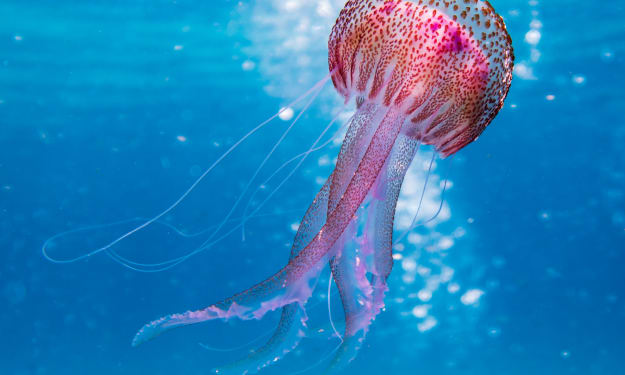
Jellyfish blooms, or large sudden increases in the population of jellyfish, have become a global phenomenon. While jellyfish are natural inhabitants of the world's oceans, the frequency and intensity of jellyfish blooms have increased in recent years, leading to significant ecological and economic impacts. This article will discuss the causes and consequences of jellyfish blooms, as well as mitigation strategies..
By Mr Royal Honey 3 years ago in Earth
The Mystery of the Bermuda Triangle: Separating Fact from Fiction
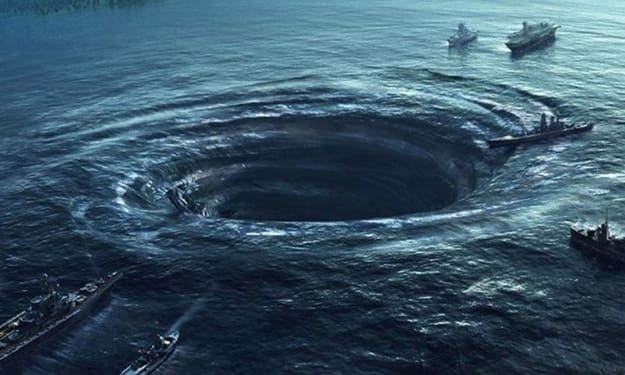
The Bermuda Triangle, also known as the Devil's Triangle, is a region in the western part of the North Atlantic Ocean where a number of aircraft and ships have disappeared under mysterious circumstances. The area is roughly bounded by Miami, Bermuda, and Puerto Rico, and is said to be one of the most dangerous areas in the world for navigation. Over the years, many theories have been put forward to explain the disappearances, ranging from the supernatural to the scientific. In this article, we will explore the facts and fiction surrounding the Bermuda Triangle.
By Saif Zafar3 years ago in Earth
Jellyfish and the Ocean Ecosystem.
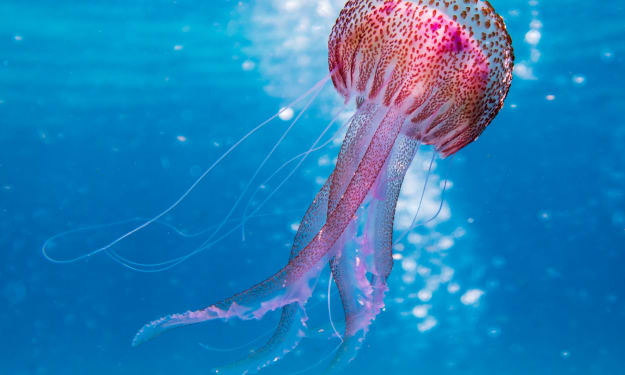
Jellyfish are fascinating creatures that have inhabited the Earth's oceans for millions of years. They are known for their gelatinous bodies and their ability to sting, but their role in the ocean ecosystem is much more complex than that. In this article, we will explore the importance of jellyfish in the ocean ecosystem and their impact on the environment. Importance of Jellyfish in the Ocean Ecosystem Jellyfish are an important part of the ocean ecosystem because they play a vital role in the food web. They are carnivorous and feed on plankton, fish eggs, and small fish. They also serve as a food source for larger marine predators such as sea turtles, sunfish, and some species of fish. Additionally, jellyfish have an important role in nutrient cycling in the ocean. They consume large amounts of phytoplankton, which are microscopic algae that float on the surface of the water. When jellyfish consume these organisms, they release nutrients back into the water, which can then be used by other organisms. Jellyfish also help to keep the ocean's water clean. They filter large amounts of water as they move through the ocean, removing impurities and pollutants. This helps to maintain the overall health of the ocean and its inhabitants. Impact of Jellyfish in the Ocean Ecosystem While jellyfish play an important role in the ocean ecosystem, their population growth and behavior can also have negative impacts on the environment. One of the biggest impacts of jellyfish is their ability to outcompete other species for resources. When jellyfish populations grow too large, they can consume vast amounts of plankton and small fish, leaving little food for other marine organisms. This can cause a chain reaction that disrupts the entire food web and leads to the collapse of fisheries. Jellyfish also have the ability to damage fishing gear and infrastructure. Their slimy bodies can clog fishing nets, and their stinging tentacles can pose a danger to fishermen and swimmers. In addition, jellyfish blooms can have a negative impact on tourism. Large numbers of jellyfish in coastal waters can be unappealing to tourists, and their stings can be a serious health risk. Climate change is also having an impact on jellyfish populations. As the Earth's oceans warm, jellyfish are able to thrive in new areas where they were once unable to survive. This can lead to an increase in jellyfish populations in certain areas, further disrupting the ocean ecosystem. Managing Jellyfish Populations To manage the impact of jellyfish in the ocean ecosystem, it is important to understand the factors that contribute to their population growth. Overfishing, pollution, and climate change are all factors that can lead to an increase in jellyfish populations. One strategy for managing jellyfish populations is to increase the number of natural predators of jellyfish. This can include promoting the protection of sea turtles and other marine predators that feed on jellyfish. Another strategy is to reduce the amount of pollution and plastic waste that enters the ocean. This can help to maintain the overall health of the ocean ecosystem, which can help to prevent jellyfish blooms. Finally, it is important to promote sustainable fishing practices that do not disrupt the natural balance of the ocean ecosystem. This can help to maintain healthy populations of all marine species, including jellyfish. Conclusion Jellyfish are an important part of the ocean ecosystem, but their population growth and behavior can have negative impacts on the environment. Understanding the role of jellyfish in the ocean ecosystem is important for managing their populations and minimizing their impact on the environment. By promoting sustainable fishing practices, reducing pollution and plastic waste, and protecting natural predators of jellyfish, we can help to maintain the health of the ocean ecosystem for generations to come.
By Mr Royal Honey 3 years ago in Earth
The Fascinating World of Jellyfish.
Jellyfish are some of the most fascinating creatures in the ocean. With their translucent bodies and graceful movements, they have captivated humans for centuries. In this comprehensive guide, we will delve into the world of jellyfish, exploring their biology, behavior, and unique characteristics. Biology Jellyfish belong to the phylum Cnidaria, which includes other animals such as sea anemones and coral. They are made up of a gelatinous substance called mesoglea, which gives them their characteristic shape and texture. Jellyfish have a simple body plan, with a bell-shaped body and tentacles that trail below them. One of the most distinctive features of jellyfish is their ability to sting. They have specialized cells called nematocysts in their tentacles that can inject venom into their prey or predators. This venom can cause a painful reaction in humans, although most jellyfish species are not dangerous to people. Behavior Jellyfish are found in all of the world's oceans and can be found at various depths, from the surface to the deep sea. They are often seen drifting with the ocean currents, propelled by the movement of their bells. Jellyfish are opportunistic feeders, meaning they will eat whatever they can catch. They primarily feed on small fish, plankton, and other small organisms. To capture their prey, they use their tentacles, which are covered in thousands of tiny stinging cells. When a potential meal comes into contact with the tentacles, the stinging cells fire and inject venom into the prey. Jellyfish also have a unique reproductive cycle. They start out as tiny larvae that float in the ocean currents before settling on the seafloor and developing into polyps. The polyps then produce tiny jellyfish called ephyrae, which grow into adult jellyfish. This cycle can repeat itself multiple times, with each generation producing new polyps and jellyfish. Unique Characteristicsewhatrheascinatingorldfellyfish Articellyfish are some of the most fascinating creatures in the ocean. Their unique physical characteristics and behaviors have captivated scientists and casual observers alike for centuries. In this article, we will explore the world of jellyfish, including their anatomy, life cycle, behavior, and the roles they play in their ecosystem. Anatomy Jellyfish are members of the phylum Cnidaria, which also includes corals and sea anemones. They are characterized by their gelatinous, bell-shaped body and long, trailing tentacles. The bell of the jellyfish is composed of a soft, transparent material called mesoglea, which is made up of water, protein, and a small amount of connective tissue. The tentacles, which trail beneath the bell, are studded with tiny, stinging cells called nematocysts. These cells are used by the jellyfish to capture prey and defend against predators. Life Cycle Jellyfish have a complex life cycle that includes several different stages. The adult jellyfish, or medusa, produces eggs or sperm, which are released into the water. Fertilization occurs externally, and the resulting larvae, known as planulae, settle on a surface and grow into polyps. The polyp stage is characterized by a small, cylindrical body with a mouth surrounded by tentacles. The polyp feeds on plankton and grows, eventually producing a stack of small medusae on top of its body. These medusae break free from the polyp and swim off to begin the adult stage of their life cycle. Jellyfish have a number of unique characteristics that set them apart from other marine animals. One of these is their ability to bioluminesce, or produce light. Some species of jellyfish are able to produce a bright blue or green light that can be seen in the dark depths of the ocean. Another unique characteristic of jellyfish is their ability to regenerate. If a jellyfish loses a tentacle or even part of its bell, it can regrow the missing body part. This ability allows jellyfish to recover from injuries that would be fatal for other animals. Jellyfish are also important indicators of the health of the ocean. Because they are sensitive to changes in water temperature and pollution levels, their populations can be used to monitor the overall health of the ocean ecosystem. Scientists use jellyfish as a bioindicator to measure the impact of climate change and pollution on marine life. Conclusion Jellyfish are fascinating creatures that have captivated humans for centuries. From their translucent bodies to their unique characteristics, they are unlike any other marine animal. Understanding the biology and behavior of jellyfish is essential for protecting their populations and preserving the health of the ocean ecosystem. By learning more about these creatures, we can better appreciate their beauty and importance in the natural world.Start writing...
By Mr Royal Honey 3 years ago in Earth
Lion vs. Tiger.
Lions and tigers are two of the most iconic big cats in the world, and have long captured the imagination of humans with their sheer size and power. But if these two animals were to face off in a battle royale, who would come out on top? Let's take a closer look at the characteristics of each animal to determine the winner.
By Ayaanahamed3 years ago in Earth
Roaring to Survive: The Secret Life of Lions
Lions are one of the most iconic animals in the world, revered for their raw power and majestic presence. But beyond their physical appearance, lions are also fascinating creatures with complex social structures and behavior patterns. In this article, we will explore the secret life of lions and how they have adapted to survive in their harsh environments.
By Ayaanahamed3 years ago in Earth
The King of the Jungle.
Lions are one of the most iconic animals in the world and have long been known as the King of the Jungle. These majestic creatures are the second-largest cats in the world, after tigers. They are known for their beautiful manes and fierce hunting skills, making them a popular subject for wildlife documentaries and films.
By Ayaanahamed3 years ago in Earth
The Ancient secrets of Sri Padmanabhaswamy Temple
In a world that’s been around for thousands of years, with countless people that have come and departed, it’s naïve to think that there aren’t things that those people left behind. Our ancestors have passed down to the next generation as much information as they can but what about those ancient knowledge that have been lost through time?Is it our duty as modern inhabitants of the world to uncover those secrets?Or did they get buried under the sand of time for a reason? We may never know the answer, but it’s important to remember that knowledge is a powerful tool and can be used for both good and ill. Maybe it's best to leave the secrets of the past buried.
By Lorie Sharpe3 years ago in Earth