short story
a novel about the flying spider
Chapter 1 The sky was an endless expanse of blue, and the sun was shining bright on the small town of Willow Creek. Peter had always loved flying. He was a paragliding enthusiast and spent most of his weekends soaring high above the rolling hills and dense forests that surrounded his hometown. But today, he was in for a surprise.
By ODS ACADEMY3 years ago in Earth
The Latest Trends in Tech and Gadget Design
Technology and gadgets have been rapidly evolving over the past few years, and there are no signs of this trend slowing down anytime soon. From wearables to smart homes, the latest trends in tech and gadget design are all about making our lives easier, more efficient, and more connected. In this article, we will explore some of the latest trends in tech and gadget design. Smart Homes Smart homes are becoming increasingly popular as people seek to automate and control their living environments using technology. With the help of smart devices such as Google Nest, Amazon Echo, and Apple HomeKit, homeowners can control everything from their lighting and temperature to their security systems and appliances with a single voice command. In addition to convenience, smart homes offer a range of benefits, including increased energy efficiency, improved home security, and greater peace of mind. As the technology continues to evolve, we can expect to see even more advanced features and integrations in smart homes. Wearable Technology Wearable technology is another rapidly growing trend in tech and gadget design. From fitness trackers to smartwatches, wearables are designed to help users monitor their health and wellness, stay connected, and simplify their lives. One of the latest trends in wearable technology is the integration of biometric sensors, which can track everything from heart rate and blood pressure to sleep patterns and stress levels. Wearables can also provide users with real-time feedback on their fitness goals, such as steps taken, calories burned, and distance traveled. In addition to health and fitness tracking, wearables are also being used to enhance productivity and communication. Smartwatches, for example, can display notifications, messages, and calls, allowing users to stay connected without having to reach for their phones. Virtual and Augmented Reality Virtual and augmented reality technologies are rapidly advancing, and their applications extend far beyond gaming and entertainment. In fact, these technologies are being used in a range of industries, from healthcare to education to retail. Virtual reality (VR) immerses users in a digital environment, while augmented reality (AR) overlays digital information onto the physical world. Both technologies have the potential to enhance experiences and improve productivity by providing users with new ways of interacting with their environments. In the healthcare industry, for example, VR and AR technologies are being used to train medical professionals, simulate surgeries, and treat patients with conditions such as PTSD and chronic pain. In the education industry, VR and AR are being used to create immersive learning experiences and enhance remote education. Flexible and Foldable Screens Flexible and foldable screens are another trend in tech and gadget design that is rapidly gaining popularity. These screens offer users more flexibility and portability than traditional rigid screens, allowing for new form factors and use cases. Samsung and Huawei are among the companies that have released foldable smartphones, which can be opened up to reveal larger screens. Additionally, companies such as LG and Sony are working on developing flexible displays for use in products such as TVs and smart home devices. One potential benefit of flexible and foldable screens is increased durability, as the screens can bend and flex without cracking. This could lead to longer-lasting devices and reduce the amount of e-waste generated by consumers. Artificial Intelligence Artificial intelligence (AI) is another trend that is transforming the tech and gadget industry. AI can be used to power everything from voice assistants to autonomous vehicles, making our devices and appliances smarter and more responsive. One of the biggest benefits of AI is its ability to learn and adapt based on user behavior. For example, an AI-powered thermostat can learn a user's preferences for temperature and adjust accordingly, without the user having to manually adjust the settings. In addition to making our devices more intuitive and personalized, AI is also being used to improve efficiency and productivity in industries such as manufacturing and logistics. Conclusio
By Balamurugan3 years ago in Earth
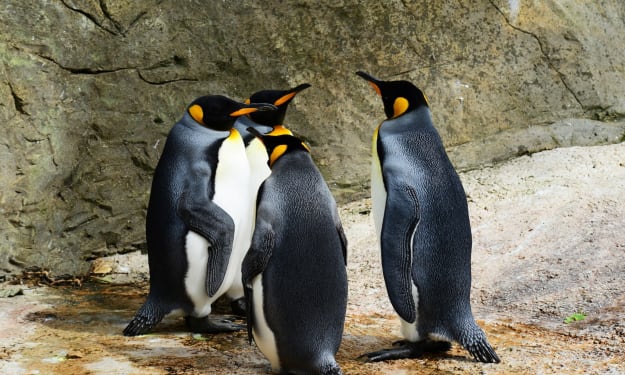
The Antarctic Connection of Penguin.
Antarctica, the southernmost continent on Earth, is home to one of the most iconic and beloved creatures in the animal kingdom: penguins. These flightless birds have evolved to survive the harsh and unforgiving climate of the frozen continent, and have captivated the hearts and imaginations of people all around the world. There are 18 species of penguins in the world, and 7 of them can be found in Antarctica. These include the Adelie, Chinstrap, Emperor, Gentoo, Macaroni, Rockhopper, and King penguins. Each species has its own unique characteristics and adaptations to life in the cold, but they all share a few key features that make them well-suited to their environment. One of the most obvious adaptations of penguins is their feathers. Unlike other birds, penguins have a layer of fat underneath their skin that insulates them from the cold, and their feathers are specially adapted to trap air close to their body, providing an additional layer of insulation. Penguins are also able to control the direction of their feathers to regulate their body temperature and stay warm. Another adaptation of penguins is their ability to swim. Penguins are excellent swimmers and can dive to depths of over 500 feet to catch fish and other prey. Their streamlined bodies and webbed feet make them incredibly agile in the water, and they use their flippers to steer and propel themselves through the icy currents. Despite their ability to swim, penguins are not well-suited to life on land. Their bodies are designed for the cold, and they have trouble regulating their body temperature in warmer climates. This is why penguins are only found in the southern hemisphere, where the temperatures are cooler and more stable. Antarctica provides the perfect environment for penguins to thrive. The continent is covered in ice and snow, which helps to regulate the temperature and provides a stable environment for the penguins to live in. The surrounding ocean is also rich in nutrients, providing a steady supply of food for the birds. However, the frozen habitat of penguins is not without its challenges. Climate change is having a profound impact on the Antarctic environment, causing temperatures to rise and ice to melt at an alarming rate. This is affecting the food chain, as the loss of ice is reducing the availability of krill and other prey that penguins rely on for food. In addition to climate change, human activity is also having an impact on the Antarctic environment. Fishing, tourism, and scientific research are all contributing to the disruption of the delicate ecosystem that penguins rely on. The noise and disturbance caused by boats and planes can disrupt the breeding and feeding patterns of penguins, and the introduction of non-native species can have a devastating impact on the local wildlife. Despite these challenges, there is still hope for the future of penguins in Antarctica. Conservation efforts are underway to protect the fragile ecosystem and preserve the habitat of these beloved creatures. Organizations like the World Wildlife Fund and the Antarctic and Southern Ocean Coalition are working to raise awareness about the importance of protecting the Antarctic environment, and to promote sustainable practices that will help to reduce the impact of human activity. Individuals can also do their part to help protect penguins and their frozen habitat. Simple actions like reducing energy consumption, recycling, and choosing sustainable products can all help to reduce our impact on the environment and preserve the habitat of these amazing creatures. In conclusion, penguins are a beloved and iconic symbol of the frozen continent of Antarctica. Their unique adaptations and remarkable resilience in the face of harsh conditions have captivated the hearts and imaginations of people all around the world. However, their habitat is facing significant challenges, including climate change and human activity. By working together to protect the environment and promote sustainable practices, we can help to ensure that penguins and their fellow Antarctic wildlife continue to thrive for future generations to enjoy.
By Mr Royal Honey 3 years ago in Earth
Penguin Species Spotlight.
Penguins are fascinating creatures that captivate the hearts and minds of people around the world. With their iconic tuxedo-like appearance and waddling gait, penguins are well-known inhabitants of the Southern Hemisphere. However, many people may not be aware of the incredible diversity that exists within the penguin family. Let's take a closer look at some of the different species of penguins and discover what makes each one unique. Emperor Penguin (Aptenodytes forsteri): The largest of all penguin species, the Emperor penguin is an impressive sight to behold. These majestic birds can reach a height of up to 1.2 meters (4 feet) and weigh as much as 40 kilograms (88 pounds). They are also the only penguin species to breed during the harsh Antarctic winter, enduring temperatures as low as -40 degrees Celsius (-40 degrees Fahrenheit). King Penguin (Aptenodytes patagonicus): Similar in appearance to the Emperor penguin, the King penguin is the second-largest species. They have a distinctive orange-colored patch on their chests and vibrant yellow feathers on their necks. King penguins are known for their elegant and upright posture, and they can often be found in large colonies on sub-Antarctic islands. Adelie Penguin (Pygoscelis adeliae): Adelie penguins are the quintessential Antarctic penguins. They have a white belly, a black head, and a distinct white ring around their eyes. These agile swimmers build their nests using pebbles and are known for their acrobatic leaps out of the water onto the ice. Adelie penguins have a playful and curious nature, often approaching humans with a sense of wonder. Gentoo Penguin (Pygoscelis papua): The Gentoo penguin is recognized by its bright orange-red bill and a white strip across the top of its head. They are known for their remarkable swimming speed and can reach speeds of up to 36 kilometers (22 miles) per hour. Gentoo penguins are also highly vocal and communicate with each other through a series of loud calls. Chinstrap Penguin (Pygoscelis antarcticus): As the name suggests, the Chinstrap penguin has a distinctive thin black band that resembles a chinstrap under its chin. They have a sleek and streamlined body, which allows them to navigate through the water with ease. Chinstrap penguins are known for their extensive breeding colonies, with some populations numbering in the millions. Macaroni Penguin (Eudyptes chrysolophus): Macaroni penguins are known for their flamboyant appearance. They have a vibrant yellow crest on their heads, giving them a somewhat punk-like appearance. Macaroni penguins are excellent divers and can plunge to depths of up to 100 meters (330 feet) in search of food. They are also highly social and can form colonies of tens of thousands of individuals. African Penguin (Spheniscus demersus): Found along the coast of southern Africa, the African penguin is the only species of penguin that breeds on the African continent. They have a unique black and white pattern on their chest and a pink gland above their eyes, which helps them regulate their body temperature. Sadly, the African penguin is listed as endangered due to habitat loss and overfishing. These are just a few examples of the incredible diversity of penguin species that inhabit our planet. Each species has adapted to its own unique environment and developed remarkable characteristics to survive and thrive. By studying and appreciating the diversity of penguins, we gain a greater understanding of the complex ecosystems theyinhabit and the importance of preserving their habitats. Here are a few examples of the incredible diversity of penguin species: Emperor Penguin (Aptenodytes forsteri): The largest of all penguin species, the Emperor penguin is found in Antarctica. They have a distinctive black and white plumage, with a yellow patch on their neck. Emperor penguins are known for their remarkable adaptation to the extreme cold, with a thick layer of blubber and dense feathers that provide insulation. King Penguin (Aptenodytes patagonicus): King penguins are the second-largest penguin species and inhabit the sub-Antarctic islands. They have a vibrant orange-colored plumage on their chest and neck, and their diet primarily consists of fish and squid. King penguins are known for their elaborate courtship rituals and large breeding colonies. Adélie Penguin (Pygoscelis adeliae): Adélie penguins are native to the Antarctic continent and surrounding islands. They have a black head and back, with a distinctive white eye ring. Adélie penguins are known for their agility and speed in the water, using their flippers to navigate through the icy waters. They primarily feed on krill and fish. Chinstrap Penguin (Pygoscelis antarcticus): Chinstrap penguins get their name from the thin black band that runs under their chin, resembling a strap. They breed in large colonies on islands around the Antarctic Peninsula. These penguins have a diet mainly consisting of krill and small fish. Gentoo Penguin (Pygoscelis papua): Gentoo penguins are known for their red-orange beak and white-feathered cap. They breed on the Antarctic Peninsula and nearby islands, as well as sub-Antarctic islands. Gentoo penguins are the fastest swimming penguins, reaching speeds of up to 22 miles per hour (35 kilometers per hour). Magellanic Penguin (Spheniscus magellanicus): Magellanic penguins inhabit the coasts of South America, particularly Argentina and Chile. They have a distinctive black band across their chest and a white belly. Magellanic penguins are known for their burrow-nesting habits and their ability to swim long distances in search of food. These are just a few examples of the diverse range of penguin species found across the Southern Hemisphere. Each species has unique adaptations and behaviors that allow them to thrive in their respective habitats. By studying and appreciating their diversity, we can gain valuable insights into the natural world and the importance of conserving these remarkable creatures and their environments.
By Mr Royal Honey 3 years ago in Earth
Adorable Penguins.
Adorable Penguins: The Fascinating Life of these Tuxedoed Birds When it comes to adorable creatures of the animal kingdom, penguins are often at the top of the list. These tuxedoed birds with their waddling walk and endearing antics have captured the hearts of people worldwide. But beyond their cuteness, penguins lead fascinating lives in some of the harshest environments on Earth. Let's dive into the world of these charismatic creatures and uncover the wonders of their existence. Penguins are flightless birds that are perfectly adapted for life in the cold waters of the Southern Hemisphere. There are 18 recognized species of penguins, each with its own unique characteristics and habitats. They can be found in diverse locations, from the icy Antarctic region to the rocky coasts of South Africa and the tropical Galapagos Islands. One of the most remarkable features of penguins is their ability to survive in extreme cold. Their waterproof feathers, dense layers of fat, and tightly packed bodies help them stay warm in freezing temperatures. Some species even have the ability to control blood flow to their extremities, reducing heat loss and preventing frostbite. Penguins are superb swimmers, thanks to their streamlined bodies and strong flippers. They spend a significant amount of their lives at sea, hunting for fish, squid, and krill, which make up their diet. Some penguins can dive to incredible depths, reaching over 1,500 feet, and stay underwater for several minutes. They use their wings as flippers, propelling themselves through the water with astonishing agility. While penguins are masters of the sea, they also face numerous challenges on land. Most penguins are colonial nesters, gathering in large groups called rookeries. These colonies provide safety in numbers and help them protect their nests from predators. However, living in close quarters also means intense competition for mates and nesting sites. Penguins exhibit fascinating mating rituals. They often engage in elaborate courtship displays, such as head-bobbing, flippers flapping, and vocalizing. Once a pair bond is formed, penguins are typically monogamous for the breeding season. They build nests using pebbles, rocks, or even their own excrement. The males take turns incubating the eggs, balancing them on their feet and covering them with a special brood pouch. During this period, the females go out to sea to replenish their energy reserves. After the eggs hatch, penguin parents take on the responsibility of raising their chicks. This is no easy task, as the parents must go on long foraging trips while leaving their vulnerable offspring behind. To ensure the survival of the chicks, penguins have evolved a unique strategy. They regurgitate partially digested fish, providing their young ones with a high-energy, nutrient-rich substance called "penguin milk." As the chicks grow, they form crèches, large groups of youngsters that huddle together for warmth and protection. They learn essential skills from their parents and gradually gain independence. Once they reach adulthood, penguins return to their breeding colonies, ready to start the cycle of life anew. Unfortunately, penguins face numerous threats in the modern world. Climate change has a profound impact on their habitats, affecting the availability of food and causing shifts in the delicate balance of their ecosystems. Pollution, habitat destruction, and overfishing also pose significant challenges to their survival. Efforts are being made by scientists, conservation organizations, and governments to protect penguins and their habitats. Marine protected areas have been established, research is being conducted to better understand their needs, and education programs raise awareness about their conservation. Penguins are more than just adorable creatures; they are a symbol of resilience in the face of adversity. Their ability to thrive in some of the harst and most extreme environments on Earth is truly remarkable. Here are some key points about penguins and their resilience: Adaptation to Cold Environments: Penguins are mainly found in the Southern Hemisphere, where they inhabit regions such as Antarctica, the sub-Antarctic islands, and parts of South America, South Africa, and New Zealand. These areas experience harsh winters with freezing temperatures and strong winds. To survive in such conditions, penguins have evolved unique adaptations. They have a thick layer of insulating feathers that keep them warm, and their bodies are streamlined, reducing heat loss. They also have a layer of blubber for additional insulation. Efficient Swimming: Penguins are incredible swimmers and spend a significant portion of their lives in the water. They have streamlined bodies and strong flippers that allow them to navigate through the water with ease. Their wings have evolved into flippers, enabling them to propel themselves at impressive speeds and maneuver gracefully. Their streamlined bodies also help reduce drag and conserve energy while swimming. Diving Abilities: Penguins are known for their exceptional diving abilities. They can dive to great depths in search of food, staying submerged for several minutes at a time. Some species, like the Emperor Penguin, can dive as deep as 1,500 feet (450 meters) and hold their breath for up to 20 minutes. Their ability to endure the frigid waters and navigate underwater allows them to access a diverse range of food sources. Social Structure: Penguins exhibit strong social bonds and live in large colonies. This social structure helps them overcome adversity. During extreme cold or blizzards, penguins huddle together in tightly packed groups to conserve heat and protect themselves from the elements. They take turns rotating from the outer edges to the warmer interior, ensuring that every member of the colony has a chance to benefit from the shared warmth. Reproductive Resilience: Penguins face significant challenges when it comes to breeding and raising their young. They typically breed in harsh environments during the Antarctic or sub-Antarctic winters when temperatures drop well below freezing. Male penguins incubate the eggs by balancing them on their feet and covering them with a special brood pouch. They endure extreme cold, high winds, and prolonged fasting while incubating the eggs for several weeks until the females return with food. This demonstrates their remarkable resilience and dedication to ensuring the survival of their offspring. Conservation Efforts: Penguins face threats such as climate change, loss of habitat, overfishing, and oil spills. However, efforts are being made to protect and conserve penguin populations. Conservation organizations work to establish marine protected areas, promote sustainable fishing practices, and raise awareness about the importance of preserving penguin habitats. These initiatives aim to ensure the long-term survival of these resilient and iconic creatures. Overall, penguins embody resilience through their ability to adapt to extreme environments, their remarkable swimming and diving skills, their social structure, and their dedication to raising their young. They serve as a powerful symbol of resilience in the face of adversity and inspire us to appreciate and protect the fragile ecosystems they call home.
By Mr Royal Honey 3 years ago in Earth
Interior Designers in Mumbai
Best Interior Designers in Goregaon Professional interior designers in Goregaon West and East who specialize in residential interior design services. This can be particularly helpful for homeowners who want to transform their living spaces into functional and aesthetically pleasing environments.
By SWAMI INTERIOR3 years ago in Earth
Why Planes Don't Fly Over the Pacific Ocean
Have you ever noticed that commercial flights tend to avoid flying over the Pacific Ocean? If you look at a flight map, you will see that most flights from North America to Asia take a more northerly route over Alaska, Russia, or Canada, rather than crossing the Pacific. So why is that?
By Daniel Ellison3 years ago in Earth
Scientists Finally Discovered the Truth About Easter Island
Easter Island, also known as Rapa Nui, has been a topic of fascination for centuries. This small island located in the middle of the Pacific Ocean, known for its mysterious statues called Moai, has captivated the world with its enigmatic history. For years, scientists and historians have been trying to unravel the mysteries surrounding this remote island. Recently, a team of scientists has made significant discoveries that shed new light on the island's history.
By Daniel Ellison3 years ago in Earth
Should we reflect the sunlight to cool the planet?
Should we reflect sunlight to cool the planet? Well in 1991, a mountain by the name Mount Pinatubo in the Philippines erupted becoming the second largest volcanic eruption of the 20th century. Its ash plume shot up past the atmosphere and into the stratosphere dispersing a layer of aerosol particles around the whole world.
By Mishael Acquah3 years ago in Earth
THE ENIGMATIC DENDERA LIGHT
As an assistant, I have always been fascinated by ancient civilizations and their technological advancements. One civilization that has always captured my interest is ancient Egypt. The land of the pharaohs is known for its pyramids, mummies, and hieroglyphs, but there is so much more to this ancient civilization than meets the eye. In this blog post, we will explore the technological achievements of ancient Egypt and how they have contributed to modern-day society. Introduction to Ancient Egyptian Technology
By Kathryn Dickman3 years ago in Earth