
She Spent 17 Years in Prison for a Crime She Did Not Commit
The most terrifying thing about the criminal justice system isn't the criminals. It's how easily it destroys the innocent.
M Mehran
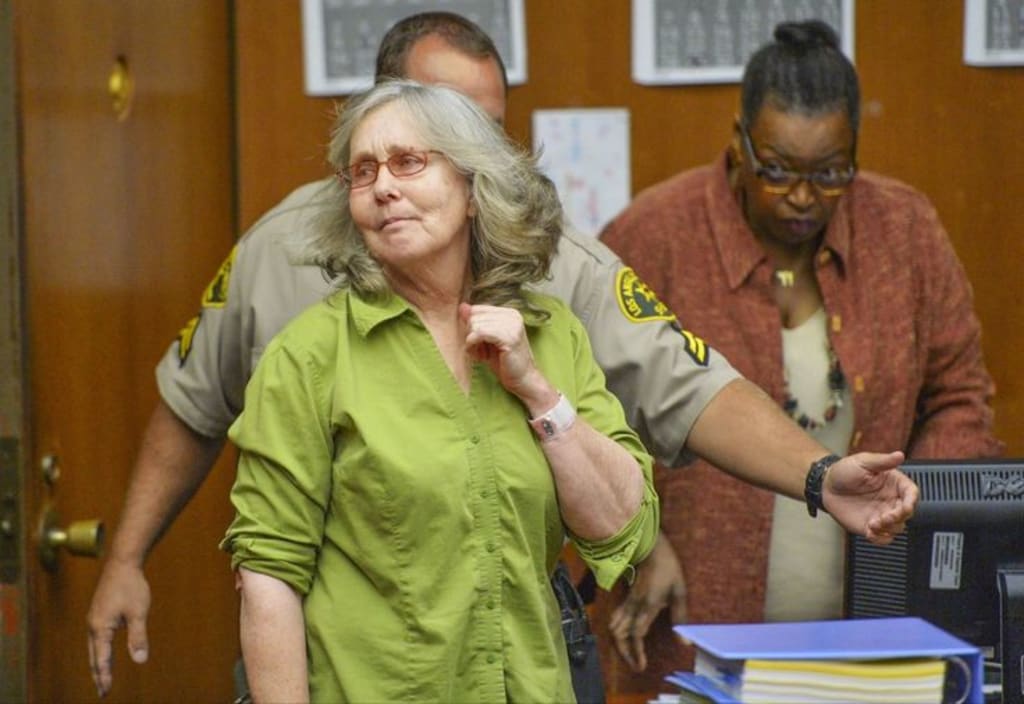
The day DianeRul walked out of Decatur Correctional Center, she stood on the sidewalk for eleven minutes without moving. Not because she was overwhelmed by emotion. Not because the cameras were watching. But because she had genuinely forgotten which direction you walk when nobody is telling you where to go. Seventeen years. That is how long it takes to forget something as simple as choosing a direction. She was twenty-six when they took her in. She was forty-three when they let her out. In between, her mother died, her son grew from a gap-toothed seven-year-old into a man she recognized only in photographs, and the world changed so completely around her that the smartphone a volunteer handed her in the parking lot felt like an artifact from a science fiction novel. She had not committed the crime she was convicted of. Not even close. How Innocent People End Up Behind Bars Wrongful conviction is not a glitch in the criminal justice system. It is, researchers and legal scholars increasingly argue, a predictable outcome of a system riddled with structural failures — failures that have been documented, studied, and largely left unaddressed. The Innocence Project, a nonprofit legal organization dedicated to exonerating wrongfully convicted individuals, has helped free more than 375 people in the United States through DNA evidence alone. Those are only the cases where DNA evidence existed and was preserved. For every exoneration, legal experts estimate there are many more wrongful convictions quietly serving out their sentences with no biological evidence left to test. The leading causes are achingly familiar: eyewitness misidentification, which contributes to roughly 69 percent of overturned convictions. False confessions, which seem impossible until you understand the psychological pressure of an interrogation room at 3 a.m. after fourteen hours without sleep. Junk science — forensic methods that were presented to juries as ironclad and have since been discredited entirely. And informant testimony, offered by people with powerful incentives to say whatever the prosecution needs to hear. Diane Rul's case contained three of the four. The Night Everything Went Wrong In the spring of her twenty-sixth year, Diane was working double shifts at a diner outside of Springfield, Illinois, saving money to move her son closer to a better school district. A woman was murdered six blocks from her apartment. A witness — later revealed to have been standing more than 90 feet away in poor lighting — identified Diane from a photo lineup. The detective running the lineup, a man who knew which photo was the suspect's, made small unconscious gestures that researchers now understand reliably influence witness choices. Diane's court-appointed attorney met with her a total of four times before trial. He was managing 94 other cases simultaneously. A jailhouse informant testified that Diane had confessed to him during a brief period of pretrial detention. He received a reduced sentence for his cooperation. He later recanted, in writing, in an affidavit that sat in a legal filing for nine years before anyone with the power to act on it did. Diane was convicted by a jury of twelve people who believed, genuinely and in good faith, that they were doing the right thing. That is perhaps the most devastating part. Nobody in that courtroom, with one or two quiet exceptions, thought they were making a mistake. What 17 Years Actually Costs We talk about wrongful conviction in legal terms — overturned verdicts, exoneration, compensation statutes. The language is clean and procedural and bears almost no relationship to what actually happens to a human being who loses seventeen years to a crime they did not commit. Diane missed her mother's diagnosis. Missed the decline. Missed the death and the funeral and the particular grief of sitting beside someone you love as they go. She was notified by letter. She missed her son's first day of high school, his graduation, his first heartbreak, the version of himself he became in the years she wasn't there to see it happen. He visited when he could. It was never enough. How could it be? She missed her own thirties entirely — a decade that, for most people, is consumed by building: careers, relationships, a sense of who you are becoming. Diane spent it in a system that had decided who she was and was not interested in being corrected. Illinois awarded her $175,000 upon exoneration — the maximum allowed under state compensation law at the time. One hundred and seventy-five thousand dollars for seventeen years. Do that math slowly. Let it settle. The Criminal Justice System as a Criminal Act This is the conversation we resist having. We are comfortable discussing criminals — people who have broken the law, hurt others, made choices that led them to justice. That narrative has clear roles and a certain moral tidiness. We are far less comfortable discussing what happens when justice itself becomes the source of harm. When the system designed to protect the innocent becomes the mechanism of their destruction. Diane Rul did not choose her direction on that sidewalk for eleven minutes because the concept of choice had been systematically removed from her life for nearly two decades. The state did that. In all of our names. She is rebuilding. Slowly, imperfectly, with the particular determination of someone who has already survived the unsurvivable. She chose a direction eventually. She started walking. She Still Believes in Justice Not the system — she is clear-eyed about the system, its failures, its casual cruelties. But justice itself. The idea that truth should matter. That innocence should mean something. That the machinery built in the name of right and wrong carries an obligation to be right more often than it is. "I have to believe it can be better," she told a journalism student who interviewed her two years after her release. "Because the alternative is that it was all for nothing. And I can't live in that world." She won't. She's already decided. Wrongful convictions happen more often than most people know. Organizations like the Innocence Project work tirelessly to correct them — and they need support. Look them up. Learn the names.
About the Creator
Enjoyed the story? Support the Creator.
Subscribe for free to receive all their stories in your feed.
Comments
There are no comments for this story
Be the first to respond and start the conversation.