
What is FND? (Along with my experience so far)
Information gathered from the FND community and doctors
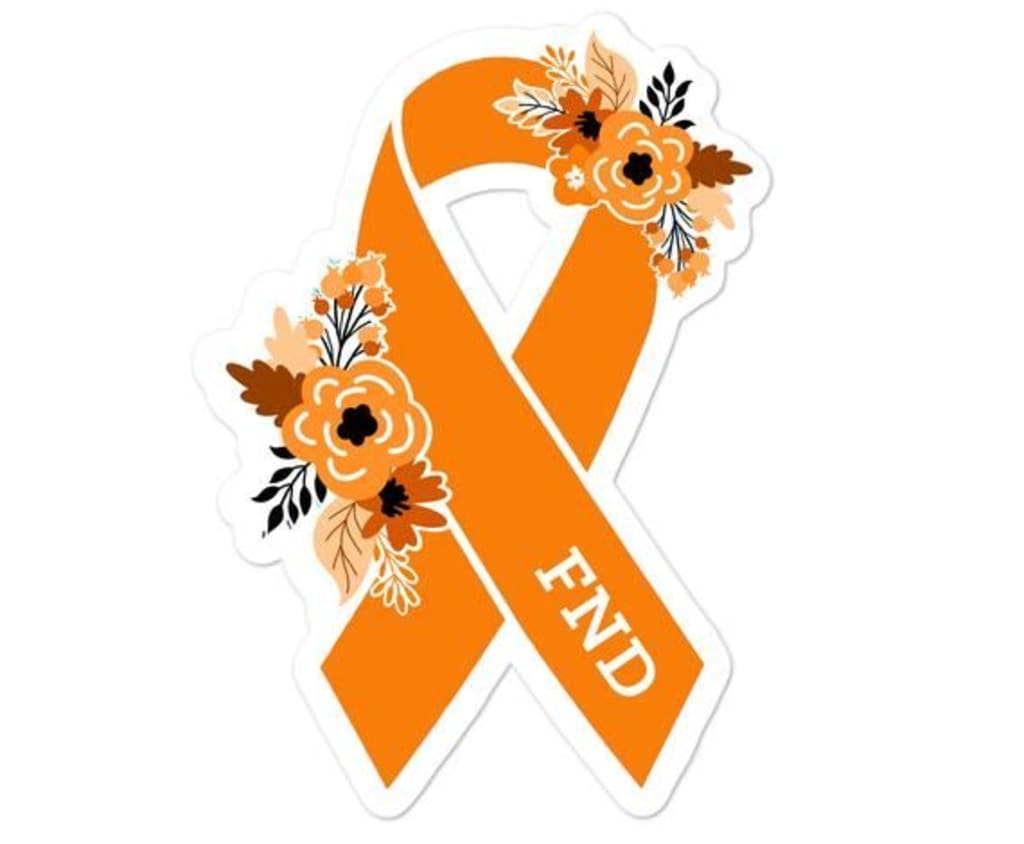
I want to begin this article by going over some acronyms, which I will be using. FND stands for functional neurological disorder and is also referred to as conversion disorder. PNES and PNEA are interchangeable. They stand for psychogenic non-epileptic seizure and psychogenic non-epileptic attack.
Professionals, that I have encountered, often use PNEA because "attack" is less likely to be confused with an epileptic seizure.
What is the definition of FND?
According to the Mayo Clinic, "...feature nervous system (neurological) symptoms that can't be explained by a neurological disease or other medical condition." It is also known as conversion disorder.
What are the symptoms of FND?
While everyone has different symptoms of it, from what I have seen, PNEA and muscle weakness appear to be some of the most common. Other examples include fainting and sudden loss of vision.
How is it diagnosed?
There are no standard tests to determine if it is FND or not. The process involves ruling out other potential diagnoses first.
What causes FND?
The exact cause is unknown but it is believed by many neuropsychologists that it is a trauma response.
What triggers an FND attack to happen?
There are many different triggers for them, most common being stress and anxiety. However, as stated by a neuropsychologist that I see personally, anything causing stress to the body, physically or mentally, can trigger an FND attack to occur. This includes, but is not limited to, heat, cold, dehydration, or ruminating on stressful or anxiety producing thoughts.
Can FND be cured?
I have talked about this with the same neuropsychologist mentioned above and several neurologists and the short answer is, "No." However, there are ways to treat it. They just don't work for everyone.
So, if it can't be cured, what are the main ways to potentially treat it?
The first treatment any doctor will recommend is traditional talk therapy. Other recommendations, depending on your symptoms, may include physical therapy or occupational therapy.
My conversion disorder experience so far:
It started when I was 17 and a half, on a school trip. I was watching the musical Hamilton when I began to feel weird. It was a pressure feeling inside my head. I told my friend who got a teacher and they walked me to the hall for privacy. The teacher got my mom and my friend stayed with me, trying to calm me down since we thought it was an anxiety attack. My mom, a different teacher, and I went to the lobby and I laid my head on my mom. I was seizing for most of the second act, my mom keeping me upright. After my grandma passed away, about two months later, they began to get worse. I went to the emergency department at a local hospital, where they said I was having "pseudo seizures," which scared me. I took Latin and a lot of science classes, so I broke down the word and began to think they thought I was faking it. I began to see a neuropsychologist bi-weekly, alternating with a therapist, about a year later. With the neuropsychologist, I do something known as "short term psychodynamic therapy." It is a more intensive therapy that is supposed to help symptoms of conversion disorder, mainly PNEA, within five years. Not everyone responds to the therapy to lessen symptoms though, I believe I may be in the group of people who is unresponsive to it because they seem to be getting worse gradually. However, with the right supports in place, there is hope. I know people who deal with it and have improved tremendously due to different techniques that doctors have suggested and they have recommended them to me recently.
About the Creator
Rene Peters
I write what I know, usually in the form of poetry. I tend to lean towards mental health, epilepsy, and loss/grieving.
Enjoyed the story? Support the Creator.
Subscribe for free to receive all their stories in your feed.
Comments
There are no comments for this story
Be the first to respond and start the conversation.