
What if I'm the Toxic One?
Stop pointing fingers at others and ask yourself this one uncomfortable question.
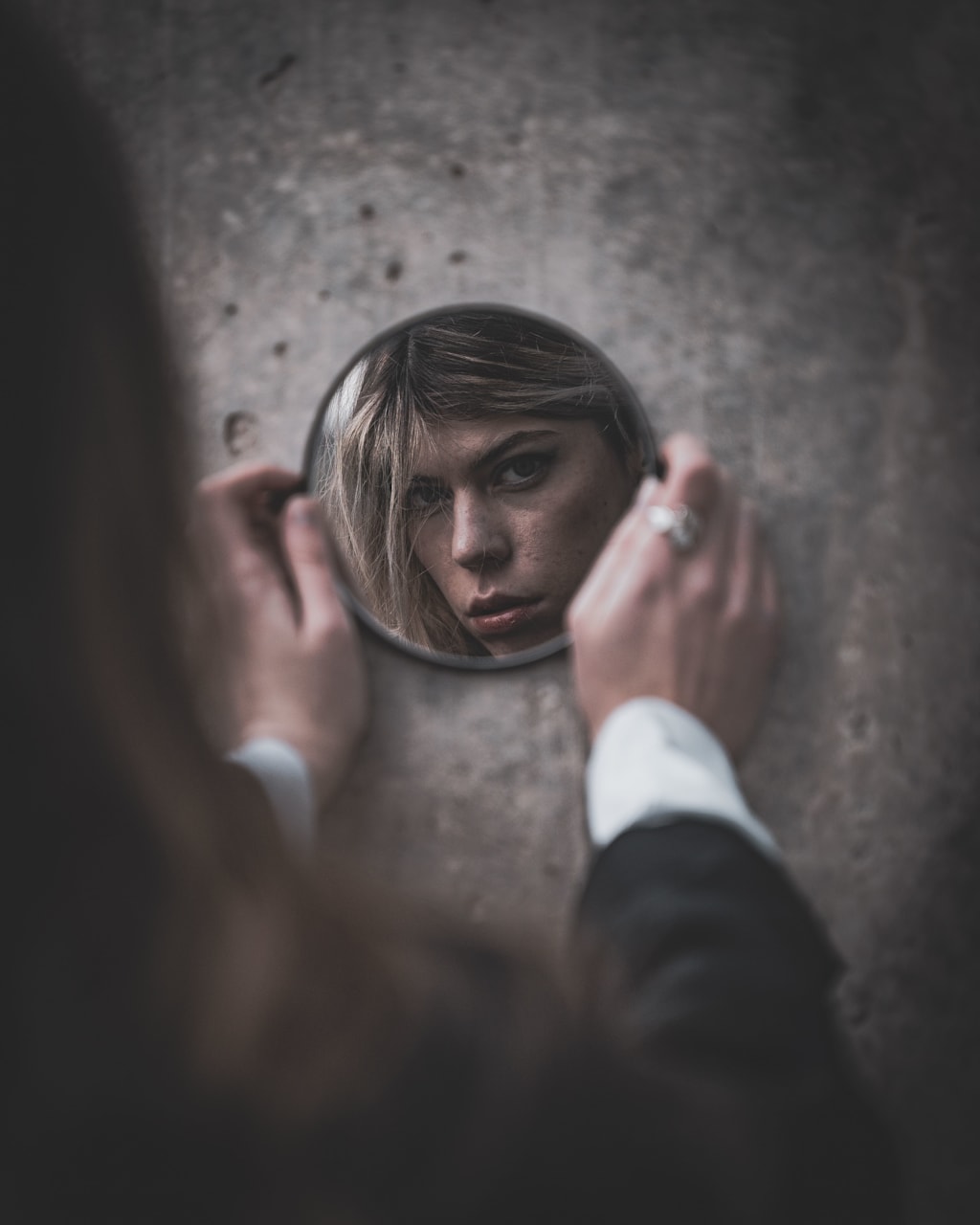
What if I'm the Toxic One?What if you are the toxic one? This question is deeply unsettling. It hurts. Yet, what if we took a moment to observe, with brutal honesty, our own daily reactions?Let’s be sincere: are you truly happy when your colleague receives a bonus or moves up in their career? Don’t you feel a slight pang, an invisible knot, when your partner looks at their phone without you knowing why?During a relationship argument, what is your genuine reaction? Do you choose to talk things out calmly? Or do you prefer to wallow in a punitive silence, sulking for days, becoming cold and distant to make the other person pay without having to verbalize your discomfort?Among friends, how do you react when you notice that your friend is more comfortable with someone else? At a party, if they pay more attention to a newcomer, what is your behavior? What is your deepest feeling?And if you are a parent or grandparent, does it hurt you to see your children or grandchildren show more affection for their uncles, aunts, or friends than for you? How do you react to this apparent loss of exclusivity?These small behaviors that we ignore or minimize on a daily basis say a lot about us. Because toxicity doesn't always come from others. Sometimes, it breeds within us. And the hardest part is that we practice it quietly, without even realizing it.So, ask yourself honestly: what if it's me?What is toxic behavior?Contrary to popular belief, toxic behavior is not just about shouting, hitting, or insulting. No, it is often much more subtle, almost invisible. And that is precisely why we don't notice it in ourselves.For instance, are you truly listening when a loved one confides their problems to you? Or are you simply waiting, with impatience, for your turn to speak so you can bring the conversation back to yourself? Do you let others express their joy freely? Or do you feel an internal shutdown, a shadow falling over you when someone else shines?
With your children, do you allow them the right to express their own opinions and stand up for themselves? Or do you always impose your decisions unilaterally, brushing their arguments aside? Do you compare them to their siblings or to other children, without realizing the scar you are leaving on their self-esteem?These behaviors are neither spectacular nor physically violent. Yet, they act as a slow poison that deeply wounds the people around us. And most of the time, we inflict them under the guise of "good intentions."The trap of fake kindness: the gap between what we show and what we feelThe hardest sign to admit is this one: the mask.You smile when your friend shares excellent news. You offer an enthusiastic "congratulations" when your colleague gets a promotion. On the surface, you play the game of kindness. But what about on the inside? Deep down, a nagging discomfort sets in. A resentment you dare not name.And sometimes, despite your best efforts, this repressed emotion leaks out. It takes the form of a slightly misplaced comment disguised as humor, an abnormally cold reaction, or a heavy silence. You don’t do it on purpose, but the other person intuitively senses the disconnect.In relationships: You swear everything is fine, but your attitude is freezing. You claim you aren't jealous, but you monitor every text, every look, and every smile your partner makes.Among friends: You applaud their success in public, but in private, their achievements mirror your own shortcomings and weigh heavily on you.In family: You keep saying you love your children, but you compare them, criticize them, and fail to truly listen to who they are.This massive gulf between what we display and what we actually feel… that is where true toxicity begins.The mirror effect: me and myselfThere is one final relationship—arguably the most important and most neglected of all: the one you have with yourself. How does the person living inside your head behave? Are they a supportive ally or your worst tormentor?Because "me and myself" toxicity is an invisible reality that ultimately dictates all our external relationships.
up, you refuse to see them climb higher than you?Facing your children's upbringing: Do you systematically oppose their decisions or opinions? Why? Is it truly to protect them from real danger? Or is it because you refuse to lose your grip on them, fearing the moment they step away to live their own lives?If, in all honesty, the answer is that you do not want the other person to be happy without you, to evolve without you, or to express themselves freely… then you must have the courage to name it: at that precise moment, your behavior is toxic. Egocentric. Destructrive.But acknowledging this uncomfortable truth is the most beautiful and powerful first step toward change.Choosing what to do with our shadowsRelational toxicity almost never stems from pure malice. It originates in our unhealed wounds, our poorly managed insecurities, and those dark feelings we can neither understand nor control.The key does not lie in suffocating or ignoring these negative emotions, but in learning to decode them. Every time you catch a reaction of bitterness, control, or coldness inside yourself toward someone you love, stop. Breathe. And ask yourself: "Why am I feeling this? What is my real intention?"This single question has the power to change everything. It prevents you from hurting those who matter to you in the heat of the moment. It pulls you out of the victim role and gives you back full responsibility for your actions.Because in the end, it is never the emotion itself that makes us toxic. It is what we choose to do with it.
About the Creator
Khadija Berkati
Passionate about uncovering the silent truths of daily life. I write about human connections, family dynamics, and the courage it takes to heal. Join me as I explore the delicate balance of love, control, and self-discovery.
Enjoyed the story? Support the Creator.
Subscribe for free to receive all their stories in your feed.
Comments
There are no comments for this story
Be the first to respond and start the conversation.