
The World Feels Too Loud for Some People — And That Might Not Be a Weakness
In a constantly overstimulating world, sensitivity may be less of a flaw and more of a deeply misunderstood form of awareness

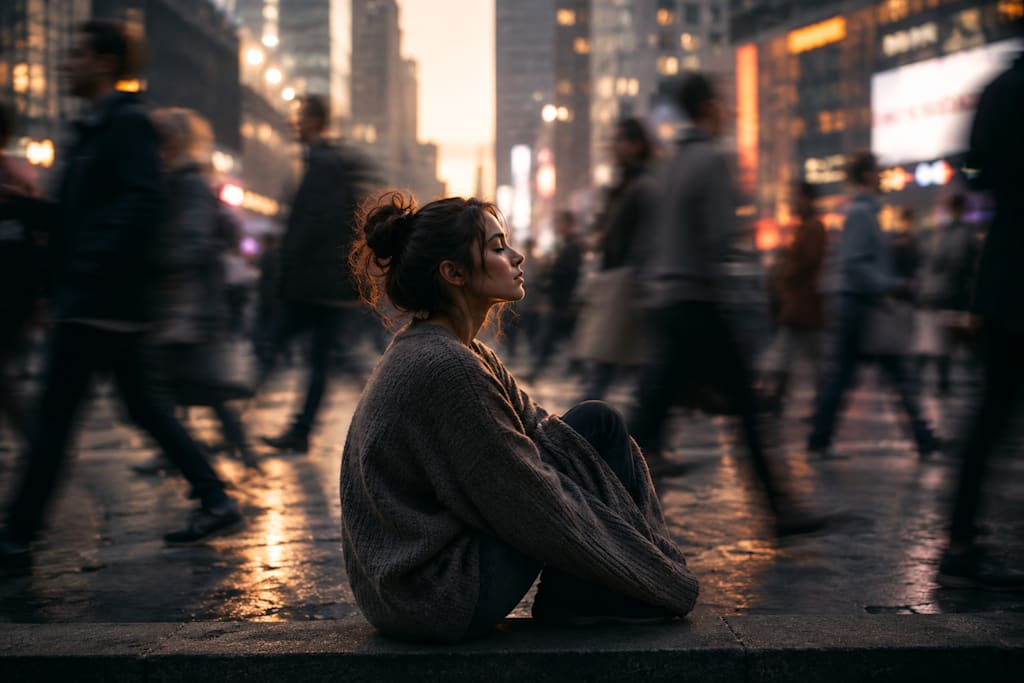
There are people who seem to move through modern life effortlessly.
Crowded shopping centres. Endless notifications. Loud workplaces. Constant conversations. Fast schedules. Bright lights. Competing demands.
Some people seem energized by it.
Others quietly feel exhausted by it almost every day.
For a long time, sensitivity was often framed as a weakness. If the world felt overwhelming, the assumption was that the person needed to “toughen up” or simply adapt better.
But what if that interpretation is incomplete?
What if some nervous systems are simply processing more information, more deeply, and more constantly than others?
Modern Life Is Constant Stimulation
Modern life is incredibly stimulating.
Many people wake up and immediately absorb emails, headlines, messages, social media updates, noise, stress, deadlines, and pressure before their nervous system has even properly settled into the day.
The human brain was not designed for an endless stream of input every waking hour.
For some people, this creates occasional stress.
For others, it creates a constant feeling of internal overload.
Even small things can become draining:
* background noise
* crowded rooms
* too many decisions
* emotionally intense conversations
* constant interruptions
* feeling “on” all day long
Many people push through this overload for years without fully realizing how much it is affecting them physically and emotionally.
Eventually, exhaustion begins to feel normal.
Sensitivity Is Not Always Weakness
Over time, many sensitive people begin believing something is wrong with them because they need more quiet, more recovery, or more emotional space than others seem to need.
But sensitivity is not always dysfunction.
Sometimes it is awareness.
Sensitive people often notice details others miss. They may pick up emotional tension quickly. They may think deeply, reflect deeply, and care deeply.
Many are naturally intuitive, creative, empathetic, or observant.
In quieter environments, these qualities can become genuine strengths rather than burdens.
The Nervous System Needs Recovery Too
The difficulty is that modern environments are rarely designed for nervous system recovery.
Silence has become rare.
Stillness has become rare.
Even rest often comes attached to screens, notifications, or background stimulation.
Many people do not realize how overstimulated they are until they finally experience genuine calm again.
Some people only recognize the difference when they finally step away from constant stimulation for a while.
A quiet morning without notifications.
A slow walk without headphones.
An evening without multiple screens competing for attention.
Moments like these can feel strangely unfamiliar at first. Many people have become so used to noise, pressure, and constant mental engagement that stillness almost feels uncomfortable.
But after enough time in calmer environments, the nervous system often begins to soften.
Thoughts slow down.
Breathing becomes deeper.
The body feels less tense.
And many sensitive people realize they were carrying far more stimulation than they consciously understood.
The modern world often treats overstimulation as normal, but “normal” does not always mean healthy or sustainable.
This does not mean withdrawing from life completely.
It simply means understanding that different nervous systems need different rhythms.
Some People Thrive in Slower Rhythms
Some people genuinely function better when they:
* spend more time in quiet environments
* reduce unnecessary digital input
* take breaks from constant stimulation
* walk in nature
* listen to calming music
* create slower morning or evening routines
* allow space for reflection
These are not signs of weakness.
They are forms of nervous system maintenance.
Learning to protect your energy is not avoidance. In many cases, it is simply self-awareness.
Depth Is Often Quiet
The world often rewards speed, noise, productivity, and constant engagement. But not every valuable quality thrives in that environment.
Some qualities grow best in calm.
Thoughtfulness.
Creativity.
Depth.
Compassion.
Awareness.
Many sensitive people spend years trying to become less sensitive, when the healthier path may actually involve learning how to protect and regulate their energy more wisely.
Not every person is meant to move through life at maximum stimulation all the time.
And sometimes, the people who feel the world most deeply are also the people who understand it most deeply.
About the Creator
Balance Holistic Wellness
Writing about overthinking, emotional exhaustion, burnout, sensitivity, and the challenges of modern life. Exploring how people can find more balance, calm, and resilience in an increasingly busy world.
Enjoyed the story? Support the Creator.
Subscribe for free to receive all their stories in your feed.
Comments
There are no comments for this story
Be the first to respond and start the conversation.