selfcare
The importance of self-care is paramount; enhance your health and wellbeing, manage your stress, and maintain control under pressure.
"My Mother’s Last Message… Arrived Two Days After Her Death"
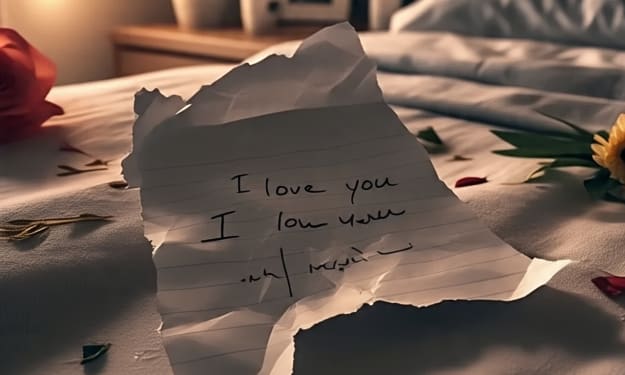
When my mother passed away, the world slowed down. It wasn’t sudden — she had been fighting cancer for over a year. Her final days were quiet, spent mostly in sleep. I held her hand the evening she took her last breath, whispering prayers through my tears. She squeezed my fingers one last time, and then… nothing. The doctors said she went peacefully. We buried her the next day. I didn’t cry at the funeral. I couldn’t. I felt numb, like the world had turned down its color. But two days later, that numbness shattered. It started with a notification on my phone. 1 New Message — Voicemail. The time stamp read 3:17 AM. The sender: Mom. I stared at the screen in disbelief. Her phone had been turned off since the hospital collected her belongings. And yet… here it was. A message from the woman I just buried. With a trembling thumb, I pressed play. --- [Voicemail Audio Begins] "Sweetheart… if you're hearing this, I guess I'm already gone. But I had to try, just once, to say what I couldn’t while I was alive." Silence. Shallow breathing. "I’ve seen something. I don’t know how to explain it. The night before I slipped into that long sleep, someone… or something… came to me." A deep breath. "It wasn’t a dream. I was awake. There was a woman standing in the corner of my room. She wore white. Her eyes... they weren’t cruel, but they were empty. She whispered to me, and the room grew so cold. She said I had one last choice." --- I paused the voicemail. My chest was tight. My palms were sweating. This wasn’t my mother’s usual tone — her voice held fear. She never believed in ghosts or afterlife visions. And yet, here she was, telling me about a visitor before death? I pressed play again. --- [Voicemail Continued] "I asked her what the choice was. She said I could move on — or stay… for you. Just for a moment. Just to warn you. To prepare you." Static crackles. "There’s something coming. For you, I mean. I don’t know what or when. But it’s tied to our family. My grandmother saw it too, once. It skips a generation." She coughs, faintly. "I had a dream of you as a child. You were standing in the hallway… and something was behind you. Watching. Not evil — just… ancient. Curious." Another pause. "I think it’s waiting for your pain to open a door. Don’t let it in." --- The voicemail ended abruptly. No goodbye. No final I love you. Just that haunting message. I didn’t sleep that night. Every creak of the house, every shadow in the corner felt heavier. As if the air itself remembered what she said. The next morning, I called the phone company. I wanted to know how the voicemail was even sent. They told me something I still can’t explain. > “Ma’am, this message was recorded and queued on her number exactly three minutes after her time of death. But there was no outgoing call on the record. No signal. No data.” “But it was sent?” “Yes. From her number. But we don’t know how.” --- Days turned into weeks, and life slowly returned to normal. But the message never left my mind. One evening, I was cleaning out her closet and found an old leather journal. Inside were letters. Some were decades old — from her mother, from relatives. But one envelope stood out. No stamp. No date. Just one word on the front: “For Her.” Inside was a note in my mother’s handwriting. > “If you ever receive a message after I’m gone, believe it. You’re stronger than I was. Whatever comes, face it with truth. Light a candle. Speak my name. I will come.” I dropped the note. My heart pounded. She knew. She had seen it coming. --- That night, I lit a candle in the hallway — the same one she mentioned in the voicemail. I whispered her name three times. Nothing happened. No ghost. No figure. No voice. But the next morning, the candle was out. And beside it, on the floor, was a feather. Small. White. And the air smelled faintly like her perfume. --- I don’t have all the answers. I don’t know what she meant by “something coming.” But I know this: Love doesn’t always end at death. Some warnings come from the other side. And some mothers will do anything to protect their children… Even after they’ve gone.
By Movies Channelabout a year ago in Psyche
What It's Really Like to Be in a Psychiatric Hospital at 17
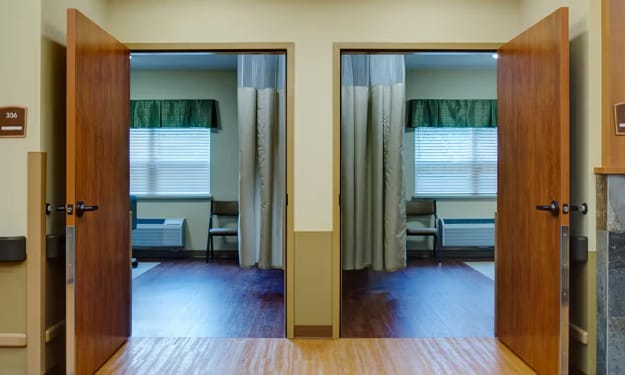
I still remember the way the fluorescent lights buzzed, like they were whispering secrets I wasn’t allowed to hear. I was seventeen and terrified, holding onto a hospital-issue pillow like it could protect me from the truth: I had been admitted to a psychiatric ward.
By Ava Writes Truthabout a year ago in Psyche
Things Trauma Survivors Do That Seem Rude — But Are Actually Coping Mechanisms
They say you’ve changed. That you’re cold. Distant. Rude. But they don’t know the whole story. They don’t know what it took to rebuild yourself after pain. They don’t see the layers beneath your silence. They don’t realize that what looks like “attitude” is actually *survival.* Here are the things trauma survivors do that may seem rude — but are really just protective coping mechanisms. --- ### (1. We Don’t Always Reply Right Away — Or At All) It’s not because we’re ignoring you. It’s because some days, social interaction feels *too much.* Even one message can trigger spirals: “What do I say?” “Did I sound cold?” “What if they get mad?” So instead, we go silent — not because we don’t care, but because we’re *overwhelmed*. --- ### (2. We Cancel Plans Last-Minute) Not because we’re flaky. Because we woke up that day with a full emotional tank. The idea of putting on a social mask, pretending we’re okay, or being “on” for hours? Too heavy. We want to show up. We just don’t always have the capacity — and that doesn’t make us bad friends. It makes us *honest* ones. --- ### (3. We Take Time to Open Up — Even When We Trust You) You might think we’re holding back. That we don’t care. That we’re hiding something. But trauma taught us that being open = getting hurt. So now, even safe spaces feel scary. It takes time. Repetition. Gentle patience. Eventually, the walls drop — but they weren’t built overnight, and they won’t fall overnight either. --- ### (4. We Set Hard Boundaries — And Don’t Always Explain Them) We say “no” quickly. We don’t always justify it. We might distance ourselves without warning. It’s not about you. It’s about our safety. Boundaries are how we keep ourselves from slipping back into people-pleasing, burnout, or emotional dependency. We’re not being rude. We’re being *protective*. --- ### (5. We Don’t Like Surprise Visits, Loud Spaces, Or Being Put On The Spot) Trauma made us hyper-aware. Our nervous systems live on edge. So unplanned chaos — even “fun” chaos — feels threatening. It’s not that we don’t want to be spontaneous. We just need a heads-up. A breath. A moment to prepare. That’s how we feel safe — not controlled. --- ### (6. We Might Come Off “Too Independent”) We don’t always ask for help. We don’t always vent. We carry our own pain like it’s normal. Why? Because we *had to*. Because opening up was once met with judgment, dismissal, or punishment. So now, we handle things alone — not because we want to, but because we *learned to*. --- ### (7. We Test People — Quietly, Subconsciously, Deeply) Not to manipulate. But to protect our hearts. We say something vulnerable and watch how you respond. We disappear for a bit to see if you’ll check in. We share 10% and wait for the judgment. It’s not a game. It’s a trauma response. And the right people pass without even knowing there was a test. - - - - - - - - - - - - - - - - - - - - - - - - - - - - - - - - - - - - - - - - - - - - - - - - - - - - - - - ### 🌿 Final Thought Trauma doesn’t always show up in big scars. Sometimes, it shows up in quiet boundaries. In selective replies. In missed calls. In emotional shutdowns mistaken for rudeness. If you’ve ever been misunderstood for simply protecting your peace — you’re not broken. You’re *healing*. You’re unlearning survival habits that once saved you. You’re rebuilding trust in a world that taught you fear. You’re allowed to be guarded while you grow. And the right people? They won’t label you “rude.” They’ll see you. Stay anyway. And softly remind you: **You don’t have to survive here. You’re safe now.** --- So if someone tells you, “You’ve changed,” just smile gently and say: **“I had to.”**
By SHADOW-WRITESabout a year ago in Psyche
Why Your “Calm Era” Feels Lonely — And Why That’s a Good Sign
You wanted peace. You prayed for clarity. You begged to break the cycles. You swore you’d never go back to people who drained you. And now? You have it. Less chaos. Fewer fake connections. More solitude. More quiet. More stillness. But here’s the unexpected truth: **Peace feels lonely when you’re not used to it.** And that doesn’t mean you’re doing it wrong — it means you’re *healing right.* --- ### (1. You’ve Outgrown People Who Fed Off Your Chaos) Let’s be honest — some relationships were built on dysfunction. The gossip. The trauma bonding. The shared self-destruction. Now that you’re no longer complaining, chasing, or tolerating, those people are… gone. And while their absence stings, it’s a **sign of growth**, not loss. You’re not too much — you’re just no longer available for what once kept you stuck. --- ### (2. The Silence Feels Loud — Because Your Nervous System Isn’t Used to Rest) When you’re used to adrenaline — constant texts, emotional fights, toxic apologies — peace feels weird. You wait for the message. The betrayal. The disappointment. But it doesn’t come. And instead of feeling safe, you feel anxious. That’s your nervous system detoxing. Not from people — from *patterns*. --- ### (3. You’re Getting to Know a Version of Yourself You’ve Never Met) For so long, your identity was built around surviving. Being needed. Being reactive. Being everything for everyone. Now, there’s space. You can breathe. You can think. You can choose. But that space can feel empty — because you’re meeting *you* without all the noise. And sometimes, meeting yourself is the loneliest, most necessary chapter of all. --- ### (4. People Think You’ve Changed — And You Have) You stopped oversharing. You stopped chasing one-sided relationships. You stopped laughing at things that weren’t funny. Now they say, “You’re distant.” “You’re not the same.” “You think you’re better.” No — you’re *healing.* You’re no longer dimming yourself to fit into small rooms. Let them misunderstand. Your peace is not up for debate. --- ### (5. You Miss The Highs — Even If They Hurt) The late-night calls. The drama. The apologies after the fight. The intensity that felt like passion — but was really pain. You miss it. That’s normal. But now, you know the difference between excitement and emotional whiplash. You know that love isn’t supposed to feel like survival. Missing the chaos doesn’t mean you want it back — it means you’ve evolved past needing it. --- ### (6. You’re Realizing How Few People Know the Real You) Now that you’re more grounded, emotionally aware, and self-protective… You’re also more selective. You don’t overshare with everyone. You don’t chase approval. You don’t beg to be understood. And that means fewer people feel close to you — but the ones who *do*? That’s your tribe. --- ### (7. You’re Finally Feeling Your Feelings — And That’s Hard) In the calm, the old pain resurfaces. The grief. The regret. The heartbreak. You didn’t process it when you were busy surviving. Now? It’s all coming up. But don’t run. Sit with it. This is the storm before emotional clarity. Your “calm era” is really your **clearing era** — and the real you is underneath it all. - - - - - - - - ### 🌿 Final Thought Healing isn’t always inspiring. Sometimes it’s quiet. Lonely. Disorienting. But that silence? That stillness? It’s your soul coming back home. If your “calm era” feels weird, lonely, or even sad — it’s okay. You’re not regressing. You’re not broken. You’re detoxing from years of noise, numbness, and emotional chaos. And that gap you feel? It’s not emptiness — it’s *space*. Space for real connection. Space for peace that lasts. Space for a version of you that doesn’t need to survive anymore. **You’re not alone. You’re just finally free.** And that feeling? It gets lighter with time.Why Your “Calm Era” Feels Lonely — And Why That’s a Good Sign.
By SHADOW-WRITESabout a year ago in Psyche
The Day I Stopped Apologizing for Existing
The Day I Stopped Apologizing for Existing How I finally reclaimed my space in the world. For as long as I can remember, I’ve been apologizing. Sorry for speaking too loudly. Sorry for not speaking enough. Sorry for asking questions. Sorry for having needs. Sorry for simply existing in spaces that made me feel small. It started young. In classrooms, where I raised my hand too often. At home, where I was told to “be quiet” or “stop being sensitive.” With friends, where I learned to shrink myself to avoid rejection. By the time I was a teenager, "sorry" rolled off my tongue like punctuation. I apologized for being late, for being early, for saying the wrong thing, for saying nothing at all. I apologized for taking up space, for making mistakes, for being human. I even apologized when other people hurt me—as if their actions were somehow my fault. I became so skilled at shrinking, I forgot how to stand tall. But life has a way of handing you mirrors—moments when you finally see yourself clearly. My mirror came on an ordinary afternoon during a job interview. The interviewer—a woman in sharp heels and sharper words—barely looked up from her clipboard. "Tell me why you're qualified," she demanded. I fumbled through my answers. Every sentence laced with hesitation. Every strength downplayed. Every accomplishment wrapped in apologies: "I'm sorry if this sounds like bragging, but…" "I hope this doesn't come off as overconfident…" "I’m probably not the most experienced, but I work hard…" She stopped me mid-sentence. "Why do you keep apologizing for yourself?" she asked, eyebrow raised. I froze. Why? Because I always had. Because somewhere along the way, I believed I had to. That confidence was arrogance. That honesty about my worth made me unlikable. That existing unapologetically made me a problem. I didn’t get the job. But I got something else: a wake-up call. That night, I stood in front of my mirror—the literal one this time—and repeated three words I'd never said to myself before: Stop apologizing. It felt strange. My reflection didn’t change. But inside? A tiny spark lit up. I decided to stop apologizing for the following: My ambitions My opinions My boundaries My dreams My body My existence Was it easy? Absolutely not. The first time I said "No" without cushioning it with an apology, my heart raced. The first time I spoke confidently about my skills, my voice trembled. The first time I walked into a room without shrinking, my hands shook. But I kept going. I practiced. I rewired my words. I replaced "Sorry, but—" with "Thank you for your patience." I replaced "I'm probably wrong, but—" with "Here's my perspective." I replaced "I’m not sure I belong here," with "I earned my place here." Little by little, I stopped shrinking. I realized: Confidence isn't arrogance. Boundaries aren't selfish. Taking up space isn't rude. Existing unapologetically isn’t a flaw—it’s survival. The more I honored myself, the more the world shifted. Some people didn’t like the new me—the louder me, the unapologetic me. But that’s okay. Their discomfort isn’t my responsibility. I’ve learned that when you stop apologizing for existing, you open the door to the life you truly deserve. A life where: You say "No" without guilt. You celebrate your wins without minimizing them. You walk into rooms with your head high. You know your worth, even if others don’t see it. I still slip up sometimes. Old habits whisper. But now, I catch myself. I correct the language. I stand taller. I remind myself: I have a right to be here. I have a right to be heard. I have a right to exist—without apology. And so do you. If no one's ever told you this: Stop apologizing for being too loud, too quiet, too much, or not enough. Stop apologizing for taking up space. Stop apologizing for existing. The world needs your full, unapologetic self. Take up space. Own your story. You belong.
By Straylightabout a year ago in Psyche