selfcare
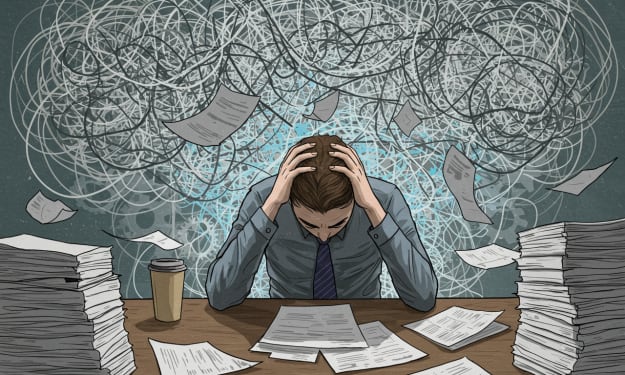
The importance of self-care is paramount; enhance your health and wellbeing, manage your stress, and maintain control under pressure.
Dreams as Emotional Therapy. AI-Generated.
Every night when we close our eyes, our minds enter a mysterious world of dreams. Some dreams make us laugh, others frighten us, and some leave us puzzled for days. While many people dismiss dreams as random images, science shows they serve a deeper purpose. Dreams are not meaningless; they are one of the brain’s most powerful tools for emotional healing. The Mystery of Why We Dream For centuries, philosophers and scientists have debated the purpose of dreams. Ancient cultures believed dreams carried messages from the gods or the future. Sigmund Freud suggested that dreams reveal our hidden desires. Today, modern neuroscience views dreams as a kind of natural therapy. When we dream, the brain organizes emotions, solves problems, and processes stress in ways we may not understand while awake. How the Brain Processes Emotions at Night During the day, our brains are bombarded with information, stress, and emotional ups and downs. When we sleep, especially in the stage known as REM sleep, the brain replays these experiences in a symbolic way. Dreams allow the mind to reframe events, soften painful emotions, and rehearse possible responses to challenges. For example, if you had an argument with a friend, your dream might not replay the fight directly. Instead, you may dream about being trapped in a storm or trying to escape from a crowded place. The dream translates your emotions into symbols, helping the brain make sense of what happened and calm down emotional stress. Fear and Anxiety in Dreams Nightmares, though unpleasant, are part of this emotional process. They are the brain’s way of confronting fears in a safe space. In fact, research shows that people who dream about their fears often feel less anxious about them in real life. By facing danger in dreams, the brain practices survival without real consequences. This may explain why many people have recurring dreams of being chased, falling, or showing up unprepared for an exam. These dreams reflect deep-seated anxieties that the brain is trying to work through. Even though they are uncomfortable, they are actually a sign that the mind is trying to heal. Dreams as Problem-Solvers Dreams are not only emotional therapy but also creative problem solvers. Many artists, scientists, and inventors have credited dreams for their discoveries. The structure of the periodic table, famous songs, and even literary masterpieces have been inspired by dream experiences. When the brain dreams, it is free from the strict rules of logic that guide waking thought. This freedom allows creative connections that would never happen during the day. That is why “sleeping on a problem” often leads to new insights in the morning. Hidden Desires and the Subconscious Mind Dreams also act as windows into hidden parts of ourselves. They sometimes reveal desires and emotions that we do not acknowledge when awake. Freud believed that dreams disguise these desires in symbolic form. For example, dreaming of climbing a mountain might reflect ambition, while dreaming of water might reveal emotional depth. While not every dream has a clear meaning, exploring recurring patterns can help us understand our inner world. Keeping a dream journal, for example, often reveals themes we may not notice at first. The Healing Power of Dreams Recent studies show that dreams can reduce emotional pain. When people recall traumatic events in their sleep, the emotional intensity often becomes weaker over time. This is because during REM sleep, the brain processes memories without releasing large amounts of stress hormones. In a way, dreams allow us to revisit painful experiences in a gentler form, slowly making them easier to live with. This natural therapy is why people who suffer from sleep problems often struggle more with anxiety or depression. Without enough dream sleep, the brain loses its chance to repair emotional wounds.
By Muhammad Hussainabout a year ago in Psyche
Can Anxiety Cause Lightheadedness?
Have you ever felt like you are floating or about to faint when you are too anxious about something? It could be before speaking in front of a huge audience, or going for an interview, or any other moment that makes you feel anxious.
By Ankita Deyabout a year ago in Psyche
Discovering Yourself Through the Stars
In today’s world, many people are seeking clarity about who they are and what direction to take in life. Questions about purpose, identity, and relationships often surface during times of change. While there are countless tools for personal growth, Astrology and Human Design have become two of the most powerful ways to better understand yourself and your connection to the world around you.
By Health Manifestedabout a year ago in Psyche
it’s okay to disappear
Ghosting everyone because you’re lost inside yourself—and why that doesn’t make you a bad friend. There are seasons in life when you suddenly find yourself slipping away from everyone. Not out of spite, not because you stopped caring, but simply because you don’t know what’s happening inside you anymore.
By Zakir Ullahabout a year ago in Psyche
The Sound of My Name in Other People’s Mouths
The Sound of My Name in Other People’s Mouths by [Numan writes] There’s a way my mother says my name that folds time. It carries the softness of early mornings and warm milk, the scent of jasmine from her shawl, and the quiet weight of lullabies hummed rather than sung. In her mouth, my name is a prayer—gentle, deliberate, each syllable laced with a kind of trembling care, like she’s still afraid to break me.
By Numan writesabout a year ago in Psyche
Why You're Burning Out: The Hidden Cognitive Factors That Are Draining You
When we hear the word "burnout," our first instinct often is that it's about working too hard or being overwhelmed with too many tasks. But burnout doesn’t always result from doing too much. In fact, sometimes burnout happens because the task you’re working on stops adapting to your cognitive needs. It’s not about adding more breaks to your schedule; it’s about addressing a mismatch between your mental system and the task you're facing.
By Nikesh Lagunabout a year ago in Psyche
Dexter, ADHD, and the Quiet Labor of Masking
Masking has been a part of my life for as long as I can remember. Long before I knew I had ADHD, I was quietly sanding down my edges, trying to fit into a puzzle that never seemed designed for me. Being late diagnosed means I can now look back and finally name that struggle—every awkward attempt to belong, every exhausting effort to “pass” as normal.
By Small Sanctuariesabout a year ago in Psyche
What If Collapse Was the Moment to Come Back to Yourself?
We are living in strange times. Times that shake us, that unsettle and disturb. Every newsfeed feels like a prelude to disaster: rising geopolitical tensions, economic instability, the threat of war, urban violence, the resurgence of extremism, environmental disasters, inflation, and a growing sense that the future is slipping out of reach.
By Bubble Chill Media about a year ago in Psyche
So, Whose Responsibility is Burnout Anyway?
In today’s fast-paced, hyper-connected world, burnout has become a global catastrophe, silently eroding the foundations of our workforce and society at large. As we navigate the complexities of modern work life, a pressing question emerges: who bears the responsibility for combating this depressingly ever-worsening threat?
By Bianca Bestabout a year ago in Psyche