selfcare
The importance of self-care is paramount; enhance your health and wellbeing, manage your stress, and maintain control under pressure.
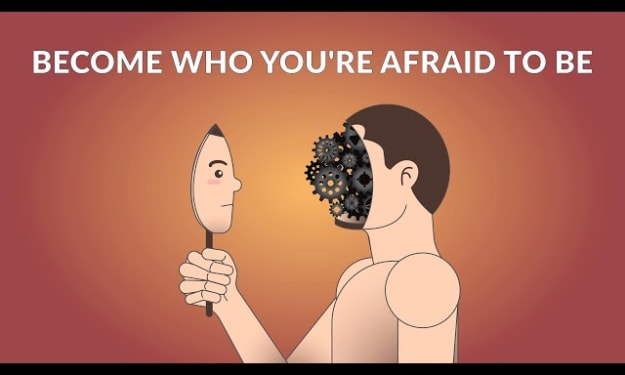
Become who you are Afraid to be.
Most people are afraid to fully be themselves. They’re afraid to embrace the parts of themselves that might be regarded as unacceptable, because embracing these unacceptable parts makes them feel uncomfortable. So to escape this uncomfortableness, they divide themselves into two halves: conscious and unconscious. In the conscious-half, they construct an ideal image of themselves: an image formed out of the bits and pieces of their past that they deem as good and acceptable. And as a result, in the unconscious-half, they repress the parts of themselves that they view as bad and unacceptable. In Jungian psychology, this repressed part of the personality is called /The Shadow/. And unless The Shadow is integrated into the personality, a person can never reach their fullest potential. Instead, one will always remain incomplete, fractured, and partial—living a life of regret rather than the full life that could have been. Imagine, for example, that I’ve solved a few equations and convinced myself that I’m a great mathematician. I might meet a few friends, and they tell me that they have a maths club. They gather every weekend and try to have a crack at maths most difficult problems. This scares me, because if I join, I’ll no longer get to be the ‘great mathematician’ that I’ve convinced myself I am. Instead, I’ll be a concrete person with actual strengths and weaknesses. And in this scenario, there are two possible actions I can take. The first action is to run from my shadow and let it grow. I refuse to join the maths club and realize my own weaknesses as a mathematician. I get to cling to the ideal image of myself as a great mathematician, but as a result, I lose the opportunity to actually become one. The second action is to come into contact with my shadow and integrate it. I join the maths club and realize that I’m not the great mathematician that I thought I was. In the short term, this hurts. I discover that I’m not very good at geometry, but also that I excel in differential equations. I become measured with my colleagues. I have an actual place and rank among other mathematicians. In reality, I realize I’m not the great mathematician I thought I was, but now I open up the possibility of actually becoming one. I can actually improve my skills and rank. In the long run, this ends up being the best decision I’ve ever made. See, in a way, we often prefer to be pure potential. We convince ourselves we /could be/ whatever we want to be, but don’t actively work to /actually/ be something. We just comfort ourselves with the idea that we could be something if we wanted to. This is because when we work towards something, we start feeling our weight in the world. We’re measured and ranked. We’re quantified and actual. And this actual reality is often less pleasurable to live in than our ideal fantasy. But it’s real, not a fantasy. And reality can be improved, but a life of imagination always ends in tragedy. The path to self-improvement starts with self-acceptance. Only by embracing and integrating our shadow, by accepting the ugly parts of ourselves, by becoming who we’re afraid to be, can we reach our fullest potential. But if we reject our shadow, if we pick and choose the parts of our past, personality, and behaviour that we like and repress the parts of ourselves we fear, we become incomplete and partial. And instead of living a full, whole life, we live one full of regrets. But it’s up to you to decide: in Jungian terms, will you embrace your shadow or reject it? Would you rather fail in actuality or succeed in mere hypotheticals?
By Ash Martin3 years ago in Psyche
Title The Transformative Power of Psychology
The Transformative Power of Psychology: How It Can Save Your Life Psychology is the study of human behavior and mental processes. It is a field that has the power to transform lives. When we think of psychology, we often think of therapy sessions, but there is so much more to it than that. Psychology can help you understand yourself better, improve your relationships, and even save your life. Many people who have struggled with mental health issues have found solace in the field of psychology. It offers a path to self-discovery and can provide tools for managing stress, anxiety, and depression. In this post, we will explore the transformative power of psychology and how it can help you overcome challenges and lead a happier, healthier life. From cognitive-behavioral therapy to mindfulness practices, we will delve into the various ways that psychology can be used to improve your mental and emotional well-being.
By oghenerukevwe favour anthony3 years ago in Psyche
The Intriguing Connection: Exploring the Possibility of a Baby Absorbing Mother's Memory and Genetics
The bond between a mother and her child is one of the most profound and mysterious connections in the human experience. As a baby develops within the mother's womb, it is nurtured and shaped by her body, but does this intimate connection go beyond physical nourishment? This essay delves into the fascinating question of whether a baby absorbs its mother's memory and genetics during pregnancy, exploring the current scientific understanding and cultural beliefs surrounding this phenomenon.
By Armando Rios3 years ago in Psyche
9 Things Depression Makes You Want to Hide
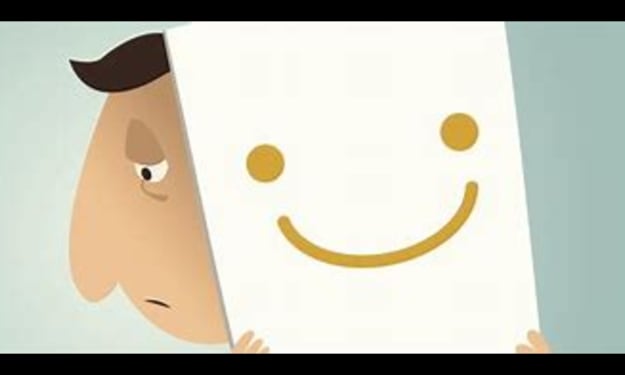
Here are nine things depression often makes you want to hide! - Inner Turmoil and Negative Thoughts Depression is accompanied by a whirlwind of emotions, negative thoughts, and self-doubt; and you might feel like you need to hide these inner struggles from others. You're afraid that you are a burden to others, or fear their sharing of your thoughts will scare them away. Now, you have the choice of putting on a nice face and showing your other side to the world. Although it looks like a way to guard yourself, this may make the rest of us less able to understand just how much you're struggling and what kind of support you need. - Intense Feelings of Loneliness and Isolation Dealing with depression often leaves you feeling like you're trapped in a deep, dark hole; completely isolated and convinced that no one else could possibly understand what you're going through. But one of the major obstacles in how you open up about your emotions to others can be fear of being misunderstood. You think they’ll judge you or dismiss your symptoms as just being in your head. This can be super discouraging and make you want to just clam up and keep everything buried inside. - Perpetual Exhaustion and Fatigue Depression saps your energy and leaves you feeling depleted - like you have nothing left to give. Physically, depression manifests as a constant low-grade fatigue; while mentally, it’s like someone has turned down the brightness knob, leaving your mind in a heavy fog. The pressure to preserve a facade of normality is what makes it all so complicated. Many of us are told by society to be strong and cohesive; so you're getting used to masking your exhaustion through fake smiles and assurances that you "just do it right." You may feel overwhelmed and defeated when you constantly try to show a false front. You're operating at half capacity, unable to satisfy your own expectations or those imposed on you by others. - Loss of Interest and Enjoyment Depression has a way of taking the wind out of your sails. Everyday activities that used to bring joy feel like a chore - or just empty and joyless. Now it feels like a spark that had once ignited your passion is gone. It's also normal to hide that feeling of indifference and it just creates a barrier in your relationship with other people. Suddenly, social events that used to be fun and exciting are a burden. You're making excuses so you can avoid them. Or maybe you don’t want to disappoint loved ones by not appearing invested in the things that used to bring you happiness, so you pretend. However, it will often result in a sense of isolation and detachment. - Self-Care Struggles Living with depression can, at times, make even the most basic self-care tasks feel overwhelmingly challenging. It becomes an insurmountable obstacle to take a shower, eat nutritious food or get sufficient sleep. It's as if these simple acts require a great deal of effort and willpower, draining you both physically and emotionally. The fear of judgment and mistaken belief from others is always a major part of these struggles. You may feel like hiding the problems that you're dealing with, fearing it will be seen as laziness. And that fear of being judged or not understood can reinforce the isolation and loneliness that depression often brings. - Financial Struggles When you’re struggling with depression, staying on top of your work tasks and performing at your best can be tough, and this can lead to job instability. Similarly, depression makes it challenging to focus, stay motivated, and make sound financial decisions. Furthermore, the shame and fear of being seen as a failure can worsen the effects of depression on your job and financial situation. Fears of what other people will think, or the belief that asking for help is a sign of weakness, cause you to hide your financial difficulties. Unfortunately, keeping your financial struggles hidden can intensify the stress and anxiety you experience due to depression. It creates a cycle where you’re not addressing the challenges you face, which further impacts your mental and financial health. - Pile-Up of Uncompleted Tasks It can be incredibly challenging to navigate life when depression weighs you down. No matter how small or simple it may seem to others, all of this is going to become an uphill battle. Even the most basic tasks are made difficult by fatigue and lack of energy or willpower, as well as overwhelming sadness. Then feelings of shame and guilt are often exacerbated, when the remaining tasks begin to pile up. You begin to blame yourself and think that you are weak or incapable of handling your responsibilities.– Self Harm or Substance Abuse When dealing with depression and trying to cope, it’s not uncommon to resort to self destructive behaviors. These behaviors vary and can include substance abuse, alcoholism, self harm, overeating, or even engaging in risky intimate encounters. While these coping mechanisms may provide a temporary sense of relief and distraction from emotional pain, the consequences are often not very good. In addition, when you engage in such behavior, it usually leads to feelings of shame and guilt, which in turn leads to a vicious cycle, where you just want to hide your behavior so that you don't disappoint your loved ones.- Treatments or Medication Therapy and medication both work well for treating depression. Your overall well-being could benefit considerably from these therapy alternatives. However, discussing them can occasionally be awkward. Due to the anxiety of being viewed negatively or stigmatized, talking about medicine and therapy can be challenging. You fear that your difficulties will be downplayed, invalidated, or that you will be characterized as weak. Such concerns can restrict the opening up of dialogue, as well as impede your request for help. Depression is not something that you have to face alone. There's a lot of people out there who are prepared to help you, whether they're friends or trained professionals. But it may be difficult at first to open up about things like this, but we can make huge and brave steps forward in our recovery. Don't be scared of letting others in, accepting their support. On your journey to health, it can have a big impact.
By Nwanya Paschal3 years ago in Psyche
Would it be a good idea for you be maniac?
Whenever, we hear the word maniac we quickly consider chronic executioners and the most ridiculously fiendish hoodlums in mankind's set of experiences and that is not completely off-base yet the cardiovascular specialist who saves your grandmother's life could truly be all the more an insane person rather than John Wayne Gacy I will break down what a sociopath is and isn't with a couple of models that will show you whether you take on a similar mindset as an insane person I'll show you the study of how an insane person works why he is what he is and provide you with a nitty gritty examination of why somebody the entire world views as an insane person truly wasn't then I'll show you why you genuinely should transform into a smidgen of a sociopath yourself first this is the way a genuine sociopath thinks Dr Kent Fall is one of the world's driving scientists on psychopathy he's presently a teacher of brain science neuroscience and regulation at the College of New Mexico as he runs the lab at the Brain research organization yet he started out by talking and dissecting the cerebrum sweeps of insane people in Canadian jails including one detainee he called Bounce in his book The maniac Whisperer he subtleties one of Sway's lawbreaker Attempts climbing over the boundary from Canada to the US to purchase containers of cigarettes to carry back to exchange on burdened pretty standard low-level wrongdoing stuff yet how Sway sold his pirated smokes shows the distinction among Maniacs and us so how about we think about how as a crook would empty his Products the simplest arrangement is discount them to a broker and afterward back person accomplishes the monotonous work of selling every container it's anything but a terrible arrangement you'd prepare your cash and afterward you're for one more excursion over the Line yet a maniac can show improvement over that the conspicuous client base for cigarettes is smokers they're your objective market here in any case so you sell straightforwardly to every one of the smokers that you can find then, at that point, do this process again it seems OK yet it wouldn't happen to a sociopath to do it that way there must be a more worthwhile choice like offering to underage children they'd struggle with getting smokes all alone so perhaps there's a flourishing Bootleg market ready to be tapped and this begins to indicate an insane person's absence of moral compass he just wouldn't mind that he was possibly causing damage to kids yet that is as yet not sufficient for a genuine maniac and what Sway truly did exhibits the insane person's all out solace with serious debasement in the event that it checks out Bounce's favored client was somebody who couldn't stroll into a general store and purchase a pack or even ask another person to purchase for them somebody who truly ought not be smoking somebody who might be embarrassed to be seen purchasing cigarettes by any stretch of the imagination not to mention truly smoking them somebody who might pay far more cash for the item than any other individual to stay away from that multitude of circumstances Bounce offered his cigarettes to pregnant ladies since they paid the most in addition to the fact that he never mulled over the results or ethics of it yet it was really glad for recognizing the most powerless and most beneficial clients for his carried Products Weave was a genuine sociopath yet his unfeeling impartial methodology and his all out absence of any culpability is just a minuscule piece of what comprises psychopathy the actual word is great and truly futile John seabrook's 2008 article in the New Yorker was named languishing spirits over an explanation that is in a real sense what the breakdown of the word mental case implies the off-kilter marriage of the Greek mind meaning soul and sentiment significance feeling or experiencing it's an extraordinary method for depicting something so perplexing and it additionally lets us know nothing the Conundrum with psychopathy is that we scarcely comprehend it regardless of Maniacs having consistently existed each clan in mankind's set of experiences has two or three Spirits that weren't exactly correct the inner voice that exists for every other person that ethical code they work inside to get along with the remainder of society it isn't there for them Maniacs have an example of hostile to social way of behaving that reaches out all through their lives and Society needs to discover some approach to managing it the book of Deuteronomy is the fifth book of the Jewish Torah it was presumably composed around 400 BC and this is the way Deuteronomy managed an enemy of social youngster assuming somebody has a difficult and defiant child who doesn't submit to his dad and mom and won't pay attention to them when they discipline him his dad and mom will grab hold of him and carry him to the elderly folks at the Entryway of his town they will tell the elderly folks this child of our own is obstinate and defiant he won't submit to us he is an epicurean and a lush then every one of the men of his town are to Batter him to the point of death you should Cleanse the evil from among you all Israel will know about it and be apprehensive definitely this is one of the earliest on the off chance that not the earliest notice of psychopathy including a few components of the advanced agenda we use to assist with distinguishing Mental cases, for example, clear examples of flighty Conduct a background marked by adolescent misconduct and an inability to acknowledge liability regarding one's activities it reflects how unnerving a maniac is to typical individuals and the amount of a disrupter they can be not terrible, but not great either much that the focus point was better beat him the tar out of with rocks 100 years after the fact the Greek scholar theophrastus composed characters which frames 30 unique moral sorts and their ways of behaving one was the deceitful man who boldly swindles others and makes the most of them part of what clinicians could now allude to as a parasitic way of life from the Torah to characters we see awful individuals yet are they truly Insane people perhaps yet it's truly difficult to tell who's an egotist or self centered or coldblooded or who's neurodivergent Hans Asperger himself at first called Asperger's Condition mentally unbalanced psychopathy and it's not difficult to see the reason why Asperger utilized the term Alexa thymia is the failure to distinguish or convey one's own sentiments is it moment certainly clear whether somebody is Alexa thymic or that they don't have sentiments to convey what might be said about the absence of social close to home correspondence that is essential for a Chemical imbalance Range conclusion or less nuanced facial discernment how would you separate somebody who isn't excellent at it from somebody who isn't modified to mind hello take these five words and rank them from generally sincerely good to generally genuinely pessimistic acceptable for me the rundown goes like this it's absolutely conceivable that you rank pup first since you love canines and pups give you a feeling of Pleasure that is significantly more grounded than chuckling that is absolutely legitimate yet the remainder of the rundown appears to be clear a table is unbiased's it's a table you truly shouldn't feel too good or pessimistic about a table yet the two pessimistic words are different a stopping ticket sucks yet malignant growth is genuinely terrible you wouldn't need possibly one yet a stopping ticket is plainly ideal genuine insane people battle to rank words in this style in light of the fact that to them they're all lovely worth unbiased words there's no barely recognizable difference among pup and giggling and even pup and disease whatever they're both just things who cares to an insane person what will be will be the Subtlety we find on the planet albeit little subtleties that figure out who we are the way we explore life and how we process what's around us is genuinely hosed for a sociopath yet like line in Wayne's Reality you realize I assumed I had Mono once for a whole year turned out I was super exhausted could you at any point distinguish where normal issues stop and psychopathy starts or think about this perhaps an individual with a long history of standoffish way of behaving is only a major jerk that stuff is all important for psychopathy yet on its own it's deficient to meet our flow edge of determination as Humankind gradually recognized the most awful among its own positions they actually needed to sort out some solution for them for countless years there was presumably some variant of the Deuteronomy arrangement dispose of them in the event that not assault them genuinely you evade them In banishment you kill the issue and nullify the peril these individuals bring to your clan's endurance the yorubas of Nigeria called their maniacs are a thumping and the Inuit called them conlangeta psychopathy is definitely not a cutting edge peculiarity that is a result of our preposterously convoluted experiences no culture has been safe except for here's an inquiry consider the possibility that we could saddle psychopathy to help us in the development of companions I analyzed the idea of dunbar's number anthropologists and transformative analyst Robin Dunbar set that we have a restricted mental limit with regards to Significant informal communities yet in Kevin dutton's the insight of sociopaths Dunbar focuses to a famous early illustration of how individuals utilized the Maniacs liabilities Viking Berserkers these were absolutely Courageous Fighters who battled in unadulterated fury their ruthlessness and brutality contrasted especially not just from the European warriors who they experienced yet even from different Vikings they existed on the edges of Viking Society they were risky so why Exile your psychos when you can release them on your foes perhaps they were valuable after all we were unable to filter the cerebrums of Berserkers in 900 A.D yet assuming that we'd exposed them to utilitarian attractive reverberation imaging fmri we probably would have experienced a truly failing amygdala the amygdala is the almond-molded cerebrum district that is important for the limbic framework I definite in My Agony video we portray it as the trepidation focus of the cerebrum when you investigate the edge at the highest point of a structure your amygdala goes wild you know not to incline any further we are designed to handle a snake with our eyes and in a split second Sound the Caution Peril move away that is the amygdala in real life it is an enhancer of boosts to guide you and what not to do so what happens when your amygdala isn't extremely delicate Kent fall's initial fmri checks showed clear action deficiencies in the profound handling places of the mind including the amygdala and the front and post.
By Mili Afzal3 years ago in Psyche
"Mental Health Matters: Assessing the Economic Burden of Psychological Disorders"
The economic burden of mental disorders is a serious issue affecting many people worldwide. Conditions like depression, anxiety, bipolar disorder, and schizophrenia can have far-reaching effects on individuals, families, and communities.
By Vaibhav jaware3 years ago in Psyche
Unlocking the Potential: Strategies to Enhance Human Intelligence
Human intelligence is a remarkable attribute that defines our capacity to learn, reason, adapt, and solve problems. While genetics play a significant role in determining our cognitive abilities, it is possible to enhance and maximize our intelligence through various practices and lifestyle choices. This essay explores a comprehensive range of strategies to increase human intelligence, empowering individuals to unlock their full intellectual potential.
By Armando Rios3 years ago in Psyche
Unraveling Alzheimer's. Content Warning.
Alzheimer's disease is a progressive neurodegenerative disorder that primarily affects memory, cognitive function, and behavior. It is the most common cause of dementia, a term used to describe a group of symptoms affecting memory, thinking, and social abilities severely enough to interfere with daily functioning. In this comprehensive article, we will explore the symptoms, psychological and biological causes, consequences, medical treatments, psychological interventions, and precautions associated with Alzheimer's disease
By Shams Ul Qammar3 years ago in Psyche
The Power of Spoken Words: Unleashing the Potential of Daily Vocalization.
Summary: This essay explores the profound impact of the words we vocalize daily. It highlights how language influences our relationships, emotions, self-perception, and society at large. By choosing our words carefully, we can inspire, empower, and bring about positive change in ourselves and the world around us. The spoken word holds immense power to heal, uplift, and transform, making it essential to use language responsibly and with mindfulness.
By Armando Rios3 years ago in Psyche