pop culture
Representations of mental health in pop culture; dissect and discuss popular psychology, mental illness stigmas, and media depictions.
The Productivity Paradox: Working Less to Achieve More
Introduction In a society that often glorifies hustle culture and equates busyness with success, the notion of working less to achieve more seems counterintuitive. However, a growing body of psychological and neuroscientific research supports what some might call a radical idea: reducing work hours, implementing rest periods, and respecting personal boundaries can actually enhance productivity, creativity, and long-term well-being.
By Siria De Simoneabout a year ago in Psyche
Does the Menstrual Cycle Affect Mood?
Introduction In recent years, the scientific community has increasingly acknowledged the profound connection between physiological processes and psychological wellbeing. One area where this connection is particularly apparent, yet often misunderstood or overlooked, is the relationship between the menstrual cycle and mood. Many women report mood fluctuations that align with different phases of their cycle, ranging from mild irritability to severe emotional distress. Yet, cultural taboos and misinformation continue to cloud our understanding of this important psychophysiological topic.
By Siria De Simoneabout a year ago in Psyche
The Psychology of Bullying: What Drives Aggression and How We Can Break the Cycle
Introduction: Why Understanding Bullying Matters Bullying is more than just a series of isolated incidents of aggression or cruelty. It is a psychological, social, and sometimes systemic phenomenon that has lasting effects on both the victims and the perpetrators. While often associated with childhood and adolescence, bullying can persist into adulthood and manifest in workplace dynamics, online interactions, and social hierarchies.
By Siria De Simoneabout a year ago in Psyche
Logos and Labels: The Psychology Behind Status Signaling in Different Social Classes
Introduction In modern consumer culture, logos are everywhere: stitched across jackets, emblazoned on handbags, and printed on shoes. But an intriguing paradox emerges upon closer inspection: luxury brands with large, conspicuous logos are often more popular among consumers from lower socioeconomic backgrounds, while the wealthiest individuals tend to favor high-end, logo-free fashion. This pattern is not accidental. It reflects deep psychological and sociocultural dynamics that shape the ways people express identity, seek validation, and signal status.
By Siria De Simoneabout a year ago in Psyche
What Is Self-Compassion and Why It’s More Helpful Than Self-Esteem
Introduction In a world where achievement, performance, and confidence are often seen as the keys to happiness and success, self-esteem has long been touted as a central pillar of mental well-being. Schools, therapists, and even motivational speakers have emphasized the need to "boost self-esteem" to feel better, be more resilient, and thrive in relationships and careers. But what if the constant quest for self-esteem leaves us more vulnerable, more anxious, and more self-critical?
By Siria De Simoneabout a year ago in Psyche
Mental Burnout: Psychological Causes and Solutions
Introduction In an era defined by relentless productivity, high expectations, and constant connectivity, mental burnout has become a silent epidemic. Often mistaken for mere exhaustion, burnout is a multifaceted psychological condition that can erode one’s emotional well-being, cognitive function, and overall quality of life. It is no longer confined to corporate boardrooms or high-stress professions; students, caregivers, freelancers, and even teenagers are reporting symptoms of burnout in increasing numbers.
By Siria De Simoneabout a year ago in Psyche
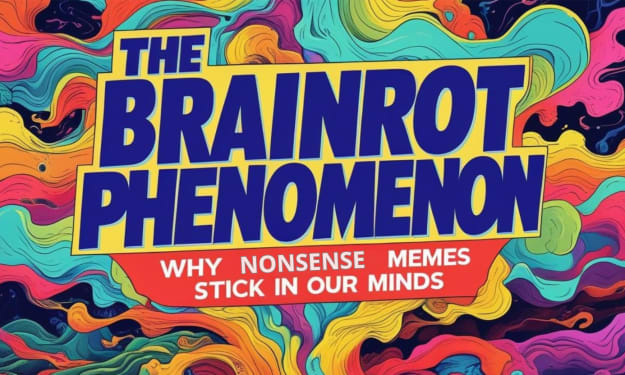
The Brainrot Phenomenon: Why Nonsense Memes Stick in Our Minds
Introduction In recent months, a peculiar genre of internet content has taken over Italian social media platforms. Known colloquially as brainrot, these viral audio-visual memes consist of nonsensical phrases like "Trulimero trulicina," "Bombardiro crocodilo," and "Tum tum tum saur," often accompanied by exaggerated voices, flashy animations, and erratic rhythms. While at first glance these pieces seem meaningless or childish, their rapid spread and emotional grip on users raise an intriguing psychological question: why do such nonsensical catchphrases lodge so firmly in our brains?
By Siria De Simoneabout a year ago in Psyche
How to Emotionally Recharge Without Disappearing From Everyone
Let’s be real. Sometimes, life gets too loud. People want too much. Your brain won’t stop buzzing. And you just want to vanish — to disappear into silence and not be found. That’s emotional burnout. But here’s the truth: You don’t always have to isolate or ghost everyone to feel okay again. You can protect your peace *without* completely disconnecting from the world. Here’s how to emotionally recharge without disappearing. --- ### (1. Set Quiet Boundaries — Without Guilt) You don’t need to announce your break. You don’t owe long explanations. Just say: “I’m taking time to reset. I’ll reply soon.” Or even: “I’m not in a place to talk right now, but I appreciate you.” (. . .) Protecting your energy doesn’t mean you’re being rude. It means you’re being real. --- ### (2. Shrink Your World — Temporarily) You don’t have to block everyone. But you *can* mute stories, silence notifications, or log out of group chats for a day or two. Let your nervous system breathe. You’re allowed to slow down. The world won’t fall apart while you rest. --- ### (3. Make Micro-Plans That Don’t Drain You) Instead of canceling *everything*, try keeping one soft plan a week. A short walk with someone who gets you. A low-pressure phone call with no expectations. Something light, something gentle. This keeps you connected — without overwhelming your emotions. --- ### (4. Journal Honestly (Even If It’s Messy)) Your brain holds too much. Let the page carry some of it. No filters. No perfect handwriting. Just a raw download of everything building up inside. Writing is release. It’s the cheapest therapy you’ll ever have. --- ### (5. Use “Anchor” People — Not Everyone Deserves Full Access) Not everyone should get your emotional updates. Pick 1–2 safe people. Let *them* in. The rest can wait. You’re not obligated to be emotionally available to the whole world. Choose quality over quantity — and your soul will thank you. --- ### (6. Build a Comfort Ritual (No Screens Allowed)) Make tea. Light a candle. Sit with soft music. Stretch. Read something gentle. Do it often — and your body will start to recognize the ritual as a safe space to reset. Comfort is a habit. And your nervous system needs habits of peace. --- ### (7. Talk to Yourself Like a Friend Would) No more “Why am I like this?” Replace it with: “It’s okay to feel this way. I’m doing my best.” You’re not weak. You’re tired. You’re not dramatic. You’re overwhelmed. Self-kindness is emotional fuel. Talk to yourself with softness, not shame. --- ### (8. Watch Something That Feels Familiar and Light) Not dark thrillers. Not dramatic plots. Just comfort. Rewatch that old sitcom. That animated movie. That YouTube channel you love. Sometimes, your soul needs something familiar, warm, and non-threatening. That’s not avoidance — that’s emotional recharging. --- ### (9. Take “Mini Alone Time” Daily — Not Disappear for Days) Disappearing for a week can make people worry. Instead, build micro-breaks into your day. 10 minutes in your room. A walk without your phone. A solo coffee break. Time to just *be*, without conversation or content. (. . .) You don’t have to vanish to protect your peace. You just need alone time that’s regular and sacred. --- ### (10. Remind Yourself That Slowness Isn’t Failure) You’re not behind. You’re not lazy. You’re not “too sensitive.” You’re simply human — and humans need rest that isn’t just sleep. Healing isn’t loud. Sometimes, it looks like logging off, breathing deep, and coming back to yourself in stillness. --- ### 🌿 Final Thought You don’t have to choose between *everyone* or *no one.* You can recharge softly. Set space. Breathe slow. Let people know gently. You can be quiet without cutting off. Present without performing. (. . .) Healing is not disappearing. It’s returning to yourself — slowly, gently, fully. And the people who truly care won’t need an explanation. They’ll just say: “I get it. Take your time. I’m here when you’re ready.” And honestly? That’s all you need.
By SHADOW-WRITESabout a year ago in Psyche
Why Do We Sabotage Our Own Goals?
Every year, millions of people around the world set goals—personal, professional, financial, or health-related—with the best of intentions. Yet despite motivation and planning, many find themselves backsliding, procrastinating, or outright abandoning their goals. This phenomenon, often called self-sabotage, can be perplexing and frustrating. Why would anyone consciously or unconsciously work against something they genuinely desire?
By Siria De Simoneabout a year ago in Psyche
How to Improve Emotional Intelligence
In a world where academic success and technical expertise often dominate the conversation, it's easy to overlook the quieter, more personal form of intelligence that governs how we relate to ourselves and others: emotional intelligence. Coined by psychologists and made popular by Daniel Goleman, emotional intelligence (EQ) is the ability to understand and manage our emotions, as well as recognize and influence the emotions of those around us. While IQ might get your foot in the door, it is EQ that often determines how far you go.
By Siria De Simoneabout a year ago in Psyche
10 Signs Your Soul Is Tired (Not Just Your Body)
There’s a kind of exhaustion that sleep can’t fix. You rest, but you still feel empty. You stay quiet, but your mind still screams. You do everything “right,” but nothing feels okay. That’s not just tiredness. That’s your soul asking for help. Here are 10 signs your soul is tired — and it’s time to start healing from the inside out. --- ### (1. You Wake Up Feeling Heavy — Even After Sleep) Your body is rested, but your heart isn’t. You open your eyes and feel a wave of dread. Not fear. Not anxiety. Just a quiet, aching heaviness — like something’s weighing you down from the inside. This isn’t laziness. This is burnout of the soul. --- ### (2. You Feel Numb — Not Sad, Not Happy, Just… Numb) You’re not crying. But you’re not smiling either. You scroll. You eat. You talk. But it all feels muted — like you’re watching your own life from the outside. Numbness isn’t peace. It’s your spirit shutting down from too much noise, too much pretending, too much everything. --- ### (3. You Start Avoiding Even the Things You Love) The music that once healed you? You skip it. The people who made you laugh? You ignore them. The hobbies that sparked joy? You have no energy for them anymore. (. . .) This isn’t laziness — it’s soul exhaustion. When your spirit is drained, even joy feels like work. --- ### (4. You Can’t Be Present — Your Mind Feels Elsewhere) You’re there… but not really. You’re in a room but not connected. You’re talking, but it feels automatic. Your body is present, but your mind is far, far away. Your soul is asking for stillness. Silence. A moment to simply *be.* --- ### (5. You Feel Guilty for Needing a Break) You keep pushing. Keep showing up. Keep saying “I’m fine.” Even when you're not. And if you *do* take a break, you feel bad. Resting feels like failure. But deep down, you know you're running on fumes. Guilt is not a sign to keep going — it’s a sign to pause. --- ### (6. You Start Questioning Everything) “What’s the point?” “Why do I even care anymore?” “Does anything matter?” These aren’t dramatic questions. They’re spiritual SOS signals. Your soul is lost, not because you’re weak — but because you’ve been strong for too long. --- ### (7. You Withdraw — But You Don’t Know Why) You cancel plans. You ghost people. You stay silent. Not because you hate them. Not because you're mad. You just... can't. Your energy is gone, and even connection feels like a burden. This is your soul trying to recharge in solitude. --- ### (8. You Crave Peace More Than Attention) You stop chasing validation. You stop arguing to be understood. You stop trying to impress anyone. All you want now is peace. Real, quiet, gentle peace. When your soul is tired, it doesn't want noise — it wants safety. --- ### (9. You’re Overly Emotional or Completely Emotionless) Little things break you. Or nothing gets through at all. Both are signs of a soul stretched too thin. You’ve either been holding it all in for too long, or you’ve completely shut down. Both are valid. Both need rest. --- ### (10. You Miss the Old You — But Don’t Know How to Find Them Again) You remember when you laughed without overthinking. When you trusted easily. When life felt full. Now? You feel like a shell. And you don’t know how to get *you* back. But here’s the truth: You haven’t lost yourself. You’ve just buried her beneath survival mode. --- ### 🌱 Final Thought You’re not broken. You’re not lazy. You’re not overreacting. You’re soul-tired. And your spirit is asking you to slow down, breathe, and return home to yourself. (. . .) Drink water. Disconnect. Say no. Sit in silence. Let yourself feel. Let yourself rest. Because sometimes, healing doesn’t begin with a therapist or a book. It begins with one quiet decision: **“I can’t keep living this way — and I don’t have to.”** Your soul doesn’t want perfection. It just wants peace. And you deserve that — starting now.
By SHADOW-WRITESabout a year ago in Psyche