pop culture
Representations of mental health in pop culture; dissect and discuss popular psychology, mental illness stigmas, and media depictions.
Why Your “Calm Era” Feels Lonely — And Why That’s a Good Sign
You wanted peace. You prayed for clarity. You begged to break the cycles. You swore you’d never go back to people who drained you. And now? You have it. Less chaos. Fewer fake connections. More solitude. More quiet. More stillness. But here’s the unexpected truth: **Peace feels lonely when you’re not used to it.** And that doesn’t mean you’re doing it wrong — it means you’re *healing right.* --- ### (1. You’ve Outgrown People Who Fed Off Your Chaos) Let’s be honest — some relationships were built on dysfunction. The gossip. The trauma bonding. The shared self-destruction. Now that you’re no longer complaining, chasing, or tolerating, those people are… gone. And while their absence stings, it’s a **sign of growth**, not loss. You’re not too much — you’re just no longer available for what once kept you stuck. --- ### (2. The Silence Feels Loud — Because Your Nervous System Isn’t Used to Rest) When you’re used to adrenaline — constant texts, emotional fights, toxic apologies — peace feels weird. You wait for the message. The betrayal. The disappointment. But it doesn’t come. And instead of feeling safe, you feel anxious. That’s your nervous system detoxing. Not from people — from *patterns*. --- ### (3. You’re Getting to Know a Version of Yourself You’ve Never Met) For so long, your identity was built around surviving. Being needed. Being reactive. Being everything for everyone. Now, there’s space. You can breathe. You can think. You can choose. But that space can feel empty — because you’re meeting *you* without all the noise. And sometimes, meeting yourself is the loneliest, most necessary chapter of all. --- ### (4. People Think You’ve Changed — And You Have) You stopped oversharing. You stopped chasing one-sided relationships. You stopped laughing at things that weren’t funny. Now they say, “You’re distant.” “You’re not the same.” “You think you’re better.” No — you’re *healing.* You’re no longer dimming yourself to fit into small rooms. Let them misunderstand. Your peace is not up for debate. --- ### (5. You Miss The Highs — Even If They Hurt) The late-night calls. The drama. The apologies after the fight. The intensity that felt like passion — but was really pain. You miss it. That’s normal. But now, you know the difference between excitement and emotional whiplash. You know that love isn’t supposed to feel like survival. Missing the chaos doesn’t mean you want it back — it means you’ve evolved past needing it. --- ### (6. You’re Realizing How Few People Know the Real You) Now that you’re more grounded, emotionally aware, and self-protective… You’re also more selective. You don’t overshare with everyone. You don’t chase approval. You don’t beg to be understood. And that means fewer people feel close to you — but the ones who *do*? That’s your tribe. --- ### (7. You’re Finally Feeling Your Feelings — And That’s Hard) In the calm, the old pain resurfaces. The grief. The regret. The heartbreak. You didn’t process it when you were busy surviving. Now? It’s all coming up. But don’t run. Sit with it. This is the storm before emotional clarity. Your “calm era” is really your **clearing era** — and the real you is underneath it all. - - - - - - - - ### 🌿 Final Thought Healing isn’t always inspiring. Sometimes it’s quiet. Lonely. Disorienting. But that silence? That stillness? It’s your soul coming back home. If your “calm era” feels weird, lonely, or even sad — it’s okay. You’re not regressing. You’re not broken. You’re detoxing from years of noise, numbness, and emotional chaos. And that gap you feel? It’s not emptiness — it’s *space*. Space for real connection. Space for peace that lasts. Space for a version of you that doesn’t need to survive anymore. **You’re not alone. You’re just finally free.** And that feeling? It gets lighter with time.Why Your “Calm Era” Feels Lonely — And Why That’s a Good Sign.
By SHADOW-WRITESabout a year ago in Psyche
Why You Sabotage Good Things When You’re Used to Chaos
Let’s talk about something most people don’t say out loud: Sometimes, when life finally starts to feel calm... When someone treats you gently… When everything feels *too good* to be true… You panic. You push them away. Overthink every word. Start fights. Distance yourself. Not because they did anything wrong — but because it all feels unfamiliar. If you’ve ever sabotaged a good thing, here’s the truth: **You’re not broken. You’re just used to chaos.** And your nervous system is still wired for survival. --- ### (1. Chaos Taught You That Love Is Painful) If you grew up in instability — emotionally, mentally, or physically — your body may have linked love with pain. Maybe love meant unpredictability. Or mood swings. Or walking on eggshells. So now, when someone shows up calmly, kindly, consistently… your brain says: “This doesn’t feel like love. This feels suspicious.” Because your baseline was chaos. And peace feels like a threat. --- ### (2. You Learned to Expect the Crash After the Calm) When everything’s going well, you can’t enjoy it. You wait for the moment it all falls apart. You start scanning for signs. Overanalyzing texts. Testing people to “prove” they’ll leave. It’s not that you want it to end — it’s that your body is preparing for disappointment before it happens. That’s not weakness. That’s trauma logic. --- ### (3. You Sabotage Because Stability Feels Boring) Toxic dynamics are addictive. They give you highs and lows, drama and reconciliation, fights and forgiveness. It keeps your adrenaline pumping. But healthy love? It’s quiet. Stable. Predictable. And at first, that can feel boring. But boring isn’t bad — it’s *safe*. It’s what you never had growing up. --- ### (4. You Question Kindness — Because You Never Received It Without a Catch) When someone compliments you, you wonder if they’re lying. When they’re consistent, you wait for them to switch. When they’re gentle, you wonder what they want from you. Because in your past, kindness was often a mask. Used for control. Manipulation. Or temporary peace before the next storm. Now, real kindness feels fake — because fake kindness is what you learned first. --- ### (5. You Push People Away Before They Can Hurt You) You ghost. You become cold. You sabotage the connection — not because you don’t care, but because you care *too much*. You’d rather be the one who leaves first than the one left behind. That’s not cruelty. That’s self-protection. --- ### (6. You Don’t Believe You Deserve Something Healthy) Deep down, a small voice whispers: “This person is too good for me.” “If they really knew me, they’d leave.” “I don’t deserve this kind of love.” So you act in ways that push them away — not because you don’t want love, but because you don’t believe you’re allowed to have it. This is one of the hardest lies to unlearn. --- ### (7. You Mistake Calm for Disconnection) You’ve been in relationships where shouting meant passion. Jealousy meant love. Tension meant chemistry. So when someone is calm, respectful, and non-reactive — it feels flat. Off. Cold. But what you're actually experiencing is emotional *safety.* You just don’t recognize it yet. --- ### 🌿 Final Thought If you’ve sabotaged a good thing, please don’t shame yourself. You’re not dramatic. You’re not toxic. You’re just healing from a lifetime of emotional landmines. It’s hard to trust what you’ve never known. It’s hard to feel safe when your nervous system is trained for survival. It’s hard to let in real love when you’ve only ever known conditional love. But this is what healing looks like: Learning to sit in peace without panic. Learning to trust stillness. Learning that love can be soft — and still be real. (. . .) The good things aren’t too good to be true. They’re just new. And *you’re allowed to learn how to receive them* — without sabotage, without guilt, without fear. You’re not broken. You’re becoming safe enough to keep what you’ve always deserved.
By SHADOW-WRITESabout a year ago in Psyche
You Don’t Have to Be Healed to Be Loved
We live in a world that tells us to heal first — then love. Fix your trauma. Get your mind right. Learn to love yourself. *Then* you’ll be worthy. But here’s the truth most people never say: **You don’t have to be healed to be loved.** You don’t have to wait until you’re “better” to deserve softness, safety, or connection. Here’s why. --- ### (1. Healing Is Not a Final Destination) There is no day when you’ll wake up and say: “I’ve healed. Nothing hurts anymore. I’m complete now.” Healing isn’t a switch. It’s a spiral. Some days, you’ll feel free. Other days, your wounds will whisper again. That doesn’t make you unworthy. It makes you *alive*. --- ### (2. Love Doesn’t Wait for Perfection — It Holds You in Progress) Real love doesn’t only show up when you’re thriving. It sits with you on your worst days. It says, “You’re safe here,” when you feel messy, insecure, or afraid. You don’t need to be the best version of yourself to be seen. You just need to be *honest*. --- ### (3. “Broken” Is Just Another Word for Real) We all carry stories. Some of us wear them on our skin. Others hold them deep inside. None of us are flawless. So if you’re waiting to be perfect before you open your heart — you’ll wait forever. And miss the people who would’ve loved you *right now*, exactly as you are. --- ### (4. Love Doesn’t Heal You — But It Can Help You Heal) No, love isn’t therapy. But feeling safe in someone’s presence? Being accepted in your darkness? Being held without being fixed? That changes something inside of you. Not all healing comes from solitude. Some of it comes from being *softened* by someone else’s kindness. --- ### (5. You’re Allowed to Be Loved While You’re Still Figuring It Out) You can be confused, uncertain, in transition — and still be loveable. You don’t need a 5-year plan. You don’t need a healed inner child. You don’t need to “have it all together.” You’re not a project. You’re a person. And people deserve love in *every* version of themselves. --- ### (6. The Right People Don’t Get Scared by Your Scars) Yes, some people will leave when they see your broken pieces. But the right ones? They’ll see the cracks and stay. They’ll understand that being open is brave. They’ll know that your vulnerability is a gift, not a burden. And they’ll love you deeper *because* of what you’ve been through — not in spite of it. --- ### (7. You Are Already Enough — Not “Once You Heal”) You’re not a half-person waiting to become whole. You’re not “almost there.” You’re already worthy of respect, affection, and care. Healing doesn’t create your worth. It just helps you see what’s *already* there. - - - - - - - - - - - - - - - - - - - - - - - - - - - - - - - - - - - - - - - - - - - - - - - - - - - - - ### 🌿 Final Thought Stop waiting to be perfect. Stop thinking your trauma makes you unlovable. Stop telling yourself, “Maybe when I’m better.” Because here’s what most people never tell you: ( . . . ) You’re allowed to be loved mid-healing. Mid-chaos. Mid-breakdown. Mid-evolution. You’re allowed to be loved when your voice shakes. When your past still hurts. When you’re tired of being strong all the time. You don’t need to be fixed. You need to be *felt*. And the people who are meant for you will never require your perfection — only your truth. **You don’t have to be healed to be loved.** You just have to be human — and honest enough to stay open.
By SHADOW-WRITESabout a year ago in Psyche
When Peace Feels Boring — It’s Because You’re Healing From Chaos
Let’s talk about a strange but very real feeling: You finally cut off the toxic friend. You left the relationship that drained you. You started choosing peace. No more drama. No more chaos. But now? You feel… bored. No highs. No lows. Just stillness. And it feels almost wrong — like you’re missing something. Here’s the truth most people never say out loud: **Peace feels boring when all you’ve known is chaos.** And it’s not your fault. - - - - - ### (1. Chaos Felt Like Home — Because It Was Familiar) You may have grown up in environments where love was unpredictable. Where yelling meant connection. Where tension was normal, and calm was rare. So when life finally gets quiet… it doesn’t feel safe. It feels foreign. And the brain confuses unfamiliar with wrong — even when it’s good for you. - - - - - ### (2. Highs and Lows Create Addiction — Even Emotional Ones) Toxic cycles give you *extremes*. Love bombing followed by coldness. Fights followed by apologies. Intense moments that leave you drained — but addicted. Peace, by contrast, feels flat. But here’s the truth: flat isn’t bad. It’s *stable*. It’s your nervous system learning how to exist without adrenaline. - - - - - ### (3. You Mistake Peace for Emptiness — Because It’s Quiet) No one is love-bombing you. No one’s blowing up your phone. No drama. No crisis. No chaos. And suddenly, your mind says, “This must be loneliness.” But peace isn’t empty. It’s open. Open for real connection. Real safety. Real calm. You’re not alone. You’re just finally not being chased by emotional fire alarms. - - - - - ### (4. You Start Creating Drama — Just to Feel Something) You send the text you know you shouldn’t. You stalk their profile. You pick a fight. You sabotage a good thing — because your body is craving the chaos it’s used to. That doesn’t make you toxic. That makes you unhealed. But here’s the good news: the urge to self-sabotage is not a failure — it’s a *signal*. You’re in withdrawal from dysfunction. - - - - - ### (5. Stillness Triggers What You’ve Been Avoiding) Peace gives your brain space. And in that space, the *real* thoughts surface: “What if I’m not lovable?” “What if I’ve wasted years on the wrong people?” “What if I don’t know who I am without the chaos?” Those are hard truths. But healing isn’t just calm — it’s *confronting*. And that’s why peace can feel overwhelming at first. - - - - - ### (6. You Realize How Much You’ve Tied Your Identity to Surviving) You were the fixer. The fighter. The one who held everything together. Now that there’s no chaos to solve… who are you? This is the turning point — where peace forces you to rediscover your identity outside of survival. And that’s not boring. That’s rebirth. - - - - - ### (7. You Don’t Feel “Happy” — Just... Neutral. And That’s Okay.) Peace doesn’t always feel like joy. Sometimes, it just feels like *nothing is wrong* — and that’s powerful. You’re not constantly anxious. You’re not hypervigilant. You’re not second-guessing everything. That quiet neutrality? That’s mental health. That’s your nervous system recovering. - - - - - ### 🌿 Final Thought If you feel bored, restless, or off during your healing journey… you’re not failing. You’re just adjusting. Adjusting to a life where love isn’t a battlefield. Where your phone doesn’t give you panic attacks. Where peace isn’t performative — it’s real. (. . .) Don’t run from that stillness. Sit in it. Let your nervous system untangle. Let your soul finally *rest*. Because here’s the truth no one tells you: **If peace feels unfamiliar… that means you’re finally healing.** Stay there. You’ll get used to it. And one day, you’ll call it home.
By SHADOW-WRITESabout a year ago in Psyche
Trapped in Loops: Making Sense of Obsessive-Compulsive Disorder
Introduction Obsessive-Compulsive Disorder (OCD) is one of the most misunderstood and often misrepresented mental health conditions in modern discourse. Though the term is frequently tossed around casually to describe someone who likes cleanliness or order, true OCD is far more complex and debilitating. It is a chronic mental disorder marked by intrusive thoughts (obsessions) and repetitive behaviors or mental acts (compulsions) that an individual feels driven to perform. These symptoms can significantly interfere with a person’s daily life, relationships, and emotional wellbeing.
By Siria De Simoneabout a year ago in Psyche
If You’ve Outgrown Someone, You Don’t Need to Hate Them to Let Go
Letting go doesn’t always come with closure. Sometimes it doesn’t come with a fight, betrayal, or big breakdown either. Sometimes, it’s just a slow drifting. A quiet realization. A feeling that the connection no longer fits — not because they were bad, but because you changed. And here’s something most people won’t tell you: **You can outgrow someone without hating them.** You can release a relationship with love, not bitterness. Here’s how to know when that’s happening — and why it’s still valid. - - - - - - ### (1. You No Longer Feel Understood Around Them) They’re not mean. They haven’t changed. But suddenly, your conversations feel hollow. Misaligned. They don’t “get” your growth, your new interests, your silence. And explaining yourself feels more exhausting than connecting. (. . .) That’s not shade. That’s evolution. - - - - - - ### (2. You Feel More Yourself Away From Them Than With Them) You laugh more when they’re not around. You breathe easier. You don’t shrink, explain, or censor your thoughts. That’s your soul noticing the difference between feeling safe and feeling small. - - - - - - ### (3. You’re Holding Onto the History — Not the Present) You stay because of childhood memories. Inside jokes. Shared trauma. Old loyalty. But if the current version of them met the current version of you — would you even be friends? Sometimes, we hold on to what *was*, even when what *is* no longer fits. - - - - - - ### (4. You Keep Making Excuses for Why It Doesn’t Feel Right) “They’re going through a lot.” “It’s just a phase.” “Maybe I’m being sensitive.” But the truth is: it’s been months, maybe years, of emotional distance. You’re not cold. You’re just slowly realizing you’ve outgrown the dynamic. - - - - - - ### (5. You Don’t Hate Them — You Just Don’t Feel Connected Anymore) And that’s the hardest part. There’s no villain. No scandal. Just a quiet ache that says: “This version of us isn’t working.” And still, you feel guilty for letting go. But here’s the truth: not every disconnection needs a dramatic ending. - - - - - - ### (6. You’re Growing, But They’re Staying the Same) You’ve started healing. Unlearning. Expanding. They’re stuck in loops — gossip, blame, complaining. You want to talk about books, emotions, boundaries. They want to talk about people, problems, and the past. Different languages. Same silence. - - - - - - ### (7. Your Energy Feels Drained After Interactions) Not because of a fight — but because the emotional exchange feels… off. Your light feels dimmed. Your enthusiasm feels ignored. You leave the conversation feeling smaller than you entered. That’s not chemistry. That’s a mismatch. - - - - - - ### (8. You Keep Them in Your Life Out of Guilt, Not Joy) You dread replying. You force check-ins. You show up, but you don’t feel present. Love built on guilt doesn’t last. You deserve to feel energized by connection — not burdened by obligation. - - - - - - - - - - - - - - - - - - - - - - - - - - ### 🌿 Final Thought Outgrowing someone doesn’t mean you’re better. It doesn’t mean you don’t care. It just means your paths — your healing, your frequency, your values — no longer match. And that’s okay. You don’t need to wait for them to hurt you. You don’t need to fake smiles for loyalty. You don’t need to make them the enemy just to justify your distance. ( . . . ) You’re allowed to let go in peace. Let the goodbye be soft. Let the memory stay warm. Let your future unfold without forcing someone into chapters they no longer belong in. **Not all endings need closure. Some just need courage.**
By SHADOW-WRITESabout a year ago in Psyche
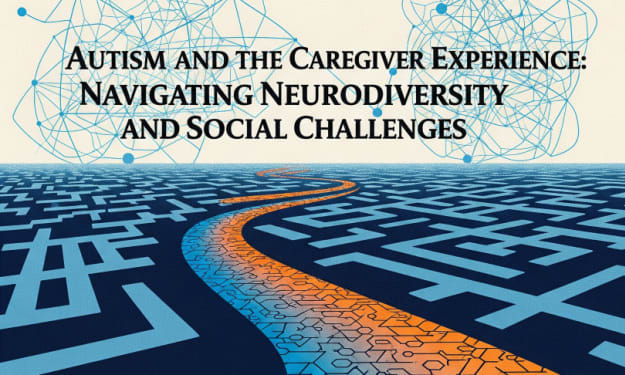
Autism and the Caregiver Experience: Navigating Neurodiversity and Social Challenges
Introduction Autism Spectrum Disorder (ASD) is a complex neurodevelopmental condition characterized by persistent challenges in social interaction, communication, and behavior. As the prevalence of ASD continues to rise globally, awareness of the condition has increased. However, less attention is given to the caregivers of individuals with autism—those who navigate daily responsibilities that often involve emotional, financial, and social strain. This article explores not only the neuropsychological aspects of ASD but also the social dynamics and mental health consequences experienced by caregivers. By understanding both perspectives, we aim to shed light on the full ecosystem surrounding autism.
By Siria De Simoneabout a year ago in Psyche
10 Things Only Emotionally Intelligent People Truly Understand
Emotional intelligence isn’t loud. It doesn’t shout, demand, or compete. It listens. Observes. Softens. Waits. And when it moves, it moves with purpose. Emotionally intelligent people often go unnoticed — but the way they live, love, and lead quietly shifts the world around them. Here are 10 things only emotionally intelligent people truly understand. --- ### (1. Not Every Thought Needs to Be Spoken) Just because you feel it, doesn’t mean it needs to be said. Emotionally intelligent people pause. They know timing matters. They think before reacting — not out of fear, but out of care. (. . .) Silence, when chosen with wisdom, is powerful. --- ### (2. How Someone Treats You Has More to Do With Them) You weren’t too sensitive. You weren’t too much. Their disrespect, mood swings, or coldness — it wasn’t about you. Emotionally intelligent people don’t take everything personally. They know that pain often spills from people who haven’t healed. That doesn’t excuse it. But it makes forgiveness easier — and detachment gentler. --- ### (3. Kindness Doesn’t Make You Weak) Being soft in a cruel world is not weakness. It’s a form of rebellion. Emotionally intelligent people choose kindness not because others deserve it — but because *they* do. Because staying kind keeps their spirit clean. They don’t stoop. They rise. --- ### (4. You Can Hold Two Emotions at Once) You can be grateful and grieving. You can love someone and let them go. You can feel joy and sorrow in the same breath. Emotionally intelligent people don’t need simple emotions. They sit with complexity — and grow stronger because of it. --- ### (5. Boundaries Are Love — Not Punishment) Saying “no” doesn’t mean you’re cold. Stepping back doesn’t mean you’re heartless. Emotionally intelligent people set boundaries because they care — about themselves and the relationship. They know that without limits, even love becomes exhausting. --- ### (6. Being Right Is Less Important Than Being at Peace) You don’t need to win every argument. You don’t need to correct every wrong opinion. Emotionally intelligent people choose peace over ego. They walk away not because they lost — but because they value their energy. Sometimes, silence is the most intelligent reply. --- ### (7. Not Everyone Deserves Access to You) You can love from a distance. You can forgive and still walk away. Emotionally intelligent people don’t let everyone into their sacred space. They’re selective with who gets their time, attention, and vulnerability. (. . .) Protecting your peace isn’t selfish — it’s wise. --- ### (8. Emotional Control Is Strength — Not Suppression) Emotionally intelligent people feel everything. But they don’t let their feelings hijack their actions. They know how to pause, breathe, process. They respond instead of react — and that’s not numbness. That’s mastery. --- ### (9. Vulnerability Isn’t a Risk — It’s a Bridge) Opening up can be scary. But emotionally intelligent people do it anyway. Because they know that walls protect — but they also isolate. Real connection begins where pretending ends. They choose truth over comfort — even when it shakes them. --- ### (10. Healing Is a Lifelong Process — Not a Final Destination) Emotionally intelligent people don’t chase perfection. They chase understanding. They forgive themselves for past versions. They grow through what they’ve gone through. They know that being human is messy — and that’s okay. (. . .) They keep evolving — quietly, deeply, constantly. --- ### 🌿 Final Thought Emotional intelligence doesn’t come from books. It comes from being broken and choosing softness anyway. It comes from listening more than speaking. From staying when it’s easier to run. From choosing to grow, even when it hurts. Emotionally intelligent people don’t always speak the loudest. But their presence says everything. And if you’ve ever paused to protect your peace, let go with grace, or speak truth with love… Then you already know: **This isn’t just a skill. It’s a way of living.**
By SHADOW-WRITESabout a year ago in Psyche
Why Some People Feel Everything So Deeply (And It’s Not a Flaw)
Some people walk through life and feel... everything. They cry at movie trailers. They get anxious before sending a text. They can sense when someone else is hurting — even if that person is silent. And sometimes, they wonder: “What’s wrong with me? Why can’t I just let things go like everyone else?” Here’s the truth : Nothing is wrong with you. Feeling deeply isn’t a flaw. It’s a trait — one that comes with both power and weight. Here’s why some people feel everything so deeply… and why the world needs them. --- ### (1. You’re Wired With High Emotional Sensitivity) It’s real. Some brains are built differently. You process emotions more thoroughly than most. This means you notice the tiniest shifts — in tone, in energy, in facial expressions. You don’t just hear what someone says. You feel what they *don’t* say. That’s not overthinking. That’s sensitivity — and it’s powerful. --- ### (2. You Carry an Empath’s Heart) You can walk into a room and *feel* the tension. You know when someone is off, even if they smile. You carry other people’s emotions like they’re your own. Yes, it’s exhausting. But it’s also a gift — a quiet superpower most don’t understand. --- ### (3. You Were Probably Labeled “Too Much” Growing Up) “Stop crying.” “Don’t take it so personally.” “You’re too emotional.” Sound familiar? People who feel deeply are often told to shrink their feelings. To toughen up. To numb out. But that only teaches you to bottle emotions — not heal them. Your depth isn’t drama. It’s honesty. --- ### (4. You Reflect More Than Others Do) You don’t just feel things — you *analyze* them. You revisit conversations in your head. You wonder what you could’ve done differently. You feel guilt, even when it’s not yours to carry. This kind of reflection can feel heavy. But it also means you grow faster than most. You learn. You evolve. You rise. --- ### (5. You Have a Strong Sense of Justice and Truth) Deep feelers often react strongly to unfairness. Lies hurt you more. Betrayal cuts deeper. That’s because your soul doesn’t tolerate emotional dishonesty. You want things to be real, raw, and right. You feel conflict not as annoyance — but as actual pain. --- ### (6. You Love Intensely — But Few Can Match That Energy) You don’t do casual. When you love, you love with your entire being. You show up. You remember the small details. You give more than you receive. But here’s the challenge: not everyone loves like you do. And when you don’t get that same energy back, it hurts — deeply. --- ### (7. Your Nervous System Needs More Rest Than Others) Feeling everything also means you burn out faster. Social settings tire you. Loud places drain you. Even joyful moments can be overwhelming. You’re not antisocial. You’re just emotionally full — and your nervous system needs time to catch up. --- ### (8. You Find Beauty in Things Others Miss) A sunset makes you pause. A song lyric makes you cry. A random act of kindness restores your faith in the world. Deep feelers live in high-definition. The world cuts deeper — but it also glows brighter. - - - - - # # # 🌿 Final Thought If you feel everything deeply, you might wonder if you’re broken. You’re not. You’re just built to *notice*. To *care*. To *carry meaning* where others walk right past it. Yes, it’s hard. Yes, it’s heavy. But it’s also rare. And sacred. Don’t harden. Don’t shrink. Learn to protect your heart — but never stop using it. The world doesn’t need less feeling. It needs more people like *you* — honest, raw, and beautifully deep. ( . . . ) And if you’re reading this and nodding quietly to yourself? You already know: your depth is not your weakness. It’s your quiet strength.
By SHADOW-WRITESabout a year ago in Psyche
ADHD Unmasked: What Science Tells Us About the Distracted Mind
Introduction In recent decades, Attention Deficit Hyperactivity Disorder (ADHD) has moved from the periphery of clinical discussions to the forefront of psychological research, media conversations, and social awareness. Once regarded as a childhood issue characterized mainly by hyperactivity, ADHD is now understood as a complex neurodevelopmental condition that affects individuals across the lifespan. Yet, despite its growing recognition, ADHD remains widely misunderstood. This article delves into the psychological and neuroscientific foundations of ADHD, explores how it manifests in everyday life, and addresses common myths and misconceptions.
By Siria De Simoneabout a year ago in Psyche