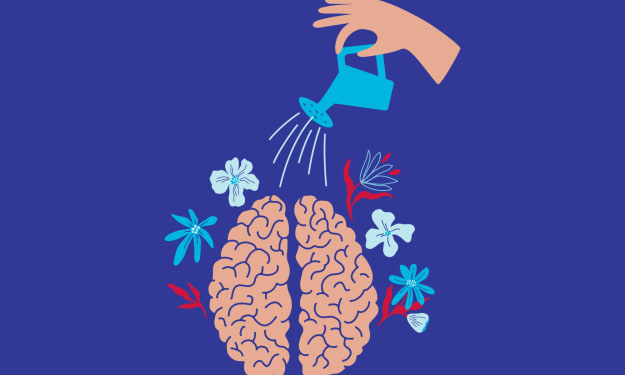
humanity
Mental health is a fundamental right; the future of humanity depends on it.
How to Retain What You Learn in Just One Study Session. AI-Generated.
# How to Remember What You Learn from Studying Once Studying effectively can sometimes feel like an elusive goal, especially when it seems that information evaporates from your mind as soon as you close your books. However, with the right strategies, it is possible to retain what you learn from studying in just one session. This article explores several methods backed by scientific research and practical experience to help you remember what you study the first time. ## 1. Active Engagement with the Material Active engagement is crucial for effective learning and retention. This involves more than just passively reading or listening to the material. Here are some ways to actively engage with your study material: ### Take Notes by Hand Writing notes by hand can improve memory and understanding. This process forces you to process information and translate it into your own words, which helps with retention. Research suggests that students who take notes by hand remember the material better than those who type their notes. ### Summarize What You’ve Learned After studying a section, take a few minutes to summarize it in your own words. This reinforces your understanding and highlights any gaps in your knowledge that need further review. ### Teach the Material One of the best ways to ensure you understand something is to teach it to someone else. Teaching forces you to organize your thoughts clearly and address any areas where your understanding is weak. ## 2. Use Mnemonic Devices Mnemonic devices are tools that help you remember information through association. They can be especially useful for memorizing lists, dates, or complex concepts. Here are a few types of mnemonic devices: ### Acronyms and Acrostics Create acronyms or acrostics using the first letters of the items you need to remember. For example, to remember the Great Lakes (Huron, Ontario, Michigan, Erie, Superior), you can use the acronym "HOMES." ### Rhymes and Songs Putting information to a tune or creating a rhyme can make it more memorable. This technique works particularly well for younger learners but can be effective for all ages. ### Visualization Create vivid mental images to represent information. For instance, if you need to remember a sequence of events, imagine a detailed scene that includes each step. ## 3. Spaced Repetition Spaced repetition involves reviewing material at increasing intervals over time. This technique leverages the psychological spacing effect, which shows that information is better retained when exposure is spread out over time. There are several tools and apps, such as Anki and Quizlet, designed to help with spaced repetition. ### How to Implement Spaced Repetition 1. **Review Shortly After Learning**: Review the material soon after your initial study session, ideally within 24 hours. 2. **Gradual Spacing**: Increase the intervals between each review session. For example, review again after 2 days, then a week, then two weeks, and so on. 3. **Consistent Review**: Stick to your review schedule to ensure information is reinforced at the right times. ## 4. Use Multiple Modalities Engaging multiple senses can enhance memory. Instead of just reading the material, try incorporating different modes of learning: ### Visual Use diagrams, charts, and graphs to represent information visually. Drawing mind maps can also help organize and connect ideas. ### Auditory Listening to lectures, podcasts, or recordings of your notes can help reinforce information. Reading material aloud can also be beneficial. ### Kinesthetic Incorporate physical activity into your study routine. This can be as simple as walking while reviewing notes or using gestures to represent concepts. ## 5. Practice Retrieval Retrieval practice involves actively recalling information without looking at your notes. This strengthens your memory and helps identify what you truly know versus what you recognize when reading. ### Methods for Retrieval Practice 1. **Self-Testing**: Use flashcards or practice questions to test your knowledge. Cover up your notes and try to recall information on your own. 2. **Writing Summaries**: After studying, close your materials and write down everything you can remember about the topic. 3. **Group Study**: Study with peers and quiz each other on the material. Teaching and discussing concepts can solidify your understanding. ## 6. Make Connections Connecting new information to what you already know can make it more memorable. This technique, known as elaborative rehearsal, involves linking new concepts to existing knowledge. ### How to Make Connections 1. **Relate to Personal Experience**: Find ways to relate the material to your own life or experiences. 2. **Create Analogies**: Compare new information to something you already understand. Analogies can simplify complex concepts. 3. **Build Concept Maps**: Draw connections between new information and what you already know using diagrams or maps. ## 7. Maintain a Healthy Lifestyle Your overall health and well-being significantly impact your ability to remember information. Here are some lifestyle tips to support your memory: ### Get Enough Sleep Sleep is crucial for memory consolidation. Aim for 7-9 hours of quality sleep each night to ensure your brain can effectively process and store information. ### Eat a Balanced Diet A diet rich in fruits, vegetables, whole grains, and lean proteins can support cognitive function. Omega-3 fatty acids, found in fish and flaxseed, are particularly beneficial for brain health. ### Exercise Regularly Physical activity increases blood flow to the brain and can improve memory and cognitive function. Aim for at least 30 minutes of moderate exercise most days of the week. ### Manage Stress Chronic stress can impair memory and learning. Incorporate stress management techniques such as mindfulness, meditation, or deep breathing exercises into your routine. ## Conclusion Remembering what you learn from studying once is achievable with the right strategies. Active engagement, mnemonic devices, spaced repetition, multiple modalities, retrieval practice, making connections, and maintaining a healthy lifestyle all contribute to effective learning and memory retention. By incorporating these techniques into your study routine, you can enhance your ability to retain and recall information, making your study sessions more productive and impactful.
By Mbeha maliwa 2 years ago in Psyche
How to Dissapear
How easy would it be to forget your life, jump on a train and start again? How many people would miss you, and how long before they forgot you? In the absence of a loving environment growing up, or in traumatic circumstances, maybe you'd rather they had forgotten you. Maybe you needed an escape, and you thought about it. Maybe you still think about it.
By Justin Coccimiglio2 years ago in Psyche
The Mental Health Impact of Bullying: Recognizing and Healing the Psychological Scars. AI-Generated.
### The Mental Health Impact of Bullying: Understanding and Addressing the Consequences Bullying is a pervasive issue that can have profound and lasting effects on the mental health of those who experience it. Whether it occurs in schools, workplaces, or online, bullying can lead to a range of mental health disorders that can persist long after the bullying has stopped. This article explores the mental diseases commonly caused by bullying, their symptoms, and strategies for recovery and support. #### Understanding Bullying Bullying involves repeated aggressive behavior intended to harm or dominate another person. It can take various forms: - **Physical Bullying**: Involves hitting, kicking, or other physical assaults. - **Verbal Bullying**: Includes name-calling, insults, and verbal abuse. - **Social Bullying**: Involves spreading rumors, exclusion from groups, and public humiliation. - **Cyberbullying**: Uses digital platforms to harass, threaten, or embarrass someone. #### Mental Diseases Caused by Bullying Bullying can have severe psychological effects, leading to various mental health issues. Here are some of the most common disorders associated with bullying: ##### 1. **Anxiety Disorders** Bullying can lead to heightened levels of anxiety, manifesting in several ways: - **Generalized Anxiety Disorder (GAD)**: Characterized by chronic, excessive worry about everyday things. - **Social Anxiety Disorder**: Involves intense fear and avoidance of social situations due to the fear of being judged or humiliated. - **Panic Disorder**: Frequent panic attacks and intense fear of future attacks. **Symptoms**: Persistent worry, restlessness, difficulty concentrating, rapid heartbeat, and avoidance of social interactions. ##### 2. **Depression** Depression is a common consequence of bullying, marked by persistent feelings of sadness and hopelessness. **Symptoms**: Persistent sadness, loss of interest in activities, changes in appetite and sleep patterns, fatigue, feelings of worthlessness, and thoughts of self-harm or suicide. ##### 3. **Post-Traumatic Stress Disorder (PTSD)** Bullying can be a traumatic experience, leading to PTSD, especially if the bullying was severe or prolonged. **Symptoms**: Flashbacks, nightmares, severe anxiety, hypervigilance, and avoidance of situations that remind the person of the bullying. ##### 4. **Low Self-Esteem and Self-Worth** Victims of bullying often internalize the negative messages they receive, leading to diminished self-esteem and self-worth. **Symptoms**: Negative self-talk, feelings of inadequacy, reluctance to try new things, and an overall negative self-image. ##### 5. **Eating Disorders** Bullying, particularly when it involves body shaming, can lead to eating disorders such as anorexia nervosa, bulimia nervosa, and binge-eating disorder. **Symptoms**: Extreme concern with body weight and shape, restrictive eating, binging and purging behaviors, and obsessive thoughts about food and body image. ##### 6. **Substance Abuse** Some individuals may turn to alcohol or drugs as a coping mechanism to deal with the emotional pain caused by bullying. **Symptoms**: Increased consumption of alcohol or drugs, neglecting responsibilities, and using substances to escape or numb emotional pain. #### Addressing the Consequences of Bullying Recognizing the signs of mental health issues caused by bullying is the first step in addressing them. Here are strategies for recovery and support: ##### 1. **Seek Professional Help** Mental health professionals, such as therapists and counselors, can provide the necessary support and treatment for those affected by bullying. - **Cognitive Behavioral Therapy (CBT)**: Helps individuals identify and change negative thought patterns and behaviors. - **Trauma-Focused Therapy**: Specifically addresses the impact of trauma and helps individuals process and heal from traumatic experiences. - **Medication**: In some cases, medication may be prescribed to manage symptoms of anxiety, depression, or PTSD. ##### 2. **Build a Support System** Having a strong support system can make a significant difference in the recovery process. - **Talk to Trusted Friends and Family**: Sharing your experiences with people you trust can provide emotional support and validation. - **Join Support Groups**: Connecting with others who have experienced similar issues can be reassuring and provide practical advice for coping. ##### 3. **Develop Coping Strategies** Learning healthy coping mechanisms can help manage the symptoms of mental health disorders. - **Mindfulness and Relaxation Techniques**: Practices such as meditation, deep breathing, and progressive muscle relaxation can reduce anxiety and stress. - **Engage in Physical Activity**: Regular exercise can improve mood, reduce anxiety, and boost self-esteem. - **Express Yourself Creatively**: Art, music, writing, and other creative outlets can provide a way to process emotions and experiences. ##### 4. **Promote Positive Self-Esteem** Building self-esteem is crucial for recovery and resilience. - **Practice Self-Compassion**: Treat yourself with kindness and understanding, especially during difficult times. - **Set Realistic Goals**: Achieving small, manageable goals can build confidence and a sense of accomplishment. - **Focus on Strengths**: Identify and celebrate your strengths and accomplishments. ##### 5. **Address Bullying in Schools and Workplaces** Preventing and addressing bullying at its source is essential for long-term change. - **Implement Anti-Bullying Policies**: Schools and workplaces should have clear policies and procedures for addressing bullying. - **Educate and Raise Awareness**: Providing education about the effects of bullying and promoting a culture of respect and kindness can reduce incidents of bullying. - **Encourage Reporting**: Ensure that victims of bullying feel safe and supported when reporting incidents. #### Conclusion Bullying can have devastating effects on mental health, leading to anxiety, depression, PTSD, and other disorders. Recognizing the signs and seeking professional help is crucial for recovery. Building a support system, developing coping strategies, and promoting positive self-esteem can aid in the healing process. Addressing bullying at its source through policies, education, and support can help create a safer and more supportive environment for everyone. Remember, it’s essential to speak up and seek help if you or someone you know is experiencing the mental health impacts of bullying.
By Mbeha maliwa 2 years ago in Psyche
Navigating Life's Heartaches: Coping with Loss and Breakups. AI-Generated.
Navigating Life’s Toughest Moments: Coping with Funerals and Breakups Life is filled with moments of joy, celebration, and happiness, but it also comes with its fair share of pain and heartache. Two of the most challenging experiences many people face are the loss of a loved one through death and the end of a significant relationship through a breakup. These events can leave you feeling lost, overwhelmed, and unsure of how to move forward. This comprehensive guide will help you navigate these tough times and find a path to healing and resilience. #### Understanding Grief and Loss Grief is a natural response to loss. It’s a deeply personal and often complex process that varies significantly from person to person. The intensity and duration of grief can be influenced by many factors, including the nature of the relationship, the circumstances of the loss, and your personal coping mechanisms. ##### Common Stages of Grief Elisabeth Kübler-Ross's model outlines five stages of grief: denial, anger, bargaining, depression, and acceptance. It's important to remember that these stages are not linear and can occur in any order, often overlapping. - **Denial**: A common initial reaction is to deny the reality of the loss. This is a defense mechanism that buffers the immediate shock. - **Anger**: As the denial fades, the pain re-emerges, often expressed as anger. This anger can be directed at yourself, others, or even the person who has passed away or left. - **Bargaining**: In this stage, you might find yourself making “deals” or promises in hopes of reversing the loss. This is a way to regain control. - **Depression**: When the reality sets in, it’s normal to feel deep sadness and despair. This stage can be the most challenging and often the longest. - **Acceptance**: Eventually, you may find a way to come to terms with the loss. Acceptance doesn’t mean you’re “over it,” but you can find a way to move forward. #### Coping with the Loss of a Loved One Losing a loved one is one of the most painful experiences imaginable. Here are some strategies to help you cope with the grief and find a way to live with the loss. ##### Allow Yourself to Grieve Grieving is a personal process that has no set timeline. Allow yourself to feel whatever you need to feel without judgment. - **Acknowledge Your Pain**: Don’t try to suppress your emotions. Cry if you need to, talk about your loved one, and express your feelings. - **Seek Support**: Surround yourself with friends and family who can provide emotional support. Consider joining a support group where you can share your experiences with others who are going through similar losses. - **Take Care of Yourself**: Grief can take a physical toll. Ensure you’re eating well, getting enough sleep, and exercising. Avoid alcohol and drugs as a way to cope. ##### Create a Memorial Finding ways to honor and remember your loved one can provide comfort and help you process your grief. - **Create a Tribute**: This could be a scrapbook, a photo album, or a memorial service. Sharing stories and memories can be healing. - **Engage in Rituals**: Lighting a candle, visiting their favorite places, or celebrating their birthday can keep their memory alive. - **Give Back**: Consider volunteering or making a donation in their name. Doing something positive in their honor can be fulfilling. #### Coping with a Breakup A breakup can feel like the end of the world, especially if the relationship was long-term or deeply meaningful. Here’s how to navigate through the emotional turmoil and start to rebuild your life. ##### Allow Yourself to Mourn Much like the loss of a loved one, the end of a relationship requires a period of mourning. - **Accept Your Feelings**: It’s normal to feel a range of emotions from sadness to anger. Allow yourself to experience these feelings without self-criticism. - **Limit Contact**: Immediately after a breakup, it can be helpful to limit contact with your ex-partner to give yourself time to heal. ##### Rebuild Your Identity When a relationship ends, it’s common to feel like you’ve lost a part of yourself. Rebuilding your identity is a crucial step in the healing process. - **Rediscover Your Interests**: Engage in hobbies and activities that you enjoy. This can help you reconnect with yourself and find joy outside of the relationship. - **Set New Goals**: Use this time to reflect on what you want in your life moving forward. Setting new personal and professional goals can give you a sense of purpose and direction. ##### Lean on Your Support System Don’t be afraid to ask for help from friends and family. They can offer a listening ear, distraction, and even practical support. - **Talk It Out**: Share your feelings with trusted friends or family members. Sometimes just talking about what you’re going through can provide relief. - **Seek Professional Help**: If you’re finding it difficult to cope, consider speaking to a therapist. Professional guidance can offer new perspectives and coping strategies. #### Finding Meaning and Moving Forward Both funerals and breakups signify endings, but they also mark the beginning of a new chapter in your life. Finding meaning in these experiences can help you move forward. ##### Reflect and Learn Take time to reflect on what the relationship meant to you and what you learned from it. - **Understand the Lessons**: Every relationship and loss teaches us something. Reflect on the positive aspects and the challenges, and consider how they can inform your future relationships and personal growth. - **Embrace Change**: Change is a natural part of life. Embracing it rather than resisting it can lead to new opportunities and experiences. ##### Cultivate Resilience Resilience is the ability to bounce back from adversity. Developing this trait can help you handle future challenges more effectively. - **Practice Self-Compassion**: Be kind to yourself. Understand that healing takes time and that it’s okay to have setbacks. - **Stay Connected**: Maintain your social connections. Relationships with friends and family can provide support and stability. - **Focus on Gratitude**: Cultivate a practice of gratitude. Even in difficult times, finding things to be thankful for can shift your perspective and improve your mood. #### Conclusion Coping with the loss of a loved one or the end of a relationship is never easy. It’s a journey that requires patience, self-compassion, and effort. By allowing yourself to grieve, seeking support, and focusing on self-care, you can navigate these tough times and find a path to healing. Remember that it’s okay to ask for help and that you don’t have to go through this alone. With time and perseverance, you can emerge from these experiences stronger and more resilient.
By Mbeha maliwa 2 years ago in Psyche
How to Heal from Heartbreak: A Comprehensive Guide to Moving On. AI-Generated.
### How to Heal from a Lost Lover: A Comprehensive Guide The end of a relationship can be one of the most challenging experiences in life. Whether the breakup was mutual, sudden, or long-anticipated, the pain of losing someone you love can feel overwhelming. Healing from this loss is a journey that takes time, self-compassion, and effort. Here’s a comprehensive guide to help you navigate through this difficult period and emerge stronger. #### 1. **Allow Yourself to Grieve** Grieving the loss of a relationship is a crucial first step. Just like any other form of loss, it’s important to acknowledge your feelings and allow yourself to experience them fully. Suppressing emotions can lead to prolonged suffering and hinder your healing process. - **Acknowledge Your Feelings**: Understand that it’s okay to feel sad, angry, confused, or even relieved. All emotions are valid during this time. - **Give Yourself Time**: Healing is not a race. Take as much time as you need to process the breakup. #### 2. **Lean on Your Support System** Surround yourself with friends and family who care about you. Talking about your feelings and experiences can provide a sense of relief and understanding. - **Share Your Story**: Opening up to trusted friends or family members can help you process your emotions. - **Seek Professional Help**: A therapist or counselor can provide valuable insights and coping strategies to help you navigate your emotions. #### 3. **Prioritize Self-Care** Taking care of your physical and mental health is crucial during this time. Engage in activities that promote well-being and self-love. - **Exercise Regularly**: Physical activity can boost your mood and reduce stress. - **Eat Nutritious Foods**: Maintaining a balanced diet can improve your overall well-being. - **Get Enough Sleep**: Adequate rest is essential for emotional resilience. - **Engage in Relaxation Techniques**: Practices like meditation, yoga, or deep breathing can help calm your mind. #### 4. **Rediscover Yourself** A breakup can be an opportunity to reconnect with yourself and rediscover your passions and interests. - **Explore Hobbies**: Engage in activities that you enjoy or try new ones that you’ve always been curious about. - **Set Personal Goals**: Focus on personal growth by setting achievable goals for yourself. #### 5. **Reflect and Learn** Take some time to reflect on the relationship and what you can learn from it. This can help you gain insights and prepare for future relationships. - **Identify Patterns**: Reflect on what worked and what didn’t in the relationship. This can help you recognize patterns and make better choices in the future. - **Embrace the Lessons**: Understand that every relationship teaches us something. Embrace these lessons to grow and improve. #### 6. **Create New Routines** Breaking up can disrupt your daily life. Establishing new routines can provide a sense of stability and normalcy. - **Stay Busy**: Fill your schedule with activities that keep you engaged and distracted from dwelling on the past. - **Focus on Positivity**: Surround yourself with positive influences and engage in activities that make you happy. #### 7. **Give Yourself Closure** Finding closure can be an essential part of the healing process. This might involve having a final conversation with your ex, writing a letter you don’t send, or simply finding peace within yourself. - **Accept What You Cannot Change**: Understand that some things are beyond your control and let go of what you cannot change. - **Forgive Yourself and Your Ex**: Holding onto anger and resentment can hinder your healing. Practice forgiveness to free yourself from negative emotions. #### 8. **Look Forward to the Future** As you heal, start looking forward to the future with optimism. Believe that new and positive experiences await you. - **Stay Open to New Relationships**: When you feel ready, be open to meeting new people and forming new connections. - **Focus on Personal Growth**: Continue working on yourself and striving for personal development. ### Conclusion Healing from the loss of a lover is a deeply personal journey that requires time, patience, and self-compassion. By allowing yourself to grieve,
By Mbeha maliwa 2 years ago in Psyche
The Power of Mindful Living
In today's fast-paced world, the constant hustle and bustle can leave us feeling overwhelmed, stressed, and disconnected. We often find ourselves juggling multiple tasks, worrying about the future, or dwelling on the past, which can take a toll on our mental and physical well-being. But what if we could transform our lives by simply changing the way we experience each moment? Welcome to the world of mindful living, a practice that has the potential to bring peace, clarity, and fulfillment into our daily lives.
By Hira Waheed2 years ago in Psyche
Letting Go: How Detachment Can Help You Heal Toxic Relationships
Letting Go: How Detachment Can Help You Heal Toxic Relationships Many individuals in the self-help and dating advice community often emphasize the importance of independence, but there is a disconnect between societal norms and scientific evidence. Building strong emotional connections with others has been shown to result in increased levels of happiness, success, and overall well-being in individuals' lives. Some individuals offer self-help and dating advice and believe in the importance of being independent, but there is a disconnect between societal norms and scientific research. Building strong emotional connections with others has been shown to increase happiness, effectiveness, and overall stability in life.
By Hridya Sharma2 years ago in Psyche