how to
How to cope with your emotions, maintain mental health, deal with life's stressors and help others do the same.
Alcohol Dependency: Understanding the Causes and Risks
Alcohol is a widely consumed substance that can be found at almost every social gathering. While many people can drink in moderation, others develop a dependence on alcohol that can lead to a wide range of physical and mental health problems. Alcohol dependency, also known as alcoholism, is a chronic disease that affects millions of people worldwide. In this article, we will explore the causes and risks of alcohol dependency and the impact it can have on an individual's life.
By MAKING REAL MONEY4 years ago in Psyche
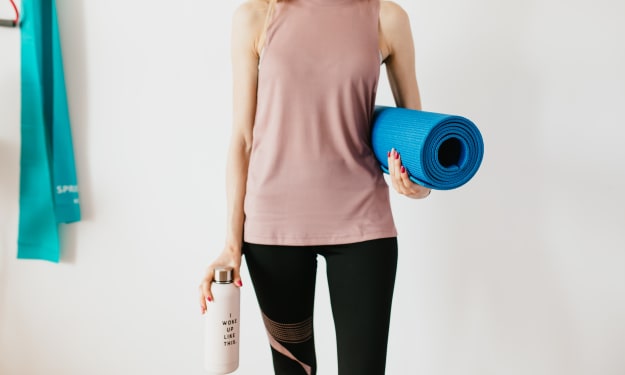
Fitness and Exercise for Busy Professionals: Tips for Staying Active and Healthy in a Busy Lifestyle
In today's fast-paced world, many professionals struggle to balance their work and personal lives, often neglecting their physical health in the process. However, regular exercise and physical activity are crucial for maintaining a healthy body and mind. The benefits of exercise are numerous, including improved cardiovascular health, increased energy levels, better mental health, and decreased risk of chronic diseases. With some planning and effort, even the busiest of professionals can incorporate fitness and exercise into their daily routine. Here are some strategies for prioritizing health in a hectic lifestyle: Schedule Exercise into Your Daily Routine: Treat exercise like any other appointment or meeting and schedule it into your daily routine. Whether it's early morning, during lunch breaks, or after work, find a time that works best for you and stick to it. Find an Exercise Buddy: Having a workout partner can be a great source of motivation and accountability. Consider joining a fitness class or finding a friend or colleague to exercise with. Utilize Technology: Technology can be a valuable tool for staying active, even when you're short on time. There are plenty of workout apps and fitness videos available online, making it easy to access a quick workout from the comfort of your own home or office. Make the Most of Your Commute: If you live close enough to your workplace, consider walking, biking, or running to work. Alternatively, take the stairs instead of the elevator or get off the bus or subway a few stops early to get some extra steps in. Incorporate Movement into Your Workday: Even if you have a desk job, there are ways to incorporate movement into your workday. Consider taking short breaks to stretch or walk around the office, or investing in a standing desk or exercise ball chair. Mix Up Your Workouts: To prevent boredom and maintain motivation, mix up your workouts by trying new activities or varying your routine. This can also help prevent plateauing and ensure you're challenging your body in new ways. Prioritize Recovery: It's important to prioritize recovery time to avoid burnout and injury. Make sure to include rest days in your workout routine and prioritize activities that help you relax and unwind, such as yoga or meditation. In addition to these strategies, it's important to focus on proper nutrition and hydration to support your fitness and exercise routine. Fueling your body with nutrient-rich foods and staying hydrated can help improve your performance and recovery time.
By Shahinsha Shamon4 years ago in Psyche
The Journey to Sobriety: Overcoming Addiction and Reclaiming Your Life
The road to recovery and sobriety can be a long and challenging journey, but it is a journey worth taking for those struggling with addiction. Addiction can be a devastating disease that affects not only the individual but also their family, friends, and community. However, with the right tools, support, and mindset, it is possible to overcome addiction and live a fulfilling life in sobriety.
By MAKING REAL MONEY4 years ago in Psyche
Weight management and healthy body image
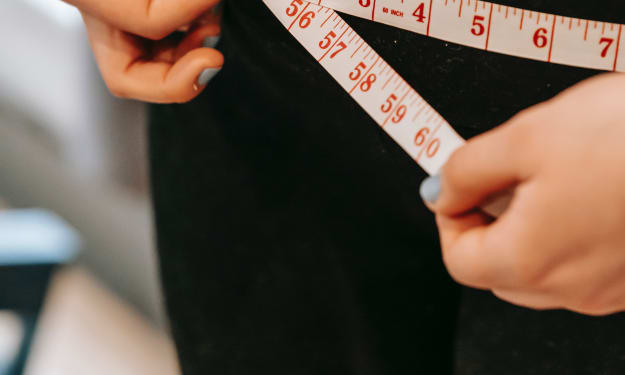
Maintaining a healthy weight and positive body image is important for both physical and mental health. However, achieving and maintaining a healthy weight can be challenging, especially in a society that often promotes unrealistic beauty standards and unhealthy dieting habits. In this article, we will discuss the importance of a balanced lifestyle in achieving a healthy weight and positive body image. First and foremost, it's important to understand that a healthy weight is different for everyone and is determined by factors such as age, height, and body composition. It's also important to note that weight is just one aspect of overall health, and focusing solely on weight loss can often lead to unhealthy habits and negative body image. Instead, it's important to focus on creating a balanced lifestyle that includes regular exercise, a nutritious diet, and self-care practices. Regular exercise not only helps with weight management but also has numerous physical and mental health benefits, including improved cardiovascular health, increased energy levels, and reduced stress and anxiety. When it comes to nutrition, a balanced diet that includes a variety of nutrient-dense foods is key. This means prioritizing whole foods such as fruits, vegetables, whole grains, lean proteins, and healthy fats, while minimizing processed and high-sugar foods. It's also important to listen to your body's hunger and fullness cues, and to practice mindful eating by savoring and enjoying your food. However, it's important to acknowledge that maintaining a healthy weight and positive body image is not solely about physical health. The way we feel about our bodies can have a significant impact on our mental health and well-being. Negative body image can lead to low self-esteem, anxiety, depression, and disordered eating habits. Therefore, it's important to practice self-compassion and to challenge negative thoughts and beliefs about our bodies. This can include practicing positive self-talk, surrounding ourselves with body-positive messaging, and seeking support from friends, family, or a mental health professional if needed. It's also important to remember that our bodies are constantly changing, and weight fluctuations are a natural part of life. Rather than striving for a certain number on the scale, focus on cultivating a healthy relationship with your body and prioritizing habits that make you feel good both physically and mentally. Additionally, it is important to practice self-love and self-acceptance, regardless of body size or shape. It can be helpful to engage in activities that promote positive body image, such as surrounding yourself with body-positive people, using positive affirmations, and wearing clothes that make you feel confident and comfortable.
By Shahinsha Shamon4 years ago in Psyche
Nutrition and healthy eating habits
Nutrition and healthy eating habits play a vital role in our overall health and well-being. The food we eat provides us with the nutrients and energy we need to function properly, maintain a healthy weight, and prevent chronic diseases. However, with so much conflicting information about nutrition and dieting, it can be challenging to know what to eat and how to establish healthy eating habits. In this article, we'll explore the importance of nutrition and healthy eating habits, including the benefits they offer for your physical and mental health, and provide some tips to help you establish a healthy and balanced diet. The Benefits of Good Nutrition Maintaining a healthy weight - Eating a balanced diet with the right amount of calories can help you maintain a healthy weight and reduce the risk of obesity. Preventing chronic diseases - A healthy diet rich in fruits, vegetables, whole grains, lean protein, and healthy fats can reduce the risk of chronic diseases such as heart disease, diabetes, and cancer. Boosting energy and productivity - Eating a nutritious diet can provide you with the energy and nutrients needed to stay alert and focused throughout the day. Improving mood - Studies have shown that a diet rich in whole foods and low in processed foods can improve mood and reduce symptoms of depression and anxiety. Supporting immune function - Eating a diet rich in vitamins, minerals, and antioxidants can support immune function and reduce the risk of infections. Tips for Establishing Healthy Eating Habits Eat a balanced diet - Focus on eating a variety of fruits, vegetables, whole grains, lean protein, and healthy fats in the right portions to ensure you get the nutrients you need. Limit processed foods and added sugars - Try to limit your intake of processed foods, sugary drinks, and snacks, and opt for whole foods instead. Stay hydrated - Drink plenty of water throughout the day to stay hydrated and support your body's functions. Plan and prepare meals ahead of time - Planning and preparing meals ahead of time can help you avoid unhealthy choices when you're short on time. Seek professional help - If you have specific dietary needs or health concerns, seek the help of a registered dietitian who can help you develop a personalized nutrition plan. It's important to note that healthy eating habits don't have to be restrictive or complicated. It's about making small, sustainable changes to your diet that can have a big impact on your health over time. Here are a few more tips to help you establish healthy eating habits: Listen to your body - Pay attention to how different foods make you feel and adjust your diet accordingly. For example, if you notice that certain foods make you feel bloated or sluggish, try to limit or avoid them. Be mindful - Take time to enjoy your meals and savor the flavors and textures of the food you're eating. Being mindful can help you eat more slowly, which can help you feel more satisfied and reduce the likelihood of overeating. Get creative in the kitchen - Experiment with new recipes and ingredients to keep your meals interesting and flavorful. You can also try new cooking methods, such as grilling or roasting, to add variety to your meals. Don't skip meals - Skipping meals can lead to overeating later in the day and can make it more difficult to maintain a healthy weight. Aim to eat regular, balanced meals throughout the day to keep your energy levels steady and your hunger in check. Don't forget about snacks - Healthy snacks can help keep you feeling satisfied between meals and can provide an additional source of nutrients. Try snacking on fresh fruit, nuts, or hummus and veggies to keep your hunger at bay. By making small, sustainable changes to your diet and lifestyle, you can establish healthy eating habits that can benefit your health and well-being in the long term. Remember that healthy eating isn't about perfection, but rather progress. So don't be too hard on yourself if you slip up from time to time, and focus on making healthy choices most of the time. With a little patience and perseverance, you can enjoy the many benefits that good nutrition and healthy eating habits have to offer. In conclusion, good nutrition and healthy eating habits are essential for your overall health and well-being. They can help you maintain a healthy weight, prevent chronic diseases, boost energy and productivity, improve mood, and support immune function. By incorporating the tips mentioned above into your daily routine, you can establish healthy eating habits and enjoy the many benefits they offer. Remember, eating well isn't just about what you eat, but how you eat too, so take time to savor and enjoy your meals.
By Shahinsha Shamon4 years ago in Psyche
Exercise and physical activity
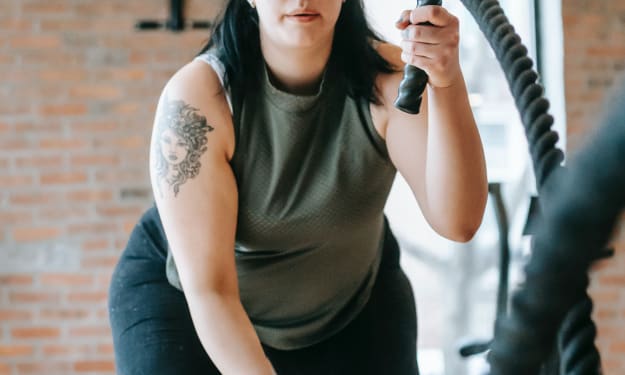
Exercise and physical activity are essential for a healthy and happy life. They offer a wide range of benefits that can positively impact your physical, mental, and emotional health. Whether you're a fitness enthusiast or someone who's just starting to incorporate exercise into your routine, it's important to understand the benefits of exercise and physical activity and how they can improve your overall health and well-being. Physical Health Benefits of Exercise Regular exercise can help improve your physical health in a variety of ways. Here are just a few examples: Helps manage weight - Exercise can help you maintain a healthy weight and prevent obesity, which is a risk factor for many chronic diseases. Reduces the risk of chronic diseases - Regular exercise can help prevent and manage a range of chronic diseases, such as heart disease, diabetes, and certain types of cancer. Strengthens bones and muscles - Exercise can help improve bone density and muscle mass, reducing the risk of osteoporosis and age-related muscle loss. Improves cardiovascular health - Exercise can improve cardiovascular health by strengthening the heart and reducing the risk of heart disease and stroke. Increases energy and stamina - Exercise can help increase energy levels and improve stamina, making it easier to perform daily tasks and physical activities. Mental Health Benefits of Exercise In addition to physical health benefits, exercise can also have a positive impact on your mental health. Here are a few examples: Reduces stress and anxiety - Exercise can help reduce stress and anxiety by releasing endorphins, which are feel-good chemicals in the brain. Boosts mood - Exercise can improve mood by increasing serotonin and dopamine levels in the brain, which can help alleviate symptoms of depression. Improves sleep - Regular exercise can help improve sleep quality and duration, leading to better overall mental and physical health. Boosts self-esteem - Exercise can help boost self-esteem and confidence by improving body image and physical fitness. Enhances brain function - Exercise has been shown to enhance cognitive function, memory, and focus, leading to improved academic and work performance. Incorporating Exercise into Your Routine Incorporating exercise into your daily routine doesn't have to be complicated or time-consuming. Here are some tips for getting started: Start small - Begin with short, manageable workouts and gradually increase intensity and duration. Find activities you enjoy - Exercise doesn't have to be a chore. Find activities you enjoy, such as walking, cycling, or dancing. Mix it up - Varying your workouts can help prevent boredom and keep you motivated. Try different types of exercise, such as cardio, strength training, and yoga. Set realistic goals - Set achievable goals and track your progress to stay motivated and on track. Make it a habit - Incorporate exercise into your daily routine by scheduling workouts at the same time each day and making it a non-negotiable part of your day. Tips for Staying Motivated Staying motivated to exercise can be a challenge, especially if you're just starting out. Here are some tips to help you stay on track: Set achievable goals - Set realistic goals and track your progress to stay motivated. Find a workout buddy - Having a workout buddy can help keep you accountable and motivated. Make it fun - Exercise doesn't have to be boring. Find activities you enjoy and mix up your workouts to keep things interesting. Reward yourself - Set up a reward system for reaching your fitness goals, such as buying new workout gear or treating yourself to a massage. Track your progress - Tracking your progress can help you stay motivated and see the results of your hard work. The Bottom Line Exercise and physical activity are essential for maintaining good health and well-being. They offer a wide range of benefits for both your physical and mental health, including managing your weight, preventing chronic diseases, reducing stress and anxiety, improving mood and cognitive function, and boosting self-esteem. By incorporating exercise into your daily routine and making it a priority, you can improve your overall health and live a happier, healthier life. Remember to start small, find activities you enjoy, set achievable goals, and stay motivated. With time and consistency, you'll see the results of your hard work and commitment to a healthy and active lifestyle. Conclusion Exercise and physical activity offer a wide range of benefits for your physical, mental, and emotional health. Whether you're looking to manage your weight, prevent chronic diseases, reduce stress and anxiety, or boost your mood and cognitive function, exercise can help. By incorporating exercise into your daily routine and making it a priority, you can improve your overall health and well-being and live a happier, healthier life. Remember, it's never too late to start exercising and reap the benefits that come with it.
By Shahinsha Shamon4 years ago in Psyche
How Questioning Life Can Lead to Personal Growth and Spiritual Awakening
The question of the meaning of life has troubled humanity for centuries. Whether you believe in God or not, the fact that we exist and that we are here on this planet can be a source of wonder and awe. Yet, the question remains: why are we here? What is the purpose of life? In this article, we will explore the concept of questioning life and how it can lead to personal growth, spiritual awakening, and a deeper understanding of ourselves and the world around us.
By MAKING REAL MONEY4 years ago in Psyche
12 Yoga Poses for Stress Relief and Relaxation
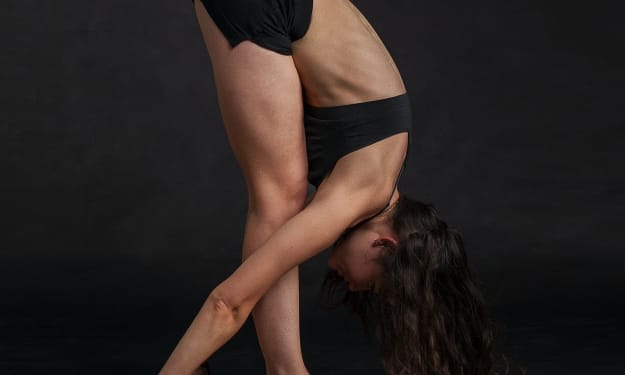
Yoga has been around for centuries, and for a good reason. It's not just about physical flexibility and strength, but it's also a great way to relieve stress and calm the mind. In this fast-paced world, stress and anxiety are common problems that most people face, and practicing yoga can be a great way to combat these issues. In this article, we'll explore 12 yoga poses that can help you achieve stress relief and relaxation. Child's Pose (Balasana) Child's pose is a gentle stretch for your back, hips, and thighs. It's a great way to start your yoga practice and can also be used as a relaxation pose between other more challenging poses. Cat-Cow Pose (Marjaryasana-Bitilasana) This pose is a gentle warm-up for your spine and can help relieve tension in your neck, shoulders, and back. It involves alternating between rounding and arching your spine. Downward Facing Dog Pose (Adho Mukha Svanasana) This pose is a great way to stretch your hamstrings, calves, and spine. It also helps relieve tension in your shoulders and can be used as a transitional pose between other poses. Standing Forward Bend Pose (Uttanasana) This pose is a great way to stretch your hamstrings and calves while also helping to calm the mind. It's an excellent pose for those who spend long hours sitting or standing. Tree Pose (Vrikshasana) This pose helps improve your balance and stability while also helping to calm the mind. It's a great pose for those who want to improve their focus and concentration. Warrior I Pose (Virabhadrasana I) This pose helps strengthen your legs, arms, and core while also stretching your chest and lungs. It's an excellent pose for those who want to feel empowered and energized. Warrior II Pose (Virabhadrasana II) This pose helps open up your hips and stretch your inner thighs while also strengthening your legs, arms, and core. It's a great pose for those who want to feel grounded and focused. Triangle Pose (Trikonasana) This pose helps stretch your hips, hamstrings, and calves while also opening up your chest and lungs. It's an excellent pose for those who spend long hours sitting or standing. Bridge Pose (Setu Bandha Sarvangasana) This pose helps strengthen your back, glutes, and legs while also stretching your chest and neck. It's an excellent pose for those who want to improve their posture and alleviate back pain. Cobra Pose (Bhujangasana) This pose helps strengthen your back while also stretching your chest, lungs, and shoulders. It's an excellent pose for those who spend long hours sitting or hunching over a computer. Fish Pose (Matsyasana) This pose helps open up your chest and stretch your neck while also improving your posture. It's an excellent pose for those who suffer from poor posture or spend long hours sitting. Corpse Pose (Savasana) This pose is the final relaxation pose in a yoga practice. It involves lying flat on your back with your arms and legs relaxed. It's a great way to release tension in your body and calm the mind. Child's Pose (Balasana) Child's Pose is a great yoga pose for stress relief as it allows the mind and body to relax deeply. Start by kneeling on your mat with your knees hip-width apart and your toes touching. Sit back on your heels and fold forward, placing your forehead on the mat. Extend your arms forward or alongside your body, palms facing up. Breathe deeply into your lower back, feeling it expand with each inhale and soften with each exhale. Pigeon Pose (Eka Pada Rajakapotasana) Pigeon Pose is an excellent hip opener that helps relieve tension and stress in the lower body. Begin in Downward-Facing Dog, then bring your right knee forward and place it behind your right wrist. Slide your left leg back and straighten it behind you, placing the top of your left foot on the mat. Keep your hips square and level, and fold forward over your right leg, resting your forehead on your hands or on the mat. Legs Up the Wall Pose (Viparita Karani) Legs Up the Wall Pose is a restorative yoga pose that helps calm the nervous system and relieve stress and anxiety. Sit with your left side against a wall, then swing your legs up the wall as you lie back on the mat. Place a folded blanket or cushion under your hips for support, and allow your arms to rest at your sides, palms facing up. Close your eyes and focus on your breath, feeling your body relax with each exhale. Reclining Bound Angle Pose (Supta Baddha Konasana) Reclining Bound Angle Pose is a gentle hip opener that can help reduce stress and tension in the body. Lie on your back with your knees bent and the soles of your feet together, allowing your knees to fall open to the sides. Place a folded blanket or cushion under each knee for support, and rest your arms at your sides with your palms facing up. Breathe deeply into your belly, feeling it expand with each inhale and soften with each exhale. Corpse Pose (Savasana) Corpse Pose is the ultimate relaxation pose in yoga, and it can help reduce stress and anxiety by allowing the body to fully relax and release tension. Lie on your back with your legs straight and your arms at your sides, palms facing up. Close your eyes and focus on your breath, feeling your body relax with each exhale. Stay in this pose for several minutes, or as long as you like, allowing your mind and body to fully unwind and let go of stress and tension. Conclusion Yoga is an excellent way to relieve stress, calm the mind, and improve your overall well-being. These 12 yoga poses are just a few examples of the many poses you can practice to achieve stress relief and relaxation. Incorporating these poses into your daily routine can help you achieve a sense of
By Shahinsha Shamon4 years ago in Psyche