family
Family can be our support system. Or they can be part of the problem. All about the complicated, loving, and difficult relationship with us and the ones who love us.
Schizophrenia facts and life expectancy
What is Schizophrenia? Schizophrenia is a mental disorder that causes people to hear voices or see things that are not there. It also has other symptoms, such as bizarre behavior and difficulty thinking clearly. Schizophrenia facts can be genetic in some cases but not in all. It is a chronic condition that lasts a longtime and often worsens without treatment.
By Julie Jerlin J4 years ago in Psyche
Alcohol Dependency: Understanding the Causes and Risks
Alcohol is a widely consumed substance that can be found at almost every social gathering. While many people can drink in moderation, others develop a dependence on alcohol that can lead to a wide range of physical and mental health problems. Alcohol dependency, also known as alcoholism, is a chronic disease that affects millions of people worldwide. In this article, we will explore the causes and risks of alcohol dependency and the impact it can have on an individual's life.
By MAKING REAL MONEY4 years ago in Psyche
The Journey to Sobriety: Overcoming Addiction and Reclaiming Your Life
The road to recovery and sobriety can be a long and challenging journey, but it is a journey worth taking for those struggling with addiction. Addiction can be a devastating disease that affects not only the individual but also their family, friends, and community. However, with the right tools, support, and mindset, it is possible to overcome addiction and live a fulfilling life in sobriety.
By MAKING REAL MONEY4 years ago in Psyche
Thanks for the trauma
May 24th, 2020 was one of the worst days of my life. Covid was in full swing, people were taking precautions, and lockdowns were happening. At 3:20 PM, I got a phone call that shattered my world. After being in the hospital since April of that year, my father gained his wings. He suffered a stroke in 2015 and it was as if the man I knew, the hard-working father who drove to work every morning to provide for his family and loved to build things, watch NASCAR and drink his Budweiser was gone. He wasn’t coming back.
By Christina Scanlon4 years ago in Psyche
Exercise and physical activity
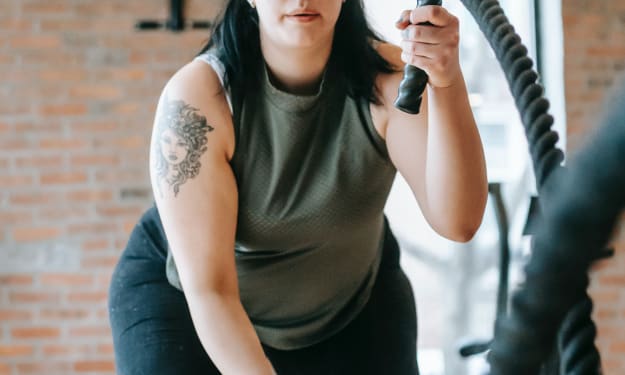
Exercise and physical activity are essential for a healthy and happy life. They offer a wide range of benefits that can positively impact your physical, mental, and emotional health. Whether you're a fitness enthusiast or someone who's just starting to incorporate exercise into your routine, it's important to understand the benefits of exercise and physical activity and how they can improve your overall health and well-being. Physical Health Benefits of Exercise Regular exercise can help improve your physical health in a variety of ways. Here are just a few examples: Helps manage weight - Exercise can help you maintain a healthy weight and prevent obesity, which is a risk factor for many chronic diseases. Reduces the risk of chronic diseases - Regular exercise can help prevent and manage a range of chronic diseases, such as heart disease, diabetes, and certain types of cancer. Strengthens bones and muscles - Exercise can help improve bone density and muscle mass, reducing the risk of osteoporosis and age-related muscle loss. Improves cardiovascular health - Exercise can improve cardiovascular health by strengthening the heart and reducing the risk of heart disease and stroke. Increases energy and stamina - Exercise can help increase energy levels and improve stamina, making it easier to perform daily tasks and physical activities. Mental Health Benefits of Exercise In addition to physical health benefits, exercise can also have a positive impact on your mental health. Here are a few examples: Reduces stress and anxiety - Exercise can help reduce stress and anxiety by releasing endorphins, which are feel-good chemicals in the brain. Boosts mood - Exercise can improve mood by increasing serotonin and dopamine levels in the brain, which can help alleviate symptoms of depression. Improves sleep - Regular exercise can help improve sleep quality and duration, leading to better overall mental and physical health. Boosts self-esteem - Exercise can help boost self-esteem and confidence by improving body image and physical fitness. Enhances brain function - Exercise has been shown to enhance cognitive function, memory, and focus, leading to improved academic and work performance. Incorporating Exercise into Your Routine Incorporating exercise into your daily routine doesn't have to be complicated or time-consuming. Here are some tips for getting started: Start small - Begin with short, manageable workouts and gradually increase intensity and duration. Find activities you enjoy - Exercise doesn't have to be a chore. Find activities you enjoy, such as walking, cycling, or dancing. Mix it up - Varying your workouts can help prevent boredom and keep you motivated. Try different types of exercise, such as cardio, strength training, and yoga. Set realistic goals - Set achievable goals and track your progress to stay motivated and on track. Make it a habit - Incorporate exercise into your daily routine by scheduling workouts at the same time each day and making it a non-negotiable part of your day. Tips for Staying Motivated Staying motivated to exercise can be a challenge, especially if you're just starting out. Here are some tips to help you stay on track: Set achievable goals - Set realistic goals and track your progress to stay motivated. Find a workout buddy - Having a workout buddy can help keep you accountable and motivated. Make it fun - Exercise doesn't have to be boring. Find activities you enjoy and mix up your workouts to keep things interesting. Reward yourself - Set up a reward system for reaching your fitness goals, such as buying new workout gear or treating yourself to a massage. Track your progress - Tracking your progress can help you stay motivated and see the results of your hard work. The Bottom Line Exercise and physical activity are essential for maintaining good health and well-being. They offer a wide range of benefits for both your physical and mental health, including managing your weight, preventing chronic diseases, reducing stress and anxiety, improving mood and cognitive function, and boosting self-esteem. By incorporating exercise into your daily routine and making it a priority, you can improve your overall health and live a happier, healthier life. Remember to start small, find activities you enjoy, set achievable goals, and stay motivated. With time and consistency, you'll see the results of your hard work and commitment to a healthy and active lifestyle. Conclusion Exercise and physical activity offer a wide range of benefits for your physical, mental, and emotional health. Whether you're looking to manage your weight, prevent chronic diseases, reduce stress and anxiety, or boost your mood and cognitive function, exercise can help. By incorporating exercise into your daily routine and making it a priority, you can improve your overall health and well-being and live a happier, healthier life. Remember, it's never too late to start exercising and reap the benefits that come with it.
By Shahinsha Shamon4 years ago in Psyche
Shopping disorder and its consequences in life
What is shopping addiction? Are you an avid online shopper? If so, do you find yourself browsing for new clothes or shoes more often than purchasing them? Or perhaps you’re one of the many people who find it impossible to resist the allure of daily flash sales and other irresistible online shopping deals. Do you doubt that you have a shopping disorder?
By Julie Jerlin J4 years ago in Psyche
How Questioning Life Can Lead to Personal Growth and Spiritual Awakening
The question of the meaning of life has troubled humanity for centuries. Whether you believe in God or not, the fact that we exist and that we are here on this planet can be a source of wonder and awe. Yet, the question remains: why are we here? What is the purpose of life? In this article, we will explore the concept of questioning life and how it can lead to personal growth, spiritual awakening, and a deeper understanding of ourselves and the world around us.
By MAKING REAL MONEY4 years ago in Psyche
What a Bathroom Exorcism Taught Me About Religion
I was raised in a very religious setting, from birth until the day I moved out of my parents’ home. I’ve seen some shit. Most of it happened in church. But once in a while, I remember an oddball occurrence that I’d forgotten about but really stands out once I think of it again.
By The Mouthy Renegade Writer4 years ago in Psyche
12 Yoga Poses for Stress Relief and Relaxation
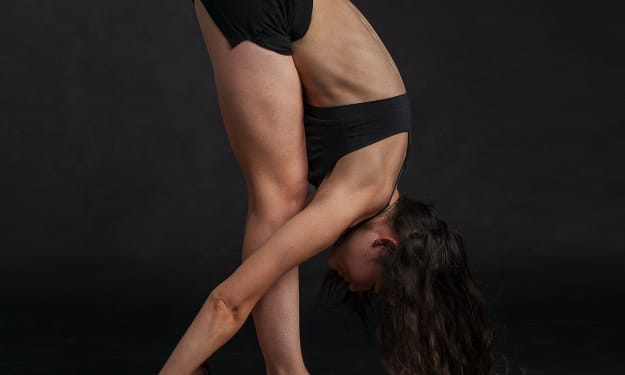
Yoga has been around for centuries, and for a good reason. It's not just about physical flexibility and strength, but it's also a great way to relieve stress and calm the mind. In this fast-paced world, stress and anxiety are common problems that most people face, and practicing yoga can be a great way to combat these issues. In this article, we'll explore 12 yoga poses that can help you achieve stress relief and relaxation. Child's Pose (Balasana) Child's pose is a gentle stretch for your back, hips, and thighs. It's a great way to start your yoga practice and can also be used as a relaxation pose between other more challenging poses. Cat-Cow Pose (Marjaryasana-Bitilasana) This pose is a gentle warm-up for your spine and can help relieve tension in your neck, shoulders, and back. It involves alternating between rounding and arching your spine. Downward Facing Dog Pose (Adho Mukha Svanasana) This pose is a great way to stretch your hamstrings, calves, and spine. It also helps relieve tension in your shoulders and can be used as a transitional pose between other poses. Standing Forward Bend Pose (Uttanasana) This pose is a great way to stretch your hamstrings and calves while also helping to calm the mind. It's an excellent pose for those who spend long hours sitting or standing. Tree Pose (Vrikshasana) This pose helps improve your balance and stability while also helping to calm the mind. It's a great pose for those who want to improve their focus and concentration. Warrior I Pose (Virabhadrasana I) This pose helps strengthen your legs, arms, and core while also stretching your chest and lungs. It's an excellent pose for those who want to feel empowered and energized. Warrior II Pose (Virabhadrasana II) This pose helps open up your hips and stretch your inner thighs while also strengthening your legs, arms, and core. It's a great pose for those who want to feel grounded and focused. Triangle Pose (Trikonasana) This pose helps stretch your hips, hamstrings, and calves while also opening up your chest and lungs. It's an excellent pose for those who spend long hours sitting or standing. Bridge Pose (Setu Bandha Sarvangasana) This pose helps strengthen your back, glutes, and legs while also stretching your chest and neck. It's an excellent pose for those who want to improve their posture and alleviate back pain. Cobra Pose (Bhujangasana) This pose helps strengthen your back while also stretching your chest, lungs, and shoulders. It's an excellent pose for those who spend long hours sitting or hunching over a computer. Fish Pose (Matsyasana) This pose helps open up your chest and stretch your neck while also improving your posture. It's an excellent pose for those who suffer from poor posture or spend long hours sitting. Corpse Pose (Savasana) This pose is the final relaxation pose in a yoga practice. It involves lying flat on your back with your arms and legs relaxed. It's a great way to release tension in your body and calm the mind. Child's Pose (Balasana) Child's Pose is a great yoga pose for stress relief as it allows the mind and body to relax deeply. Start by kneeling on your mat with your knees hip-width apart and your toes touching. Sit back on your heels and fold forward, placing your forehead on the mat. Extend your arms forward or alongside your body, palms facing up. Breathe deeply into your lower back, feeling it expand with each inhale and soften with each exhale. Pigeon Pose (Eka Pada Rajakapotasana) Pigeon Pose is an excellent hip opener that helps relieve tension and stress in the lower body. Begin in Downward-Facing Dog, then bring your right knee forward and place it behind your right wrist. Slide your left leg back and straighten it behind you, placing the top of your left foot on the mat. Keep your hips square and level, and fold forward over your right leg, resting your forehead on your hands or on the mat. Legs Up the Wall Pose (Viparita Karani) Legs Up the Wall Pose is a restorative yoga pose that helps calm the nervous system and relieve stress and anxiety. Sit with your left side against a wall, then swing your legs up the wall as you lie back on the mat. Place a folded blanket or cushion under your hips for support, and allow your arms to rest at your sides, palms facing up. Close your eyes and focus on your breath, feeling your body relax with each exhale. Reclining Bound Angle Pose (Supta Baddha Konasana) Reclining Bound Angle Pose is a gentle hip opener that can help reduce stress and tension in the body. Lie on your back with your knees bent and the soles of your feet together, allowing your knees to fall open to the sides. Place a folded blanket or cushion under each knee for support, and rest your arms at your sides with your palms facing up. Breathe deeply into your belly, feeling it expand with each inhale and soften with each exhale. Corpse Pose (Savasana) Corpse Pose is the ultimate relaxation pose in yoga, and it can help reduce stress and anxiety by allowing the body to fully relax and release tension. Lie on your back with your legs straight and your arms at your sides, palms facing up. Close your eyes and focus on your breath, feeling your body relax with each exhale. Stay in this pose for several minutes, or as long as you like, allowing your mind and body to fully unwind and let go of stress and tension. Conclusion Yoga is an excellent way to relieve stress, calm the mind, and improve your overall well-being. These 12 yoga poses are just a few examples of the many poses you can practice to achieve stress relief and relaxation. Incorporating these poses into your daily routine can help you achieve a sense of
By Shahinsha Shamon4 years ago in Psyche