family
Family can be our support system. Or they can be part of the problem. All about the complicated, loving, and difficult relationship with us and the ones who love us.
Psychological Fear
Introduction: The Silent Puppeteer of Our Minds Fear is more than just a reaction to danger—it’s an invisible scriptwriter dictating our choices, relationships, and even our potential. Unlike instinctive fear (like jumping away from a snake), psychological fear is subtler, more insidious. It’s the voice that whispers:
By its_ishfaq_ahmadabout a year ago in Psyche
Always Connected,Still Alone:The Silent Epidemic of Digital Loneliness. AI-Generated.
They liked your post. They commented with a heart. They even shared your story. But when was the last time someone actually asked how you were doing—and stayed to hear the real answer?
By Nowshad Ahmadabout a year ago in Psyche
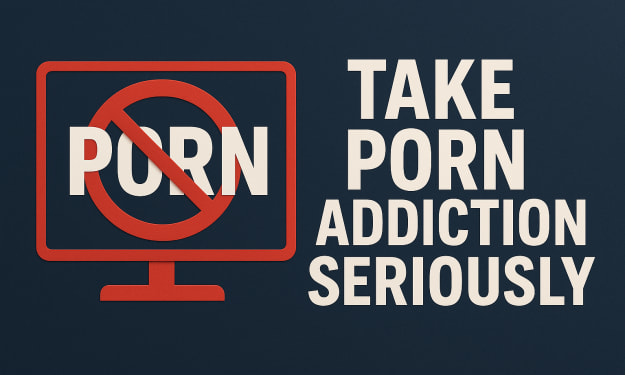
Porn: The Addiction We Don’t Take Seriously
I’ve noticed something strange when it comes to how people talk about porn. They either make jokes about it or pretend it’s harmless. Like it’s just another thing adults do. But the more I thought about it, the more I realized, this thing is messing with us. Not just sexually, but psychologically, emotionally, even spiritually, if you want to go that deep.
By Beyond The Surfaceabout a year ago in Psyche
From the Valleys of Peshawar to the Land of the Rising Sun
My Story: My name is Atif, and I was born on May 15, 2002, in Peshawar, Pakistan, into a poor but hardworking family. Our origins trace back to the Mohmand Agency (FATA), but we’ve been living in Peshawar for over 38 years—fighting poverty, chasing dreams, and building our lives one brick at a time.
By Atif khurshaidabout a year ago in Psyche
Beneath the Surface: Understanding Major Depressive Disorder
Introduction Depression is often misunderstood as simple sadness, a temporary cloud that will lift on its own. But for millions of people worldwide, depression is not fleeting—it is a constant, heavy presence that reshapes how they think, feel, and function. Among the most disabling mental health conditions, Major Depressive Disorder (MDD) is a complex and multifaceted disorder that reaches far beyond low mood. It is a condition that touches the emotional, cognitive, physical, and social dimensions of a person’s life. And while it remains one of the most prevalent psychiatric disorders globally, it is still surrounded by stigma, silence, and dangerous misconceptions.
By Siria De Simoneabout a year ago in Psyche
The Complex Role of Dopamine in Our Lives: Understanding the Science Behind Pleasure and Motivation
*The Complex Role of Dopamine in Our Lives: Understanding the Science Behind Pleasure and Motivation* Dopamine is a neurotransmitter that plays a crucial role in our brain's reward and pleasure centers. It is often referred to as the "feel-good" hormone, and for good reason. Dopamine is released in response to pleasurable activities, such as eating, exercise, or social interactions, and it helps to motivate us to repeat those behaviors. However, when dopamine is released in excess or in response to artificial stimuli, such as social media or pornography, it can have negative consequences for our mental and physical health. *The Science Behind Dopamine* Dopamine is a chemical messenger that transmits signals between neurons in the brain. When we experience something pleasurable, dopamine is released, and it binds to dopamine receptors in the brain, producing a feeling of pleasure and satisfaction. This process is known as the brain's reward system, and it is essential for motivating us to engage in behaviors that are necessary for survival, such as eating and reproduction. However, the brain's reward system can be hijacked by artificial stimuli, such as social media, video games, or pornography. These stimuli can cause a rapid release of dopamine, leading to feelings of pleasure and addiction. Over time, the brain becomes accustomed to these artificial stimuli, and it requires more and more dopamine to feel the same level of pleasure. This can lead to a vicious cycle of addiction, where individuals become increasingly dependent on these stimuli to feel good. *The Consequences of Excessive Dopamine Release* Excessive dopamine release can have negative consequences for our mental and physical health. Some of the potential consequences include: - Addiction: Excessive dopamine release can lead to addiction, as individuals become dependent on the pleasurable feelings associated with dopamine release. - Decreased motivation: When dopamine is released in response to artificial stimuli, it can decrease motivation and interest in activities that do not provide a rapid dopamine release. - Decreased pleasure: Over time, the brain becomes accustomed to the artificial stimuli, and it requires more and more dopamine to feel the same level of pleasure. - Negative impact on mental health: Excessive dopamine release can contribute to mental health issues, such as depression, anxiety, and obsessive-compulsive disorder. *How to Manage Dopamine Levels* Fortunately, there are ways to manage dopamine levels and reduce the negative consequences of excessive dopamine release. Some strategies include: - *Dopamine detox*: Taking a break from artificial stimuli, such as social media or video games, can help to reset the brain's dopamine system. - *Engage in natural pleasures*: Engaging in natural pleasures, such as exercise, reading, or spending time with friends and family, can help to increase dopamine levels in a healthy way. - *Set clear goals*: Setting clear goals and working towards them can help to increase motivation and provide a sense of purpose. - *Practice self-care*: Practicing self-care, such as getting enough sleep, eating a healthy diet, and engaging in regular exercise, can help to support overall brain health. *The Importance of Self-Awareness* Self-awareness is critical in managing dopamine levels and reducing the negative consequences of excessive dopamine release. By being aware of our own behaviors and motivations, we can take steps to manage our dopamine levels and reduce our dependence on artificial stimuli. *Conclusion* Dopamine is a complex neurotransmitter that plays a crucial role in our brain's reward and pleasure centers. While dopamine is essential for motivating us to engage in behaviors that are necessary for survival, excessive dopamine release can have negative consequences for our mental and physical health. By understanding the science behind dopamine and taking steps to manage our dopamine levels, we can reduce the negative consequences of excessive dopamine release and improve our overall health and well-being. *The Role of Dopamine in Motivation* Dopamine plays a critical role in motivation, as it helps to reinforce behaviors that are necessary for survival. However, when dopamine is released in response to artificial stimuli, it can decrease motivation and interest in activities that do not provide a rapid dopamine release. *The Impact of Dopamine on Mental Health* Dopamine has a significant impact on mental health, and excessive dopamine release can contribute to mental health issues, such as depression, anxiety, and obsessive-compulsive disorder. By understanding the role of dopamine in mental health, we can take steps to manage our dopamine levels and reduce the risk of mental health issues. *The Importance of Balance* Balance is critical in managing dopamine levels and reducing the negative consequences of excessive dopamine release. By finding a balance between artificial stimuli and natural pleasures, we can reduce our dependence on artificial stimuli and improve our overall health and well-being. *Conclusion* In conclusion, dopamine is a complex neurotransmitter that plays a crucial role in our brain's reward and pleasure centers. By understanding the science behind dopamine and taking steps to manage our dopamine levels, we can reduce the negative consequences of excessive dopamine release and improve our overall health and well-being. By finding a balance between artificial stimuli and natural pleasures, we can reduce
By Ikram Ullahabout a year ago in Psyche
A Letter to the Person I Used to Be
Dear Me, I don’t write to you often — mostly because I’ve been too busy trying to survive, adapt, prove, and protect. But today, I felt you. In the silence between tasks. In the ache behind my smile. In the mirror, when I almost didn’t recognize who I’d become. So this is a letter to you — the person I used to be.
By DR. Allama iqbalabout a year ago in Psyche