depression
It is not just a matter of feeling sad; discover an honest view of the mental, emotional and physical toll of clinical depression.
The LONELINESS epidemic
I sat in my favorite café last week — the kind with rustic wood tables, soft indie music, and enough caffeine to keep a city awake. Every seat was full. People on laptops. Friends sharing croissants. Someone taking a selfie with their oat milk latte.
By Emad Iqbalabout a year ago in Psyche
🧠 The Dopamine Dilemma: Why Everything Fun Feels Empty Now. AI-Generated.
Introduction: The Paradox of Pleasure Why does everything that once felt exciting now feel… flat? We binge-watch entire shows, swipe through endless content, chase likes, snack on ultra-processed foods, and still feel strangely unsatisfied. It’s not because we’ve grown numb—it’s because our brain’s reward system is under siege.
By Ahmet Kıvanç Demirkıranabout a year ago in Psyche
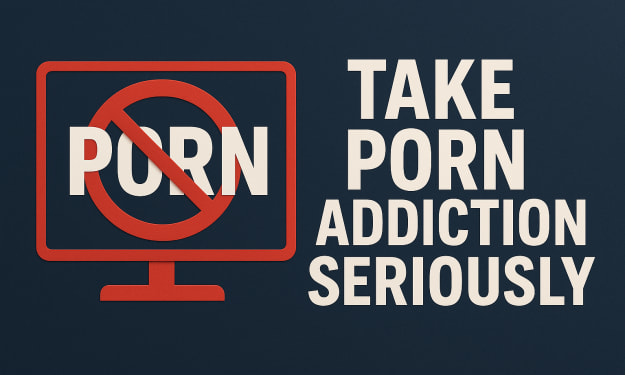
Porn: The Addiction We Don’t Take Seriously
I’ve noticed something strange when it comes to how people talk about porn. They either make jokes about it or pretend it’s harmless. Like it’s just another thing adults do. But the more I thought about it, the more I realized, this thing is messing with us. Not just sexually, but psychologically, emotionally, even spiritually, if you want to go that deep.
By Beyond The Surfaceabout a year ago in Psyche
Decoding the Matrix of Neurodivergence Through Energy Centers <short>. Content Warning.
Energy work has been woven into the fabric of ancient cultures for centuries. Across generations, individuals were intuitively aware of their role in processing the emotional burdens carried by their lineage—emotions like fear, guilt, and shame gets trapped in the lineage’s energy signature if not released.
By Neurodivergent-Soul2Soulabout a year ago in Psyche
Harnessing the Power of Energy Centers: A Neurodivergent’s Journey from Dysregulation to Inner Alignment. Content Warning.
Energy work, chakras, and the concept of subtle energy centers have long fascinated the world. While some dismiss these practices as unscientific, others—especially those who begin experiencing energetic shifts—often find themselves transformed by the profound impact of this inner work. Often referred to as Energy Healing, Quantum Healing, or simply Inner Work, this path can be deeply empowering.
By Neurodivergent-Soul2Soulabout a year ago in Psyche
How Inner work is helping me managing my Neuro-D Struggles. Content Warning.
Being born neurodivergent—living with ADHD and Autism—meant navigating a world that often felt like it wasn’t built for me. For years, the hardest part wasn’t the symptoms themselves, but learning to love and accept myself in a society shaped for neurotypicals.
By Neurodivergent-Soul2Soulabout a year ago in Psyche
Inside My Mind: What No One Ever Saw. AI-Generated.
There’s a world inside me no one ever sees. From the outside, I look calm. Maybe even strong. I smile when I’m supposed to. I nod. I say “I’m good” on autopilot. And most people believe me — because I’ve made it believable. But inside? It’s loud. It’s heavy. It’s full of thoughts I never invited. The Noise No One Hears My mind doesn’t rest. It replays conversations, questions decisions, overanalyzes silence. It wonders: Did I say too much? Did I say enough? Did I mess it all up again? Even when I’m trying to enjoy the moment, a part of me stands in the background — narrating, judging, doubting. It’s exhausting. But it’s invisible. And that’s the hardest part. When You’re Your Own Prisoner There were days I felt like I was drowning — not in water, but in thoughts. Overthinking wasn’t just a habit; it was my home. I couldn’t make decisions without doubting myself five times. I couldn’t relax without guilt creeping in. I couldn’t celebrate anything — because my mind always asked, “What if it doesn’t last?” I was trapped. Not by circumstances. But by my own mind. And no one knew. Smiling on the Outside, Breaking on the Inside I became really good at hiding it. I wore busyness like armor. I told jokes. I helped others. I said yes to everything — because keeping others happy distracted me from facing myself. But late at night, when the world went quiet, the truth returned louder than ever. That’s when I realized something painful: I wasn’t living. I was performing. Performing sanity. Performing confidence. Performing okayness. And I was tired. The Moment I Broke — and Finally Breathed I’ll never forget the night I let it all out. I had a panic attack alone in my room. No obvious trigger — just years of bottled thoughts breaking through at once. I felt like my mind was folding in on itself. My chest was tight. My hands shook. I thought I was going crazy. But strangely… in that breakdown, there was a breakthrough. For the first time, I admitted: “I can’t do this alone anymore.” Choosing to Heal That night didn’t fix everything. But it woke me up. I started writing — not for anyone, just for me. I spilled every thought, no matter how irrational or messy. It was like opening a window in a suffocating room. Then I started reading about anxiety. Mindfulness. Trauma. Psychology. I realized my mind wasn’t broken — it was overwhelmed. And it wasn’t the enemy — it was trying to protect me. I just needed to understand it. What Helped Me Healing didn’t come in one big moment — it came in small, imperfect ones: Breathing deep when I wanted to run. Challenging the story in my head. Noticing when my thoughts weren’t true — just loud. Letting myself rest without guilt. Talking to people who truly listened — and being brave enough to say, “I’m not okay.” Slowly, I stopped fearing my mind — and started working with it. The Power of Self-Awareness Understanding your psyche is like learning a new language. It takes patience. It takes honesty. And most of all, it takes kindness toward yourself. I still overthink sometimes. I still get caught in mental loops. But now I notice them. I pause. I breathe. I remind myself: “You’re not your thoughts. You’re the one witnessing them.”
By Amin Turabiabout a year ago in Psyche