coping
Life presents variables; learning how to cope in order to master, minimize, or tolerate what has come to pass.
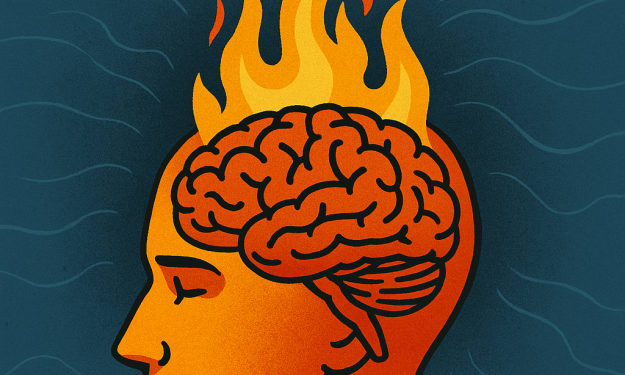
Mental Burnout: Psychological Causes and Solutions
Introduction In an era defined by relentless productivity, high expectations, and constant connectivity, mental burnout has become a silent epidemic. Often mistaken for mere exhaustion, burnout is a multifaceted psychological condition that can erode one’s emotional well-being, cognitive function, and overall quality of life. It is no longer confined to corporate boardrooms or high-stress professions; students, caregivers, freelancers, and even teenagers are reporting symptoms of burnout in increasing numbers.
By Siria De Simoneabout a year ago in Psyche
What Pain Really Does to Us
Pain is a universal experience. We all go through it in one form or another. Whether it's emotional heartbreak, physical injury, or the quiet ache of loneliness, pain is something none of us can escape. But here's the twist — pain isn't always the enemy. In fact, in many ways, it's our greatest teacher.
By F. M. Rayaanabout a year ago in Psyche
Rewiring the Brain: How to Change Your Mindset Through Neuroplasticity
Introduction For decades, the prevailing belief in neuroscience was that the brain, much like a machine, was hardwired from early childhood and incapable of significant change. Today, that notion has been thoroughly debunked. Modern neuroscience shows that the human brain is far more adaptable than once thought—a phenomenon known as neuroplasticity. This remarkable capacity allows us not only to recover from injury but also to reprogram our thoughts, emotions, and behaviors.
By Siria De Simoneabout a year ago in Psyche
Born At 28. Content Warning.
Never in my life had I imagined a day where I could wake up, stretching my arms to the sky as the goose bumps danced along my skin....without that feeling. That deep rooted anguish that floods in after that painfully short second of nothingness. That second when you wake up and for a moment you are unaware of the pain. A second of mercy before reality sets in, overpowered by that pit in your stomach and that growing hole in your chest.
By The Darkest Sunriseabout a year ago in Psyche
Finding Your Glimmers
Hope (aka. a 'glimmer' of hope) is not lost in the simple pleasures of life; even if you think (or more importantly feel) that life feels like a lost cause from 2020 onwards. It is fair to say that the world has (and still is) undergoing some deep and significant transformations, where it feels like you may not have anything to look forward to in moving forward. Depression (and sometimes anxiety, but mostly depression) is the epitome of not finding any joy, and where there feels like (or in actuality there is) a lack of gratitude and love (the two highest positive emotions that a human being can endure, and hence enjoy) can feel like that glimmer has dulled its shine; and therefore you may no longer feel safe - let alone seen and heard. The latter is what we all need in order to thrive, and to go beyond Maslow's basic hierarchy of needs. It is like igniting a bit of romance and spark, so that your life is not too onerous or mundane.
By Justine Crowleyabout a year ago in Psyche
The Secret to a Meaningful Life: Unlocking the Power of Ikigai
In today’s fast-paced, hyper-connected world, it’s easy to feel lost, burned out, or unsure of our place in life. We chase productivity, success, and validation, often without pausing to ask a simple yet profound question: Why am I doing this? That’s where Ikigai comes in—a centuries-old Japanese philosophy that offers a refreshing and grounded path to fulfillment. More than just a trendy buzzword, Ikigai is a deeply personal journey of discovering what makes life worth living.
By Siria De Simoneabout a year ago in Psyche
How to Truly Support a Loved One with Anxiety and Panic Attacks
When someone close to you suffers from anxiety or panic attacks, it can be heartbreaking, confusing, and even frustrating. You may feel helpless, unsure of what to say or do, or worried that you might make things worse. The truth is, your support can make a powerful difference—if it’s offered with empathy, understanding, and the right tools.
By Siria De Simoneabout a year ago in Psyche