addiction
The realities of addition; the truth about living under, above and beyond the influence of drugs and alcohol.
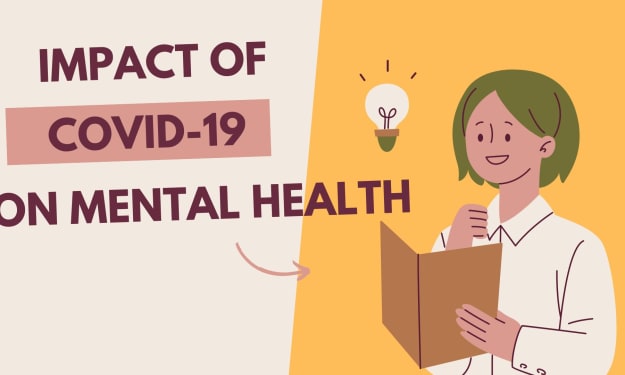
The Impact of COVID-19 on Global Mental Health. AI-Generated.
Introduction The COVID-19 pandemic has been a defining global event, reshaping many aspects of daily life and health. While the physical health impacts of the virus have been widely documented, its effects on mental health have also been profound and far-reaching. The pandemic had triggered a global mental health crisis, exacerbating existing issues and creating new challenges for individuals and health systems worldwide.
By Jayson Rom2 years ago in Psyche
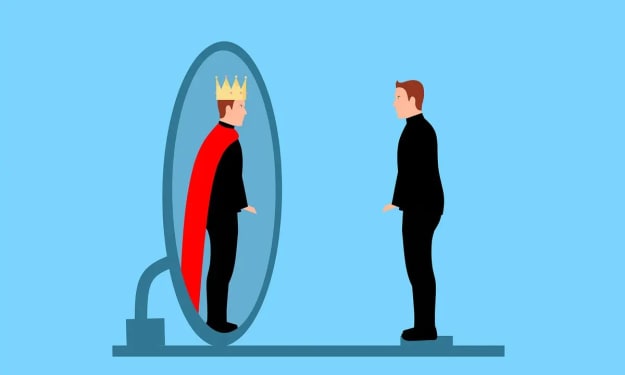
Coping with Narcissism
Long before the advent of selfies, the ancient Greeks and Romans had a myth about someone excessively obsessed with his own image. This myth was about Narcissus, a handsome young man who wandered the world in search of someone to love. After rejecting a nymph named Echo, Narcissus caught a glimpse of his own reflection in a river and fell in love with it. Unable to tear himself away from his reflection, he eventually drowned. A flower, which we now call the narcissus, marked the spot where he died. This myth captures the essence of narcissism: elevated and sometimes detrimental self-involvement.
By Horace Wasmore2 years ago in Psyche
Navigating the Chaos: Understanding the Latest Rehabilitation Council of India Guidelines in 2024
Navigating the Chaos: Understanding the Latest Rehabilitation Council of India Guidelines in 2024 The recent guidelines issued by RCI have created unrest amongst the aspiring minds of psychology. The Rehabilitation Council of India (RCI) has released a fresh circular specifically targeting individuals who have a keen interest in studying psychology. The regulatory body has recently introduced a new set of guidelines for the BSc Clinical Psychology (Honours) course. It aimed to address the need for trained and competent professionals for mental health, more specifically for the treatment of patients with less serious emotional and psychological ailments, that could be detrimental in the long run.
By Hridya Sharma2 years ago in Psyche
Personal stories of individuals affected by severe weather and how they coped with the aftermath.
The Human Side of Climate Change: Personal Stories of Resilience Introduction Severe weather events fueled by climate change are becoming more frequent and intense, leaving behind not just physical destruction but also profound emotional scars. These personal stories shed light on the human side of climate change, highlighting the resilience and coping mechanisms of individuals affected by these events.
By Bas Basvinth2 years ago in Psyche
IT's a Mental Trap
In our thoughts, we find something powerful—the nature of positivity and its profound impact on our well-being. Positive thoughts have a unique quality; they protect us from the traps of obsession. Unlike negative thoughts, which multiply and entangle us in despair, positive thinking remains steadfast and content. It's undeniable that our minds, as the architects of our experiences, have an immense influence on our physical selves. A flow of energy courses through us, and negative thoughts disrupt this harmony, causing internal blockages.
By Lucas Jenn2 years ago in Psyche
Unlocking the Power of Faith
In today's fast-paced world, the pursuit of mental wellness often feels like an elusive quest. The constant barrage of internal and external pressures can lead individuals down an unhealthy path, paving the way for addiction and other mental health challenges to take root. However, research has shown that embracing spirituality and faith can be a formidable strategy for recovery and overall well-being.
By Kevin MacELwee2 years ago in Psyche
When 'Doxycycline Ruined My Life' Became an STI Shield
When 'Doxycycline Ruined My Life' Became an STI Shield In this blog post, we will delve into the complexities of using doxycycline as an STI shield and explore both the potential benefits and drawbacks of this approach.
By Earlene Blick2 years ago in Psyche
Navigating Life's Heartaches: Coping with Loss and Breakups. AI-Generated.
Navigating Life’s Toughest Moments: Coping with Funerals and Breakups Life is filled with moments of joy, celebration, and happiness, but it also comes with its fair share of pain and heartache. Two of the most challenging experiences many people face are the loss of a loved one through death and the end of a significant relationship through a breakup. These events can leave you feeling lost, overwhelmed, and unsure of how to move forward. This comprehensive guide will help you navigate these tough times and find a path to healing and resilience. #### Understanding Grief and Loss Grief is a natural response to loss. It’s a deeply personal and often complex process that varies significantly from person to person. The intensity and duration of grief can be influenced by many factors, including the nature of the relationship, the circumstances of the loss, and your personal coping mechanisms. ##### Common Stages of Grief Elisabeth Kübler-Ross's model outlines five stages of grief: denial, anger, bargaining, depression, and acceptance. It's important to remember that these stages are not linear and can occur in any order, often overlapping. - **Denial**: A common initial reaction is to deny the reality of the loss. This is a defense mechanism that buffers the immediate shock. - **Anger**: As the denial fades, the pain re-emerges, often expressed as anger. This anger can be directed at yourself, others, or even the person who has passed away or left. - **Bargaining**: In this stage, you might find yourself making “deals” or promises in hopes of reversing the loss. This is a way to regain control. - **Depression**: When the reality sets in, it’s normal to feel deep sadness and despair. This stage can be the most challenging and often the longest. - **Acceptance**: Eventually, you may find a way to come to terms with the loss. Acceptance doesn’t mean you’re “over it,” but you can find a way to move forward. #### Coping with the Loss of a Loved One Losing a loved one is one of the most painful experiences imaginable. Here are some strategies to help you cope with the grief and find a way to live with the loss. ##### Allow Yourself to Grieve Grieving is a personal process that has no set timeline. Allow yourself to feel whatever you need to feel without judgment. - **Acknowledge Your Pain**: Don’t try to suppress your emotions. Cry if you need to, talk about your loved one, and express your feelings. - **Seek Support**: Surround yourself with friends and family who can provide emotional support. Consider joining a support group where you can share your experiences with others who are going through similar losses. - **Take Care of Yourself**: Grief can take a physical toll. Ensure you’re eating well, getting enough sleep, and exercising. Avoid alcohol and drugs as a way to cope. ##### Create a Memorial Finding ways to honor and remember your loved one can provide comfort and help you process your grief. - **Create a Tribute**: This could be a scrapbook, a photo album, or a memorial service. Sharing stories and memories can be healing. - **Engage in Rituals**: Lighting a candle, visiting their favorite places, or celebrating their birthday can keep their memory alive. - **Give Back**: Consider volunteering or making a donation in their name. Doing something positive in their honor can be fulfilling. #### Coping with a Breakup A breakup can feel like the end of the world, especially if the relationship was long-term or deeply meaningful. Here’s how to navigate through the emotional turmoil and start to rebuild your life. ##### Allow Yourself to Mourn Much like the loss of a loved one, the end of a relationship requires a period of mourning. - **Accept Your Feelings**: It’s normal to feel a range of emotions from sadness to anger. Allow yourself to experience these feelings without self-criticism. - **Limit Contact**: Immediately after a breakup, it can be helpful to limit contact with your ex-partner to give yourself time to heal. ##### Rebuild Your Identity When a relationship ends, it’s common to feel like you’ve lost a part of yourself. Rebuilding your identity is a crucial step in the healing process. - **Rediscover Your Interests**: Engage in hobbies and activities that you enjoy. This can help you reconnect with yourself and find joy outside of the relationship. - **Set New Goals**: Use this time to reflect on what you want in your life moving forward. Setting new personal and professional goals can give you a sense of purpose and direction. ##### Lean on Your Support System Don’t be afraid to ask for help from friends and family. They can offer a listening ear, distraction, and even practical support. - **Talk It Out**: Share your feelings with trusted friends or family members. Sometimes just talking about what you’re going through can provide relief. - **Seek Professional Help**: If you’re finding it difficult to cope, consider speaking to a therapist. Professional guidance can offer new perspectives and coping strategies. #### Finding Meaning and Moving Forward Both funerals and breakups signify endings, but they also mark the beginning of a new chapter in your life. Finding meaning in these experiences can help you move forward. ##### Reflect and Learn Take time to reflect on what the relationship meant to you and what you learned from it. - **Understand the Lessons**: Every relationship and loss teaches us something. Reflect on the positive aspects and the challenges, and consider how they can inform your future relationships and personal growth. - **Embrace Change**: Change is a natural part of life. Embracing it rather than resisting it can lead to new opportunities and experiences. ##### Cultivate Resilience Resilience is the ability to bounce back from adversity. Developing this trait can help you handle future challenges more effectively. - **Practice Self-Compassion**: Be kind to yourself. Understand that healing takes time and that it’s okay to have setbacks. - **Stay Connected**: Maintain your social connections. Relationships with friends and family can provide support and stability. - **Focus on Gratitude**: Cultivate a practice of gratitude. Even in difficult times, finding things to be thankful for can shift your perspective and improve your mood. #### Conclusion Coping with the loss of a loved one or the end of a relationship is never easy. It’s a journey that requires patience, self-compassion, and effort. By allowing yourself to grieve, seeking support, and focusing on self-care, you can navigate these tough times and find a path to healing. Remember that it’s okay to ask for help and that you don’t have to go through this alone. With time and perseverance, you can emerge from these experiences stronger and more resilient.
By Mbeha maliwa 2 years ago in Psyche
Letting Go: How Detachment Can Help You Heal Toxic Relationships
Letting Go: How Detachment Can Help You Heal Toxic Relationships Many individuals in the self-help and dating advice community often emphasize the importance of independence, but there is a disconnect between societal norms and scientific evidence. Building strong emotional connections with others has been shown to result in increased levels of happiness, success, and overall well-being in individuals' lives. Some individuals offer self-help and dating advice and believe in the importance of being independent, but there is a disconnect between societal norms and scientific research. Building strong emotional connections with others has been shown to increase happiness, effectiveness, and overall stability in life.
By Hridya Sharma2 years ago in Psyche
TRAUMA AND ADDICTION
# J.R.R. Tolkien, Trauma, and the Nature of PTSD Many are familiar with J.R.R. Tolkien through his monumental works, "The Hobbit" and "The Lord of the Rings." However, fewer know about the profound experiences that shaped his life and writing. Tolkien was an English World War I veteran who enlisted with a sense of duty. He endured the harrowing Battle of the Somme, suffering immense shock, guilt, and loss. These experiences deeply affected him and took years to process. To cope, Tolkien turned to writing fiction, creating a world that allowed him—and his readers—to better understand war, human nature, loss, and growth. His novels are enduring testaments to the impact of trauma and the potential for recovery and growth. Trauma is an almost universal experience, and most of us will encounter some form of it in our lives. Typically, the symptoms of trauma fade over time. However, for some, these reactions can persist and disrupt daily life, leading to psychological disorders such as post-traumatic stress disorder (PTSD). This condition can also result in harmful coping mechanisms like addiction. Yet, as Tolkien’s story illustrates, there is also the possibility of post-traumatic growth—an opportunity to harness the effects of trauma and transform them into something meaningful. PTSD is characterized by a range of symptoms that can severely impair an individual's ability to function. Historically known as "shell shock" in the context of World War I veterans, PTSD is now understood as a psychological disorder resulting from witnessing or experiencing traumatic events. According to the Diagnostic and Statistical Manual of Mental Disorders, Fifth Edition (DSM-5), PTSD symptoms fall into four main clusters. The first cluster involves re-living the traumatic event through intrusive memories, nightmares, or flashbacks. The second cluster centers on avoidance—avoiding situations, activities, or people that trigger memories of the trauma. The third cluster includes symptoms of heightened arousal, such as a racing heart, muscle tension, irritability, and sleep disturbances. The fourth cluster involves pervasive negative changes in thoughts and mood, such as feelings of guilt, fear, shame, or a loss of interest in previously enjoyable activities. PTSD patients may also experience emotional numbing, dissociation, or feeling as if situations are unreal. Untreated PTSD can lead to significant suffering and dysfunction. To cope, some individuals may turn to substance abuse, a common but ultimately harmful strategy. Data from the U.S. Department of Veterans Affairs indicates that over 20% of veterans with PTSD also struggle with substance abuse. Similarly, around one-third of women in treatment for substance abuse have experienced rape or sexual assault. The co-occurrence of PTSD and addiction often necessitates dual diagnosis treatment, addressing both conditions simultaneously. Historically, PTSD has been understood through the lens of fear conditioning—an unshakable memory of being in mortal danger and the learned responses to that memory. However, contemporary perspectives recognize that PTSD can also result from moral injury. This form of trauma arises not just from violence experienced but also from actions taken or not taken that conflict with an individual's moral beliefs. Consider Brandon, a combat drone operator who served for six years. Despite being physically distant from the battlefield, Brandon was diagnosed with PTSD. He experienced the same intrusive memories, nightmares, depression, anxiety, and substance abuse as ground soldiers. His story exemplifies that trauma and PTSD are not confined to traditional combat roles; they can affect anyone exposed to traumatic experiences. Why do some trauma survivors develop PTSD while others do not? The answer lies in a complex interplay of genetic, environmental, and psychological factors. Some individuals may have a genetic predisposition to PTSD, making them more vulnerable. Additionally, context and environment play crucial roles. For instance, someone who has experienced childhood abuse may have a heightened ability to handle trauma but also a propensity for avoidance behaviors that exacerbate PTSD symptoms. Neuroscientific research reveals that PTSD shares similarities with anxiety disorders. The brain's limbic system, particularly the amygdala and hippocampus, plays a critical role in the body's stress response. Trauma can lead to an overactive limbic system, flooding the body with stress hormones like cortisol. This prolonged stress response can damage the hippocampus, affecting memory consolidation and leading to vivid, persistent memories of the traumatic event. Despite the severe impact of PTSD, there is hope for recovery and growth. Treatment and social support can facilitate post-traumatic growth, where individuals experience positive psychological changes following trauma. Tolkien's journey illustrates this potential. His experiences of trauma on the battlefield were transformed into powerful, allegorical stories that resonated with readers worldwide. This transformation highlights that, while trauma can cause significant suffering, it can also lead to profound personal growth. Addiction, often intertwined with trauma, is another complex condition. Psychologists define addiction as compulsive, excessive, and difficult-to-control substance use or behavior that interferes with daily life. This can include drug and alcohol use, gambling, overeating, and other behaviors. Addiction may involve physical dependence, characterized by withdrawal symptoms, or psychological dependence, where the behavior alleviates negative emotions. Addiction is frequently stigmatized as a lack of self-control. However, it is often a maladaptive coping mechanism for underlying stress and psychological problems. Individuals may turn to substances or behaviors because they lack healthier coping strategies. Recovery from addiction is challenging and varies among individuals. Some need complete abstinence, while others may regain control and use substances in moderation. Support from professionals or support groups can be crucial for many. Researchers debate whether addiction is a mental illness or a physical disease, or both. Regardless, it is clear that addiction often requires dual diagnosis treatment when rooted in deeper psychological issues like PTSD. Addressing both the addiction and the underlying trauma is essential for effective recovery. In conclusion, while PTSD and addiction can be distressing and complex, people have a remarkable capacity for resilience and recovery. With the right support and treatment, individuals can overcome significant challenges. As Tolkien’s journey shows, trauma can be transformed into something meaningful, offering hope and healing to others.
By Mbeha maliwa 2 years ago in Psyche