
Some People Feel Drained After Social Interaction — Even When They Enjoyed It
Why certain nervous systems need quiet recovery time after being around people

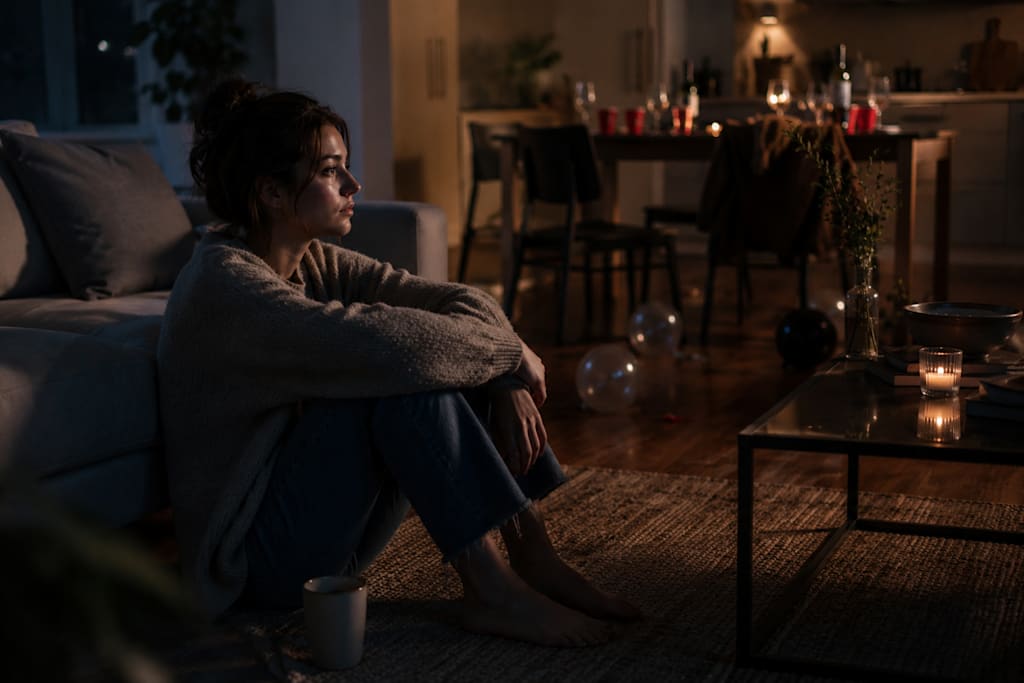
Some people leave social situations feeling energized and refreshed.
Others leave feeling quietly exhausted, even if they genuinely enjoyed themselves.
This can feel confusing at first.
A person may enjoy the conversation, like the people they were with, laugh throughout the evening, and still return home feeling mentally overloaded or emotionally drained afterward.
For many people, this creates guilt and self-doubt.
They begin wondering:
“Why do I need space when everyone else seems fine?”
“Why do I feel exhausted after things that were supposed to be enjoyable?”
“Why do I need so much quiet afterward?”
But needing recovery time after social interaction does not necessarily mean something is wrong.
Sometimes it simply means the nervous system processes social environments more deeply and intensely than others.
Social Interaction Requires Constant Processing
Even positive social situations involve a surprising amount of mental and emotional activity.
The brain is constantly processing:
* conversations
* tone of voice
* facial expressions
* emotional energy
* background noise
* group dynamics
* eye contact
* expectations
* decision-making
* self-awareness
For some people, this processing happens so automatically that they barely notice it.
For others, the nervous system absorbs everything very deeply.
Crowded environments, overlapping conversations, loud restaurants, busy family gatherings, or long social events can slowly create a buildup of internal fatigue, even when the experience itself is positive.
Many sensitive or reflective people are not only participating socially — they are also constantly observing, interpreting, and emotionally processing the environment around them.
Over time, this can become exhausting.
Enjoying People And Feeling Drained Can Both Be True
One common misunderstanding is the idea that social exhaustion automatically means a person dislikes people.
That is not always true at all.
A person can:
* deeply enjoy friendship
* care about people
* value connection
* enjoy meaningful conversation
* love family and relationships
and still need significant quiet recovery afterward.
Both things can exist together.
Some nervous systems simply require more decompression time after social stimulation.
Unfortunately, modern culture often treats constant sociability as the “healthy” or “normal” standard.
People who need solitude are sometimes seen as antisocial, distant, rude, or disengaged when they may simply be mentally overloaded.
Quiet Recovery Is Often Necessary
After intense social interaction, many people instinctively seek:
* silence
* low stimulation
* time alone
* nature
* calming music
* familiar environments
* reduced conversation
* emotional stillness
This is not always avoidance.
In many cases, it is nervous system recovery.
Some people notice they feel calmer after sitting quietly for a while without needing to respond, perform socially, or process additional input.
Others feel relief simply being alone in a peaceful environment where their attention no longer needs to remain externally focused.
These moments of decompression can help the nervous system gradually settle again.
Without recovery time, social exhaustion can quietly build over days or weeks until a person begins feeling emotionally overwhelmed without fully understanding why.
Many People Feel Guilty For Needing Space
One of the hardest parts is that many people judge themselves for needing solitude.
They compare themselves to more socially energized personalities and assume they are doing something wrong.
But different nervous systems have different social rhythms.
Some people recharge around others.
Others recharge in quiet.
Neither is automatically better or healthier than the other.
Understanding this difference can remove a great deal of unnecessary shame.
Needing space does not make someone cold, uncaring, or disconnected.
Sometimes it simply means their mind and body need time to recover from sustained emotional and sensory input.
Quiet Does Not Mean Loneliness
Modern life often pushes constant interaction, constant availability, and constant communication.
But human beings are not identical in how they process stimulation.
Some people genuinely need more silence than others.
More stillness.
More recovery.
More room to breathe mentally and emotionally.
And for many sensitive people, quiet moments are not empty at all.
They are where the nervous system finally begins to settle.
They are where mental noise softens.
They are where emotional balance slowly returns.
And sometimes, needing solitude is not a sign of disconnection from life.
It may simply be the way certain people return to themselves.
About the Creator
Balance Holistic Wellness
Writing about overthinking, emotional exhaustion, burnout, sensitivity, and the challenges of modern life. Exploring how people can find more balance, calm, and resilience in an increasingly busy world.
Enjoyed the story? Support the Creator.
Subscribe for free to receive all their stories in your feed.
Comments
There are no comments for this story
Be the first to respond and start the conversation.