
Practical Techniques for a Calmer Mind!
The Science Behind Mindfulness

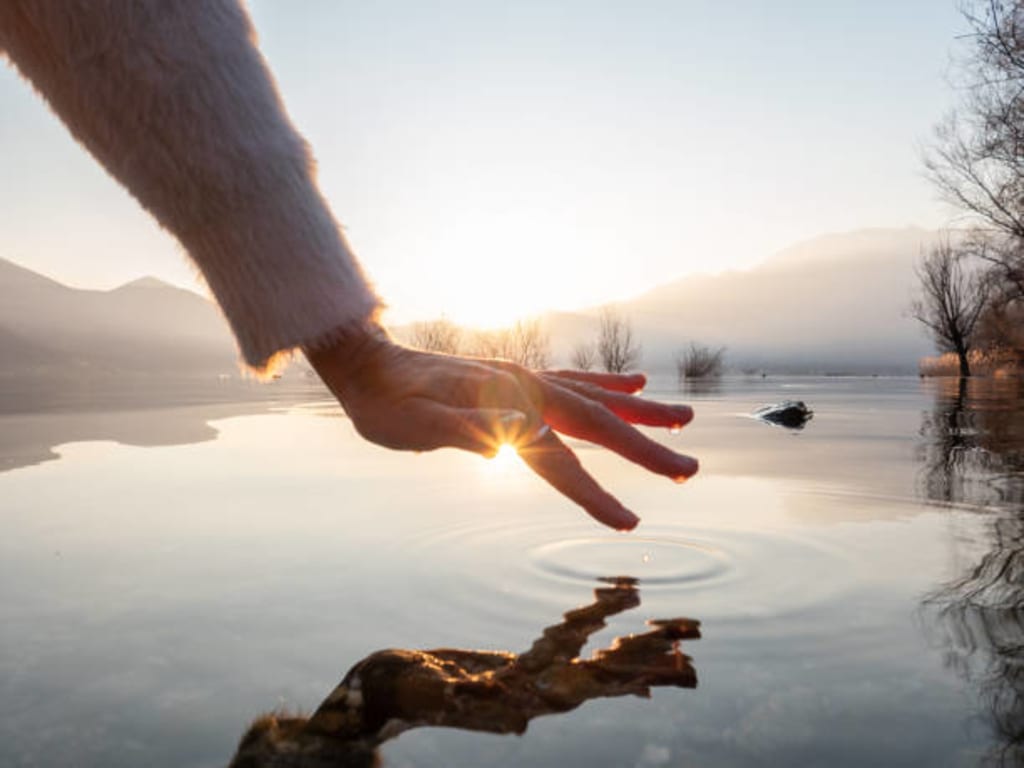
Mindfulness is more than a buzzword, it's a science-backed approach to reducing stress and improving mental health. In today’s fast-paced world, learning to be present can help counterbalance daily pressures and promote overall well-being.
For years, I was caught in the relentless cycle of work and routine, moving through life on autopilot. Days blurred into weeks, weeks into years, and I was never truly present. I was always somewhere else in my thoughts, in my to-do lists, in worries about tomorrow. I didn’t know how to let go, relax, or just be. Then, one day, it hit me like a wave. I looked back and realized that I had been living without truly experiencing life.
How many precious moments had slipped through my fingers? How many smiles from my son did I miss while my mind was elsewhere? How many opportunities to laugh, to love, to simply be, did I let pass by? It was a painful awakening, understanding at 35 that I had been absent from my own life. I grieved for the lost time, but that grief also became the spark for my journey of deliverance. It was time to break free from the prison of my own mind and learn to live in the present moment.
The technique is simple, basically, it's deliberately focusing your awareness on the present moment without judgment. I agree it seems to be abstract, especially for people who have not done the work to learn more about human mind, but this practice has already proven itself in the world of mental health. Originally derived from Eastern meditation traditions, it has been popularized in the West through programs like Mindfulness-Based Stress Reduction (MBSR) developed by Jon Kabat-Zinn.
Recent studies indicate that regular mindfulness practice can reduce anxiety, enhance concentration, and regulate emotions. Research published in reputable scientific journals shows that mindfulness:
- Reduces stress: Lowering the activity in the amygdala, the brain’s center for stress and fear.
- Improves emotional regulation: Strengthening neural pathways related to attention and self-control.
- Enhances overall well-being: By promoting a balanced and reflective mindset.
Practical Mindfulness Techniques
Mindful Breathing:
- Find a quiet and comfortable space.
- Close your eyes and focus on your breathing.
- Inhale deeply through your nose, noticing your belly rise, then slowly exhale through your mouth.
- Continue for 5–10 minutes, gently refocusing your attention if your mind wanders.
Body Scan Meditation:
- Lie down or sit comfortably.
- Slowly bring your attention to each part of your body, starting from your toes and moving upward.
- Observe any sensations without judgment, noting areas of tension or relaxation.
As I continued my journey into mindfulness, I realized that the real challenge wasn’t just learning to be present it was unlearning years of mental habits. I was conditioned to race against time, constantly anticipating the future or replaying the past. It was exhausting. Mindfulness taught me that the present moment is the only reality, the only place where life truly unfolds. This shift didn’t happen overnight; it took courage to slow down and to allow myself to do nothing without feeling guilty. Yet, in learning to simply “be,” I began to rediscover moments of peace moments I had never allowed myself to savor before. It wasn’t just a practice, it was a re-education of my mind to appreciate life as it is, here and now.
But, How to Incorporate Mindfulness Daily:
I recommend that you integrate mindfulness into routine activities: practice while eating, take short mindful walks, or simply pause during your day to focus on your surroundings. Mindfulness offers more than just a way to relax, it provides practical tools for managing stress, improving focus, and nurturing overall mental health.
Begin with just a few minutes a day and gradually build your practice to experience long-lasting benefits, at the end of your journey it will become your way of "just be" without judgement of yourself or others.
You'll start to feel the world differently, to see things differenlty, to even smell life differently!
At 42, I stand stronger and more resilient than ever before. My journey through mindfulness didn’t just teach me to be present, it taught me to face life’s challenges with grace and courage. Each moment of awareness helped me rebuild myself from the inside out, layer by layer. I’ve learned to embrace uncertainty without fear and to find peace even amidst chaos.
Today, I'm more connected with my family, more present for my son, and more compassionate with myself! I no longer feel like life is slipping through my fingers. I'm fully here, living each moment with intention and gratitude.
Mindfulness didn’t just change my life; it gave me the strength to truly live it.
With all my love! BE PRESENT
About the Creator
R.C Psychoeducation
Currently working remotely for a multinational and proud monther, I'm also on a journey to become a psychoeducational specialist, fueling my passion for supporting others. Hope you enjoy reading my work as much as I enjoy creating it!
Enjoyed the story? Support the Creator.
Subscribe for free to receive all their stories in your feed.
Comments
There are no comments for this story
Be the first to respond and start the conversation.