
"Neuroplasticity Unleashed: Rewiring Your Brain for a Sharper Memory"
"Practical Techniques to Strengthen Recall, Enhance Focus, and Unlock Your Mind’s Hidden Potential"
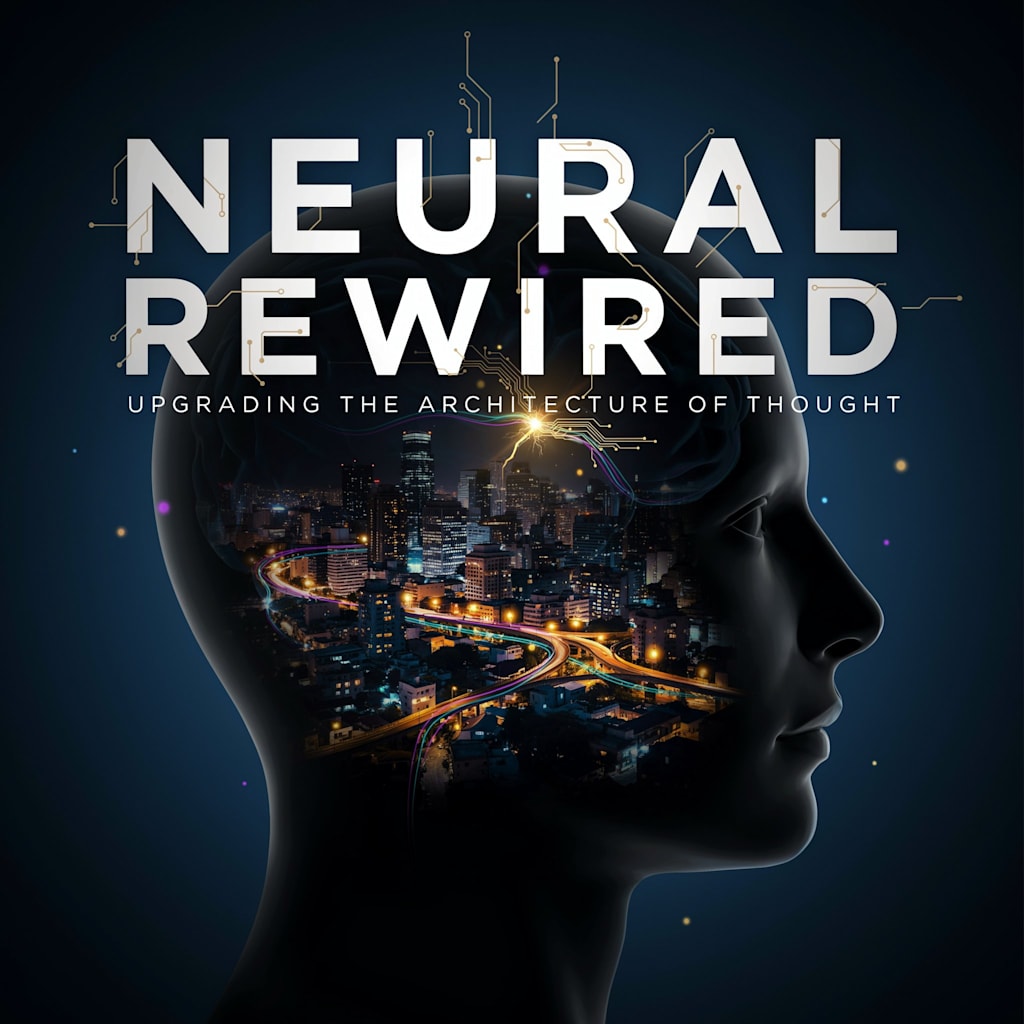
Introduction: The Myth of the "Bad Memory" For centuries, people believed that memory was fixed—like a box you either inherited full or empty. If you forgot names, misplaced keys, or blanked during exams, the conclusion was simple: you just don't have a good memory. Modern neuroscience has shattered this myth. The truth is far more empowering. Your brain is not a static organ; it is a dynamic, living forest of connections that reshapes itself with every thought, emotion, and experience. This ability is called neuroplasticity. Neuroplasticity means your brain can grow new neurons, strengthen existing pathways, and even reassign functions when one area is damaged. More importantly for memory, you can deliberately train your brain to become sharper, faster, and more reliable—at any age. This article explores the science behind memory boosting and provides actionable techniques to unleash your cognitive potential. How Memory Really Works: The Encoding, Storage, Retrieval Model Before rewiring anything, understand the three steps of memory: 1. Encoding – Your brain converts sensory input (a face, a number, a smell) into a neural code. If you're distracted, encoding fails. 2. Storage – The information is held over time. Short-term memory lasts seconds; long-term memory can last a lifetime if consolidated. 3. Retrieval – You access stored information. Retrieval failure is often mistaken for forgetting—the data is there, but the pathway to it has grown weak. Neuroplasticity influences all three stages. By repeatedly practicing retrieval (testing yourself) and elaborative encoding (connecting new data to old knowledge), you physically thicken the myelin sheaths around neurons, speeding transmission. This is why memory champions aren't born—they're made through systematic training. The Surprising Culprits That Weaken Memory You may be unknowingly sabotaging your brain. Common memory blockers include: · Chronic stress – Cortisol literally shrinks the hippocampus, the memory center. · Multitasking – Task-switching fragments encoding; nothing sticks. · Poor sleep – During deep sleep and REM, the brain replays and transfers memories from temporary to permanent storage. Skimp on sleep, and you delete the day's learning. · Information overload – Without intentional review, Ebbinghaus's Forgetting Curve shows we lose 50% of new information within an hour. The good news? Each of these can be reversed with habit changes. Practical Techniques to Rewire Your Memory Here are science-backed strategies, moving from simple to advanced. 1. The Spaced Repetition System (SRS) Instead of cramming, review information at increasing intervals: 1 hour, 1 day, 3 days, 1 week, 1 month. Apps like Anki automate this. SRS leverages the brain's predictive timing—each successful recall strengthens the neural circuit more than passive rereading ever could. 2. Elaborative Encoding & The Memory Palace To remember a list (groceries, speeches, exam points), associate each item with a vivid, bizarre, emotional image placed along a familiar route (your home, your commute). For example: "Milk" becomes a giant cow dancing on your doormat; "Eggs" become egg-shaped aliens landing on your sofa. The absurdity locks in the memory. This technique, used since ancient Greece, works because our spatial and visual memory evolved to be far stronger than abstract recall. 3. Active Recall Over Passive Review Reading a chapter twice is low-yield. Instead, close the book and write down everything you remember. Then check for gaps. The effort of retrieval—even when you fail—triggers neuroplastic repair and strengthens the pathway. Studies show active recall doubles retention compared to re-studying. 4. Teach What You Learn Explaining a concept to someone else (or even to an imaginary audience) forces your brain to reorganize information logically, fill in holes, and use multiple sensory channels. Teaching is the ultimate consolidation technique. Lifestyle Boosts for Neuroplasticity No technique works if your brain lacks the raw materials and energy. · Sleep hygiene – Aim for 7–9 hours. A 20-minute nap after learning can boost recall by 20–30%. · Omega-3 fatty acids – Found in fish, walnuts, flaxseeds. They reduce inflammation and support synaptic membrane fluidity. · Physical exercise – Aerobic exercise (brisk walking, running, swimming) increases BDNF (Brain-Derived Neurotrophic Factor), a protein that stimulates neuron growth and protects existing cells. Just 20 minutes of walking before a study session improves encoding. · Novelty and challenge – Learning a new language, musical instrument, or complex game (chess, bridge) creates new dendritic spines. Doing the same crossword daily plateaus; constantly challenge yourself. The Mindset Shift: Embrace Forgetting to Remember Better Paradoxically, healthy forgetting is essential for good memory. Your brain prunes weak, irrelevant connections to save resources for important ones. If you forgot where you put your glasses yesterday, that's normal. If you forgot a close friend's name, that's a signal to train. Don't fear forgetting—it guides your review schedule. Celebrate the act of relearning because each retrieval attempt re-engraves the memory. A 7-Day Jumpstart Plan · Day 1: Audit your sleep and stress. Commit to 7.5 hours in bed. · Day 2: Learn one memory palace route (your living room to kitchen). Place 5 random objects on it. · Day 3: Replace highlighters with blank paper. After reading a page, write down three key points from memory. · Day 4: Take a 20-minute walk before your next learning session. · Day 5: Teach a family member or record a voice memo explaining one concept you want to remember. · Day 6: Set up a spaced repetition app (Anki) and add 10 flashcards. · Day 7: Review your week. Test yourself on Day 1's 5 objects—you'll likely remember them perfectly. Conclusion: Your Brain is Clay, Not Stone The title Neuroplasticity Unleashed is not an exaggeration. Every time you choose to sleep an extra hour, quiz yourself instead of rereading, or walk before studying, you are physically reshaping your brain's wiring. Memory isn't a gift—it's a practice. Start small, be consistent, and within weeks, you will notice names coming easier, facts sticking longer, and the quiet confidence of a mind that works with you, not against you. Your hidden potential has been waiting for you to unlock it. The key is in your hands—neural, plastic, and ready to change
About the Creator
Touseef Gul
If you want interesting information about psychology, astronomy and modern technology change.Then this page will provide suitable encyclopedia for curious minds.
Enjoyed the story? Support the Creator.
Subscribe for free to receive all their stories in your feed.
Comments
There are no comments for this story
Be the first to respond and start the conversation.