
Navigating Modern Stress: How Counseling Can Improve Emotional Well-Being
Embracing Professional Support for Lasting Mental Health and Resilience
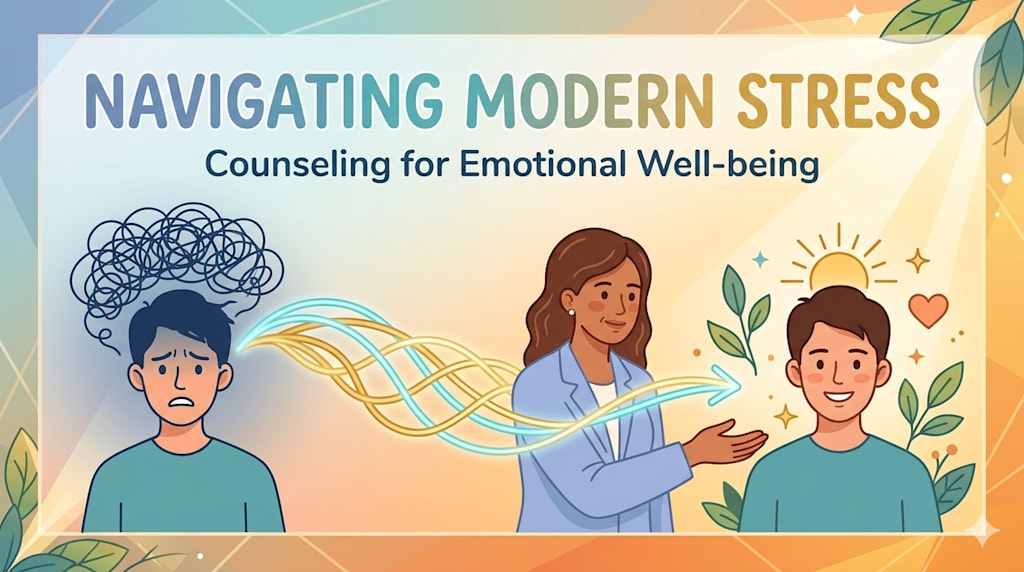
Emotional well-being plays an important role in overall health, relationships, and daily life. In today’s fast-paced world, many people experience stress, anxiety, emotional exhaustion, and personal struggles that can negatively affect their mental health. Through professional counseling, individuals receive the guidance needed to better understand their emotions, improve coping skills, and create healthier ways to manage life’s challenges.
Many individuals ignore emotional stress until it begins affecting relationships, work performance, physical health, or overall happiness. Counseling provides a safe, confidential, and supportive environment where people can openly express their thoughts and feelings without fear of judgment. Recognizing these challenges early allows individuals to process their emotions effectively before they become overwhelming.
Understanding the Roots of Emotional Distress
Emotional well-being refers to the ability to manage emotions, handle stress, maintain healthy relationships, and enjoy daily life in a balanced way. When emotional health is strong, people are generally more confident, resilient, and better prepared to handle life’s difficulties.
- However, emotional struggles can affect anyone at different stages of life. Common factors that may impact emotional stability include:
- Daily Pressures: Chronic stress, anxiety, work pressure, and professional burnout.
- Interpersonal Conflicts: Relationship problems, family conflicts, and communication breakdowns.
- Life Transitions: Grief, loss, trauma, painful experiences, and major lifestyle shifts.
- Internal Struggles: Low self-esteem, chronic overthinking, and persistent self-doubt.
When these challenges are left unaddressed, they can gradually erode both mental and physical health. Seeking support from a professional counselor helps clients identify unhealthy thought patterns, understand their emotional triggers, and develop healthier behaviors.
The Transformative Benefits of Therapy
Counseling is not only for managing crises; it is a powerful tool for self-improvement and personal development. By learning to navigate internal struggles, individuals often experience a positive ripple effect across all areas of life, including personal relationships and work performance.
Stress and Anxiety Management
Daily responsibilities, career pressures, and financial worries can easily pile up until they feel impossible to manage alone. Counseling tackles this by helping you get to the root cause of your stress and anxiety. Instead of just trying to white-knuckle your way through it, a therapist teaches you practical, evidence-based coping techniques. You'll learn how to use Cognitive Behavioral Therapy (CBT) to reframe anxious thoughts, alongside mindfulness and deep breathing exercises that physically calm your nervous system and restore a sense of balance.
Relationship Enhancement
Our emotional health is deeply tied to how we interact with the people around us. When we are stressed or holding onto unresolved emotions, it often leads to misunderstandings, arguments, or emotional distance with loved ones. Through professional counseling, you learn how to communicate your needs clearly and listen with more empathy. It also gives you the tools to set healthy personal boundaries and navigate conflicts constructively, which naturally strengthens trust and honesty in your relationships.
Building Emotional Resilience
Life is unpredictable, and setbacks are inevitable. Emotional resilience isn't about never feeling pain or stress; it’s about your ability to bounce back from difficult experiences without breaking. Counseling acts as a training ground for this resilience. By helping you develop healthier coping habits, therapy teaches you how to adapt to major life transitions and face unexpected challenges with a grounded, confident mindset.
Mindset Transformation
It is incredibly exhausting to live with a constant internal loop of overthinking, self-doubt, and worst-case scenario thinking. These negative thought patterns heavily distort how you view yourself and the world. A counselor helps you step back, identify these toxic mental loops, and actively challenge them. By replacing harsh self-criticism with more realistic and balanced thinking, you can significantly reduce anxiety, boost your self-esteem, and cultivate a genuinely more positive outlook on life.
About the Creator
Enjoyed the story? Support the Creator.
Subscribe for free to receive all their stories in your feed.
Comments
There are no comments for this story
Be the first to respond and start the conversation.