
Diploma of Practical Nursing: What to Expect from Training Skills and Healthcare Opportunities
Diploma of Practical Nursing
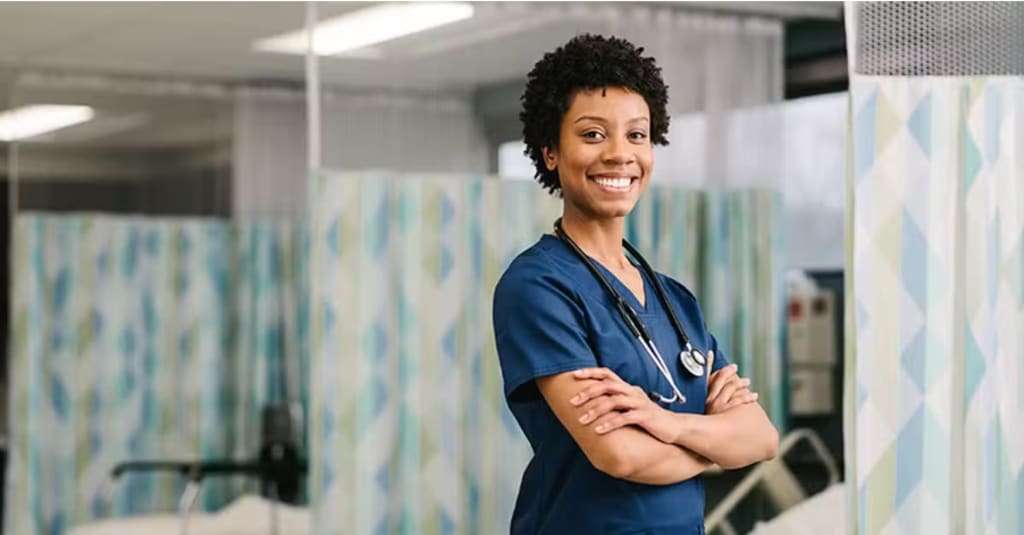
A Diploma of Practical Nursing is a focused and career-oriented program designed for individuals who want to enter the healthcare field quickly while gaining hands-on clinical experience. It prepares students to work directly with patients under the supervision of registered nurses and physicians, providing essential care in hospitals, clinics, and long-term care facilities. As healthcare systems continue to expand, practical nurses play a crucial role in supporting patient wellbeing and ensuring smooth daily operations in medical settings.
What You Learn in a Diploma of Practical Nursing Program
A Diploma of Practical Nursing provides a structured blend of theoretical knowledge and practical training. Students typically begin with foundational subjects such as anatomy, physiology, infection control, and basic nursing principles. These courses help build an understanding of how the human body functions and how illnesses and injuries affect overall health.
As training progresses, students move into more hands-on subjects like patient care techniques, medication administration, wound care, and monitoring vital signs. They also learn how to assist patients with daily living activities such as hygiene, mobility, and nutrition support.
Communication and medical documentation are also key parts of the curriculum. Practical nursing students learn how to accurately record patient information and communicate effectively with healthcare teams. Many programs also include ethics and patient safety training, ensuring students understand the responsibilities involved in providing care.
A major component of the program is clinical placement. Students gain real-world experience in hospitals, nursing homes, and community health settings, allowing them to apply their knowledge in supervised environments.
Skills Developed During Practical Nursing Training
A Diploma of Practical Nursing helps students develop both technical and interpersonal skills needed in healthcare. One of the most important skills is clinical competence, which includes performing tasks such as taking vital signs, assisting with treatments, and supporting patient recovery.
Strong communication skills are essential, as practical nurses must interact with patients, families, and healthcare professionals on a daily basis. Clear and compassionate communication helps build trust and ensures that patients feel comfortable and informed.
Attention to detail is another critical skill. Small changes in a patient’s condition can be significant, so practical nurses must remain observant and accurate in their assessments and reporting.
Time management and teamwork are also emphasized throughout the program. Healthcare environments are often fast-paced, and nurses must be able to prioritize tasks while working effectively with other medical staff. Emotional resilience is equally important, as nurses frequently support patients in challenging or stressful situations.
Career Opportunities in Healthcare
Graduates of a Diploma of Practical Nursing can pursue a variety of entry-level healthcare roles. The most common position is Licensed Practical Nurse (LPN), also known as Licensed Vocational Nurse (LVN) in some regions. These professionals work in hospitals, long-term care facilities, rehabilitation centers, and outpatient clinics, providing essential patient care services.
Practical nurses may also find opportunities in home healthcare, assisting patients who require ongoing medical support in their own residences. Others may work in specialized areas such as pediatrics, geriatric care, or mental health services.
With experience, practical nurses can expand their responsibilities or continue their education to become registered nurses. The healthcare industry continues to experience strong demand for nursing professionals, creating stable and long-term career opportunities.
Conclusion
A Diploma of Practical Nursing offers a direct and practical pathway into the healthcare field. By combining classroom learning with hands-on clinical experience, it equips students with the skills needed to provide essential patient care. For individuals seeking a meaningful and stable career in healthcare, this program provides a strong foundation for professional growth and long-term opportunities in nursing.
About the Creator
Enjoyed the story? Support the Creator.
Subscribe for free to receive all their stories in your feed.
Comments
There are no comments for this story
Be the first to respond and start the conversation.