
Beyond Therapy: Alternative Health Practices That Support Better Mental Health
Discovering natural and holistic ways to care for your mind in a fast-moving world
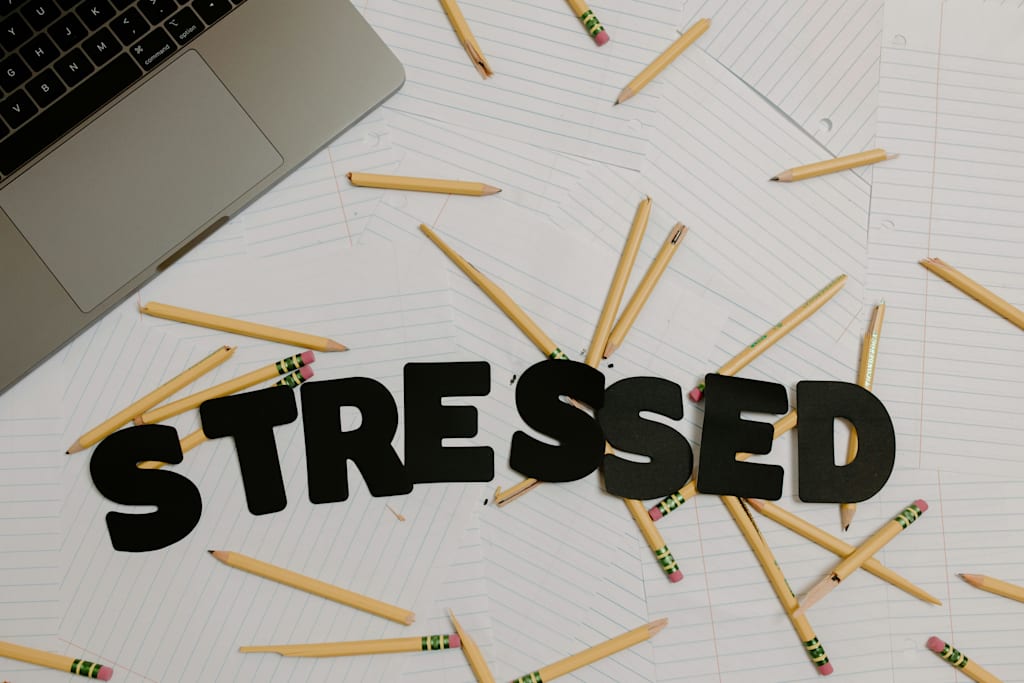
In the crowded world of wellness and health trends, it can be easy to overlook mental health. Between stigma, rising healthcare costs, and time constraints, accessing traditional mental health treatment can be difficult and feel discouraging for someone who is struggling. Luckily, there are many alternative health practices that you can easily fit into your everyday life.
Working in additional exercise, journaling, reducing screen time, and making gratitude lists are all great ways to support your mental health. But when you’re struggling, it can be hard to figure out where to start, which is where we come in. We've broken down these ideas and come up with easy ways to incorporate them into your everyday life.
More Exercise and Movement
Working more exercise and movement into your life may seem daunting, but it doesn’t need to be. Science has shown that exercising more can pay dividends for your mental health. And more exercise doesn’t mean having to hit the weight room with all the power-lifters; it can be as simple as going on a walk on your lunch break. Here are our favorite ways to work in movement without too much fuss.
- Walk & Talk
Want to meet up with a friend? Why not make it a full activity! Instead of sitting somewhere with a friend, go on a walk with them around a park or just around your neighborhood.
- Get a Walking Pad
The latest social media trend can also be the best way to get a bit more movement in your life. Viral at-home walking pads are an easy way to add more movement to your life because they can transform your everyday activities. At a desk all day? Get a standing desk and walk on the walking pad. Winding down with TV at night? Get on the walking pad for an episode or two.
- Join a Class You Love
Dance, Zumba, and other physical activities can increase your endorphins and help you build community. Choose something you know you’ll love without worrying too much about whether or not it is the ‘best’ workout. An easy-flow yoga class once a week is better than no class at all.
Exercise doesn’t need to be daunting; it just needs to fit in your life. Your mental health and physical health are linked; tending to one will always help the other.
Getting It Out On the Page
Journaling is an excellent way to help you move through the bad feelings and work through issues you are facing. Medical professionals recommend journaling to help manage stress, reduce anxiety, and track symptoms to help you better identify triggers. Journaling can be as simple or as complex as you’d like. Get a journaling kit to help you get started.
Gratitude Journaling
A powerful journaling tool can be gratitude journaling. Just identifying three things every day you feel gratitude for can help to change your perspective and feel more positive. These can be as small or big as you like–maybe one day you are simply grateful for a well-made coffee in the morning or a baby making you laugh. Being able to find gratitude in everyday things can be extremely beneficial for your mental health.
Journaling offers you an opportunity to analyze your problems, find solutions, and see more beautiful things in your life. It is a powerful tool for working through your more extreme emotions safely and productively.
Reducing Screen Time
We all know that too much screen time is bad for us. The endless scroll of social media, the extreme news cycle, and the misinformation on the internet can make your mind swim. Low self-esteem, stress, and disrupted sleep cycles have been linked to screen time. Forever looking down at a phone can stop you from being able to look around at the things in your life that make it worth living.
Some apps and products help you to reduce screentime. Set daily timers for social media apps so that you are locked out after a certain amount of time. Schedule daily tasks without your phone. Grab an old radio or CD player to listen to when you do things around the house. Cutting off your overall dependence on your phone can help to improve mental health and overall mood.
Start Small, Build Big
Working in these practices can start small and build over time. Few things are accomplished overnight, and you shouldn’t feel pressure to do everything at once. Being able to change little habits, build new ones, and change your day-to-day life can help you to live a happier and healthier life. Start small and don’t get discouraged if things do not stick right away. A small change is better than no change, and before you know it, you’ll be building big changes in your life.
About the Creator
Julia Nikolaus
Julia Nikolaus is a content strategist for an LA-based company. She enjoys working with food + drink brands as well as pet brands, likes to take dance classes, and currently shares a dog and pygmy goats with her parents on their farmette.
Enjoyed the story? Support the Creator.
Subscribe for free to receive all their stories in your feed.
Comments
There are no comments for this story
Be the first to respond and start the conversation.