
Beyond Mysticism
The Rational Path to Inner Transformation

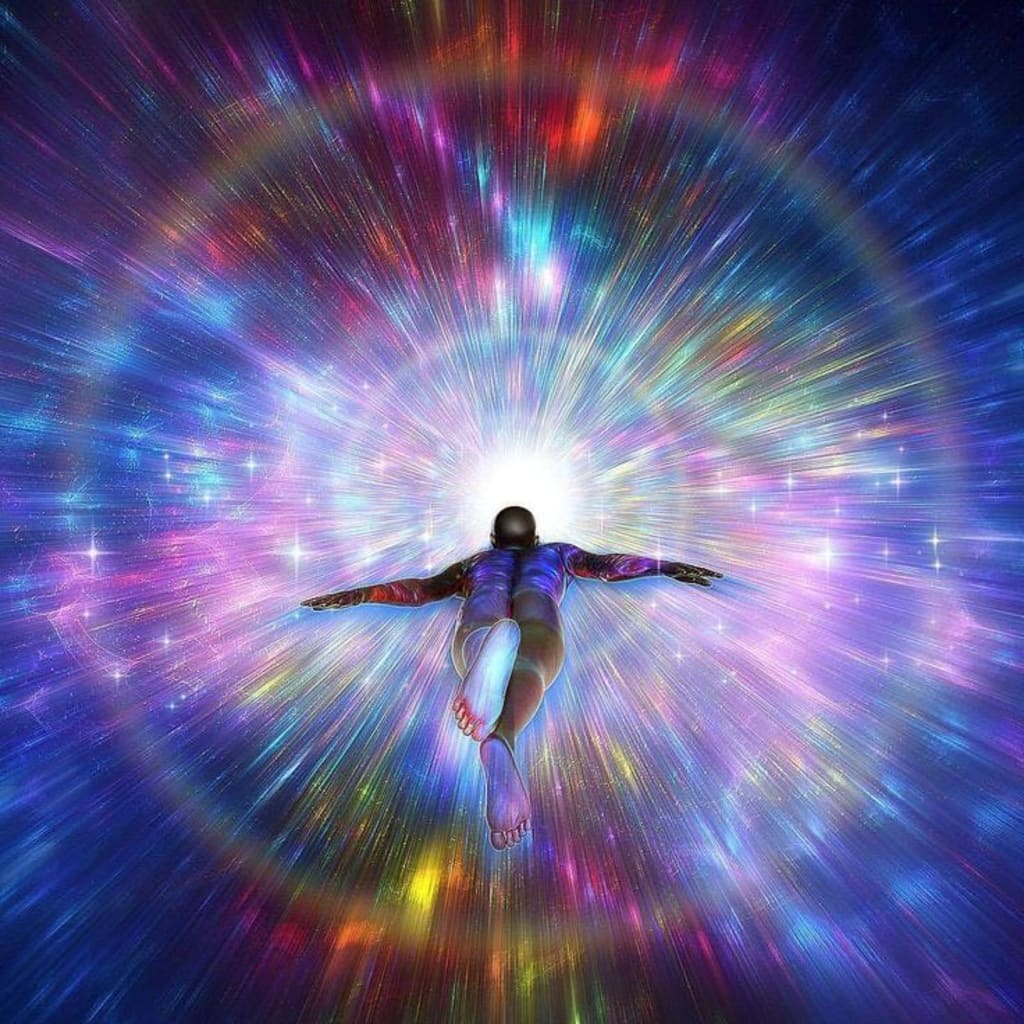
The world of holistic methods is often shrouded in an aura of mysticism, occultism, and vague spirituality. It offers rituals and practices that promise awakening, enlightenment, and transformation—often without concrete foundations or measurable results. It is common to find people seeking personal growth who end up lost in practices devoid of real meaning, blindly following traditions without understanding their true essence.
True transformation does not occur simply by emptying the mind of thoughts, as many meditative practices propose. On the contrary, it happens when we direct our minds toward deep and coherent reflection on our existence. Meditation is not just about not thinking—it is about thinking better, with clarity and purpose.
Authentic self-knowledge does not emerge from abstract visualizations or repetitive mantras but from a rational process of inner investigation. What are your true talents? What can you offer the world that no one else can in the same way? These questions require lucidity, not transcendence.
Lasting fulfillment rarely comes from transient experiences of "enlightenment." It arises from the conscious recognition of your unique purpose—that intersection where your natural gifts meet the world's needs. It is in this meeting point that we discover why we are here.
The Rationality of the Transcendent
Speaking about a Creator does not have to lead us into purely religious or dogmatic territory. Science itself offers extraordinary indications of intelligent design. Consider the mathematical precision of the physical constants that allow life to exist. The statistical improbability of complex molecules spontaneously organizing. The information encoded in DNA, resembling a language.
Recognizing this evidence is not an abandonment of rationality—it is its full exercise. Many reject the idea of a Creator not for intellectual reasons but for emotional ones—often due to negative experiences with religious institutions or spiritual authority figures.
This confusion between religious trauma and the existence of a greater purpose for our lives creates a profound disconnection. Without a sense of transcendent meaning, we become vulnerable to devastating existential crises. The question "Why am I here?" echoes without an answer, leading us to self-destructive behaviors or despair.
Reconciling with the possibility of a greater purpose does not mean embracing dogmas but admitting that we are part of an ordered universe whose complexity defies purely materialistic explanations. This reconciliation brings a deep sense of belonging and direction.
Liberation Through Conscious Forgiveness
Another fundamental aspect of this rational transformation is forgiveness—particularly toward our parents. Many carry resentment and unmet expectations for decades, draining their vitality. Releasing our parents from the obligation of having been perfect is not just an act of generosity toward them—it is an act of personal liberation.
This forgiveness extends to all who have harmed us. It is not about resuming toxic relationships or denying past injustices. It is about freeing our minds from the weight of holding grudges and desires for retribution. Every moment spent reliving past wounds or imagining revenge is a moment stolen from the present.
A mind trapped in cycles of resentment cannot access its full creative potential. It cannot see opportunities, build authentic relationships, or experience genuine joy. Forgiveness, therefore, is profoundly practical—it frees mental resources for what truly matters.
Awareness of Finitude as a Catalyst
The Autohealing method recognizes that confronting our finiteness is essential for a fulfilling life. The awareness that our time is limited does not have to generate anxiety—it can be the most powerful stimulus to live with purpose and intentionality.
This awareness drives us to turn dreams into concrete plans. The question is no longer "What if I try and fail?" but "What if I never try?" Finitude teaches us that true failure is not in an unsuccessful attempt but in omission.
Understanding that we will leave a legacy—whatever it may be—invites us to carefully consider what story we want to be told about our time in this world. Not out of vanity, but out of responsibility to the generations that will come after us.
The path to genuine transformation is not in escaping reality through mystical practices but in diving into it with lucidity, rationality, and courage. It is about recognizing our origin, freeing ourselves from the past through conscious forgiveness, and embracing our finiteness as motivation to fully live in the present.
About the Author:
I am JP Pires, creator of the Autohealing method—a path that integrates body, mind, and spirit to transform one’s relationship with their body and life. My purpose is to help people who feel disconnected from themselves find balance and self-acceptance, overcoming the traps of self-sabotage and the relentless pursuit of external standards. Through Autohealing, I invite you to explore the power of conscious surrender—where, by ceasing to fight against yourself, you create space for true transformation and a healthier, more fulfilling life.
About the Creator
JP Pires
Criador do Autohealing, um método holístico de emagrecimento que integra corpo, mente e espírito, focando na transformação pessoal, autoaceitação e autoresponsabilidade para resultados duradouros.
Enjoyed the story? Support the Creator.
Subscribe for free to receive all their stories in your feed.
Comments
There are no comments for this story
Be the first to respond and start the conversation.