
What is the pride
What Is Pride? A Deep Dive into the Heart of the LGBTQ+ Movement

Every June, rainbows explode across cities worldwide. Parades fill the streets. Corporations change their logos. Flags fly from porches, storefronts, and government buildings. It's a season of celebration, visibility, and, for many, profound personal meaning. But beneath the glitter and the parties lies a question worth asking: what is Pride, really?
The answer is far more complex and powerful than many realize. Pride is not merely a parade. It is not just a party. At its core, Pride is a commemorative act of resistance, a celebration of identity, a political protest, and a community lifeline all woven together into what has become a global movement. Understanding Pride requires looking back at the struggle that birthed it, the evolution it has undergone, and the vital role it continues to play today.
The Origin Story: From Raid to Riot
The story of Pride begins not with celebration, but with persecution. In the 1960s, it was illegal to be gay, lesbian, bisexual, or transgender in nearly every part of the United States. Homosexuality was classified as a mental disorder. Bars and clubs that served LGBTQ+ patrons were routinely raided by police, who would arrest employees and customers, often beating them and publishing their names in newspapers.

The Stonewall Inn, located in New York City's Greenwich Village, was one such bar. It was a rare sanctuary a place where the most marginalized members of the community, including transgender women, drag queens, and homeless youth, could gather safely.
On June 28, 1969, police raided the Stonewall Inn once again. But this time, something was different. After years of harassment and violence, the patrons fought back. A riot erupted, lasting six days. Led primarily by transgender women of color like Marsha P. Johnson and Sylvia Rivera, the uprising became a flashpoint, galvanizing a community that had long been forced into the shadows.

One year later, the first Christopher Street Liberation Day March was held to commemorate the riots. This was not a parade in the modern sense it was a bold, defiant act of public visibility, demanding basic rights and an end to persecution. That march was the first Pride.
Why "Pride"? The Power of Naming
The choice of the word "Pride" was intentional and radical. Before Stonewall, the dominant narrative told LGBTQ+ people that they should feel shame about their identities, their loves, their very existence. This shame was enforced by laws, religion, medicine, and society. It drove people into closets, into silence, and, tragically, often into suicide.
By naming the movement "Pride," early activists directly inverted that shame. They declared that there was nothing wrong with being LGBTQ+. In fact, it was something to be proud of. Psychologist and activist Frank Kameny popularized the slogan "Gay is Good" in the 1960s, challenging the medical establishment's classification of homosexuality as a disorder. That spirit of defiant self-acceptance is the soul of Pride.
To be proud, in this context, is to refuse to apologize for who you are. It is to stand up in a world that has told you to sit down and be quiet. It is to look at your identity an identity that might have cost you family, safety, or livelihood and say, "I am here, I am whole, and I am worthy."
The Evolution: From Protest to Celebration
Over the decades, Pride has transformed significantly. The early marches were raw, angry, and politically charged necessary acts of survival. As legal victories accumulated (decriminalization, anti-discrimination laws, marriage equality in many countries), the tone of Pride shifted. The protest remained, but celebration grew alongside it.
Today, Pride events range from solemn vigils and educational panels to massive, corporate-sponsored parades with floats, music, and dancing. This evolution has sparked healthy debate within the community. Some argue that the commercialization of Pride with banks and police departments marching in uniform dilutes its radical, anti-establishment roots. Others welcome the mainstream acceptance, seeing it as a sign of progress and a way to reach more people.
The truth is that Pride is not a monolith. A quiet memorial service for AIDS victims in a small town is as much Pride as a million-person parade in São Paulo. A teenager coming out to their parents for the first time is living Pride. A trans person simply walking down the street as their authentic self is embodying Pride. The movement contains multitudes.
What Pride Means for Different People
For a young person in an unaccepting family or community, Pride can be a lifeline proof that they are not alone, that a future of belonging exists.
For a longtime activist who marched in the 1970s or cared for friends dying of AIDS in the 1980s and 1990s, Pride is a bittersweet remembrance of those lost and a celebration of how far the fight has come.
For a transgender individual, Pride is a crucial space of visibility in a world that often tries to erase or demonize them. It is a chance to demand safety, healthcare, and dignity.

For an ally a parent, friend, or coworker Pride is an opportunity to show up, listen, and demonstrate support, turning private acceptance into public solidarity.
For many, Pride is simply the one time of year they feel completely safe being themselves, surrounded by people who understand without explanation.
Pride as Political Resistance
Even at its most celebratory, Pride retains a political edge. In many parts of the world, being LGBTQ+ remains illegal and punishable by imprisonment, torture, or even death. In countries where rights have been won, they are constantly under threat from regressive political movements. Pride events continue to demand:
Legal protection from discrimination in housing, employment, and public accommodations
Access to healthcare, including gender-affirming care and HIV prevention/treatment
An end to violence against transgender women, especially trans women of color
Protection for LGBTQ+ youth, including bans on conversion therapy
Global solidarity with queer people living under oppressive regimes
Even in places where Pride is corporate-sponsored, the act of gathering publicly as an LGBTQ+ person remains a form of protest against a world that has historically tried to keep you hidden.
The Intersectional Heart of Pride
One of the most important lessons of Pride is that liberation cannot be single-issue. Marsha P. Johnson and Sylvia Rivera, heroes of Stonewall, went on to found STAR (Street Transvestite Action Revolutionaries) to support homeless queer youth. They understood that fighting for gay rights meant fighting against racism, poverty, and transphobia simultaneously.
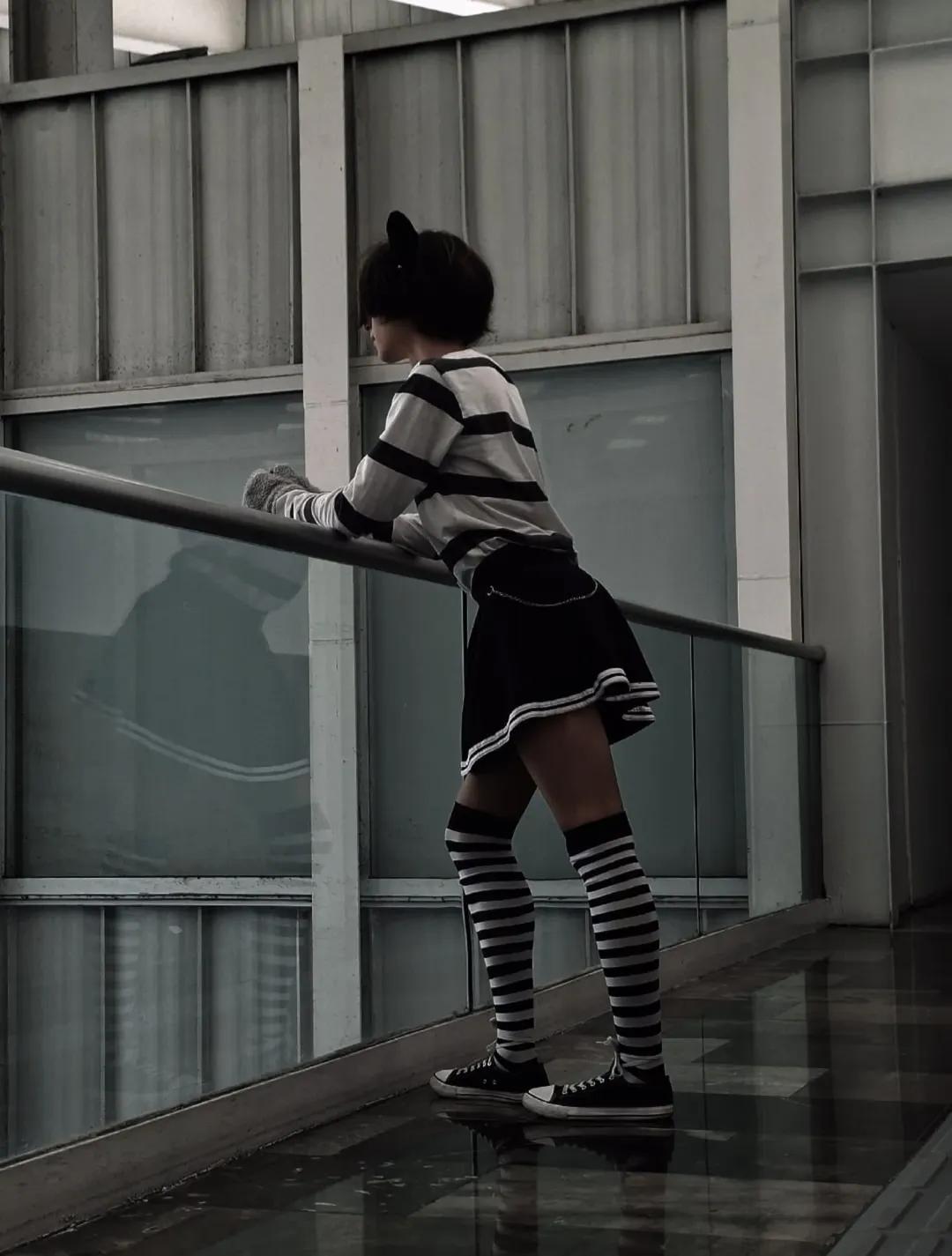
Today, Pride increasingly embraces this intersectional approach. It recognizes that a wealthy white gay man faces different challenges than a poor trans woman of color, and that true equality must address all forms of oppression. Many Pride events now center the voices of Black, Indigenous, and people of color (BIPOC), disabled community members, and those living at the intersections of multiple marginalized identities.
Common Criticisms and Responses
"Why do we still need Pride? Isn't equality already achieved?" This question, often asked by those outside the community, misunderstands both history and current reality. In the United States, it remains legal to fire someone for being LGBTQ+ in many states. Trans rights are under legislative attack. Conversion therapy is still practiced on minors. Globally, 64 countries criminalize same-sex relationships. Pride is needed as long as inequality exists.

"Pride is too sexual/inappropriate." This criticism often targets the visibility of queer sexuality, which is held to a different standard than heterosexuality. A straight couple holding hands or a woman in a bikini draws no comment; a gay couple kissing or a drag performer in body paint is deemed "inappropriate." Pride is a celebration of identity in all its forms, and attempts to sanitize it often target the most marginalized members of the community.
"Corporate Pride is fake." This is a valid critique. Many corporations fly rainbow flags in June while donating to anti-LGBTQ+ politicians or treating their own queer employees poorly. The community continues to grapple with how to accept support without being co-opted or exploited.
How to Participate Respectfully
If you've never attended a Pride event, you might wonder how to do so respectfully:
Listen more than you speak. Pride events are for and primarily about the LGBTQ+ community. Allies are welcome, but it's not your stage.
Don't treat it as a spectacle. Queer people are not there for your entertainment. They are there to exist, celebrate, mourn, and connect.
Be mindful of photography. Not everyone is out or wants their image shared. Ask before taking photos.

Support, don't extract. Buy from queer vendors, tip performers, and donate to local LGBTQ+ organizations.
Show up year-round. Pride isn't just June. The need for support, advocacy, and community exists every single day.
The Future of Pride
As Pride has grown, new questions have emerged. How do we balance celebration with the ongoing need for protest? How do we include everyone without losing focus? How do we keep the spirit of Stonewall alive in an era of rainbow capitalism?

There are no easy answers. But the fact that these questions are being asked passionately, publicly, and within the community is itself a sign of health. Pride is not a static monument. It is a living, breathing movement that evolves with each generation.
Conclusion: The Heart of Pride
So, what is Pride?
Pride is a riot that started in 1969 and has never fully ended. Pride is a mother walking with her son at his first parade, holding his hand a little tighter. Pride is a drag queen on a float, throwing beads to a cheering crowd, knowing her ancestors would weep to see her joy. Pride is a teenager in a small town, watching a video online and realizing they are not broken. Pride is a march, a party, a funeral, a wedding, a protest, a prayer.

Pride is the audacious, unrelenting, beautiful refusal to be ashamed. It is the declaration that every human being deserves dignity, love, and the freedom to be exactly who they are. It is not the end of the struggle. It is the celebration that fuels the fight.
About the Creator
David Femboy
David here. Sharing my authentic femboy journey the outfits, the lessons, the life. For anyone exploring gender expression. Let’s redefine masculinity together. 💖
Enjoyed the story? Support the Creator.
Subscribe for free to receive all their stories in your feed.
Comments
There are no comments for this story
Be the first to respond and start the conversation.