
What is pride
What Is Pride? The History, Meaning, and Celebration of LGBTQ+ Identity

Every June, rainbows explode across cities worldwide. Parades fill the streets. Corporations change their logos. Flags fly from porches and storefronts. But beneath the glitter, the music, and the celebration lies something profound and powerful. Pride is not just a party. It is a remembrance, a protest, a declaration of existence, and a celebration of survival.
Understanding what Pride truly means requires looking back at the struggles that birthed it, recognizing the battles still being fought, and appreciating the diverse experiences of those who celebrate it. Pride is many things to many people, but at its heart, it is a defiant, joyful, and necessary affirmation that LGBTQ+ lives matter.
The Origins: Before the Parades, There Was Resistance
To understand Pride, you must first understand the world that existed before it. For much of the 20th century, being gay, lesbian, bisexual, or transgender was not just socially unacceptable it was illegal. Police routinely raided bars and gathering places where LGBTQ+ people socialized, arresting patrons simply for existing. Their names were published in newspapers. Their lives were ruined.
In this hostile environment, finding community was an act of courage. Gay bars became sanctuaries dark, hidden spaces where people could dance, laugh, and be themselves, if only for a few hours. One such bar was the Stonewall Inn in New York City's Greenwich Village.
In the early morning hours of June 28, 1969, police raided Stonewall as they had done countless times before. But this time, something was different. The patrons tired of harassment, tired of hiding, tired of being treated as criminals fought back. A riot erupted. Protests continued for six days.
The Stonewall Uprising was not the beginning of LGBTQ+ activism. Organizing had been happening for years. But Stonewall became a flashpoint, a moment of collective fury that galvanized a community and captured public attention. It transformed scattered resistance into a coordinated movement.
One year later, on the anniversary of the riots, the first Pride marches took place in New York, Los Angeles, San Francisco, and Chicago. They were not parades. They were protests. Marchers carried signs demanding basic human rights. Many wore masks to protect their identities. It was dangerous to be seen.
That danger was the point. They marched anyway.
The Evolution: From Protest to Celebration
Over the following decades, Pride evolved. As LGBTQ+ rights advanced slowly, painfully, incompletely the tone of Pride shifted. What began as angry defiance grew to include joy, visibility, and community celebration.
The word "Pride" itself was a deliberate choice. For generations, LGBTQ+ people had been taught to feel shame about who they were. "Pride" was the antidote. It declared: We are not ashamed. We will not hide. We deserve to exist openly and joyfully.
By the 1990s, Pride parades had become major events in many cities. Corporate sponsors arrived. Politicians marched. The rainbow flag designed by Gilbert Baker in 1978 became a universal symbol of LGBTQ+ identity and solidarity.
But this mainstreaming brought tension. Some argued that Pride had lost its edge, that corporate rainbows and police floats diluted the radical roots of the movement. Others celebrated the visibility and acceptance that earlier generations could only dream of.
Both perspectives hold truth. Pride is large enough to contain them both.
What Pride Means Today: A Multifaceted Celebration
So what does Pride actually mean in the present day? The answer depends on who you ask.
For Some, Pride Is Remembrance
Pride is a memorial for those lost to the AIDS crisis a generation of queer people who died in the 1980s and 1990s, often abandoned by families and neglected by a government that refused to act. Their names are spoken at Pride events. Their memory fuels the fight for healthcare justice.
Pride also honors those who came before: the drag queens, trans women, and queer people of color who led the Stonewall uprising but have often been erased from history. Marsha P. Johnson, Sylvia Rivera, and countless unnamed heroes are remembered every June.
For Others, Pride Is Protest
Despite significant legal gains, LGBTQ+ people still face violence, discrimination, and persecution. In many parts of the world, being gay is punishable by imprisonment or death. In the United States, transgender rights are under constant attack. Bathroom bills, healthcare restrictions, and book bans target the most vulnerable.

For these reasons, Pride remains a protest. Many Prides include acts of civil disobedience, die-ins, and direct action. The message is clear: celebration does not mean complacency. The fight is not over.
For Many, Pride Is Visibility
Visibility matters. When a young person sees a Pride parade for the first time, they realize they are not alone. When an adult feels safe enough to attend a Pride event, they experience a freedom they may never have known. When a community sees its members celebrated rather than condemned, the world shifts.
Pride creates space for people to exist publicly as their full selves. That visibility is a powerful antidote to the isolation and shame that so many LGBTQ+ people have internalized.
And Yes, Pride Is Celebration
After everything the trauma, the loss, the ongoing struggles Pride is also a party. It is dancing in the streets. It is wearing rainbows and glitter. It is kissing your partner in broad daylight without fear. It is joy as resistance.
For communities that have been told their love is shameful, their existence wrong, their joy suspect celebrating openly is a radical act. The parade, the festival, the block party: these are not distractions from the movement. They are the movement's heartbeat.
Who Belongs at Pride?
One of the most beautiful and sometimes challenging aspects of Pride is its inclusivity. Pride welcomes people of all sexual orientations and gender identities: gay, lesbian, bisexual, pansexual, asexual, queer, transgender, non-binary, genderfluid, intersex, and more.
Pride also welcomes allies friends, family members, coworkers, and neighbors who support LGBTQ+ rights. Their presence matters, especially in places where LGBTQ+ people are few or isolated.
But inclusivity also brings tension. Debates continue about the role of police at Pride, the presence of corporate sponsors, and whether certain groups or behaviors should be included. These conversations are not signs of weakness. They are signs of a living, breathing community that takes itself seriously.
The guiding principle for many is simple: Pride should center the most marginalized. That means uplifting trans women, queer people of color, disabled LGBTQ+ individuals, and those who face multiple, overlapping forms of oppression. A Pride that leaves anyone behind fails to honor the movement's roots.
Pride Around the World
While June is Pride month in the United States, Pride events happen globally throughout the year. In many countries, attending Pride is an act of extraordinary courage.
In Poland, Pride marches have faced violent opposition from far-right groups. In Turkey, authorities have banned Pride parades and used tear gas on peaceful marchers. In Uganda, where homosexuality is punishable by life in prison, LGBTQ+ people risk everything to gather.
These global Prides often look very different from the corporate-sponsored parades of major Western cities. They are smaller, riskier, and undeniably powerful. They remind the world that Pride is not just an American tradition it is a universal human rights movement.
How to Participate in Pride
You do not need to be LGBTQ+ to participate in Pride. Allies are welcome, but they should show up thoughtfully. Here are some guidelines:
Listen more than you speak. Pride is not about you. Center LGBTQ+ voices and experiences.

Show up for the hard parts. It is easy to attend the parade. It is harder to show up for the political rallies, the voter registration drives, and the community meetings. Do both.
Respect the space. Pride events can be joyful, chaotic, emotional, and vulnerable. Respect people's boundaries, ask before taking photos, and follow the rules of the specific event you attend.
Bring your full self. Pride is a place for authenticity. If you feel safe, come as you are.
The Rainbow and Beyond
The rainbow flag remains the most recognized symbol of Pride, but it has been expanded and adapted. The Progress Pride Flag adds black, brown, light blue, pink, and white stripes to center Black, Brown, and transgender community members. Other flags represent specific identities: the bisexual flag, the transgender flag, the lesbian flag, the asexual flag, and many more.
These flags are not divisions. They are affirmations that within the larger LGBTQ+ community, specific experiences deserve recognition. The beauty of Pride is its ability to hold both unity and specificity together.
Why Pride Still Matters
Sometimes people ask: "Is Pride still necessary? Haven't we already won?"
The question assumes that legal equality is the same as full liberation. It is not. Same-sex marriage is legal in many countries, but LGBTQ+ people can still be fired for their identity in much of the United States. Transgender healthcare remains under attack. Conversion therapy is still practiced. Homelessness disproportionately affects LGBTQ+ youth. Violence against queer and trans people, especially trans women of color, remains epidemic.
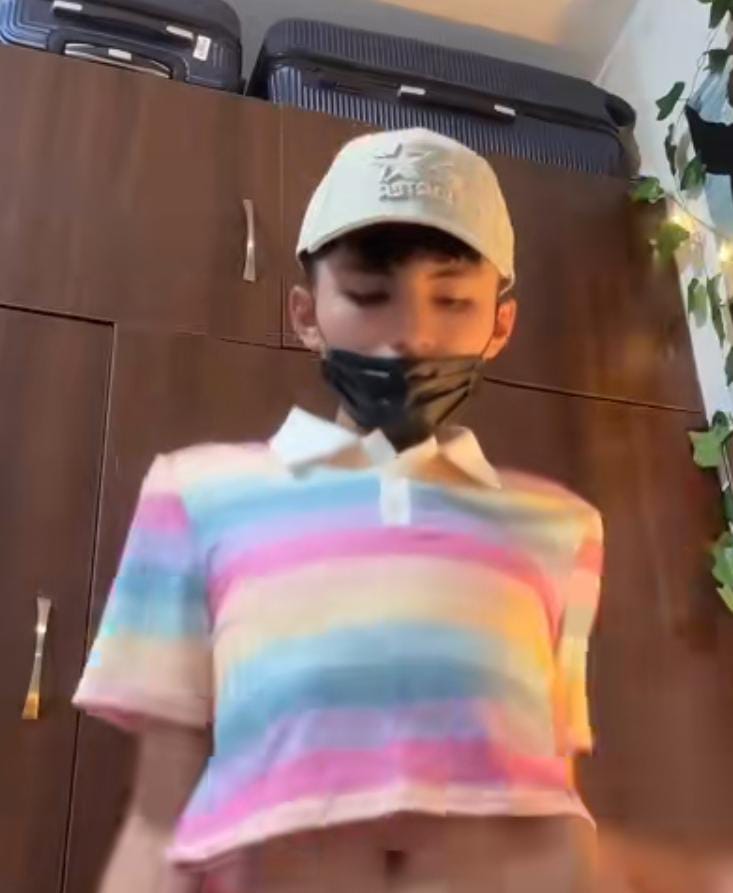
Beyond these measurable injustices, there is the quieter pain of growing up feeling wrong, of hiding parts of yourself, of fearing rejection from those you love. Pride speaks to that pain. It says: you are not wrong. You are not alone. There is a place for you.
That message changes lives. It saves lives.
Conclusion: The Heart of Pride
Pride is not a single thing. It is memory and hope, anger and joy, protest and party. It is a middle-aged lesbian marching for the first time after decades in the closet. It is a teenager seeing their identity reflected back for the first time. It is a trans elder finally being called by their correct name. It is a parent holding a "Free Mom Hugs" sign. It is a community refusing to be erased.

Pride exists because LGBTQ+ people have always existed. It continues because the fight continues. And it celebrates because joy has always been a form of resistance.
So whether you march in a parade, attend a quiet vigil, or simply fly a flag from your porch, know that you are part of something larger than yourself. You are part of a movement that has transformed the world and is still transforming it, one rainbow at a time.
About the Creator
David Femboy
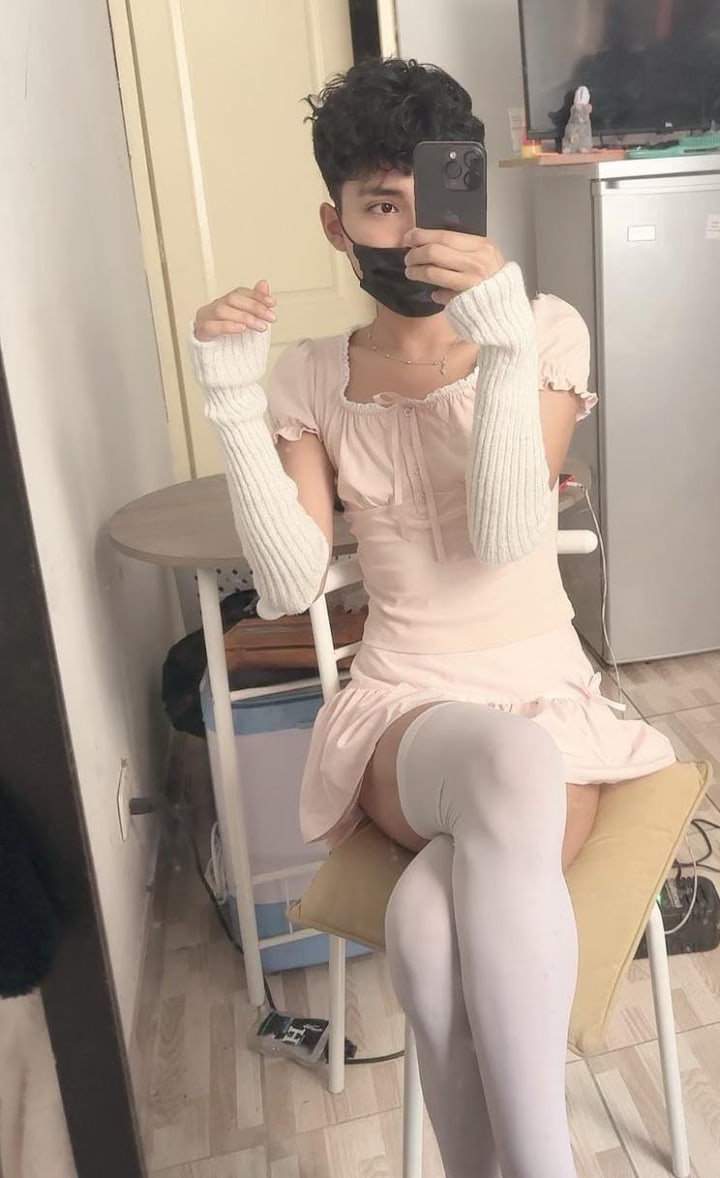
David here. Sharing my authentic femboy journey the outfits, the lessons, the life. For anyone exploring gender expression. Let’s redefine masculinity together. 💖
Enjoyed the story? Support the Creator.
Subscribe for free to receive all their stories in your feed.
Comments
There are no comments for this story
Be the first to respond and start the conversation.