
What does the lgbtq
What Does LGBTQ+ Stand For? A Complete Guide to Understanding the Community


In conversations about identity, human rights, and social justice, the acronym LGBTQ+ appears constantly. But what exactly does it mean, and why has it become such an essential part of our cultural vocabulary? Understanding this acronym is about more than memorizing letters it's about recognizing the beautiful diversity of human experience and honoring the struggles and triumphs of communities that have fought for visibility, respect, and equality.
Let's break down each letter, explore the plus sign, and understand why this simple combination of characters carries so much weight.
The Core Letters: L, G, B, T
L for Lesbian
A lesbian is a woman who experiences romantic, emotional, or sexual attraction primarily or exclusively to other women. The term honors the Greek poet Sappho, who lived on the island of Lesbos and wrote extensively about love between women. Lesbians have been at the forefront of LGBTQ+ activism for decades, from early feminist movements to contemporary fights for marriage equality and transgender rights.
G for Gay
While sometimes used as an umbrella term for the entire community, gay most specifically refers to a man who experiences romantic, emotional, or sexual attraction primarily or exclusively to other men. The word has been reclaimed from its history as a slur and now stands proudly as a positive identifier. Many women also identify as gay, making it a flexible term that continues to evolve.

B for Bisexual
A bisexual person experiences attraction to more than one gender. This doesn't necessarily mean equal attraction it can look different for every individual. Some may feel attraction predominantly to one gender while still being open to others. Others experience attraction without gender being a primary factor. The "bi" in bisexual refers to attraction to both same and different genders, not to a false idea that only two genders exist. Bisexual people have often faced erasure and skepticism from both straight and gay communities, making visibility and validation crucial.
T for Transgender
Transgender describes people whose gender identity differs from the sex they were assigned at birth. A transgender man, for example, was assigned female at birth but knows himself to be a man. A transgender woman was assigned male at birth but knows herself to be a woman. Some transgender people identify outside the binary entirely, using terms like non-binary or genderqueer.
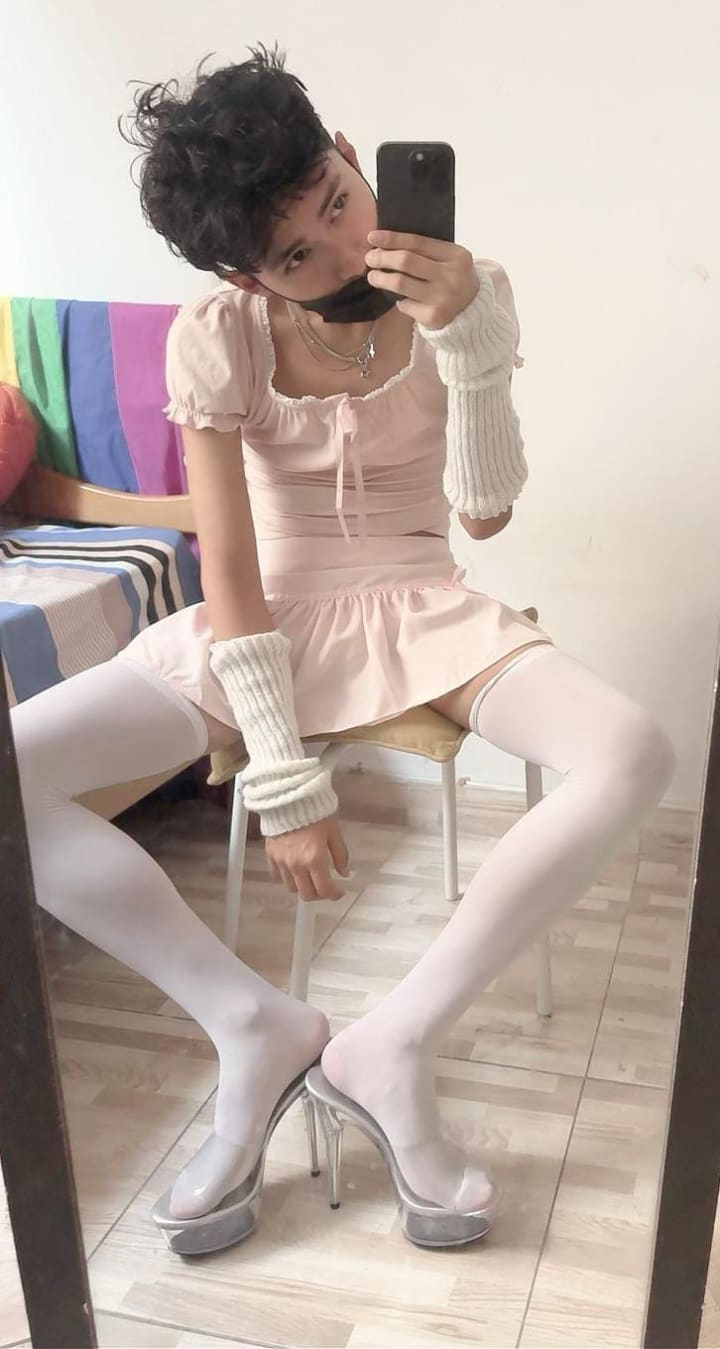
Being transgender is about identity, not attraction. Transgender people can be straight, gay, bisexual, or any other orientation. The transgender rights movement has gained significant visibility in recent years, though transgender people especially transgender women of color face disproportionately high rates of violence and discrimination.
Expanding the Acronym: Q, I, A, and Beyond
Q for Queer or Questioning
The Q carries two meanings, both important.
For some, Queer is an umbrella term for anyone who isn't straight or cisgender (non-transgender). Once used as a vicious slur, queer has been reclaimed by many as a positive, inclusive term that embraces fluidity and rejects rigid categories. Not everyone is comfortable with the word some still feel its painful history so it's best used for self-identification or with explicit permission.

For others, Questioning describes people who are exploring their sexual orientation or gender identity. The journey of self-discovery can take time, and questioning is a valid place to be.
I for Intersex
Intersex people are born with physical sex characteristics chromosomes, hormones, or anatomy that don't fit typical definitions of male or female. Intersex variations are surprisingly common, occurring in about 1.7% of births, roughly as common as having red hair. Many intersex people face unnecessary medical interventions in infancy to "normalize" their bodies, a practice that human rights organizations increasingly condemn as harmful. Intersex is about biology, not identity, though many intersex people also identify as part of the LGBTQ+ community.
A for Asexual, Aromantic, or Agender
The A represents multiple identities:
Asexual people experience little or no sexual attraction. They may still experience romantic attraction, or they may be aromantic as well.
Aromantic people experience little or no romantic attraction.
Agender people identify as having no gender or a neutral gender.
These identities exist on spectrums, and people within them have rich, fulfilling relationships and lives just not necessarily centered on sex or romance.

The Plus Sign: + for Everyone Else
The plus sign is perhaps the most important character in the acronym. It acknowledges that language can never fully capture human diversity. It includes identities like:
Pansexual: Attraction regardless of gender
Omnisexual: Attraction to all genders, with gender sometimes being a factor
Polysexual: Attraction to many, but not all, genders
Two-Spirit: A term used by some Indigenous North Americans for people who embody both masculine and feminine spirits
Non-binary: Anyone whose gender isn't exclusively man or woman
Genderfluid: People whose gender changes over time
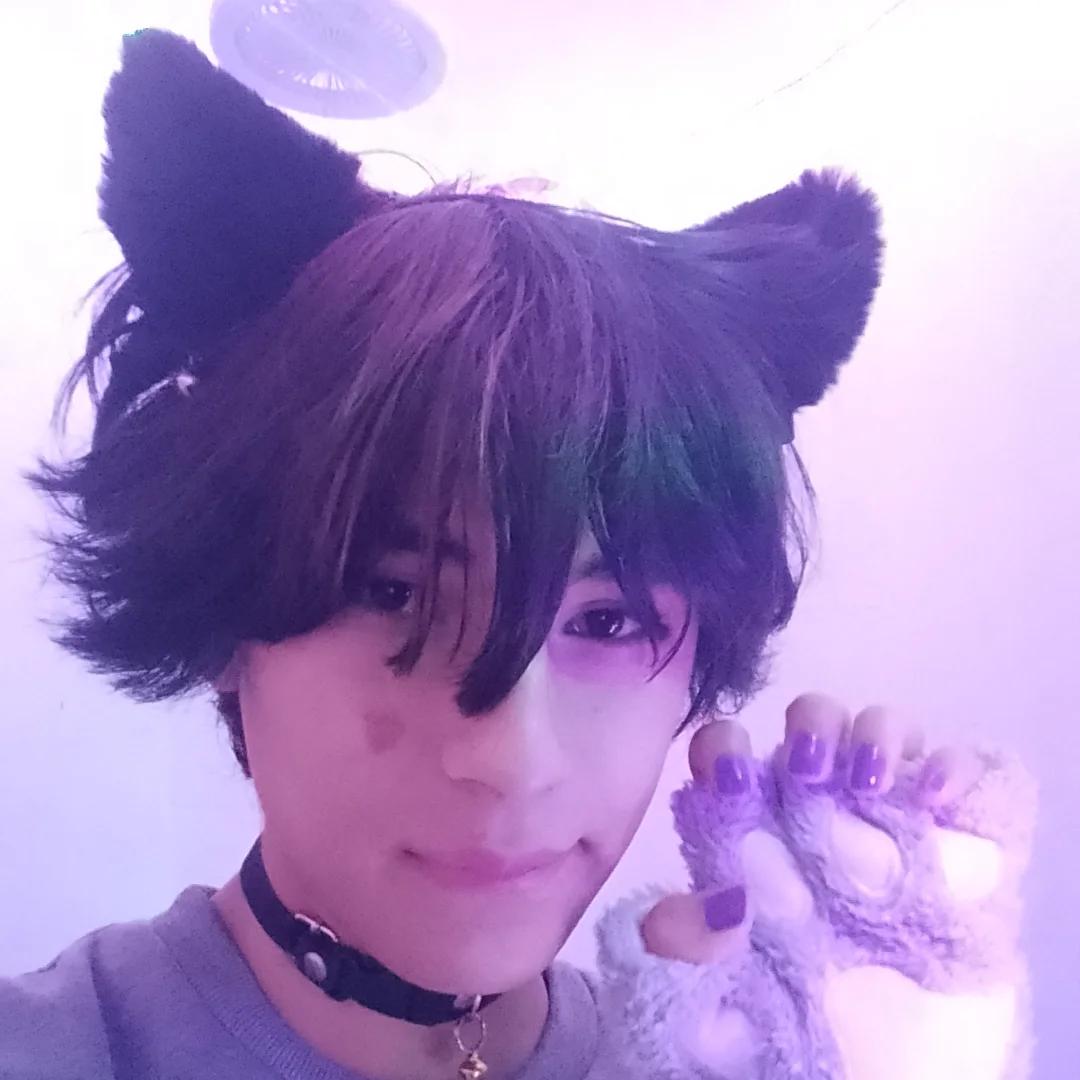
Demigender: People who feel a partial connection to a gender
The plus sign says, "You belong here, even if we don't have a specific letter for your identity yet."
A Brief History of the Acronym
The acronym has grown significantly over time. In the early 1970s, activists primarily used "gay" as an umbrella term. By the end of that decade, "gay and lesbian" became more common. The 1990s saw the rise of "LGBT" as bisexual and transgender voices demanded recognition within the community.

By the 2000s, "LGBTQ" had become standard, with queer included as both a specific identity and a political stance against assimilation. The 2010s and 2020s have seen the acronym expand further LGBTQIA, LGBTQ+, LGBTQ2S+ as awareness of intersex, asexual, and Two-Spirit communities grew.
Some critics question whether the acronym has become unwieldy. But for those whose identities were once erased or ignored, seeing their letter included is profoundly validating. The plus sign offers a practical solution, honoring specificity while maintaining inclusivity.
Why the Acronym Matters
Words shape how we see the world and ourselves. For someone struggling to understand their identity, discovering a term that fits can be life-changing. It transforms a lonely, confusing feeling into a recognized, shared human experience.

The acronym also builds political power. A fragmented community of isolated individuals can be ignored. A united LGBTQ+ community with shared goals, visible leaders, and a recognizable name demands attention. From marriage equality to employment non-discrimination to transgender healthcare access, progress has come because people organized under this banner.
Common Misconceptions
"The acronym keeps changing it's impossible to keep up."
Language evolves as our understanding grows. That's a strength, not a weakness. The core letters (L, G, B, T) have remained stable for decades, and the plus sign covers everything else.
"Asexual people don't face real discrimination."
Asexual people experience pathologization, corrective rape, family rejection, and erasure. Their struggles are real and deserve recognition.
"Intersex people should be in a separate category."
While intersex is about biology rather than identity, intersex people often face similar medical discrimination and social stigma as the broader LGBTQ+ community. Many choose to be included.
"The acronym leaves out straight allies."
Allies are welcome and appreciated, but the acronym centers those with marginalized identities. Allyship means supporting without centering yourself.
How to Be Respectful
If you're not part of the LGBTQ+ community, here's how to navigate the acronym:
Use LGBTQ+ as the default. It's widely recognized and inclusive.
Follow individual preferences. If someone identifies as queer, use that term. If they prefer gay, use that.
Don't quiz people. Asking "what does the Q stand for?" might be genuine curiosity, but demanding someone educate you can feel exhausting. Do your own research first.

Listen and learn. The community isn't monolith. Different people have different relationships with the acronym and its history.
Correct yourself when wrong. If you use outdated or incorrect language, apologize briefly, correct yourself, and move on. Don't make your guilt the focus.
The Bottom Line
LGBTQ+ stands for Lesbian, Gay, Bisexual, Transgender, Queer/Questioning, and the countless other identities that exist under the rainbow. It's an acronym born from struggle, built by activists who refused to be invisible, and sustained by a community that knows the power of naming oneself.

More than letters, it's a promise: that no matter who you love or who you are, you're not alone. That your identity, whether it fits neatly into a category or requires a whole sentence to explain, is valid. That the fight for dignity and equality continues, but you get to fight alongside family.
The acronym will likely keep evolving. New terms will emerge. Language will shift. But the core truth remains: every human being deserves to love freely, live authentically, and be treated with respect. That's what LGBTQ+ really stands for.
About the Creator
David Femboy
David here. Sharing my authentic femboy journey the outfits, the lessons, the life. For anyone exploring gender expression. Let’s redefine masculinity together. 💖
Enjoyed the story? Support the Creator.
Subscribe for free to receive all their stories in your feed.
Comments
There are no comments for this story
Be the first to respond and start the conversation.