
What does queer mean today
What Does Queer Mean Today? The Evolving Power of a Reclaimed Word

Language is a living, breathing thing. Words shift, meanings change, and communities reclaim what was once used to wound them. Few words illustrate this dynamic more powerfully than "queer." For generations, it was a weapon a slur hurled at anyone perceived as different, a word designed to cut and shame. Today, that same word has been transformed into a banner of pride, a political statement, and an inclusive umbrella term that welcomes an astonishing diversity of identities under its sprawling canopy.
But what exactly does "queer" mean in the 2020s? Who gets to use it? And why has it become such a vital, if sometimes controversial, part of how we talk about gender and sexuality? Let's explore the layered, living meaning of this singularly powerful word.
A Brief History: From Weapon to Welcome
To understand where "queer" is today, you have to know where it's been. The word's original meaning was simple: "odd," "strange," or "peculiar." In the late 19th and early 20th centuries, it began to be used as a derogatory term for men perceived as effeminate or for anyone suspected of same-sex attraction. By the mid-20th century, "queer" was firmly established as a hateful slur, used in whispers and shouted from passing cars, designed to instill fear and shame.
But something remarkable happened in the late 1980s and early 1990s. Inspired by the AIDS crisis and the activism it demanded, a new generation of LGBTQ+ activists began to deliberately reclaim the word. Groups like Queer Nation emerged, chanting "We're here, we're queer, get used to it!" at protests. The strategy was radical: take the weapon and turn it back on the attacker. By claiming "queer" for themselves, activists stripped it of some of its power to harm.
This reclamation was never without tension. Many older members of the community, who had been traumatized by the word, continued to find it painful. For them, "queer" still carried the weight of a lifetime of bullying and rejection. This intergenerational divide between those who remember the word as a weapon and those who embrace it as a shield continues to shape conversations about its use today.
What "Queer" Means in the 2020s
So, what does "queer" actually mean to the people who use it today? The answer is deliberately expansive and wonderfully flexible.
An Umbrella Term for the Entire Community
At its broadest, "queer" serves as a shorthand for the entire LGBTQ+ community. You'll see it used in academic contexts ("queer studies," "queer theory"), in activist spaces ("queer liberation"), and in everyday conversation ("the queer community"). In this sense, it's a convenient, inclusive alternative to the ever-growing alphabet soup of LGBTQIA2S+ a single syllable that welcomes everyone who isn't straight and cisgender.
A Rejection of Rigid Categories
For many, especially younger people, "queer" is appealing precisely because it resists neat categorization. Unlike labels like "gay," "lesbian," or "bisexual," which imply specific, defined attractions, "queer" can mean almost anything outside the heterosexual, cisgender mainstream. It's a word for people who find other labels too restrictive, too binary, or simply not a good fit for their fluid, evolving experience of identity.
Someone might identify as queer because:
- They are attracted to multiple genders but don't like the term "bisexual."
- Their sexuality feels fluid and changes over time.
- They are asexual or aromantic and want to connect with a broader community.
- They are non-binary or genderfluid and want a word that reflects their rejection of the gender binary.
- They simply don't want to explain the specifics of their identity to everyone they meet.
A Political Statement
To identify as queer can also be a political act. It signals alignment with a tradition of radical activism that challenges not just homophobia and transphobia, but also capitalism, white supremacy, and other systems of oppression. For many, "queer" isn't just about who you sleep with or how you identify it's about a commitment to tearing down the structures that police all forms of difference. This political dimension is one reason the word remains so powerful and, for some, so provocative.
Who Uses "Queer" Today?
The short answer is: increasingly, many people. The word has moved from activist circles into the mainstream. You'll hear it on television, read it in major newspapers, and see it on merchandise in mall stores. Surveys consistently show that younger generations Millennials and especially Gen Z are far more comfortable with "queer" than their elders. Many have never known it primarily as a slur; they've only encountered it as a proud, self-chosen identity.
However, it's crucial to acknowledge that not everyone in the LGBTQ+ community embraces the word. Many older lesbians, gay men, and transgender people still recoil from it, hearing echoes of past pain every time it's spoken. Others simply prefer more specific labels and feel that "queer" is too vague to be meaningful for them. Some reject it precisely because of its political connotations, preferring an identity that is not defined by opposition to the mainstream.
Respect is the guiding principle. If someone tells you they don't like being called queer, don't use it for them. Simple as that.
"Queer" as a Verb: An Emerging Usage
In some progressive spaces, particularly within academia and activist communities, "queer" has even become a verb. To "queer" something means to challenge or subvert normative assumptions, especially around gender and sexuality. You might hear about "queering the curriculum" (making education more inclusive of LGBTQ+ perspectives) or "queering the narrative" (telling stories that don't follow straight, conventional arcs). This verb form demonstrates the word's continued evolution and its power as a tool for critical thinking.
Why "Queer" Matters Today
Why does a single word matter so much? Because words shape how we see ourselves and how we're seen by others. For someone who has never quite fit into any category, "queer" can be a lifeline a word that says, "You belong here, exactly as you are, without having to explain or justify the contours of your identity."
Consider these scenarios:
A person who is attracted primarily to women but occasionally to non-binary people might feel that "lesbian" doesn't quite fit, but "bisexual" feels inaccurate. "Queer" offers a home.
A non-binary person attracted to multiple genders might find no single word captures their experience. "Queer" embraces the complexity.
Someone whose sexuality has shifted over time perhaps feeling more attracted to men in their twenties and more to women in their forties might find that "queer" allows for that evolution without needing to change labels every few years.
In a world that often demands certainty and clear categories, "queer" gives permission to be uncertain, to be fluid, to be in process. That's a profound gift.
The Controversies and Tensions
The widespread adoption of "queer" hasn't been without friction. Some argue that the word's very vagueness makes it politically useless if everyone is queer, does the word mean anything at all? Others worry that the mainstreaming of "queer" erases the specific histories and struggles of different identity groups, flattening them into a single, undifferentiated mass.
There's also tension around who gets to use the word. Some in the community are comfortable with anyone using "queer," regardless of their own identity, as long as it's done respectfully. Others believe that "queer" should be reserved for those who have reclaimed it from personal experience meaning it's not appropriate for straight, cisgender people to use casually.
These debates are healthy. They reflect a living, evolving community wrestling with its own boundaries and definitions. There are no easy answers, and that's okay.
How to Use "Queer" Respectfully
If you're not sure whether "queer" is the right word in a given situation, here are some guidelines:
Do:
Use "queer" to describe someone who has explicitly identified that way.
Use "queer" as an umbrella term for the community when you know you're in a space where it's welcomed.
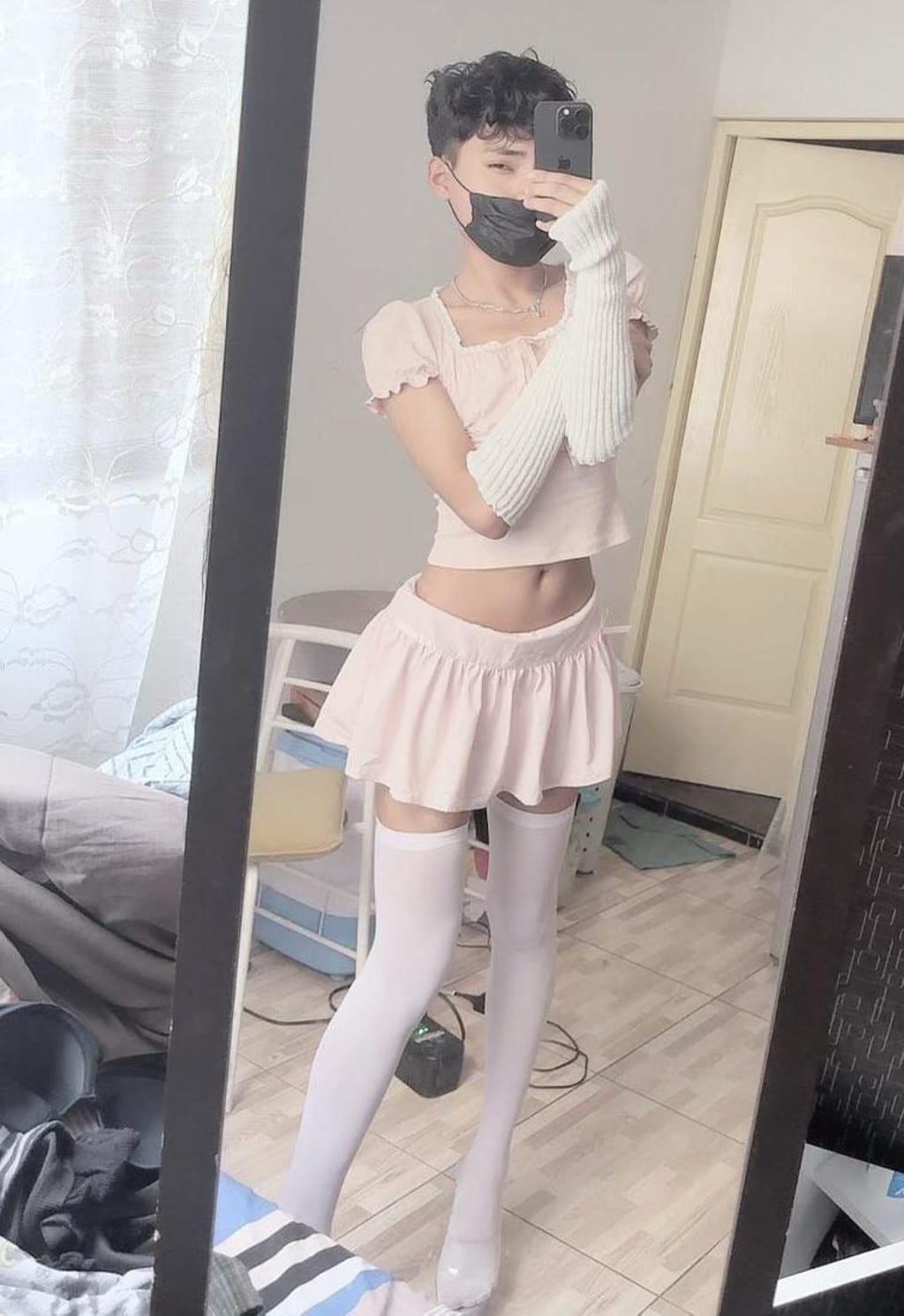
Listen when someone tells you how they want to be described.
Don't:
Call someone "queer" if they've told you they prefer another label.
Assume that everyone in the LGBTQ+ community is comfortable with the word.
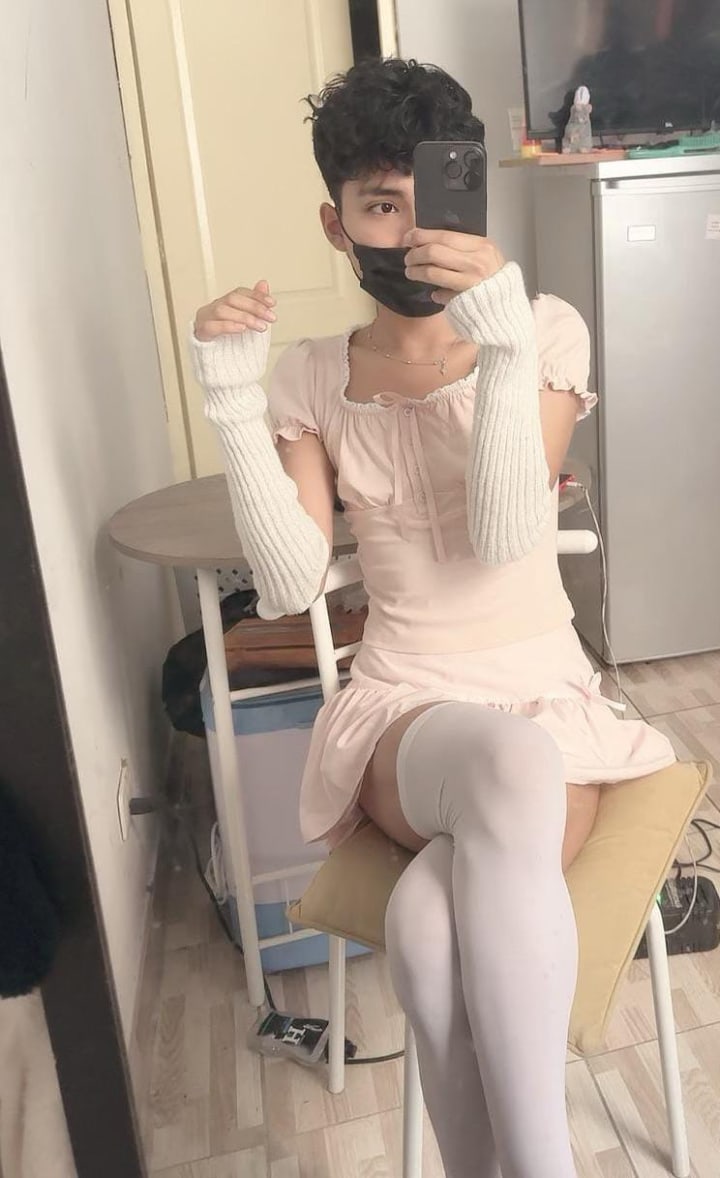
Use "queer" as a noun ("a queer") this can feel reductive and echoes the slur's original usage. Use it as an adjective ("a queer person") instead.
The Future of "Queer"
What will "queer" mean in ten or twenty years? It's impossible to say with certainty. Language evolves in unpredictable ways, shaped by culture, politics, and the lived experience of millions of individuals.
What seems likely is that "queer" will continue to be contested, cherished, and debated. Its very slipperiness its refusal to be pinned down to a single, stable meaning is both its greatest strength and the source of ongoing tension. For those who find liberation in its expansiveness, "queer" is a word that finally makes room for the full, messy, beautiful complexity of human identity. For those who prefer the clarity of older labels, it may always feel like a concession to vagueness.
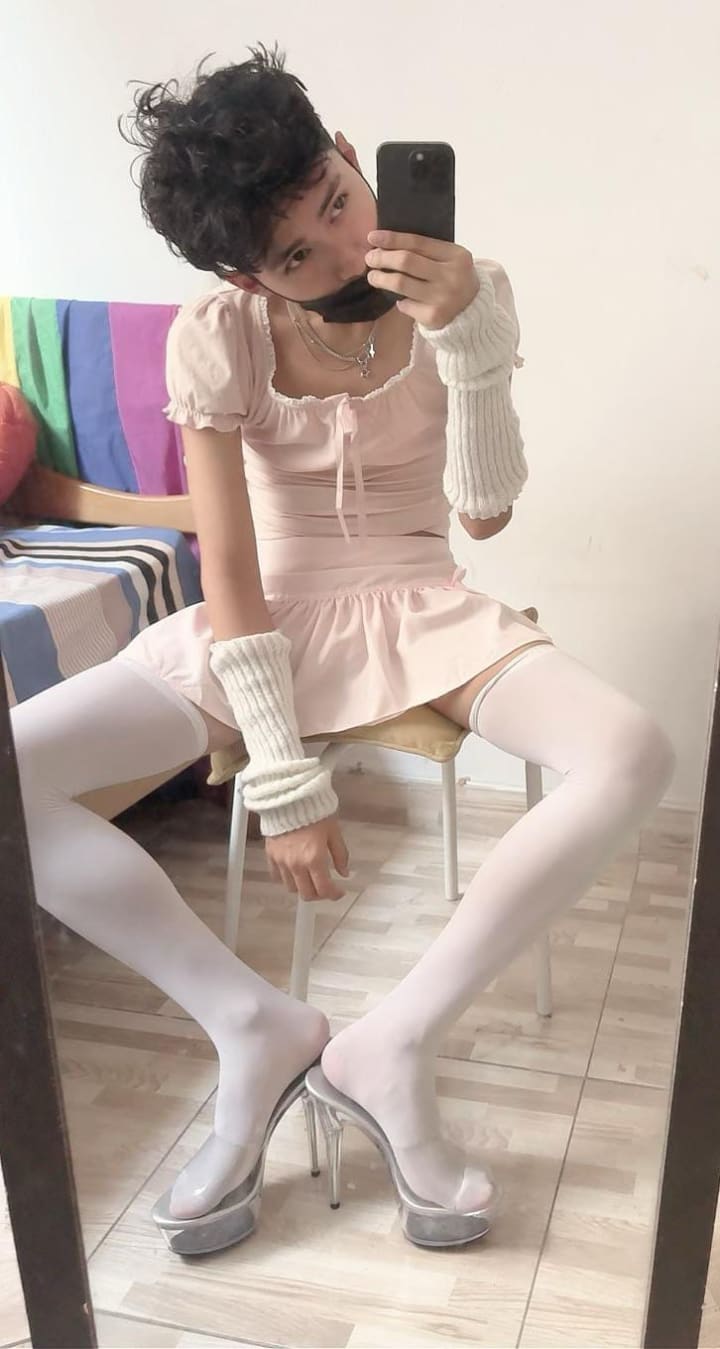
Perhaps the most honest answer to "What does queer mean today?" is this: It means whatever the person using it needs it to mean. For some, it's a political statement. For others, it's a convenient shorthand. For many, it's a deeply personal identity that resists easy definition. And for a precious few, it's still a painful memory a reminder that reclamation is never complete, and that words can wound even when they're meant to heal.
Conclusion: A Word of Power and Paradox
"Queer" is a word of paradoxes. It is both inclusive and exclusionary, reclaimed and still painful, precise in its imprecision. It carries the weight of a painful history and the hope of a more expansive future. It is a single syllable that holds multitudes.
What makes "queer" so powerful today is precisely this complexity. It refuses to be simple. It demands that we sit with discomfort, that we acknowledge history while building something new, that we make room for identities that don't fit neatly into any box. In a world that often demands clear answers and rigid categories, "queer" offers something radical: the permission to be complicated, to change, to simply exist without explanation.
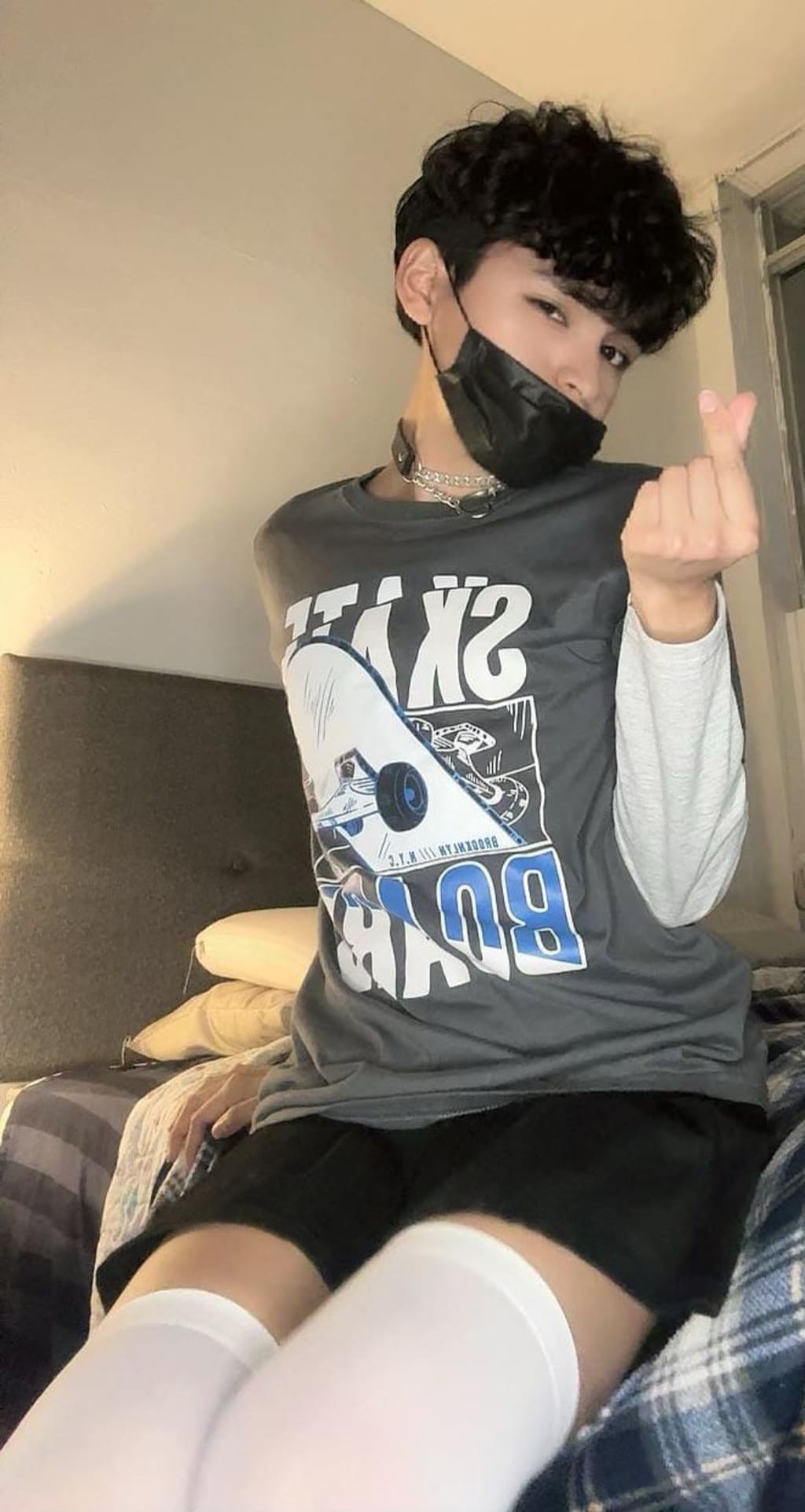
For everyone who has ever felt that no existing label quite fits, "queer" says: You are welcome here. You belong. There is a word for you, and it is as fluid and multifaceted as you are.
That is what "queer" means today. And tomorrow? It will mean whatever we, together, decide it means next.
About the Creator
David Femboy
David here. Sharing my authentic femboy journey the outfits, the lessons, the life. For anyone exploring gender expression. Let’s redefine masculinity together. 💖
Enjoyed the story? Support the Creator.
Subscribe for free to receive all their stories in your feed.
Comments
There are no comments for this story
Be the first to respond and start the conversation.