
What does queer mean in the lgbtq
What Does Queer Mean in the LGBTQ+ Community? A Complete Guide to an Evolving Identity

What Does Queer Mean in the LGBTQ+ Community? A Complete Guide to an Evolving Identity
Language is alive. It grows, shifts, and transforms alongside the people who use it. Few words in the English language have undergone as dramatic a transformation as the word "queer." Once a weapon used to wound and silence, it has been reclaimed, redefined, and repurposed as a powerful umbrella term for anyone whose identity falls outside of mainstream societal norms around gender and sexuality.
If you've encountered the LGBTQ+ acronym and wondered what the "Q" stands for or why someone would proudly call themselves queer after generations used it as a slur you're not alone. The journey of this word reflects the resilience, creativity, and evolving consciousness of the communities it represents.
Let's explore what queer truly means today, how it got here, and why it matters.
The Original Meaning: A Word That Hurt
To understand queer's present, we must acknowledge its past. The word "queer" originally meant "strange," "odd," "peculiar," or "eccentric." It entered the English language from the German "quer," meaning "oblique" or "crosswise." For centuries, it carried a relatively neutral, if sometimes dismissive, connotation.
That changed dramatically in the late 19th and early 20th centuries. As societal attitudes toward homosexuality hardened, "queer" became a vicious slur directed primarily at gay men. It was used to demean, humiliate, and incite violence. For generations of LGBTQ+ people, hearing "queer" was a gut-punch a reminder of their outsider status and the dangers of living authentically.
This painful history is not erased by its reclamation. Many older members of the LGBTQ+ community still cannot hear the word without flinching, and their feelings deserve respect. For them, "queer" remains a wound, not a welcome.
The Reclamation: Taking Back Power
Starting in the late 1980s and accelerating through the 1990s, a radical shift began. Inspired by the AIDS crisis and the urgent need for solidarity and action, activists and community members began deliberately using "queer" as a political and personal identifier.
The battle cry became "We're here, we're queer, get used to it." This chant, popularized at LGBTQ+ marches and protests, transformed the word from a weapon of shame into a banner of defiance. By claiming "queer" for themselves, activists stripped it of some of its power to harm. They said, in effect: "You used this word to hurt us. Now we wear it as armor."
This reclamation was part of a broader movement toward radical inclusion. Terms like "gay" and "lesbian" felt too narrow for some. "Queer" offered something different: a word that didn't demand specificity about who you loved or how you identified, but instead signaled a shared experience of existing outside the mainstream.

What Queer Means Today: The Umbrella
In contemporary usage, queer serves as an expansive, inclusive umbrella term for anyone who is not heterosexual and/or not cisgender. It encompasses a vast spectrum of identities:
Gay, lesbian, and bisexual people who feel connected to the broader community
Transgender, non-binary, and gender-nonconforming individuals
Asexual, aromantic, and other identities on the ace spectrum
Intersex people who find community within the LGBTQ+ umbrella
Pansexual, omnisexual, polysexual, and other orientations under the multisexual umbrella
Anyone questioning their sexuality or gender
Crucially, queer is often used as a political identity as well as a personal one. It signals not just a description of attraction or identity, but a stance against assimilation into mainstream heterosexual, cisgender norms. A queer person might reject the idea of fitting into traditional boxes like marriage, monogamy, or binary gender presentation. For them, queerness is about challenging the very structures that created those boxes.
The Beauty of Ambiguity: Why Queer Works
One of the reasons "queer" has become so beloved is its deliberate vagueness. Unlike "gay" (attracted to the same gender) or "transgender" (gender identity different from birth assignment), queer doesn't pin you down. It allows space for:
Fluidity over time. Someone's identity might shift, and queer accommodates that evolution.
Complexity that resists categorization. Not everyone fits neatly into existing labels.
Privacy. Saying "I'm queer" shares something true without requiring a detailed explanation of exactly who you love or how you identify.
For many younger LGBTQ+ people, this ambiguity is liberating. They don't have to choose between "bisexual" and "pansexual" or decide whether they're "non-binary" or "genderfluid." Queer holds all of it.
Who Doesn't Use Queer? Respecting Diversity
While queer has gained widespread acceptance, it's far from universal. Some individuals and groups choose not to use it, and their reasons deserve respect:
Older LGBTQ+ individuals who remember the word as a weapon may never feel comfortable with it.
Some lesbian and gay people prefer more specific labels that reflect their distinct histories and cultures.
Transgender people who feel "queer" dilutes their specific experience of gender identity.

Individuals from certain cultural or religious backgrounds where the word carries different connotations.
The golden rule of LGBTQ+ language is simple: use the words people choose for themselves. If someone tells you they are gay, don't call them queer. If someone says they are queer, respect that. Never assign a label to someone that they haven't claimed for themselves.
Queer vs. LGBTQ+: Why Both Exist
You might wonder: if "queer" is so inclusive, why do we still need LGBTQ+ as an acronym? The answer lies in visibility and specificity.
The LGBTQ+ acronym names specific identities: Lesbian, Gay, Bisexual, Transgender, Queer/Questioning, and the "plus" for all others. This specificity is crucial for:
Political advocacy focused on particular communities
Healthcare and social services tailored to specific needs
Historical recognition of distinct cultures and struggles
Queer, by contrast, is a shortcut a single syllable that says "not straight, not cis, and probably not interested in explaining further." It's efficient, inclusive, and for many, deeply affirming.
Most people use both. Someone might say, "I'm part of the LGBTQ+ community, and I identify as queer." The two work together, not in competition.
The Academic Turn: Queer Theory
Beyond identity, "queer" has also become a cornerstone of academic study. Queer theory emerged in the 1990s as a field of critical inquiry that challenges fixed categories of sex, gender, and sexuality.
Queer theorists argue that identity is not stable or inherent, but performed and socially constructed. They question the very idea of "normal" and celebrate what falls outside it. While this academic language can be dense, the core insight is powerful: the categories we use to understand ourselves are not natural or inevitable. They can be questioned, played with, and transformed.

For many, queer theory provides intellectual permission to live beyond the binaries not just of male/female or straight/gay, but of all the ways we've been told to fit into boxes.
Queer as a Verb and an Ethos
Increasingly, "queer" functions not just as an adjective (a queer person) or a noun (the queer community), but as a verb and an ethos. To "queer" something means to subvert, challenge, or bend expected norms.
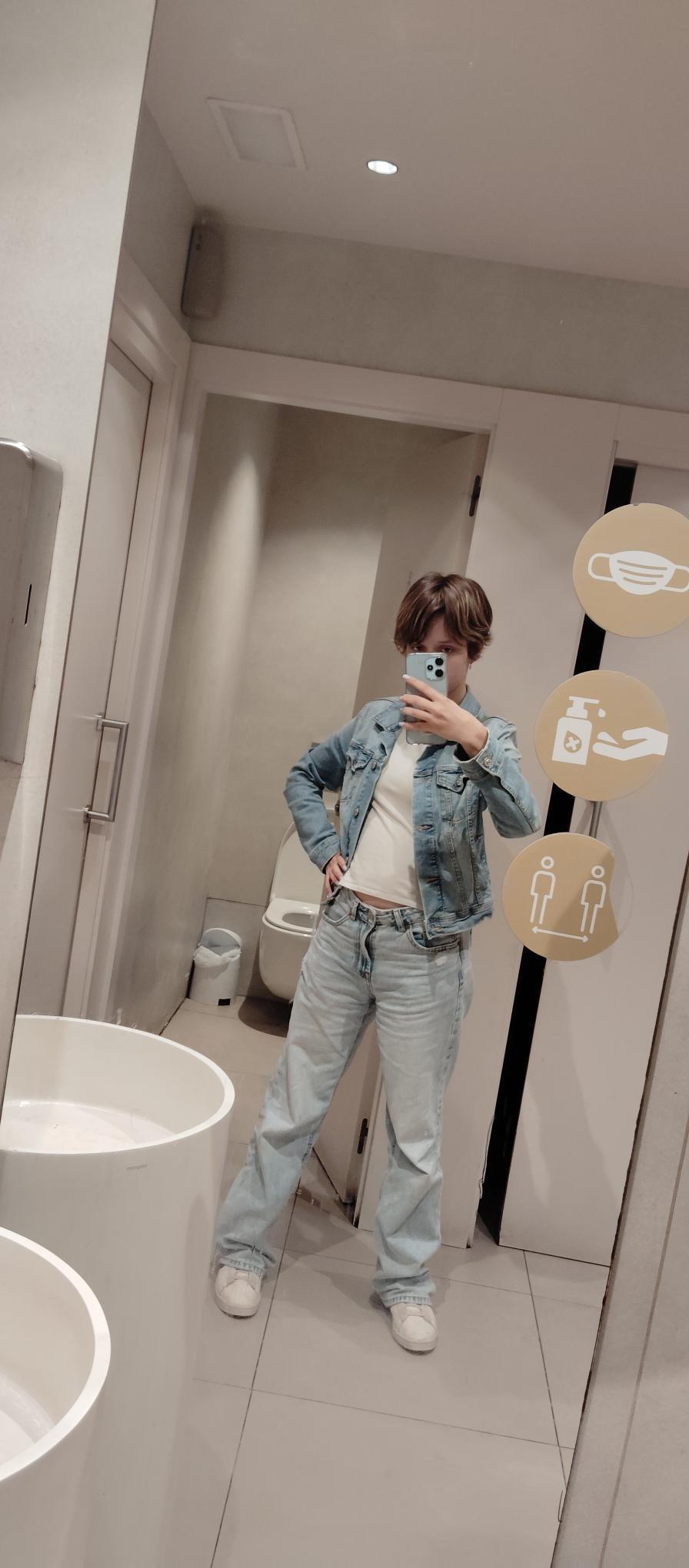
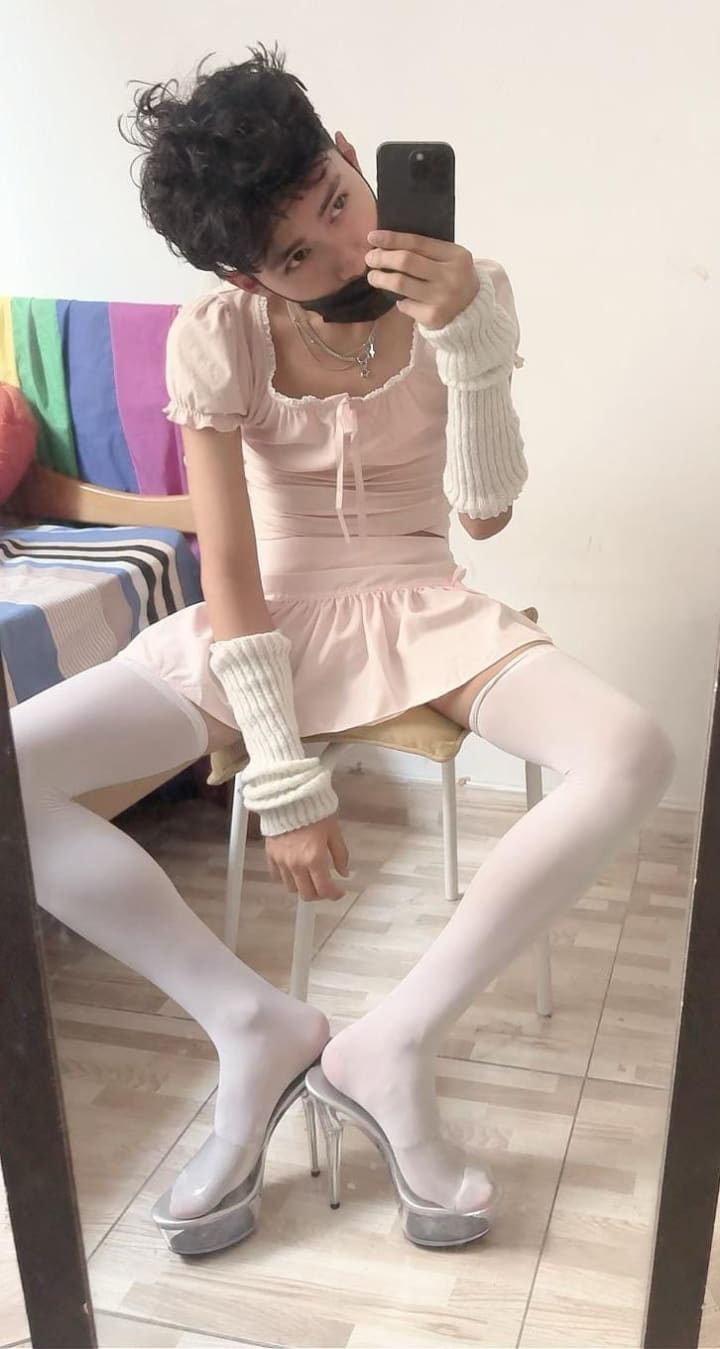
You might "queer" a fashion expectation by mixing traditionally masculine and feminine clothing. You might "queer" a relationship structure by choosing polyamory or chosen family over traditional marriage. You might "queer" a space by making it inclusive of bodies and identities that don't fit the norm.

This verb usage captures the active, creative, resistant energy of queerness. It's not just about who you are it's about how you move through the world.
Common Misconceptions About Queer
Let's clear up a few persistent misunderstandings:
Myth: Queer is just another word for gay.
Reality: Queer includes gay people but also many others bisexual, transgender, asexual, non-binary, and more.
Myth: Queer means "questioning."
Reality: While the Q in LGBTQ+ sometimes stands for "questioning," queer is a distinct identity. Some people use both, but they're not the same.
Myth: You can't be queer and also identify as gay or bi.
Reality: Many people use multiple labels. Someone might say "I'm a queer bisexual" or "queer and non-binary." Labels are tools, not prisons.
Myth: Queer is only for young people.
Reality: People of all ages identify as queer. While younger generations have embraced it enthusiastically, queer elders especially activists from the AIDS crisis era helped reclaim the word.
How to Use "Queer" Respectfully
If you're not sure how to use the word queer, here are simple guidelines:
Use it for yourself first. If you identify as queer, say so proudly.
Never assign it to others. Don't call someone queer unless you know they use that label for themselves.
Listen to preferences. If someone says "I don't like that word," respect that. Don't argue or explain why they should be okay with it.

Context matters. In academic or activist spaces, queer might be the default. In a room with older LGBTQ+ individuals, you might want to check in first.
When in doubt, ask. A simple "What words do you prefer?" is always respectful.
The Future of Queer
As language continues to evolve, "queer" seems firmly planted in the lexicon of identity. It has survived attempts to erase it, overcome its violent past, and emerged as a word of pride, possibility, and community.
What makes queer so powerful is its flexibility. In a world that often demands certainty check this box, choose this label queer offers the freedom to say, "I don't fit neatly, and that's not a problem." It makes space for complexity, for change, for the parts of ourselves that resist easy categorization.

For anyone who has ever felt that "gay" wasn't quite right, that "straight" was a lie, that "trans" captured only part of the story, or that no existing label fit at all queer offers a home. Not a house with rigid walls, but a welcoming, ever-expanding tent where many are invited to gather.
Final Thoughts
What does queer mean in the LGBTQ+ community? It means resilience taking a weapon and turning it into a welcome. It means inclusion holding space for the vast diversity of human experience around gender and sexuality. It means freedom the freedom to be specific or vague, to change over time, to refuse boxes altogether.
Queer is not for everyone, and that's okay. But for those who claim it, it offers something precious: a word that says "you belong here, exactly as you are."
Whether you identify as queer yourself or simply want to understand what it means, the most important takeaway is this: language about identity is always evolving, and the best approach is always kindness, curiosity, and respect for how people choose to name themselves.
About the Creator
David Femboy
David here. Sharing my authentic femboy journey the outfits, the lessons, the life. For anyone exploring gender expression. Let’s redefine masculinity together. 💖
Enjoyed the story? Support the Creator.
Subscribe for free to receive all their stories in your feed.
Comments
There are no comments for this story
Be the first to respond and start the conversation.