
Marsha P. Johnson Remembering a Legend
Honoring Her on Her Death Anniversary — July 6, 2026

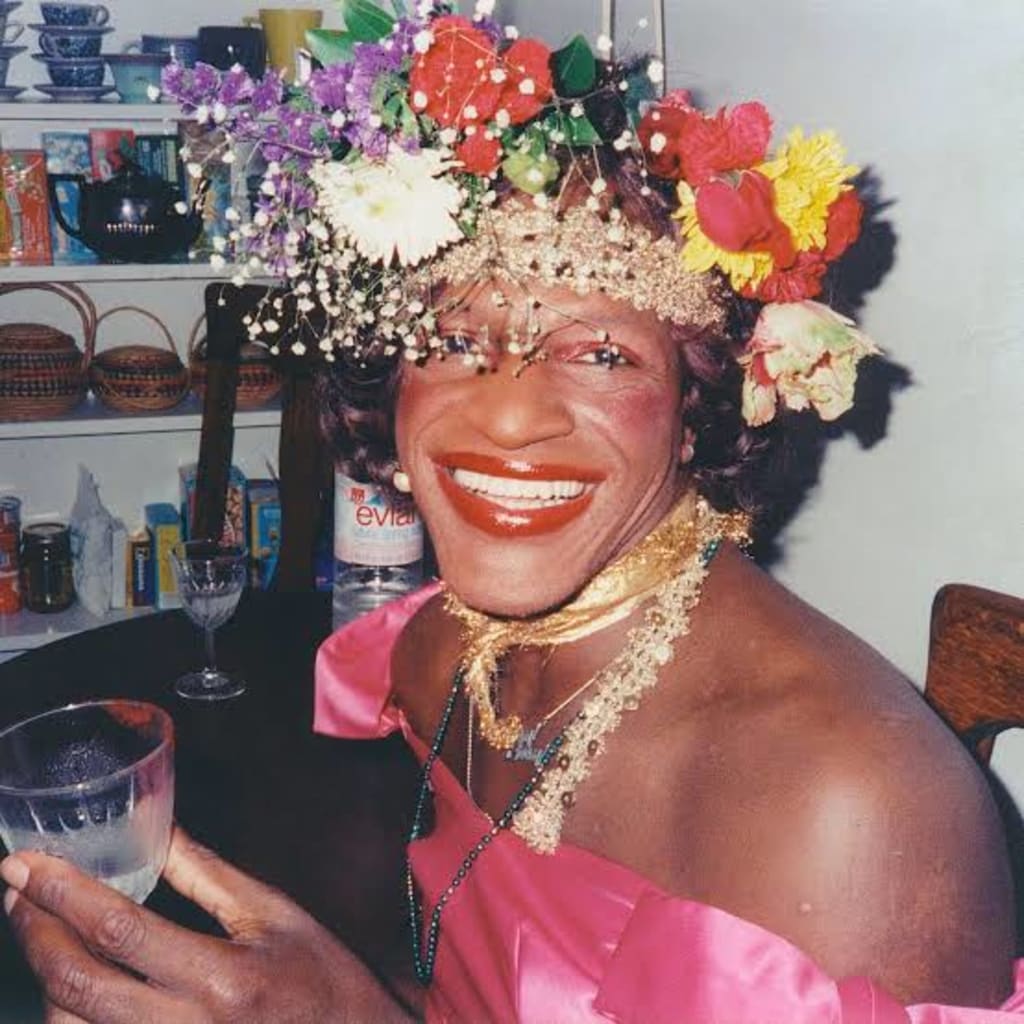
Marsha P. Johnson was a beacon of courage, compassion, and resistance whose name continues to shine through generations of LGBTQ+ history. As communities around the world remember her death anniversary, her life invites reflection on the power of one person’s determination to create change. Marsha carried a spirit of generosity and bravery that reached far beyond moments of protest. She offered hope to people searching for acceptance, dignity, and a place where they could live openly.
Born Malcolm Michaels Jr. on August 24, 1945, in Elizabeth, New Jersey, Marsha grew up in a working-class family and experienced many challenges while discovering her identity. From an early age, she felt drawn toward a life where she could express herself freely. After graduating high school, she moved to New York City with a small amount of money and a strong desire to build a future where she could exist with pride.
New York became the place where Marsha found her voice. She embraced her identity as a transgender woman and became known for her vibrant personality, warm smile, and fearless spirit. She worked as a performer, an artist, and a community organizer. Many people who knew her remembered her kindness toward those facing hardship. She often opened her home and heart to people who had been rejected by their families or pushed to the margins of society.
During the 1960s, LGBTQ+ people faced widespread discrimination, harassment, and violence. Police raids on gay bars and gathering spaces were common, and many people lived under constant pressure to hide who they were. The Stonewall Inn in Greenwich Village became a gathering place where many LGBTQ+ people found connection and belonging. On June 28, 1969, a police raid at the Stonewall Inn sparked a series of protests that became known as the Stonewall riots. Marsha became connected with the uprising and is remembered as one of the courageous figures associated with that historic moment.
The Stonewall riots marked a turning point in the modern LGBTQ+ rights movement. Marsha’s presence during this period represented the voices of people who had endured years of exclusion. She stood alongside others who demanded respect and recognition. Her activism continued after Stonewall through direct support for vulnerable members of the community. She understood that progress required care for people who lacked housing, safety, and resources.
In 1970, Marsha and fellow activist Sylvia Rivera founded the Street Transvestite Action Revolutionaries, known as STAR. The organization provided shelter and support for homeless transgender youth and others who had nowhere else to turn. STAR reflected Marsha’s belief that activism needed compassion at its center. She fought for people whose struggles often received little attention, creating a legacy built on protection, solidarity, and love.
Marsha also became involved with the movement for AIDS awareness during the 1980s. She worked with the organization ACT UP and continued speaking out during a period when many people living with HIV and AIDS faced fear, stigma, and isolation. Her activism showed remarkable consistency throughout her life. She remained committed to defending people who were overlooked and helping communities survive difficult times.
Beyond her activism, Marsha was remembered for her joyful presence. Friends described her as someone who could brighten a room with humor and kindness. She wore colorful clothing, flowers in her hair, and a confident smile that challenged expectations. Her expression of herself became a form of resistance. She demonstrated that visibility could inspire others to embrace their own identities.
Marsha’s life also carried deep struggles. She experienced poverty, homelessness, and discrimination. She faced dangers connected with being a transgender woman during a time when society often refused to recognize or protect people like her. Through these hardships, she continued to show resilience. Her ability to offer care to others despite her own challenges remains one of the most powerful parts of her story.
On July 6, 1992, Marsha P. Johnson died at the age of 46. Her body was found in the Hudson River near Greenwich Village. Her death was initially classified as suicide, though many friends and supporters questioned the circumstances and called for further investigation. Years later, renewed attention from advocates and investigators brought additional examination of the case. Her passing left a deep wound in the LGBTQ+ community, which had lost one of its most dedicated defenders.
Remembering Marsha on her death anniversary means honoring the full story of her life. She was more than a symbol connected with one historic event. She was a friend, a protector, an organizer, and a person who devoted herself to others. Her work helped create pathways for future generations of LGBTQ+ activists and leaders.
Today, Marsha P. Johnson’s legacy lives through organizations, memorials, and people who continue the work she began. Her name represents courage in the face of injustice and kindness in the face of cruelty. Her example reminds the world that social progress grows through people who choose compassion and action.
The phrase “Pay It No Mind,” which Marsha used when people questioned her identity or appearance, captured her confidence and determination. She refused to allow hatred from others to define her worth. Her words and actions continue to encourage people to live authentically and support one another.
As the years pass, Marsha P. Johnson remains an icon whose influence reaches across communities and generations. Her role in LGBTQ+ history reflects the importance of recognizing those who stood on the front lines of change. She helped transform moments of struggle into movements of hope. She showed that a single person’s courage can leave an impact that lasts far beyond a lifetime.
On her death anniversary, we honor Marsha P. Johnson by remembering her laughter, her activism, her generosity, and her unwavering commitment to people who needed a voice. Her story deserves respect and celebration. Her legacy continues to remind us that love, bravery, and solidarity can reshape the world.
Her influence also appears in the continued recognition of transgender history and the many efforts to preserve the stories of people who helped shape social movements. Marsha represented a group of people whose experiences were often ignored in public conversations. By sharing her own life with honesty and courage, she helped others understand the importance of visibility. Her journey reminds us that history is created by individuals whose voices may begin at the edges of society and eventually become central to a larger movement.
The anniversary of Marsha’s passing offers a moment to consider the many forms of activism that changed the world. Activism can happen through marches, organizations, community care, and everyday acts of kindness. Marsha embraced each of these paths. She understood that offering a meal, providing shelter, or standing beside someone during a difficult moment could be as meaningful as speaking before a crowd.
Her memory continues to inspire artists, organizers, educators, and advocates who seek a more welcoming world. Through lessons from her life, many people have found strength to challenge discrimination and defend the dignity of others. Marsha’s story carries a message of perseverance that remains meaningful in every generation.
Honoring Marsha P. Johnson means recognizing the sacrifices behind progress. The freedoms enjoyed today came through the efforts of people who demanded recognition and respect. Marsha helped create space for voices that had long been silenced. Her courage during the Stonewall era and her dedication afterward created a foundation that continues to support countless lives.
Marsha P. Johnson left behind a legacy shaped by courage, love, and determination. Her life was filled with moments of struggle, celebration, and service. Each year, her death anniversary serves as a reminder of the person behind the legend: a woman with dreams, friendships, humor, and an extraordinary ability to care for others. Her name remains a symbol of hope, and her story continues to shine as a powerful example of what one person can achieve.
About the Creator
Tim Carmichael
Let your becoming be louder than your fear, and your smallest steps become the road you once thought impossible to walk. An Appalachian poet and cookbook author my book Beautiful and Brutal Things is on Amazon, Link 👇
Enjoyed the story? Support the Creator.
Subscribe for free to receive all their stories in your feed. You could also become a paid subscriber, letting them know you appreciate their work.
Comments
There are no comments for this story
Be the first to respond and start the conversation.