
Lgbtq Definition
LGBTQ Definition: Understanding the Spectrum of Identity

In conversations about human rights, diversity, and inclusion, the term LGBTQ appears frequently. But what exactly does it mean? For those within the community, these letters represent identity, struggle, pride, and belonging. For allies and those seeking to understand, the acronym can sometimes feel like a collection of labels that shift and expand over time.
At its core, LGBTQ is an acronym that stands for Lesbian, Gay, Bisexual, Transgender, and Queer (or Questioning) . The plus sign (+) that often follows LGBTQ+ is a deliberate and important inclusion, signaling that this family of identities extends far beyond these five letters.
This guide will walk you through each component of the acronym, exploring the rich diversity of identities it represents, and why understanding these terms matters for everyone.
A Brief History: Where Did LGBTQ Come From?
The acronym didn't emerge fully formed. It evolved alongside the modern LGBTQ rights movement, reflecting growing awareness and acceptance of diverse identities.

In the early decades of the movement, from the 1950s through the 1970s, the community was often referred to simply as the "gay community" or "homophile movement." By the 1980s, as lesbians and bisexual people demanded greater visibility, the acronym LGB came into use. The T for transgender was added in the 1990s, thanks to tireless advocacy from transgender activists who insisted their struggles were distinct from but intertwined with those of LGB people.
The Q for queer (or questioning) gained prominence in the 2000s and 2010s, reflecting a broader understanding of identity as fluid and expansive. The plus sign acknowledges that even this evolving acronym can't capture every identity. Two-spirit, asexual, aromantic, pansexual, and countless other identities exist under the LGBTQ+ umbrella.
This evolution isn't about being politically correct. It's about accurately describing real human experiences that have always existed but lacked language.
Breaking Down the Acronym: What Each Letter Means
L: Lesbian
A lesbian is a woman who experiences romantic or sexual attraction primarily or exclusively to other women. The term applies to cisgender women (those assigned female at birth who identify as women) and transgender women alike.
Lesbian history is rich with activism, art, and culture. From the poetry of Sappho in ancient Greece to the activism of the Daughters of Bilitis in the 1950s, lesbians have long carved out spaces for women who love women. The lesbian community has also been at the forefront of feminist movements, challenging not just heterosexuality but patriarchal structures that limit all women.
G: Gay
Gay most commonly refers to a man who experiences romantic or sexual attraction primarily or exclusively to other men. However, the term is also used as an umbrella term for anyone who experiences same-gender attraction, which is why you'll often hear "gay and lesbian" or simply "gay community."
Like lesbian identity, gay identity spans cultures and centuries. The modern gay rights movement is often traced to the Stonewall Uprising of 1969 in New York City, where gay men, lesbians, and transgender people fought back against police harassment. That moment catalyzed a global movement for equality.
B: Bisexual
Bisexual describes a person who experiences attraction to more than one gender. The "bi" doesn't mean only two (men and women) as was once assumed. Today, the bisexual community defines itself more expansively: attraction to people of similar genders and different genders, or attraction regardless of gender.
Bisexual people are the largest single group within the LGBTQ community, yet they face unique challenges. "Bisexual erasure" the tendency to dismiss or invalidate bisexuality as a phase, indecision, or greed remains widespread. Many bisexual people report feeling invisible in both straight and gay spaces. Understanding bisexuality means accepting that attraction to multiple genders is a stable, valid identity, not confusion.
T: Transgender
Transgender (often shortened to trans) describes a person whose internal sense of gender differs from the sex they were assigned at birth. A transgender woman was assigned male at birth but knows herself to be a woman. A transgender man was assigned female at birth but knows himself to be a man. Some transgender people identify as non-binary, meaning their gender falls outside the man/woman binary entirely.

Transgender identity is about who you know yourself to be, not about medical transition. Some trans people pursue hormone therapy or surgeries; others do not. Both paths are equally valid. The T in LGBTQ is distinct from L, G, and B because it addresses gender identity rather than sexual orientation. However, the communities share histories of marginalization, resistance, and celebration.
The struggles of transgender people for healthcare, for legal recognition, for safety from violence remain urgent. Understanding the T means recognizing that gender is not simply whatever genitals you were born with. It's a deeply held sense of self.
Q: Queer (or Questioning)
The Q carries two meanings, both important.
Queer has a complex history. Once used as a violent slur against LGBTQ people, the term has been reclaimed by many within the community as an affirming, inclusive umbrella word. "Queer" can describe anyone whose identity falls outside heterosexual and cisgender norms. It's particularly embraced by those who find other labels too restrictive. For example, a non-binary person attracted to women might call themselves queer rather than lesbian. A person whose sexuality shifts over time might prefer queer over bisexual.

Because of its painful history, not everyone in the LGBTQ community is comfortable with "queer." Always respect individual preference.
Questioning refers to people who are actively exploring their sexual orientation or gender identity. Questioning is a valid place to be. Not everyone knows their identity from childhood. Many people discover themselves later in life, and the questioning period is part of that journey.
The Plus Sign (+): Every Identity That Doesn't Fit
- The plus sign is small but mighty. It acknowledges that human identity is too vast for any fixed acronym. The plus includes:
- Asexual (Ace): Experiencing little or no sexual attraction.
- Aromantic (Aro): Experiencing little or no romantic attraction.
- Pansexual: Attraction to people regardless of gender.
- Non-binary: Any gender identity outside the man/woman binary.
- Two-Spirit: A term used by some Indigenous North Americans for people who embody both masculine and feminine spirits.
Intersex: People born with sex characteristics that don't fit typical binary definitions of male or female.
And many more.
The plus is an invitation to keep learning. It says, "We know we haven't captured everyone, and that's okay. You belong here too."
Why This Definition Matters
Understanding LGBTQ terminology isn't about memorizing a dictionary. It's about recognizing that human beings have always existed across spectrums of gender and sexuality. The words we use today are new; the realities they describe are ancient.

For LGBTQ people, having language for their identity can be life-saving. A teenager who grows up feeling different attracted to the same gender, uncomfortable with the body they were born into, drawn to multiple genders might spend years believing they are broken. Discovering that there are words for their experience, and communities of people who share it, transforms isolation into belonging.
For allies, learning the definition of LGBTQ is the first step toward meaningful support. When you understand what someone means when they say they're bisexual or transgender or queer, you can show up for them in ways that matter. You can use correct pronouns. You can challenge misconceptions when you hear them. You can vote for policies that protect LGBTQ people.
Common Misconceptions About LGBTQ Identities
Even well-intentioned people sometimes hold misconceptions. Let's address a few.
"Being LGBTQ is a choice." No. Sexual orientation and gender identity are not choices. People don't wake up one day and decide to be gay or trans. What is a choice is whether to live authentically or hide for safety. The mental health consequences of hiding are severe. The joy of living openly is profound.
"Transgender is the same as gay." No. Being transgender is about gender identity. Being gay is about sexual orientation. A transgender woman who loves men is straight (a woman attracted to men). A transgender man who loves men is gay (a man attracted to men). Gender and sexuality are different dimensions of identity.
"Bisexual people are just confused." No. Bisexual attraction is stable and valid. Bisexual people are not "half-gay, half-straight." They are fully bisexual.
"Non-binary isn't real." Non-binary identities have been recognized across cultures for millennia. From the hijras of South Asia to two-spirit people among Indigenous nations, many societies have acknowledged genders beyond man and woman. The idea that there are only two genders is a Western colonial concept, not a universal truth.
The Ongoing Fight for LGBTQ Rights
Understanding the definition of LGBTQ also means understanding that these identities have been and in many places still are targeted for violence, discrimination, and erasure.
In 2024, over 70 countries still criminalize same-sex relationships. In several, homosexuality carries the death penalty. Transgender people face legal barriers to changing their names and accessing healthcare. LGBTQ youth are disproportionately homeless, in large part because families reject them.
At the same time, progress is real. Marriage equality is law in dozens of countries. Anti-discrimination protections have expanded. Visibility in media, politics, and everyday life has grown enormously. Young people today grow up with words and rights that previous generations could only dream of.
The definition of LGBTQ is not static. It grows as our understanding grows. What remains constant is the truth at its heart: love is love. Gender is personal. And every human being deserves dignity, respect, and the freedom to be exactly who they are.
How to Be an Ally to the LGBTQ Community
Understanding definitions is only the first step. Here's how to put that understanding into action:
Use correct names and pronouns. When someone tells you their name and pronouns, use them. Apologize briefly if you make a mistake, correct yourself, and move on. Don't make your guilt the center of the interaction.
Don't assume. Don't assume you know someone's gender by looking at them. Don't assume you know who they're attracted to. If you need to know (for dating, for example), ask respectfully. Otherwise, it's none of your business.
Speak up. When you hear anti-LGBTQ jokes or comments, say something. Silence is complicity. A simple "That's not funny" or "I don't agree with that" goes a long way.
Educate yourself. Don't rely on LGBTQ people to teach you everything. Read books, watch documentaries, follow LGBTQ creators online. The information is available. Do the work.
Support LGBTQ organizations. Donate to groups working for equality. Show up at Pride events as an ally, not as a spectator. Vote for candidates who support LGBTQ rights.
A Final Word
The LGBTQ definition is more than an acronym. It's a living, breathing community of millions of people your neighbors, coworkers, friends, and family members. It's a history of struggle and triumph. It's a future of greater freedom and understanding.
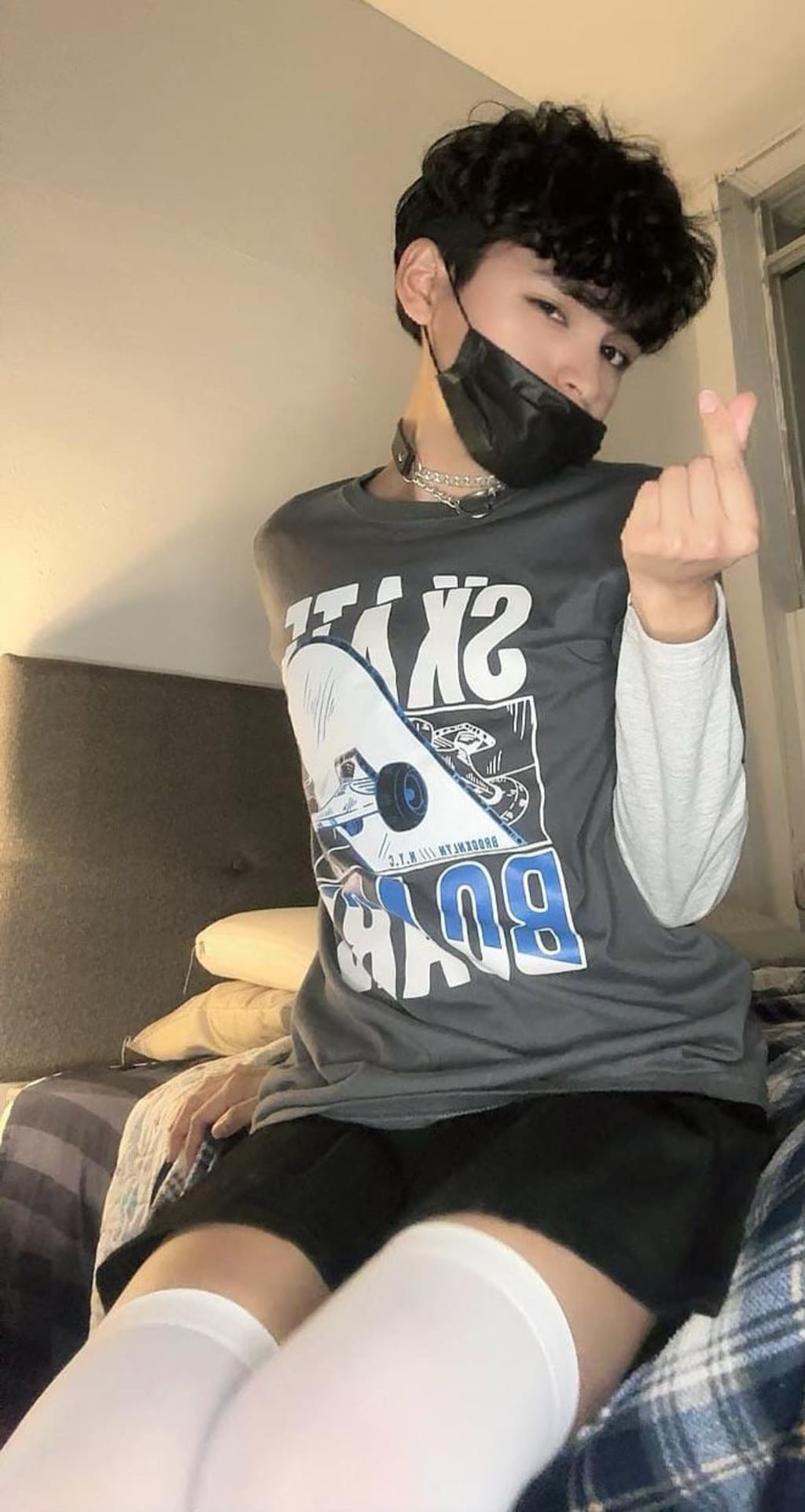
For those within the community, these letters are home. For those outside, they're an invitation to listen, learn, and love more expansively. However you encounter the LGBTQ acronym, remember: behind every letter is a person. And every person deserves to be seen, respected, and celebrated for exactly who they are.
About the Creator
David Femboy
David here. Sharing my authentic femboy journey the outfits, the lessons, the life. For anyone exploring gender expression. Let’s redefine masculinity together. 💖
Enjoyed the story? Support the Creator.
Subscribe for free to receive all their stories in your feed.
Comments
There are no comments for this story
Be the first to respond and start the conversation.