
how do i know you're gay
How Do I Know If You're Gay? Rethinking Assumptions About Sexuality


It's a question that has lingered in the back of countless minds, whispered in school hallways, wondered about at family gatherings, and Googled in the privacy of a bedroom late at night: "How do I know if you're gay?" Whether directed at a celebrity, a coworker, a friend, or even oneself, this question reveals a deep human curiosity about sexuality and identity.
The honest answer, however, might feel unsatisfying at first: You can't know just by looking. But that truth opens the door to a much more important conversation about assumptions, stereotypes, and how we might better understand each other.
Let's explore this question with honesty, nuance, and a commitment to moving beyond outdated ideas.
The Short Answer: You Don't
Let me be direct. There is no reliable way to know someone's sexual orientation just by observing them. Not by the way they dress. Not by the way they talk. Not by their hobbies, their friends, their job, or their favorite music.

Sexuality is internal. It's about attraction, identity, and often deeply personal feelings that someone may or may not choose to share with the world. You cannot see attraction. You cannot measure desire from across a room. The only way to truly know someone's sexual orientation is if they tell you.
That might sound frustratingly simple in a world that craves shortcuts and easy categories. But it's also liberating. It frees us from the exhausting work of trying to decode people based on flimsy clues and allows us to simply ask, listen, and believe.
Why We Think We Can Tell
If there's no reliable way to tell, why do so many of us feel like we can? Why do we trust our "gaydar" so confidently?
The answer lies in stereotypes those cultural shortcuts our brains learn from media, jokes, observation, and assumption. Over time, we absorb the idea that certain traits "signal" queerness. A man with a higher-pitched voice. A woman with short hair and boots. Someone who gestures a certain way or dresses with particular flair.

Here's the truth those stereotypes hide: gay people are as diverse as straight people. There are soft-spoken straight men and boisterous gay men. There are masculine-presenting lesbians and hyper-feminine straight women. There are queer people who love sports and straight people who love musical theater.
The stereotypes we rely on aren't accurate predictors. They're just cultural shorthand that often does more harm than good.
The Harm of Assuming
Thinking we can "tell" who is gay isn't a harmless party trick. It has real consequences.
For straight people: Being assumed gay based on stereotypes can be confusing, embarrassing, or even dangerous. Straight men who don't fit masculine norms have been harassed, bullied, and worse because someone "knew" they were gay. Straight women who prefer practical clothing or short hair face similar scrutiny. The assumption punishes anyone who doesn't conform to rigid gender expectations regardless of their actual sexuality.

For closeted people: When someone is not ready to share their identity, having others "figure it out" can be terrifying. It can force a coming-out before they're prepared, putting them at risk of rejection, violence, or homelessness. For many, the fear of being "read" keeps them constantly on edge, monitoring their own behavior for any sign that might give them away.
For out people: Being reduced to stereotypes is exhausting. Many gay people feel pressure to perform a certain kind of queerness to be "believable," or conversely, to tone down aspects of themselves to avoid assumptions. Either way, their authentic self gets lost in other people's expectations.

For everyone: The assumption that we can "tell" reinforces the false idea that straight is the default, and anything else must be announced by visible "signs." This puts the burden on queer people to prove themselves while straight people get to exist without question.
What Real Research Says
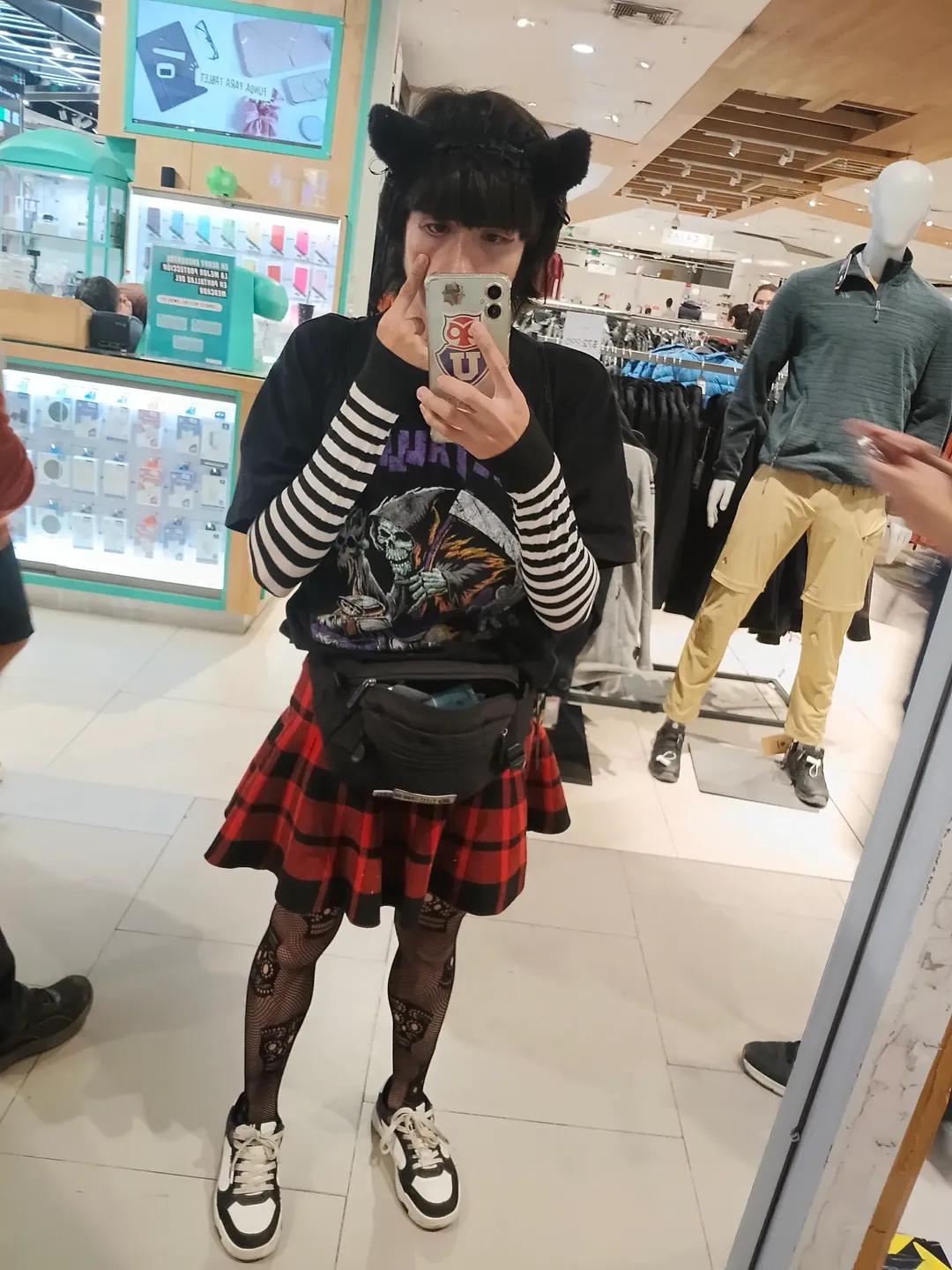
Studies on "gaydar" reveal something fascinating: when people claim to accurately identify gay individuals, they're often just recognizing gender nonconformity people who don't fit traditional masculine or feminine molds. But gender nonconformity is not the same as sexual orientation.
In controlled studies where researchers removed obvious visual cues, people's accuracy at identifying sexual orientation dropped to basically chance levels meaning they were guessing.
Our brains are pattern-matching machines, and they've learned patterns from a culture that often conflates gender expression with sexuality. But those patterns are learned, not innate, and they're often wrong.
What You Can Observe vs. What You Can't
Let's be clear about the difference between observation and assumption.
- You can observe:
- How someone dresses
- How someone speaks
- Who someone spends time with
- What someone posts on social media
- What events someone attends
- You cannot observe:
- Who someone is attracted to
- How someone identifies internally
- Someone's sexual history
- Whether someone is ready to share their identity
- The gap between these two lists is where assumptions live. And assumptions are not knowledge.
The Only Reliable Method: Ask and Listen
If you genuinely need to know someone's sexual orientation and let's be honest, most of the time you don't there's only one respectful approach: create space for them to share if they want to.

This doesn't mean walking up to a coworker and asking, "Are you gay?" That's intrusive and puts someone on the spot. Instead:
Use inclusive language in conversation. Say "partner" instead of "boyfriend" or "girlfriend." Mention that you support LGBTQ+ rights. Signal that you're a safe person to talk to.
Share your own identity if you're comfortable. People often reciprocate when they feel safe.
Wait for them to bring it up. If someone wants you to know, they will tell you in their own time.
The goal isn't to satisfy your curiosity. The goal is to build relationships where people feel safe being themselves whatever that means for them.
What About Yourself?
If you've landed on this article searching for yourself wondering "How do I know if I'm gay?" that's a different but equally important question.
No online quiz, checklist, or article can tell you your sexuality. That's a journey only you can take. But here are some things to consider:

Notice your attractions. Who do you find yourself drawn to? Who appears in your fantasies or daydreams?
Pay attention to feelings, not labels. You don't need to commit to a category right away. Just notice what feels true.
Give yourself time. Sexuality can be fluid, and understanding yourself is a process, not a destination.
Talk to someone. A trusted friend, a counselor, or an LGBTQ+ support group can provide perspective.
Read and learn. Hearing other people's stories can help you recognize your own.
Remember: there's no rush. You don't owe anyone a label, including yourself.
A Better Question
Instead of asking "How do I know if you're gay?" consider asking yourself something more useful: "Why do I need to know?"
Sometimes the answer is innocent curiosity. Sometimes it's attraction you're hoping someone might be available. Sometimes it's judgment you're trying to figure out where someone fits in your mental categories. Sometimes it's just habit a lifetime of being told there are "tells" and "signs."

Whatever your reason, sitting with that question can be illuminating. It might reveal assumptions you didn't know you had or biases you'd rather not carry.
Moving Beyond the Question
The healthiest approach to sexuality other people's and your own is to let go of the need to know.
You don't need to know if your barista is gay. You don't need to know if your coworker is gay. You don't need to know if the person next to you on the bus is gay. These facts don't change how you should treat them: with respect, kindness, and the assumption that their identity is theirs to share or not.
When you stop trying to "tell," something shifts. You stop scanning people for clues. You stop fitting them into categories. You start seeing them as individuals complex, whole, and none of your business unless they choose otherwise.
And that's a much better way to move through the world.
The Bottom Line
"How do I know if you're gay?" is a question rooted in a misunderstanding of what sexuality is and how it works. You can't know by looking. You can't know by listening. You can't know by analyzing someone's Instagram feed or watching how they walk.

The only way to know someone's sexual orientation is if they choose to tell you. And even then, what you know is what they've shared not the full complexity of their inner life.
So here's my suggestion: stop trying to figure people out. Instead, focus on being someone worth confiding in. Be kind. Be curious. Be respectful of boundaries. Create spaces where people feel safe being themselves.
If someone wants you to know who they are, they'll tell you. And if they don't, that's not a gap in your knowledge it's simply not your information to have.
About the Creator
David Femboy
David here. Sharing my authentic femboy journey the outfits, the lessons, the life. For anyone exploring gender expression. Let’s redefine masculinity together. 💖
Enjoyed the story? Support the Creator.
Subscribe for free to receive all their stories in your feed.
Comments
There are no comments for this story
Be the first to respond and start the conversation.