
Am i trans
Am I Trans? A Thoughtful Guide to Understanding Your Gender Identity


Some questions arrive quietly, like a whisper you almost miss. Others demand attention, echoing in your mind during quiet moments, late at night, or in the spaces between daily routines. "Am I trans?" belongs to the second category. It's a question that carries weight, hope, fear, and possibility all at once.
If you're asking yourself this question, you're already on a journey of self-discovery one that requires courage, honesty, and patience. This guide isn't here to tell you who you are. Only you can know that. But it can help you explore your feelings, understand the landscape of gender identity, and find clarity amid the confusion.
Understanding What "Trans" Actually Means
Before exploring whether this identity fits you, let's establish a clear foundation. Transgender (often shortened to "trans") is an umbrella term for people whose gender identity differs from the sex they were assigned at birth.
Let's break that down:
Sex assigned at birth refers to the label usually "male" or "female" that a doctor gives a baby based on physical anatomy.

Gender identity is your deep, internal sense of who you are whether you feel male, female, something else, or a combination.
For cisgender people, their gender identity aligns with their assigned sex. For transgender people, it does not.
- This umbrella includes many specific identities:
- Transgender women (assigned male at birth, identity is female)
- Transgender men (assigned female at birth, identity is male)
- Non-binary people (identity falls outside the male/female binary)
- Genderfluid, agender, bigender, and many others
Being trans isn't about how you dress, what hobbies you enjoy, or who you're attracted to. It's about who you know yourself to be at your core.
Signs You Might Be Trans: Questions to Ask Yourself
No checklist can definitively tell you whether you're trans, but certain patterns of thought and feeling are common among trans people before they come out to themselves. Reflect on these questions honestly:
1. How do you feel about your body?
- Do you feel disconnected from certain parts of your body?
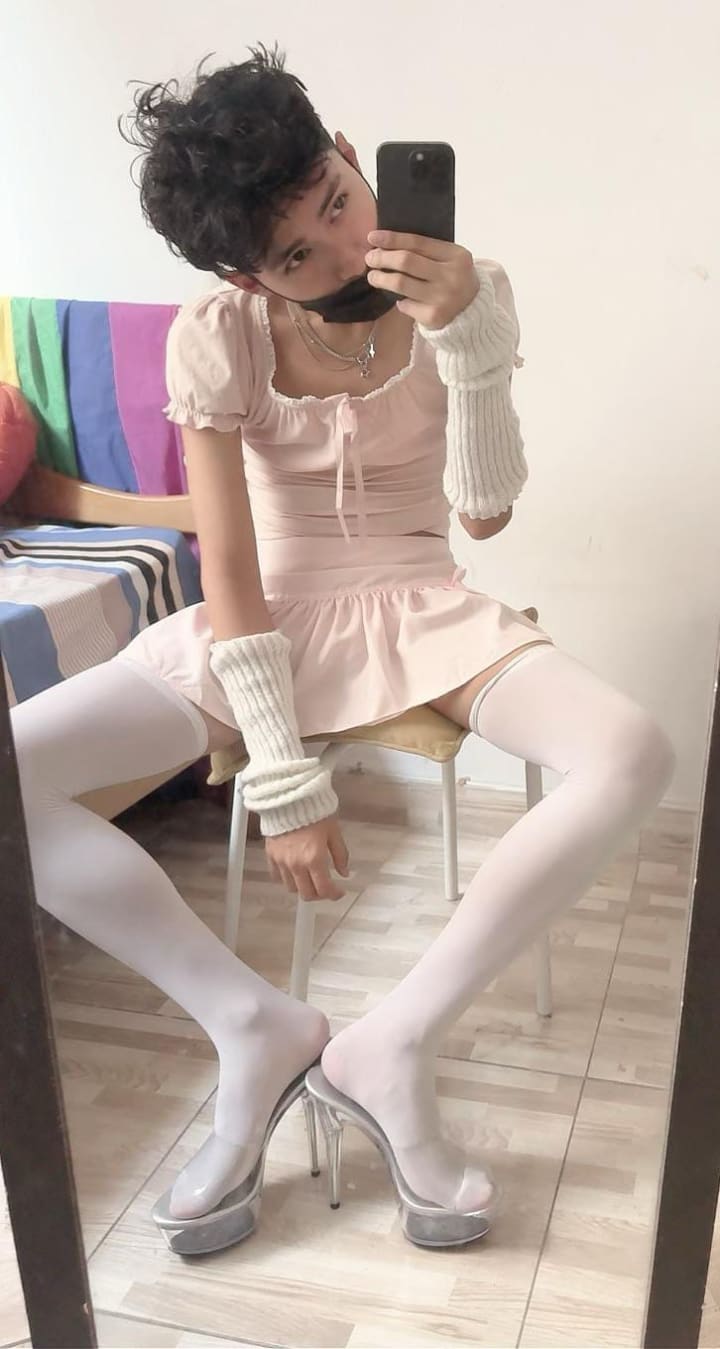
- When you look in the mirror, does the reflection feel like "you" or like someone you're supposed to be?
- Have you ever wished for physical characteristics typical of another gender?
- Do you feel discomfort or distress about puberty-related changes in your body?
Many trans people experience gender dysphoria a sense of unease or distress caused by a mismatch between their body and their gender identity. However, not all trans people experience dysphoria, and the intensity varies greatly.
2. How do you feel about being seen as your assigned gender?
- When someone uses certain pronouns for you (he/him, she/her, they/them), how does it feel?
- Does being called "son," "daughter," "sir," "ma'am," or similar terms feel uncomfortable?
- Do you feel like you're performing a role when you present as your assigned gender?
- Have you ever felt a sense of relief or joy when someone "mistook" you for another gender?
3. What brings you gender euphoria?

- Gender euphoria the joy or relief you feel when your gender is affirmed can be just as revealing as dysphoria.
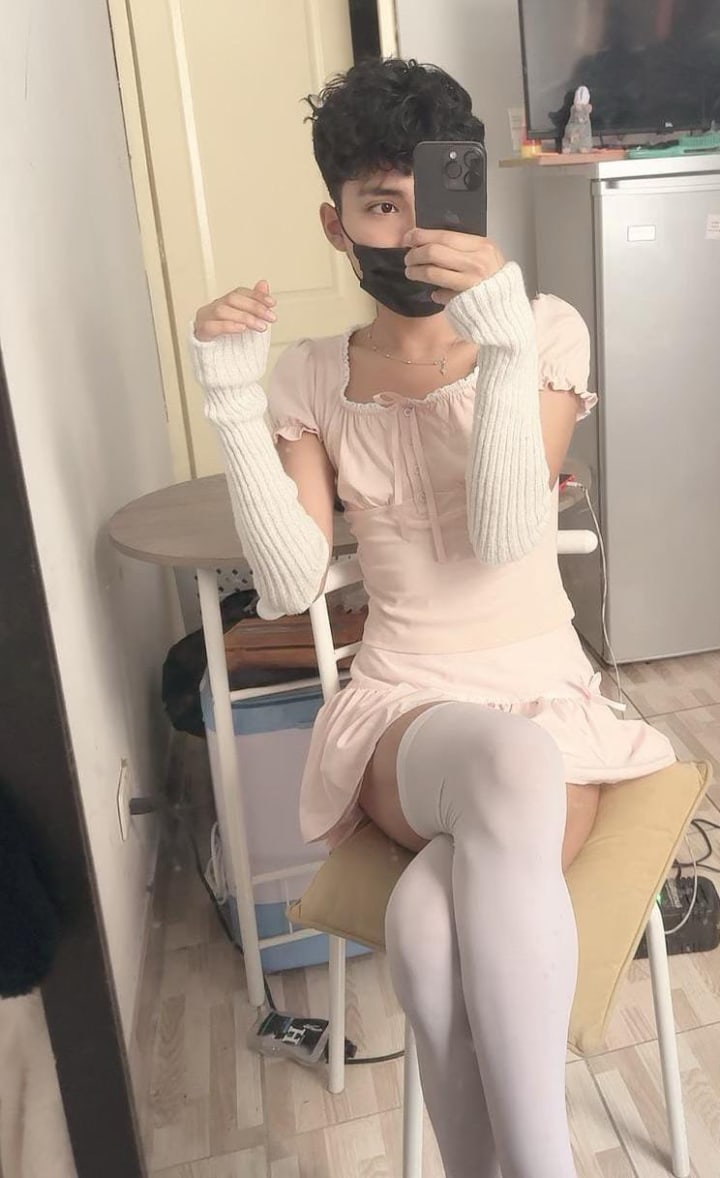
- Have you ever tried dressing differently and felt a surprising sense of rightness?
- Do you feel excited or happy when imagining yourself with different pronouns, a different name, or a different physical appearance?
- Have small moments of gender affirmation (like a stranger using different pronouns or seeing yourself in a filter) felt disproportionately joyful?
4. How long have these feelings existed?
Gender identity isn't typically a fleeting thought. For many trans people, these feelings have been present for years, sometimes since early childhood, even if they weren't fully understood.

Did you feel different as a child without knowing why?
Have you gone through phases of intensely questioning your gender, only to push the thoughts aside?
Do these feelings return consistently, regardless of other life changes?
5. How do you imagine your future?
- Sometimes the present is too cluttered with fear and expectation to see clearly. The future can offer clarity.
- Can you imagine yourself growing older as your assigned gender? How does that feel?
- When you picture yourself in ten, twenty, or fifty years, what gender do you see?
- If you could push a button that would instantly and permanently change your body to match another gender, would you press it?
The Myth of "Not Trans Enough"
One of the most common obstacles to self-acceptance is the fear of not being "trans enough." This fear takes many forms:
- "I don't hate my body, so I can't be trans."
- "I only started feeling this way recently."
- "I don't fit the stereotypes of trans people I've seen."
- "I sometimes feel okay with my assigned gender."
- "I'm not sure which label fits me."
Here's the truth: there is no minimum requirement for being trans. Some trans people experience severe dysphoria from childhood. Others discover their identity later in life with less distress. Some pursue medical transition. Others don't. Some identify strictly as male or female. Others are non-binary.

All of these paths are valid. If your gender identity differs from your assigned sex, you are trans enough.
What If You're Non-Binary?
Many people questioning their gender assume they must choose between "man" and "woman." But gender is far more expansive than that.
Non-binary identities exist outside the strict male/female binary. Some non-binary people feel like a mix of genders. Some feel like neither. Some feel their gender shift over time (genderfluid). Some feel no gender at all (agender).

If the binary doesn't fit you, that doesn't mean you're confused or "not really trans." It means you're discovering a different truth about yourself.
The Role of a Therapist
While self-reflection is valuable, working with a qualified therapist can be transformative. Look for someone who:
- Specializes in gender identity
- Uses an affirming, non-pathologizing approach
- Has experience with the specific questions you're navigating
- A good therapist won't tell you whether you're trans. They'll help you explore your feelings, process fears, and build the self-trust needed to know your own truth.
- What About Medical Transition?
Many people assume that being trans means pursuing hormones or surgery. This isn't accurate. Medical transition is one option, not a requirement.

- Some trans people:
- Transition socially (changing name, pronouns, clothing, and presentation)
- Transition medically (hormone therapy, surgeries, or both)
- Transition in some ways but not others
- Don't transition at all
Each person's journey is unique. You don't have to decide everything at once. Many people start with small, reversible steps trying new pronouns with trusted friends, experimenting with presentation, or exploring their feelings in therapy.
Taking the Next Steps
If you're still unsure, here are practical steps to continue your exploration:
Start a journal. Write about your feelings without judgment. Notice patterns over time.

Find community online. Subreddits like r/asktransgender, r/NonBinary, and r/TransTryouts offer supportive spaces to ask questions and hear others' stories.
Experiment safely. Try different clothing, pronouns, or names in low-stakes environments alone, with trusted friends, or in online spaces.
Read trans narratives. Books, essays, and videos by trans people can help you recognize your own feelings in others' experiences.
Give yourself time. You don't need to have all the answers today. Self-discovery is a process, not an event.
A Note on Fear
Fear is a natural companion to questioning. You might fear rejection from family, loss of relationships, discrimination, or the unknown path ahead. These fears are real and valid.

But don't let fear be the only voice you hear. Alongside fear, listen for hope. Listen for the version of yourself that feels most alive, most authentic, most at home in your own skin. That voice matters too.
Conclusion: The Answer Is Yours
No article, quiz, or well-meaning friend can tell you whether you're trans. That knowledge lives inside you, sometimes buried beneath layers of fear, shame, and expectation.
But here's what I can tell you: asking the question is significant. Cisgender people rarely spend months or years questioning their gender. If you're here, reading this, searching for answers, that means something.

Trust yourself. Trust your feelings. Trust that you will find your way, even if the path isn't straight or simple.
Whether you ultimately identify as trans, non-binary, or cisgender, the journey of honest self-exploration will bring you closer to the most important truth of all: who you really are. And that's always worth the effort.
About the Creator
David Femboy
David here. Sharing my authentic femboy journey the outfits, the lessons, the life. For anyone exploring gender expression. Let’s redefine masculinity together. 💖
Enjoyed the story? Support the Creator.
Subscribe for free to receive all their stories in your feed.
Comments
There are no comments for this story
Be the first to respond and start the conversation.