fish
The fact that fish live only in the water make them different from all other animals.
Wikie and Keijo Are Running Out of Time: France and Spain Must Clarify Their Plans Before December
Wikie and Keijo, two killer whales who were born under human care, currently live at the former Marineland Antibes in France. While it is true that animal protection laws in France will prohibit keeping cetaceans under human care from December 2026, the exact wording of the new law and the date of its enactment. Possible exceptions must be confirmed.
By Jenna Deedy21 days ago in Petlife
The Role of Koi Fish in Feng Shui Design
In the fast-paced world of 2026, creating a home environment that promotes peace, mental clarity, and financial growth has become a top priority for families and professionals. While there are countless interior design styles available, ancient philosophies like Feng Shui provide valuable guidance on arranging our living spaces to harmonize with the natural energy or "Chi" around us. Among the symbols used in Feng Shui to attract good fortune, none are more vibrant or respected than the iconic Koi fish.
By Mike Savage New Canaan4 months ago in Petlife
CLOWNFISH JOURNEY UNVEILED
The Egg Stage: A Tiny Beginning The life of a clownfish starts as a tiny egg, usually laid on a flat surface near a sea anemone, which will later provide protection and shelter. Clownfish are known for their unique reproductive behavior. The female lays hundreds of eggs, often within the safety of the sea anemone's tentacles. The male clownfish then fertilizes them and takes on the role of protecting the eggs. He vigorously guards them from predators and keeps them oxygenated by fluttering his fins over them. The eggs are orange in color, matching the clownfish's vibrant hue, and can be clearly seen as they develop. Over the course of about six to seven days, the eggs undergo a fascinating transformation, with the larvae slowly developing into tiny clownfish. The Larvae Stage: Drifting in the Ocean Once the clownfish eggs hatch, the larvae are released into the ocean, where they will begin a remarkable journey. These larvae are microscopic, drifting in the open water, carried by ocean currents. For about 10 days, the clownfish larvae remain in the planktonic phase, relying on the ocean's currents for movement and nutrition. During this stage, the tiny clownfish are highly vulnerable to predators. However, the larvae possess a remarkable instinct to seek out anemones, which offer them shelter and protection from the dangers of the open ocean. As the larvae mature, they begin to develop the distinctive orange color and black stripes that will define their adult appearance. The Settlement Stage: A Home Found After surviving the planktonic stage, the clownfish larvae eventually find a suitable sea anemone to call home. This marks the beginning of their juvenile stage. This transition is critical for the young clownfish, as they must form a mutualistic relationship with the sea anemone, a process that provides them with shelter and protection from predators. In return, the clownfish help clean the anemone by removing parasites and debris. Additionally, the clownfish's movements and waste products provide nutrients to the anemone, creating a mutually beneficial relationship. It's this partnership that will serve as the foundation of the clownfish's life moving forward. The Adult Stage: A Vibrant Reef Resident As the clownfish matures, it adopts a more permanent residence within its sea anemone host. The adult clownfish becomes highly territorial, defending its anemone against intruders. The colors of the clownfish become more vibrant, and it becomes more confident in its movements. The clownfish's body is adapted to living among the venomous tentacles of the sea anemone, thanks to a special layer of mucus that prevents the sting from affecting them. This adaptation is essential for their survival in an environment that is otherwise dangerous for most other species. As adults, clownfish continue their symbiotic relationship with the anemone, and their role in the ecosystem as both predator and prey becomes increasingly important. Reproduction and the Next Generation Clownfish reach maturity at around one year of age. In a group, there is typically a dominant female and a mate, with smaller males filling supporting roles. If the dominant female is removed, the male will transition into the female role, and a new male will take her place. When it's time to reproduce, the female will lay her eggs, and the cycle begins again. The male continues to care for the eggs, ensuring their survival. This repetitive cycle ensures the ongoing survival of clownfish populations, as each new generation adapts to the ever-changing dynamics of the coral reef ecosystem. From their humble beginnings as tiny eggs to their vibrant adulthood, clownfish have a life cycle that is both fascinating and vital to the health of coral reef ecosystems. Their unique relationship with sea anemones highlights nature's ability to create symbiotic bonds that support the survival of both species. By protecting these tiny ocean stars and their habitats, we ensure the continuation of this remarkable journey for future generations of clownfish. The life cycle of a clownfish is a testament to the resilience of nature and the importance of each stage in the intricate web of ocean life!
By Muhammad Talha4 months ago in Petlife
Fish and Aquarium Supplies: Everything You Need for a Healthy and Beautiful Aquarium
Fish and Aquarium Supplies: Everything You Need for a Healthy and Beautiful Aquarium Aquariums are more than glass tanks filled with water. They are tiny underwater worlds that bring life, color, calmness, and personality into your home. Whether you are keeping a few goldfish in a beginner tank or building a stunning aquascape with exotic tropical fish, the right fish and aquarium supplies make all the difference. A well-maintained aquarium can feel like a moving painting in your living room, while a poorly managed setup can quickly become stressful for both the fish and the owner.
By Thomas Muller4 months ago in Petlife
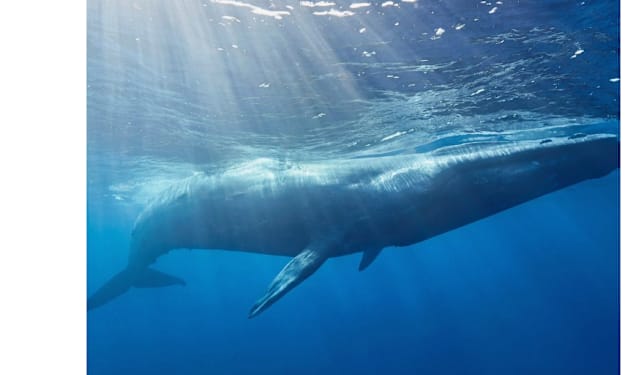
After almost going extinct, blue whales are gradually making a comeback to African waters.
Despite being the largest mammals ever discovered, scientists have only seen 12 blue whales in over 60 years off the west coast of Namibia and South Africa. The figure seems concerning. However, the majority of those sightings occurred after 2012, which gives scientists optimism that, following decades of commercial whaling, blue whales may be gradually making a comeback.
By Francis Dami5 months ago in Petlife
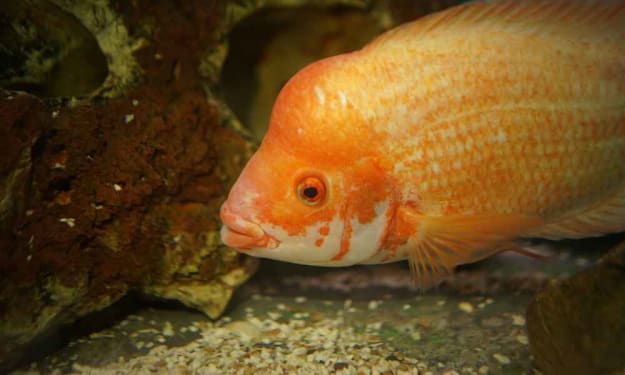
Peacock Cichlids: Complete Guide to Care, Types, Tank Setup, and Behavior
Peacock cichlids have vibrant colors, are very active and offer a variety of beautiful types which make them a very popular freshwater aquarium fish. The fish are members of the Aulonocara and are popular fish for both beginners and experienced aquarists and are native to Lake Malawi in East Africa.
By kenna brouke5 months ago in Petlife
Dreaming of Fish:Dream Interpretation and Lucky Numbers According to Folklore
However, each situation in a dream carries a different meaning. Some dreams foretell good fortune, while others serve as warnings. In addition, many people are interested in the corresponding dream numbers for reference, according to folk beliefs.
By Sports Update 5 months ago in Petlife
Stop Buying Koi Fish Until You Read This
There’s something magical about watching koi glide through water. The colors, the calm, the quiet beauty—it pulls you in. But here’s the truth most people don’t realize until it’s too late: buying koi fish without the right knowledge often leads to disappointment, stressed fish, and a pond that never quite works.
By The Fish Works6 months ago in Petlife
Sink or Swim
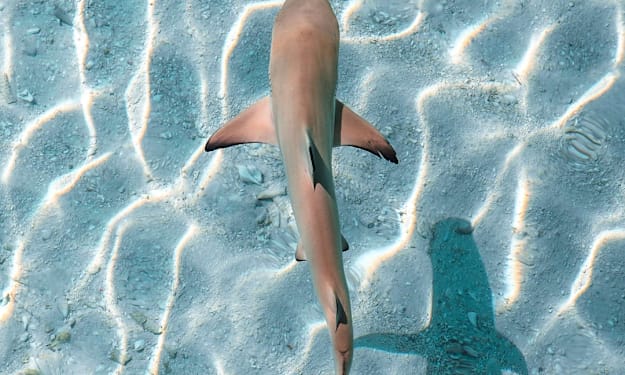
We've all heard the phrase "sink or swim" – a saying that emphasizes the importance of action in stressful situations. But what if this phrase was inspired by sharks? Most of us have been led to believe that sharks must swim constantly or risk dying.However, the truth is more complicated than this popular myth. In fact, not all sharks are created equal when it comes to the need for continuous swimming. Sharks are fascinating creatures, and their need for constant swimming is related to two key factors: buoyancy and respiration. 1. Buoyancy :- Unlike bony fish that use a swim bladder to regulate buoyancy, sharks are cartilaginous fish. They lack this gas-filled structure and instead rely on their large pectoral fins and fatty livers to help them maintain their position in the water. While this method allows them to rise and sink freely over a range of depths, it requires constant swimming to maintain balance. Without this motion, they would struggle to stay afloat. 2. Respiration :- For many sharks, swimming is vital to ensure a steady flow of water over their gills, enabling them to absorb oxygen. This group of sharks, known as obligate ram ventilators, includes powerful species like the Great White, Mako, and Bull Sharks. These species are unable to breathe effectively unless they are swimming, as they rely on the forward motion to force water through their gills. Can Sharks Sleep While Swimming? With their need to keep moving, it's no surprise that scientists have long believed sharks never truly sleep. However, this assumption was challenged in the 1960s when Mexican diver Ramón Bravo discovered a group of sharks that appeared to sleep in an underwater cave. The cave, located off the coast of Isla Mujeres, was thought to have a current of fresh, oxygenated water that allowed sharks to remain still while still ventilating their gills. While it was previously believed that sharks could not rest, recent research has opened up new possibilities. Some scientists now suggest that sharks may engage in "restful swimming" or use their spinal cord to keep them moving while their brain gets a chance to rest. Though we have yet to fully understand the mystery of shark sleep, it seems sharks can rest in their own unique way. The Evolutionary Benefits of Shark Adaptations :- Sharks' need for constant swimming isn't just a survival tactic—it's also a testament to their evolutionary success. While they lack swim bladders like other fish, this adaptation allows them to navigate a wide range of depths. The ability to freely rise and fall in the water column offers them more flexibility compared to bony fish. Additionally, their specialized method of respiration through ram ventilation allows them to thrive in different environments. However, this constant motion does come with a cost: sharks are energy-intensive swimmers. But this trade-off also gives them unique advantages in the ocean's vast depths. Bonus Facts :- 1. Sharks' ability to survive in both saltwater and freshwater is another remarkable feat. The Bull Shark, for example, can tolerate freshwater and has been found in rivers and lakes around the world, from the Amazon to the Potomac. 2. Shark skin is covered with tiny tooth-like structures called denticles, which reduce drag and increase swimming efficiency. This unique texture has inspired technological innovations, like the Speedo Fastskin swimsuit worn by Olympic swimmers. 3. Unlike most fish, sharks can regulate their body temperature through a network of blood vessels called the rete mirabile, allowing them to stay warmer than their surrounding environment. Conclusion :- The phrase "sink or swim" may have originated from human experiences, but it certainly captures something about sharks' existence. For some sharks, swimming is not just a matter of survival but an evolutionary trait that allows them to move freely in the ocean's depths. While not all sharks need to swim constantly to survive, the myth of the "sink or swim" shark remains grounded in a truth about nature's resilience. So, next time someone says you have to to "sink or swim," remember—you might just be as adaptable as a shark.
By Muhammad Talha6 months ago in Petlife
Can Cats Eat Without Teeth? Care Tips Every Owner Needs
Many cat owners worry when their feline companion loses teeth, whether due to age, dental disease, or injury. A common question that arises is: can cats eat without teeth? The good news is that cats are incredibly adaptable animals. Even without teeth, they can still eat, thrive, and live a comfortable life with proper care and diet adjustments.
By Web2.0 Backlinks6 months ago in Petlife
What Are Peacock Cichlid Types? Complete Guide to Varieties, Colors & Care
Peacock cichlid types are different species and color variants of Aulonocara fish from Lake Malawi, known for their vibrant colors and unique patterns. They are popular because they add stunning visual appeal to aquariums and are relatively easier to manage than aggressive cichlids.
By kenna brouke6 months ago in Petlife
What Is the Best Tropical Fish Food for Healthy and Happy Fish?
Feeding tropical fish might seem simple at first, but it plays a much bigger role than just keeping them alive. The right tropical fish food directly affects their color, growth, behavior, and overall health. Whether you’re new to fishkeeping or have years of experience, understanding what to feed your fish can make a noticeable difference in how your aquarium looks and functions.
By The Fish Works7 months ago in Petlife