
Fish and Aquarium Supplies: Everything You Need for a Healthy and Beautiful Aquarium
Read this blog to know - Fish and Aquarium Supplies: Everything You Need for a Healthy and Beautiful Aquarium

Fish and Aquarium Supplies: Everything You Need for a Healthy and Beautiful Aquarium
Aquariums are more than glass tanks filled with water. They are tiny underwater worlds that bring life, color, calmness, and personality into your home. Whether you are keeping a few goldfish in a beginner tank or building a stunning aquascape with exotic tropical fish, the right fish and aquarium supplies make all the difference. A well-maintained aquarium can feel like a moving painting in your living room, while a poorly managed setup can quickly become stressful for both the fish and the owner.
The aquarium hobby has evolved rapidly in recent years. Modern hobbyists are focusing on natural aquascapes, smart aquarium systems, minimalist designs, and sustainable fishkeeping practices. Beginner-friendly fishkeeping is also growing because affordable LED lighting, compact filtration systems, and easy-care aquatic plants have made aquarium keeping more accessible than ever.
Why Aquarium Supplies Matter
Imagine trying to live in a house without clean air, proper lighting, or a stable temperature. Fish feel the same way about their aquatic environment. The right aquarium supplies are not luxury items; they are essential tools that help create a healthy ecosystem. Every filter, heater, light, and water conditioner plays a role in supporting aquatic life. When aquarium owners skip quality fish supplies, fish often experience stress, illness, poor growth, and shortened lifespans.
Aquarium equipment also helps replicate natural habitats. Tropical fish from warm rivers need stable temperatures, while saltwater species require highly controlled water chemistry. Without the proper setup, even the most beautiful fish can struggle to survive. Think of aquarium supplies as the life-support system of an underwater city. If one part stops working, the entire environment can become unstable very quickly.
Beyond fish health, aquarium supplies influence the overall visual appeal of the tank. Crystal-clear water, vibrant LED lighting, and natural decorations transform an ordinary aquarium into a breathtaking centerpiece. Many people keep aquariums because watching fish swim peacefully can reduce stress and create a calming atmosphere. A properly equipped aquarium becomes both a relaxing hobby and a beautiful home decoration.
Essential Aquarium Supplies for Beginners
Starting an aquarium can feel overwhelming at first because there are so many products available. Walking into a fish store often feels like entering a miniature underwater laboratory filled with gadgets, chemicals, and equipment. The good news is that beginners only need a few essential supplies to build a healthy aquarium setup.
Aquarium Tank
The aquarium tank is the foundation of your entire setup. Choosing the right size is incredibly important because larger tanks are usually easier to maintain than smaller ones. Many beginners think small tanks are simpler, but tiny aquariums can experience sudden water quality changes that stress fish quickly. A tank between 20 and 75 liters is often ideal for beginners because it offers stability while remaining manageable.
Glass aquariums are durable, scratch-resistant, and commonly used in homes, while acrylic tanks are lighter and more impact-resistant. The shape of the aquarium also matters. Long rectangular tanks provide better swimming space and oxygen exchange compared to tall tanks. Before adding fish, owners should carefully plan the location of the aquarium because moving a filled tank later can be difficult and risky.
Filtration System
Filters are the unsung heroes of the aquarium world. They quietly work behind the scenes to remove waste, improve oxygen levels, and maintain water quality. Without a good filter, harmful toxins like ammonia and nitrite can quickly build up and become deadly for fish.
There are three main types of filtration: mechanical, biological, and chemical filtration. Mechanical filtration removes visible debris, biological filtration supports beneficial bacteria that break down toxins, and chemical filtration removes impurities from the water. Most modern aquarium filters combine all three systems into one compact unit.
For beginners, hang-on-back filters and sponge filters are excellent choices because they are easy to maintain and reliable. Canister filters are more powerful and suitable for larger aquariums or advanced aquascapes. Choosing the right filter depends on tank size, fish species, and maintenance preferences.
Heater and Thermometer
Many aquarium fish come from tropical environments where water temperatures remain warm year-round. A heater helps maintain a stable temperature, preventing dangerous fluctuations that can weaken fish immune systems. Stable temperatures are especially important for species like bettas, tetras, guppies, and angelfish.
A thermometer is equally important because it allows owners to monitor water conditions accurately. Digital thermometers provide precise readings, while stick-on thermometers are affordable and easy to use. Most tropical freshwater aquariums are maintained between 24°C and 27°C.
Temperature swings may seem harmless, but they can stress fish significantly. It is similar to humans constantly moving between freezing cold and intense heat throughout the day. Stable conditions help fish remain active, healthy, and comfortable.
Lighting Equipment
Aquarium lighting does much more than illuminate the tank. Proper lighting supports plant growth, enhances fish colors, and creates a natural day-and-night cycle. LED lights have become extremely popular because they are energy-efficient, long-lasting, and customizable.
Modern aquarium lighting systems can simulate sunrise and sunset effects, creating a more realistic environment for fish. Planted aquariums often require stronger lighting to support healthy plant growth. Poor lighting can lead to algae problems, dull fish colors, and unhealthy aquatic plants.
Many hobbyists use lighting creatively to highlight aquascapes and decorations. A beautifully lit aquarium can transform an ordinary room into a peaceful underwater sanctuary.
Understanding Aquarium Water Quality
Water quality is the heart of successful fishkeeping. Even the best aquarium decorations and expensive fish species cannot survive in unhealthy water. Maintaining proper water conditions is one of the most important responsibilities for aquarium owners.
Fish constantly produce waste, leftover food decays, and harmful toxins accumulate over time. Beneficial bacteria living inside the filter help break down these toxins, but the process requires balance and regular maintenance. New aquarium owners often struggle with the nitrogen cycle because it takes time for beneficial bacteria to establish themselves properly.
Water testing kits help monitor important parameters like ammonia, nitrite, nitrate, pH, and hardness. These tests act like health checkups for the aquarium. Catching water quality issues early can prevent fish stress, disease outbreaks, and sudden deaths.
Water conditioners are another essential supply because tap water often contains chlorine and chloramine that can harm fish. Conditioners neutralize harmful chemicals instantly, making water safe for aquatic life. Some advanced conditioners also detoxify ammonia temporarily during emergencies.
Consistency matters more than perfection in aquarium keeping. Stable water conditions create healthier fish than constantly changing parameters. Regular water changes, proper feeding habits, and filter maintenance work together to maintain a thriving aquarium ecosystem.
Best Fish Species for Home Aquariums
Choosing the right fish species is one of the most exciting parts of aquarium keeping. Some fish are peaceful community swimmers, while others are aggressive territorial predators. Understanding fish behavior and compatibility helps prevent stress and conflicts inside the aquarium.
Freshwater Fish
Freshwater aquariums are the most popular choice for beginners because they are easier and more affordable to maintain. Species like guppies, neon tetras, mollies, platies, and zebra danios are hardy, colorful, and beginner-friendly.
Betta fish remain one of the most popular aquarium fish worldwide due to their vibrant colors and flowing fins. Corydoras catfish are excellent bottom dwellers that help clean leftover food, while angelfish add elegance and personality to larger aquariums.
Goldfish are often misunderstood because many people keep them in tiny bowls. In reality, goldfish require spacious aquariums with strong filtration due to their high waste production. Proper care allows them to live surprisingly long lives.
Saltwater Fish
Saltwater aquariums are more challenging but incredibly rewarding. Marine tanks often contain stunning fish species like clownfish, tangs, gobies, and wrasses. Coral reef aquariums create breathtaking underwater landscapes filled with vibrant colors and movement.
Saltwater systems require additional supplies like protein skimmers, marine salt mixes, and specialized lighting. Water chemistry must remain extremely stable because marine fish are sensitive to fluctuations.
Many hobbyists describe reef aquariums as living works of art. Watching corals sway in the current while colorful fish swim through the rocks creates a mesmerizing experience unlike any other pet hobby.
Aquarium Decorations and Aquascaping
Aquascaping has become one of the fastest-growing trends in the aquarium world. Instead of simply placing decorations randomly, hobbyists now design aquariums like underwater gardens or miniature natural landscapes.
Natural aquascaping uses rocks, driftwood, aquatic plants, and sand to recreate rivers, forests, or mountain-inspired underwater scenes. Minimalist aquariums with clean layouts and carefully selected decorations are especially popular in modern homes.
Driftwood adds texture and provides hiding places for fish, while live plants improve water quality by absorbing excess nutrients. Popular aquarium plants include Java fern, Anubias, Amazon swords, and carpeting plants like Monte Carlo.
Aquascaping combines creativity with biology. Building a balanced aquascape feels similar to painting a living picture that constantly evolves over time. Fish also benefit from natural decorations because they reduce stress and encourage natural behavior.
Fish Food and Nutrition
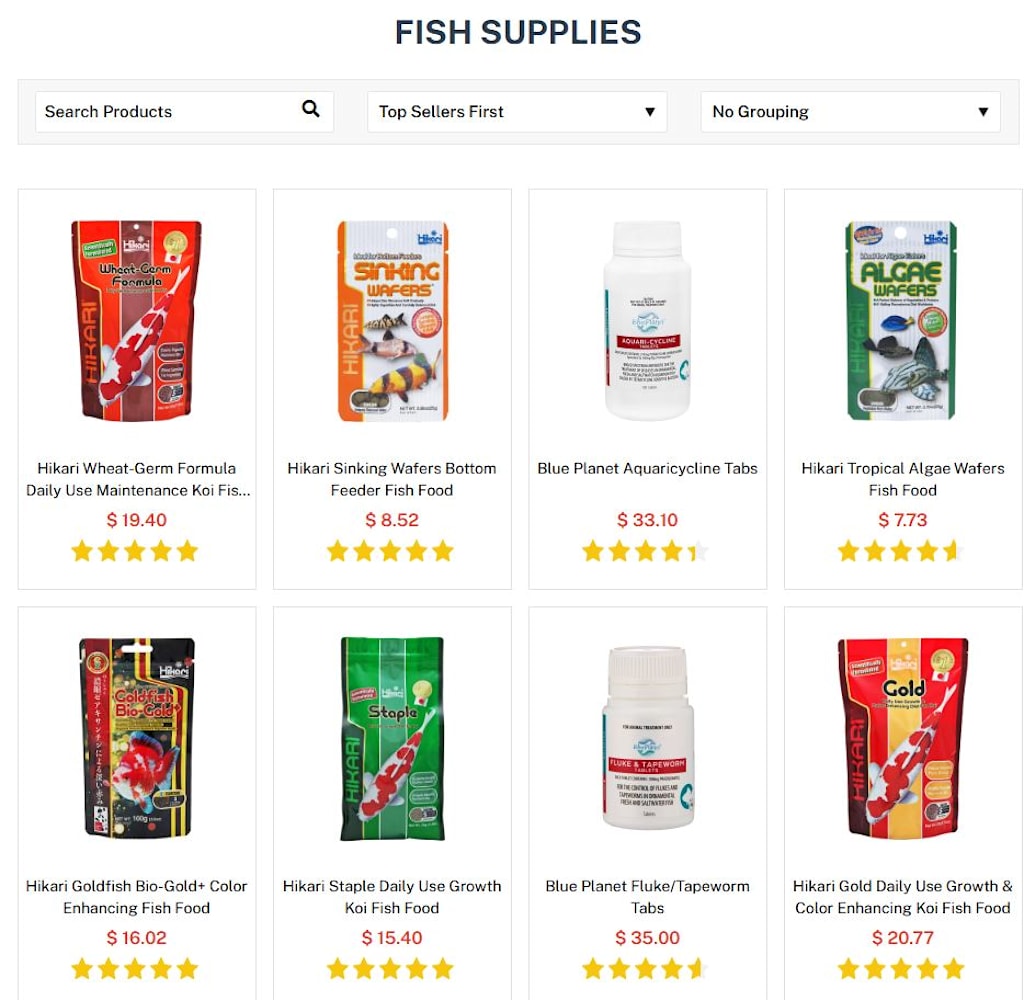
Fish nutrition is often overlooked, but diet plays a massive role in fish health, growth, and coloration. Feeding low-quality food is like humans surviving entirely on junk food. Fish may survive, but they will not thrive.
There are many types of fish food available today, including flakes, pellets, frozen foods, freeze-dried treats, and live foods. Different fish species have different dietary requirements. Herbivorous fish need plant-based diets, while carnivorous species require protein-rich foods.
Overfeeding is one of the most common mistakes aquarium owners make. Uneaten food pollutes the water and increases toxin levels. A good rule is to feed only what fish can consume within a few minutes.
Variety is important because diverse diets improve fish health and immune function. High-quality foods also enhance fish colors naturally, making aquariums look more vibrant and attractive.
Aquarium Maintenance Tools
Aquarium maintenance becomes much easier with the right tools. Regular cleaning helps maintain water quality and keeps the aquarium visually appealing.
Gravel vacuums remove debris trapped inside the substrate during water changes. Algae scrapers help clean aquarium glass without scratching the surface. Fish nets, cleaning brushes, and water siphons are also useful for routine maintenance.
Automatic fish feeders have become popular among busy aquarium owners because they provide consistent feeding schedules. Smart monitoring devices can even track temperature and water parameters through smartphone apps.
Maintenance may sound like work, but many hobbyists find it relaxing and rewarding. Caring for an aquarium creates a sense of responsibility while providing a peaceful escape from daily stress.
Common Mistakes Aquarium Owners Make
Even experienced fishkeepers make mistakes occasionally. One of the biggest problems is overstocking the aquarium. Too many fish create excessive waste, increase aggression, and reduce oxygen levels.
Skipping water changes is another major issue. Clean-looking water does not always mean healthy water. Harmful toxins can accumulate invisibly over time, slowly harming fish.
Many beginners also add fish too quickly before the aquarium cycle is fully established. Patience is critical in fishkeeping because rushing the process often leads to unstable water conditions and fish losses.
Choosing incompatible fish species can also create problems. Researching fish behavior, tank size requirements, and compatibility helps prevent stress and aggression inside the aquarium.
Smart Aquarium Technology in 2026
Technology is transforming aquarium keeping in fascinating ways. Smart aquarium systems now include automated lighting schedules, app-controlled feeders, Wi-Fi monitoring systems, and even AI-powered water quality alerts.
Some advanced aquariums can automatically adjust lighting intensity based on plant needs or simulate natural weather patterns like thunderstorms and cloudy days. Automated dosing systems maintain stable water chemistry in reef aquariums with minimal manual effort.
These innovations make aquarium care easier for beginners while helping experienced hobbyists achieve more precise control. Smart technology also reduces maintenance stress, allowing owners to spend more time enjoying their aquariums instead of constantly managing equipment.
Conclusion
Fishkeeping is a rewarding hobby that combines science, creativity, relaxation, and responsibility. The right fish and aquarium supplies create a stable environment where aquatic life can thrive naturally. From filters and heaters to lighting systems and aquascaping tools, every piece of equipment contributes to the overall health and beauty of the aquarium.
A well-maintained aquarium becomes more than a decorative object. It becomes a peaceful underwater ecosystem filled with movement, color, and life. Watching fish glide through crystal-clear water can feel incredibly calming after a stressful day, almost like having a small slice of nature inside your home.
Whether you are a beginner starting your first freshwater tank or an advanced hobbyist building a reef masterpiece, investing in quality aquarium supplies helps ensure long-term success. Patience, consistency, and proper care are the true secrets behind every thriving aquarium.
FAQs
1. What are the most important aquarium supplies for beginners?
The most essential supplies include an aquarium tank, filter, heater, thermometer, lighting system, water conditioner, and fish food. These items help create a safe and stable environment for fish.
2. How often should aquarium water be changed?
Most freshwater aquariums benefit from weekly water changes of around 20% to 30%. The exact schedule depends on tank size, fish population, and filtration quality.
3. Are live plants better than artificial plants in aquariums?
Live plants provide natural filtration, oxygen production, and hiding places for fish. Artificial plants are easier to maintain but do not offer the same biological benefits.
4. What is the best fish species for beginners?
Guppies, mollies, neon tetras, zebra danios, and betta fish are popular beginner-friendly species because they are hardy and relatively easy to care for.
5. Why is my aquarium water turning green?
Green water is usually caused by excess algae growth due to too much light, overfeeding, or high nutrient levels. Reducing light exposure and improving maintenance can help fix the issue.
About the Creator
Thomas Muller
VetSupply is a leading online pet store in Australia with a comprehensive range of products that cater to all your pet care needs.
Enjoyed the story? Support the Creator.
Subscribe for free to receive all their stories in your feed.
Comments
There are no comments for this story
Be the first to respond and start the conversation.