
After almost going extinct, blue whales are gradually making a comeback to African waters.
Seldom seen whales

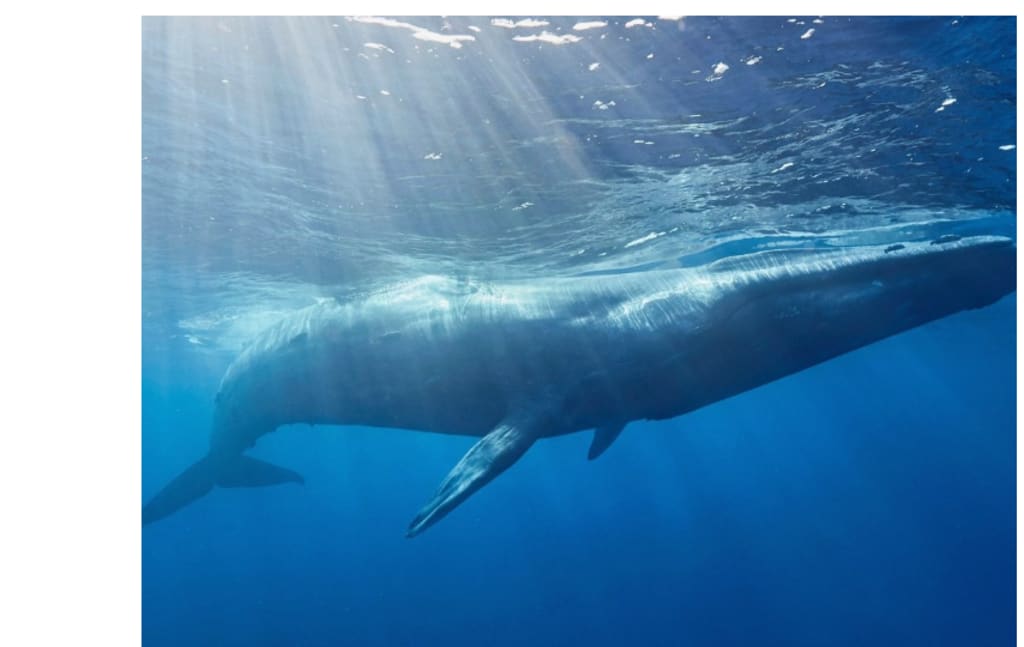
Despite being the largest mammals ever discovered, scientists have only seen 12 blue whales in over 60 years off the west coast of Namibia and South Africa. The figure seems concerning. However, the majority of those sightings occurred after 2012, which gives scientists optimism that, following decades of commercial whaling, blue whales may be gradually making a comeback.
Seldom seen whales
Between 1964 and March 2024, verified whale records were collected for the project. Researchers looked at published observations, sightings, and strandings along the Atlantic coast of Namibia and South Africa.
Twelve blue whale sightings, one blue whale stranding, and five more published reports were discovered by the researchers. Additionally, they recorded six strandings and 76 fin whale sightings. Approximately 95% of verified observations occurred after 2012. Researchers saw very little for decades. Then sightings started to happen more frequently.
Whales are drawn to rich ocean waters.
The Benguela Current system, a frigid and nutrient-rich oceanic stretch that runs around southwest Africa, is the focal point of this investigation. There, nutrients that sustain dense marine life are carried by deep ocean water as it rises toward the surface.
Blue whales and fin whales may have once been highly dependent on this habitat, according to historical whaling records. Scientists speculate that moms may have nursed calves in the southeast Atlantic as a nursery location. Researchers may be monitoring the early phases of recovery if whales are returning to their former feeding or breeding sites.
Oceans were altered by whaling
Globally, commercial whaling operations killed an estimated 725,000 fin whales and 350,000 blue whales between 1913 and 1978. Catastrophic losses befell blue whales. Only approximately 3% of Antarctic blue whales remain today compared to their pre-whaling population.
Fin whale populations have somewhat improved, returning to more than 30% of historical levels. For animals this size, recovery proceeds slowly. In order to survive, blue whales need vast feeding areas and reproduce slowly.
Scientists predict population increase of only 5 to 8 percent annually, even in the best of circumstances. This implies that rather than taking decades, recuperation takes place over generations.
Seasonally, blue and fin whales return.
The two whale species differed from one another, according to the study. The majority of blue whale sightings occurred between late spring and autumn, indicating seasonal use of the area. Every month of the year saw the appearance of fin whales. These days, neither species is widespread in the region. However, the sightings indicate that these waterways are still important to them.
Positive indications of healing
The principal author of the study is Dr. Bridget James of the University of Cape Town's Centre for Statistics in Ecology, Environment, and Conservation. "Our findings offer crucial proof that these ocean giants are gradually recuperating from the catastrophic effects of commercial whaling in the 20th century, which drove them to the verge of extinction," she stated.
"Sightings are still uncommon, but they are increasing in frequency compared to earlier decades—and with continued protection, there is reason to believe this recovery can continue."
She also emphasised the lack of prior knowledge that scientists had on the presence of whales in the area. "The southeast Atlantic may have once been an important nursery area for both blue and fin whales, according to historical whaling data," Dr. James "However, there hasn't been much comprehensive data on their more recent presence in this area until now."
Increased surveillance could impact sightings
There is a significant restriction to the study. Rather than a sharp increase in whale populations, some recent sightings might be the result of greater observation. These days, offshore seismic survey vessels that are looking for oil and gas employ marine animal observers.
Much fewer skilled observers kept an eye on these seas decades ago. Because of this, it is challenging to distinguish between enhanced detection and actual population growth.
Whales are still under danger in today's oceans.
Compared to the harpoon fleets of the past, modern waters provide a distinct set of risks. Whales are struck by ships in crowded maritime lanes. They can be caught by fishing gear. Communication is hampered by underwater noise. Marine ecosystems are still changing due to climate change.
Dr. Simon Elwen, a co-author of the study, stated, "We would expect to see these whales begin reoccupying parts of their historical range as populations slowly rebuild." "Although increased offshore observation efforts may also contribute, the increase in sightings and strandings is consistent with this gradual recovery."
"They show resilience, but it's important to note that both species are still susceptible to contemporary human pressures and that, despite over 50 years of recovery since the end of commercial whaling, we were only able to gather 12 records of blue whales off our coast!"
A delicate healing process
Researchers say better monitoring could help scientists understand whether whale numbers are truly increasing. One promising method involves underwater listening devices that detect whale calls across huge distances.
The story unfolding along the Benguela coast is neither simple triumph nor total tragedy. The whales survived industrial hunting that nearly erased them from Earth. Now, small signs suggest they may be reclaiming parts of their old range. But the process remains fragile, incomplete, and painfully slow.
About the Creator
Enjoyed the story? Support the Creator.
Subscribe for free to receive all their stories in your feed.
Comments
There are no comments for this story
Be the first to respond and start the conversation.