
What Is Cryptocurrency: Risks vs Rewards Explained
Introduction: A Snapshot of Cryptocurrency

Cryptocurrency represents a form of digital currency, leveraging advanced cryptography to secure and verify transactions, all while operating independently from any central authority, like central banks. This digital currency exists solely in electronic form. Leading cryptocurrencies, including Bitcoin and Ethereum, are powered by blockchain technology — a decentralized network that meticulously records transactions in a public ledger.
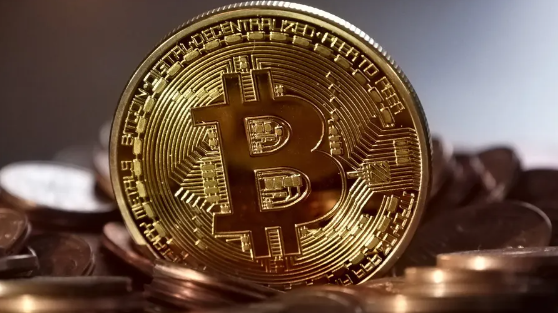
This public ledger, better known as the blockchain, guarantees the integrity and transparency of all transactions, rendering them nearly immune to tampering. Cryptocurrencies are generated through a process called mining, which involves solving intricate mathematical puzzles to validate transactions and integrate them into the blockchain. This method is referred to as proof of work (PoW), though some newer cryptocurrencies adopt proof of stake (PoS), which is significantly more energy-efficient.
LEARN MORE OVERHERE ABOUT CRYPTO
The decentralized nature of cryptocurrencies facilitates direct peer-to-peer transactions, eliminating the necessity for intermediaries such as banks. This feature positions them as an intriguing alternative to conventional fiat currencies. As you immerse yourself in the cryptocurrency ecosystem, you will discover various platforms and tools aimed at simplifying the buying, selling, and trading of these digital assets. Crypto exchanges like Crypto.com and Coinbase offer a secure environment for managing cryptocurrencies, along with features like recurring buys, price alerts, and opportunities to earn passive income through staking.
Grasping the essence of cryptocurrency and its operational mechanics is merely the starting point. Venturing into this domain requires a balanced understanding of both the benefits and risks involved in investing and utilizing these digital currencies. This article intends to navigate you through the advantages and potential hazards, aiding in making well-informed decisions regarding your engagement in the cryptocurrency market.
Rewards of Cryptocurrency
Decentralization and Control
Cryptocurrencies offer a significant advantage in terms of decentralization and control. Unlike traditional fiat currencies, which are controlled by central banks and governments, cryptocurrencies operate independently.
This decentralization means that users have full control over their digital assets, allowing for unrestricted access and transfer of funds without the need for intermediaries like banks. This independence is particularly appealing in regions where traditional banking systems are unreliable or inaccessible, providing a secure and transparent way to manage money.
The decentralized nature of cryptocurrencies also ensures that transactions are censorship-resistant. This means that once a transaction is recorded on the blockchain, it cannot be altered or reversed, providing a high level of security and transparency.
This feature is essential for maintaining trust in the system and ensuring that all transactions are fair and immutable.
Investment Opportunities
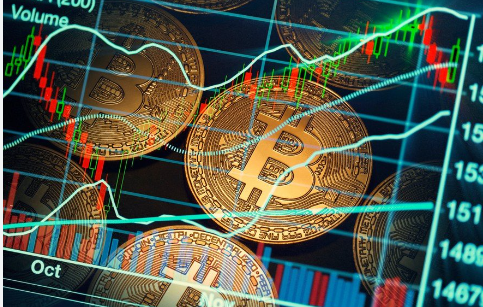
Cryptocurrencies present a unique set of investment opportunities that can be highly rewarding. The potential for high returns is one of the most compelling aspects of investing in cryptocurrencies. Historically, some cryptocurrencies have seen significant price increases, making them attractive for investors looking for high-growth opportunities.
For example, the price of Bitcoin and Ethereum has fluctuated dramatically over the years, offering substantial returns for those who invested at the right time.
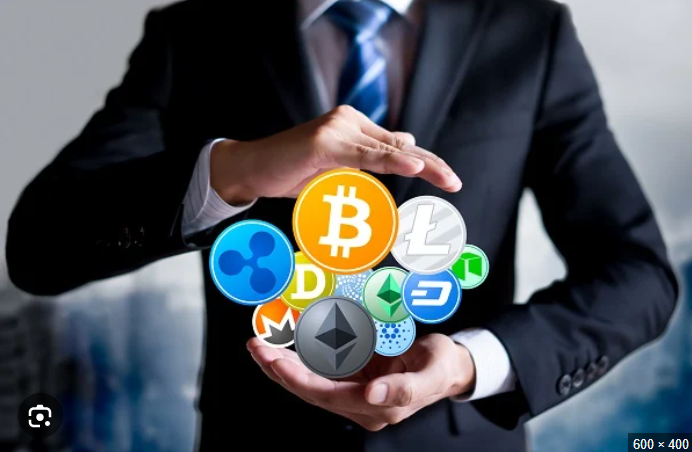
Additionally, the diversity of cryptocurrencies available in the market allows investors to diversify their portfolios. With over 23,000 cryptocurrencies and numerous trading platforms, investors can choose from a wide range of assets to spread their risk and potentially benefit from the growth of different cryptocurrencies.
Innovation and Utility
Cryptocurrencies are not just speculative assets; they also drive innovation and utility in various sectors. The underlying blockchain technology has numerous applications beyond digital currency, including smart contracts, decentralized finance (DeFi), and non-fungible tokens (NFTs).
These applications leverage the security, transparency, and efficiency of blockchain to solve real-world problems, such as facilitating secure and transparent transactions, automating business processes, and enabling new forms of digital ownership.
The utility of cryptocurrencies extends to their use in reward programs, customer loyalty schemes, and employee incentives. Crypto rewards offer a modern and tech-savvy way to recognize and reward individuals, providing flexibility and global accessibility. These programs can also foster innovation and motivate participants by aligning with the growing interest in digital assets.
Risks of Cryptocurrency
Volatility and Uncertainty
Cryptocurrencies are renowned for their high volatility, a double-edged sword for investors.
The prices of prominent cryptocurrencies, such as Bitcoin and Ethereum, can experience sharp fluctuations within short timeframes, positioning them as highly speculative investments. This volatility is propelled by several factors, including the market’s continuous operation, allowing for global reactions to news and trends around the clock.
Automated trading programs further amplify this volatility, potentially triggering cascading effects in response to market signals. Moreover, the absence of established valuation methods complicates the scenario. Unlike traditional stocks, which are evaluated based on tangible financial indicators like earnings and growth rates, cryptocurrencies often lack a solid financial basis. This absence makes it difficult for investors to determine their true value, leading to price variations driven more by market sentiment than by fundamental analysis.
Regulatory Risks
Regulatory uncertainty marks another significant risk for cryptocurrency enthusiasts.
Given the novelty of digital assets, governments and regulatory bodies are in the process of determining appropriate classifications and regulations. Such indecision can precipitate abrupt regulatory shifts, influencing cryptocurrency valuations.
For example, a government’s decision to deem a cryptocurrency as a security could introduce rigorous regulations, potentially resulting in a market-wide price decline. The regulatory landscape’s inconsistency across jurisdictions further complicates investment decisions. It’s essential for investors to remain abreast of regulations in their area and any potential changes that could impact their holdings. The current regulatory void also leaves investors exposed to risks like fraudulent or unethical management practices, with minimal safeguards against such actions.
Security Issues
Security concerns significantly alarm cryptocurrency investors.
The decentralized nature of cryptocurrencies eliminates a central authority for transaction oversight or account protection, exposing users to various security threats.
For instance, losing one’s private key or misdirecting it results in permanent loss of funds, highlighting the immutable risk inherent in cryptocurrency transactions. This is particularly daunting for newcomers unfamiliar with the intricacies of the technology.
Crypto exchanges, platforms for buying, selling, and storing cryptocurrencies, are prime targets for cyber-attacks. These exchanges often lack the robust security measures and regulatory oversight characteristic of traditional financial institutions, making them prone to significant breaches. High-profile incidents, like the Ronin hack leading to a $660 million loss, underscore the severity of these risks.
Moreover, the anonymity of cryptocurrency transactions complicates the recovery process post-scam, with fraudsters frequently exploiting social media to promote fraudulent schemes, leaving investors with valueless assets. These security challenges highlight the critical need for stringent digital hygiene and caution in cryptocurrency dealings.
The Future Landscape: Weighing the Balance
As we navigate the complex landscape of cryptocurrencies, it’s essential to weigh the rewards against the risks. Cryptocurrencies offer decentralization, security, and innovative financial opportunities, but they also come with volatility, regulatory uncertainty, and security challenges. To make informed decisions, it’s important to understand the underlying technology, the potential for high returns, and the inherent risks such as market volatility and cybersecurity threats.
Embracing this digital revolution with caution and informed decision-making can unlock exciting opportunities. Stay informed, diversify your investments, and adopt robust security measures to maximize the benefits while minimizing the risks.
FAQ
What exactly is cryptocurrency and how does it work?
Cryptocurrency is a digital or virtual currency secured by cryptography, existing on decentralized networks using blockchain technology. It operates without a central authority, enabling secure online payments through peer-to-peer transactions recorded on a public ledger. Transactions are verified by network nodes, and new units are created through a process called mining.
How does cryptocurrency make money?
Cryptocurrency generates income through various methods: buying low and selling high, earning interest via decentralized finance (DeFi) lending, staking coins on blockchains for rewards, and mining, which involves solving complex puzzles to verify transactions and earn new coins.
Is crypto a good investment?
Cryptocurrency is a high-risk investment, suitable for a small portion of a diversified portfolio. Its value can be highly volatile, and it does not fit traditional asset allocation models. Investors should be prepared to lose their entire investment and should do thorough research before investing.
Is crypto real money?
Cryptocurrency is not considered traditional money due to its lack of widespread acceptance, volatility, and failure to serve as a stable store of value or unit of account. However, some definitions suggest it can be considered real money as it functions as a medium of exchange, albeit with significant limitations.
About the Creator
Enjoyed the story? Support the Creator.
Subscribe for free to receive all their stories in your feed.
Comments
There are no comments for this story
Be the first to respond and start the conversation.